11 Worst Foods to Eat Before Bed
Poor sleep is not always caused by stress, noise, or excessive screen time. Often, it begins with dietary choices. A heavy meal, sugary snack, late coffee, or extra drink can lead to restlessness, heartburn, frequent bathroom visits, and disrupted sleep. Good sleep does not require a perfect diet, but it helps to recognize which foods can disrupt rest.
Going to bed hungry can also ruin sleep, so the goal is not to avoid food completely. The better move is choosing small, gentle snacks that do not overload the stomach. Oatmeal, whole-grain toast, yogurt, cottage cheese, bananas, berries, almonds, walnuts, or warm milk can be smarter options.
Consider the following foods and drinks before choosing a late-night snack.
Energy Drinks
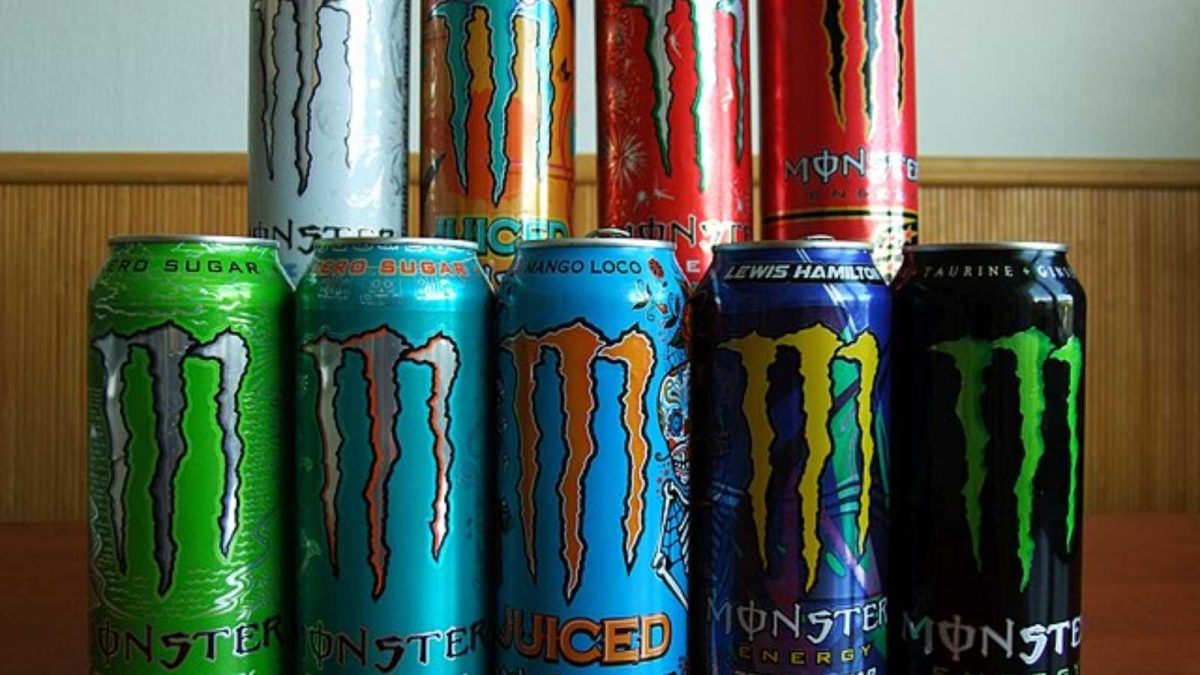
Energy drinks are among the worst nighttime choices because they often contain caffeine, sugar, and other stimulants. They are designed to keep the body alert, which is the opposite of what the body needs before bed.
Even drinking one in the evening can push sleep past the planned time. The body may feel tired, but the nervous system can stay switched on. That creates the frustrating feeling of being exhausted but unable to settle.
Caffeinated Drinks
Coffee is the obvious troublemaker, but caffeine hides in more places than people expect. Black tea, green tea, cola, energy drinks, some bottled drinks, chocolate desserts, and coffee-flavored ice cream can all keep the brain more alert than it should be at night.
The tricky part is that caffeine does not always stop someone from falling asleep. It can still make sleep lighter, shorter, or more broken. That means a person may technically sleep through the night and still wake up feeling like they didn’t rest at all.
Alcohol
Alcohol may feel like a shortcut to sleep, but it usually collects its payment later in the night. A beer, glass of wine, or nightcap can make the body drowsy at first, then disturb deeper sleep once the body begins processing it.
It can also worsen snoring, relax throat muscles, and trigger acid reflux. That is why some people fall asleep quickly after drinking but wake up hot, thirsty, restless, or uncomfortable before morning. It is not a sleep aid. It is a sleep interrupter in disguise.
Fried Foods

Fried chicken, fries, onion rings, fried fish, and greasy takeout can make bedtime miserable. These foods are heavy, fatty, and slow to digest, which means the stomach stays busy long after the lights go off.
They can also increase the chance of indigestion and heartburn, especially when eaten close to bedtime. Lying down with a stomach full of grease is almost an invitation for discomfort. If fried food is on the menu, lunch or an early dinner is better.
Heavy Dinners
A huge steak, loaded burger, creamy pasta, or oversized plate of food can feel satisfying in the moment. At bedtime, it can turn into pressure, bloating, and restless sleep. The body has to focus on digestion when it should be shifting into repair mode.
Heavy meals can also make the body feel warmer, which may delay sleep. Good sleep usually comes easier when dinner is filling but not overwhelming. A smaller evening meal is often kinder than a plate that feels like a personal challenge.
Spicy Foods
Spicy wings, chili, peppery sauces, curry, and hot salsa can cause trouble for people who already deal with heartburn. Spice can irritate the stomach and increase the likelihood of reflux when someone lies down.
Spicy foods can also raise body temperature, which may interfere with the body’s natural cooling process needed for sleep. This discomfort can make it harder to fall asleep.
Acidic Foods
Tomato sauce, citrus fruits, orange juice, lemonade, raw onions, vinegar-heavy dressings, and white wine can trigger acid reflux for many people. These foods may be perfectly fine during the day, but they can become a problem at night.
Pizza is a classic example because it often combines tomato sauce, cheese, grease, and sometimes spicy toppings. That combination can taste amazing and still be a disaster once someone lies flat. If heartburn keeps showing up after certain meals, the timing may be the real issue.
Sugary Snacks

Candy, cookies, cakes, sweet cereal, soda, and pastries can make bedtime feel more exciting than it should. Sugar can cause blood sugar to rise and fall, which may disturb the body’s natural nighttime rhythm.
The problem with sugary snacks is that they feel comforting after a long day. They give the brain a little reward, then sometimes leave the body restless or hungry again. A banana, yogurt, berries, or oatmeal is usually a calmer choice when a late-night sweet craving hits.
Chocolate Desserts
Chocolate feels cozy, but it is not always sleep-friendly. Dark chocolate can contain caffeine, and chocolate also has compounds that may feel mildly stimulating to some people.
Chocolate desserts often add sugar and fat into the mix. Brownies, chocolate cake, chocolate ice cream, and candy bars can become a triple problem: stimulation, sweetness, and slow digestion. Enjoying chocolate earlier in the day is usually the safer move.
High-Water Foods
Watermelon, cucumber, celery, broth-heavy soup, and large glasses of water are healthy, but they can interrupt sleep when taken too close to bedtime. The issue is not the food itself. The issue is waking up to use the bathroom when the body should be staying asleep.
Hydration works best when it is spread throughout the day. Drinking too much right before bed can turn the night into a series of bathroom trips. Anyone who wakes up often at night may want to reduce late-night fluids and watery snacks.
Gas-Producing Foods
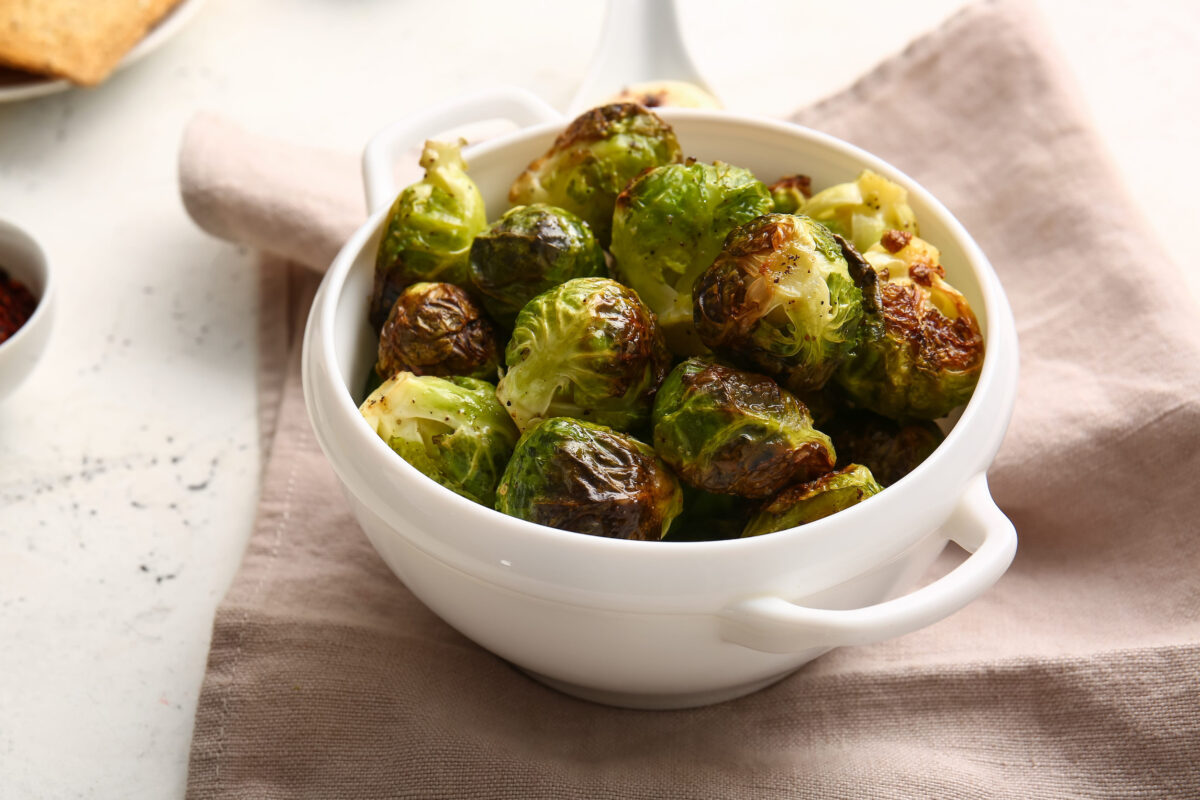
Beans, lentils, broccoli, cauliflower, cabbage, Brussels sprouts, and dried fruit are nutritious, but they can be tough to digest before bed. These foods are high in fiber and can produce gas as they digest.
That may lead to bloating, pressure, cramps, or general discomfort under the covers. They are still great foods, just not always great late-night foods. Eating them earlier gives the body more time to handle digestion before sleep.
Conclusion
Better sleep often starts with a calmer evening plate. The worst bedtime foods usually have one thing in common: they make the body work too hard when it should be winding down.
Caffeine wakes up the brain. Grease slows digestion. Sugar shakes up energy. Spice and acid stir up reflux. Too much fluid sends people to the bathroom. Once those patterns become clear, bedtime eating gets much easier. A quiet stomach can make the whole night feel different.