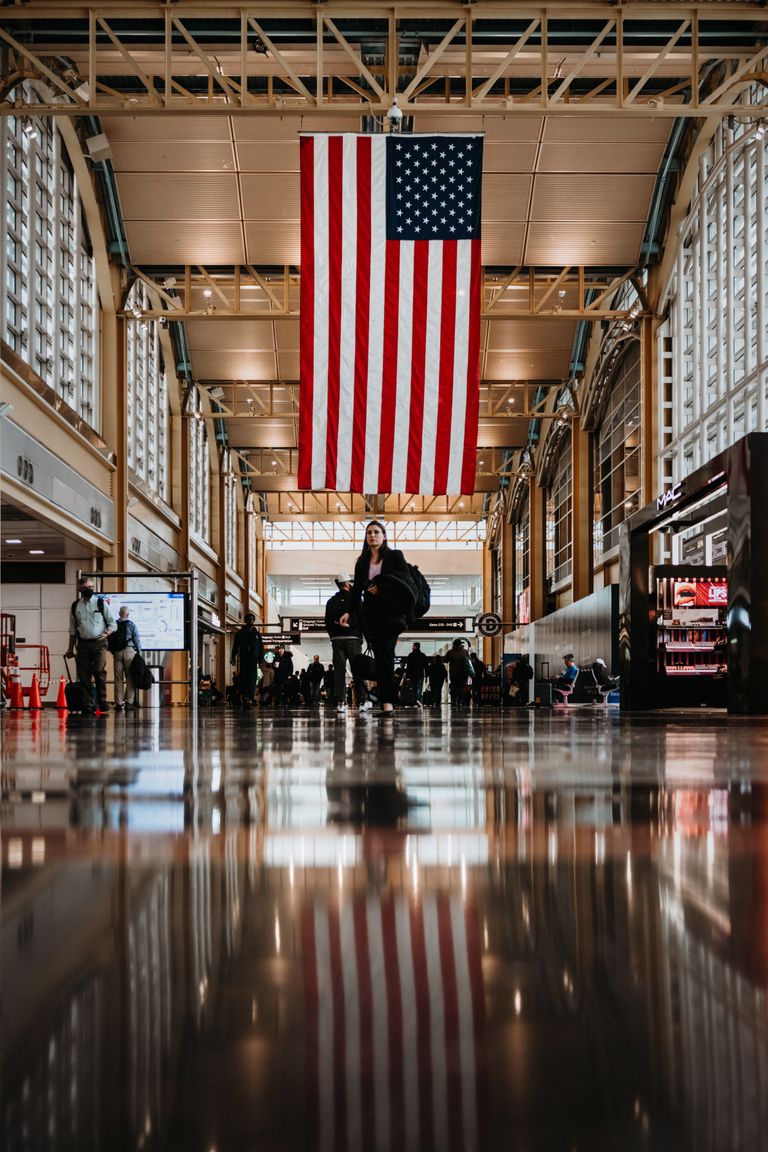
9 Dirty Airplane Secrets That Will Change How You Fly
Air travel already feels like a test of patience. You squeeze into a narrow seat, fight for armrest space, pray your bag made it, and pretend the tiny tray table is not suspiciously sticky. Most passengers focus on delays, turbulence, and overpriced airport snacks. The real horror may be hiding in the cabin.
Planes are safer than people think, but that does not mean they are always pleasant. The grossest parts of flying are usually not dramatic. They are quiet, ordinary, and sitting right in front of you. The water, the blankets, the tray table, the bathroom door, and even the emergency gear may carry stories airlines would rather not advertise.
Those Wrapped Headphones May Not Feel So Fresh Anymore
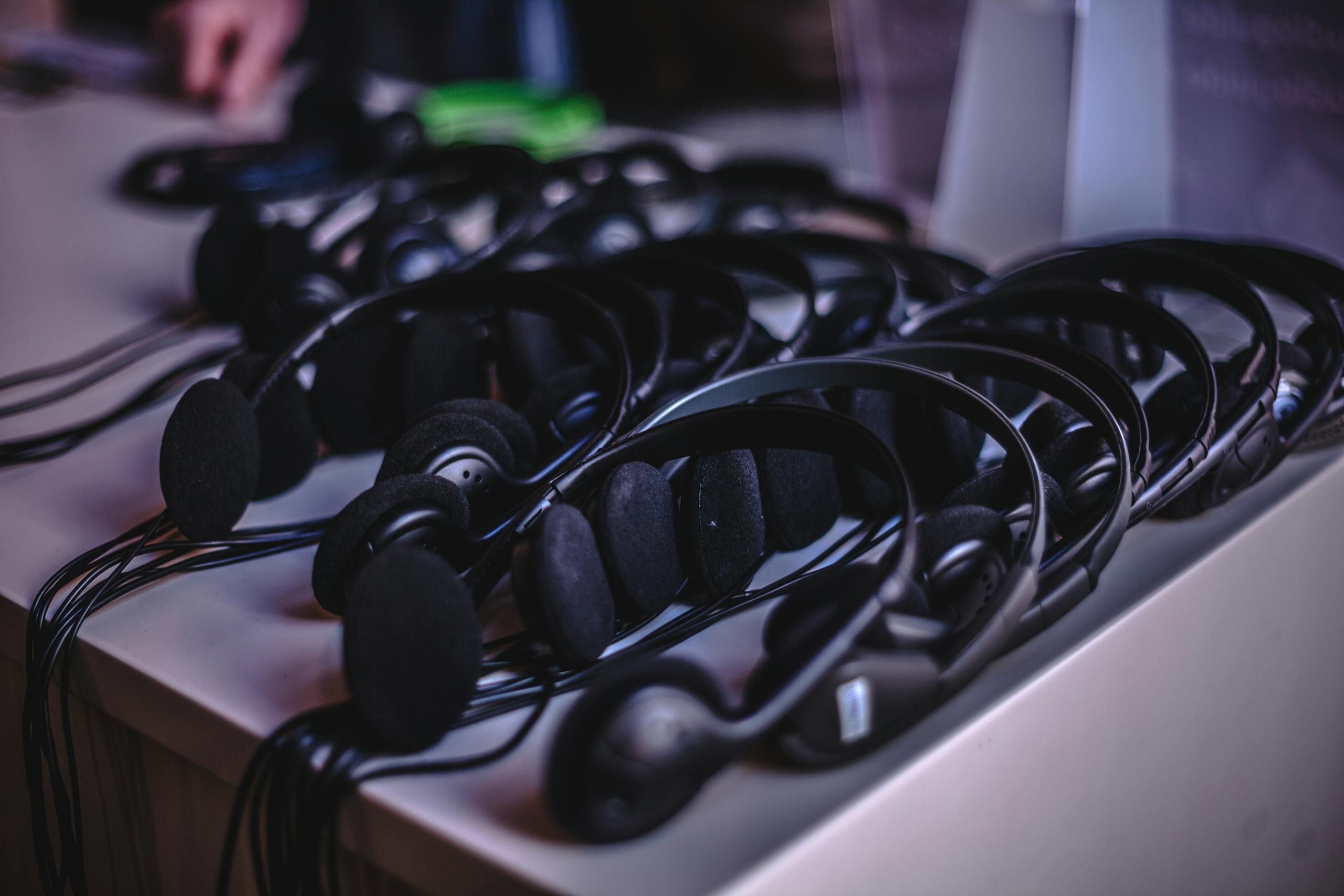
There is something comforting about seeing headphones sealed in plastic. It makes them look clean, new, and untouched. But airline items are often reused, repackaged, or cleaned depending on the carrier and service process. That shiny wrapper does not always mean “fresh from the factory.”
This is why bringing your own earbuds is the smarter move. You know where they have been, and you know whose ears they have touched. Airline headphones may be fine in many cases, but the mental image alone is enough to make plenty of passengers dig through their bags.
The Airplane Bathroom Is Less Private Than It Looks
The “occupied” sign on an airplane bathroom feels like a tiny shield. It is not as powerful as most people think. Lavatory doors can usually be unlocked from the outside by crew members in case of emergencies, medical issues, smoke, or a passenger who stops responding.
That is not creepy. It is a safe design. Still, it can feel unsettling once you know it. The airplane bathroom already feels too small, too loud, and too close to strangers. Realizing it is not fully private makes the whole experience feel even more awkward.
Your Tray Table May Have Seen Things You Don’t Want to Imagine
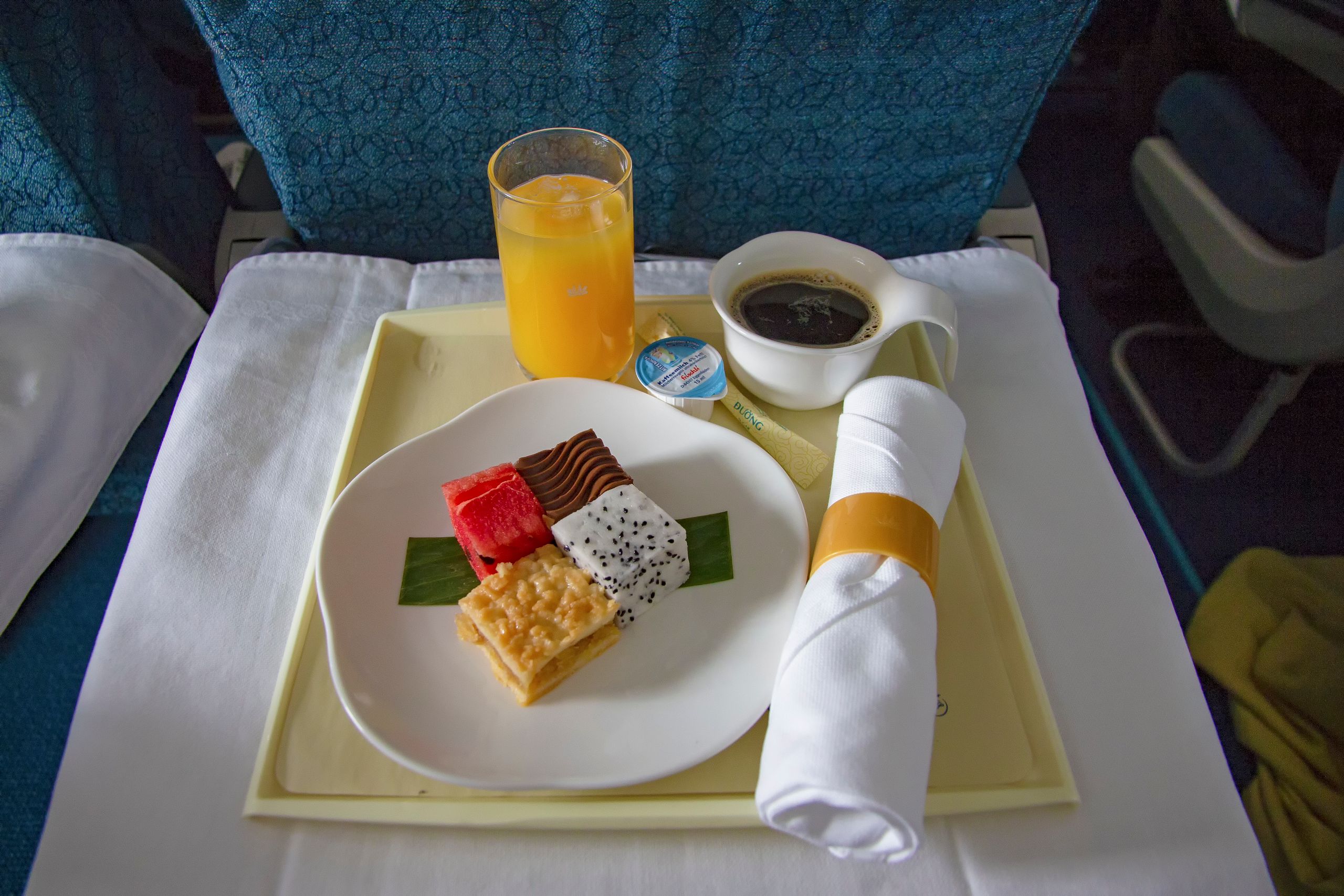
That little tray table is where you balance your coffee, pretzels, laptop, and sometimes your face during a miserable red-eye flight. Unfortunately, passengers do not always treat it like a dining surface. Some people have used tray tables for diaper changes, dirty tissues, spilled drinks, bare feet, and every kind of travel mess.
That does not mean every tray table is filthy, but it does mean you should stop blindly trusting it. A quick wipe before eating is not being dramatic. It is common sense. The same surface that holds your sandwich may have handled someone else’s mid-flight disaster three hours earlier.
Plane Water Has a Reputation Passengers Should Not Ignore
Many frequent flyers avoid airplane tap water, and there is a reason the rumor refuses to die. Aircraft water systems are complicated because water is stored in onboard tanks, moved through lines, and serviced between flights. That creates plenty of chances for cleanliness concerns if the system is not properly maintained.
This is why many travelers skip coffee, tea, and bathroom sink water on planes. Bottled drinks feel safer and simpler. The lesson is not that every plane’s water is dangerous. The lesson is that airline water has enough history to make cautious passengers think twice before sipping anything from an onboard tank.
Emergency Life Jackets Can Disappear
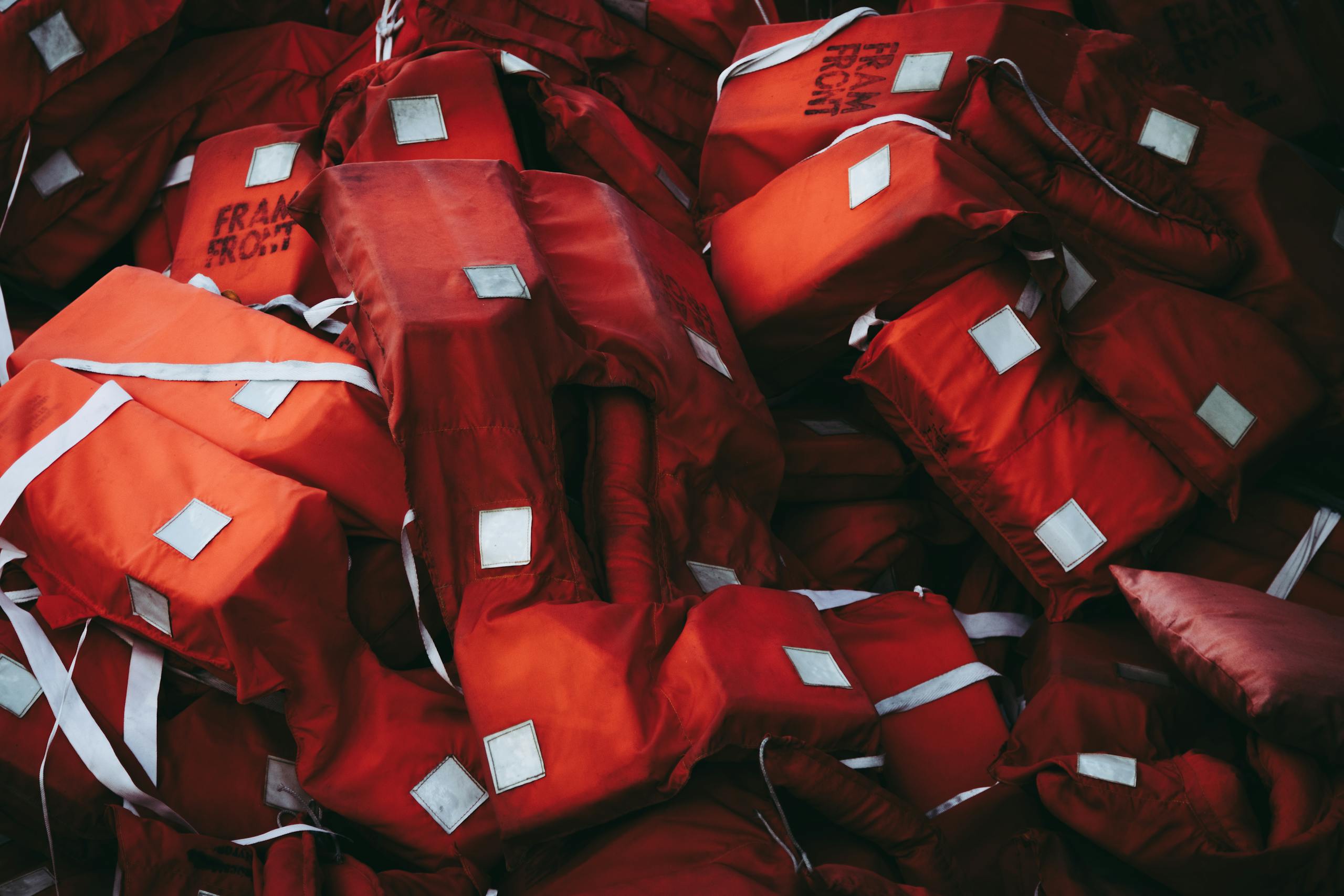
The life jacket under your seat is meant for a worst-case emergency. The problem is that some passengers treat airplane safety equipment like a souvenir. Reports of stolen life jackets sound ridiculous, but they have been a recurring concern in aviation conversations for years.
This is one reason flight crews remind passengers not to tamper with safety gear. It is not decoration. It is not a collectible. It is not something to take home for a funny story. The disturbing part is simple: the item designed to help in an emergency may have been handled by someone who thought stealing it was clever.
Airplane Blankets and Pillows Can Be a Gamble
A blanket on a cold flight feels like a gift from heaven. Then your brain ruins it by asking a fair question: Who used this before me? Airline bedding may be cleaned, replaced, or reused depending on the airline, route, cabin class, and service standards. That uncertainty is the problem.
Passengers cough, sweat, sleep, wipe their hands, and sometimes treat shared items like personal laundry. A blanket may look folded and harmless, but folded does not always mean spotless. If you get cold easily, pack a hoodie or travel blanket. Your future self will thank you somewhere over Kansas.
Lightning Strikes Are More Common Than Nervous Flyers Want to Know

Few things sound scarier than a plane getting hit by lightning. The good news is that modern aircraft are designed for it. The bad news is that it still sounds awful when you are already gripping the armrest and pretending turbulence does not bother you.
Aircraft are built to conduct lightning safely across the structure and protect critical systems. Passengers may see a flash or hear a loud sound, but the plane is not helpless. Still, knowing planes can get struck more often than people expect is not exactly relaxing. It is one of those facts that is comforting and terrifying at the same time.
Oxygen Masks Are Not Built for a Long Crisis
The yellow oxygen mask above your seat looks like a rescue device, and it is. But it is not meant to keep you comfortable for an hour. Passenger oxygen systems are designed for short-term emergency use, giving pilots time to descend to a safer altitude after cabin pressure problems.
That is why the safety demo matters more than people admit. If masks drop, you put yours on fast. No debating. No filming first. No helping everyone else before you can breathe. The mask is there to buy time, not to turn the cabin into a calm little oxygen lounge.
The Cabin Is Cleaner Than It Looks in Some Places and Worse in Others
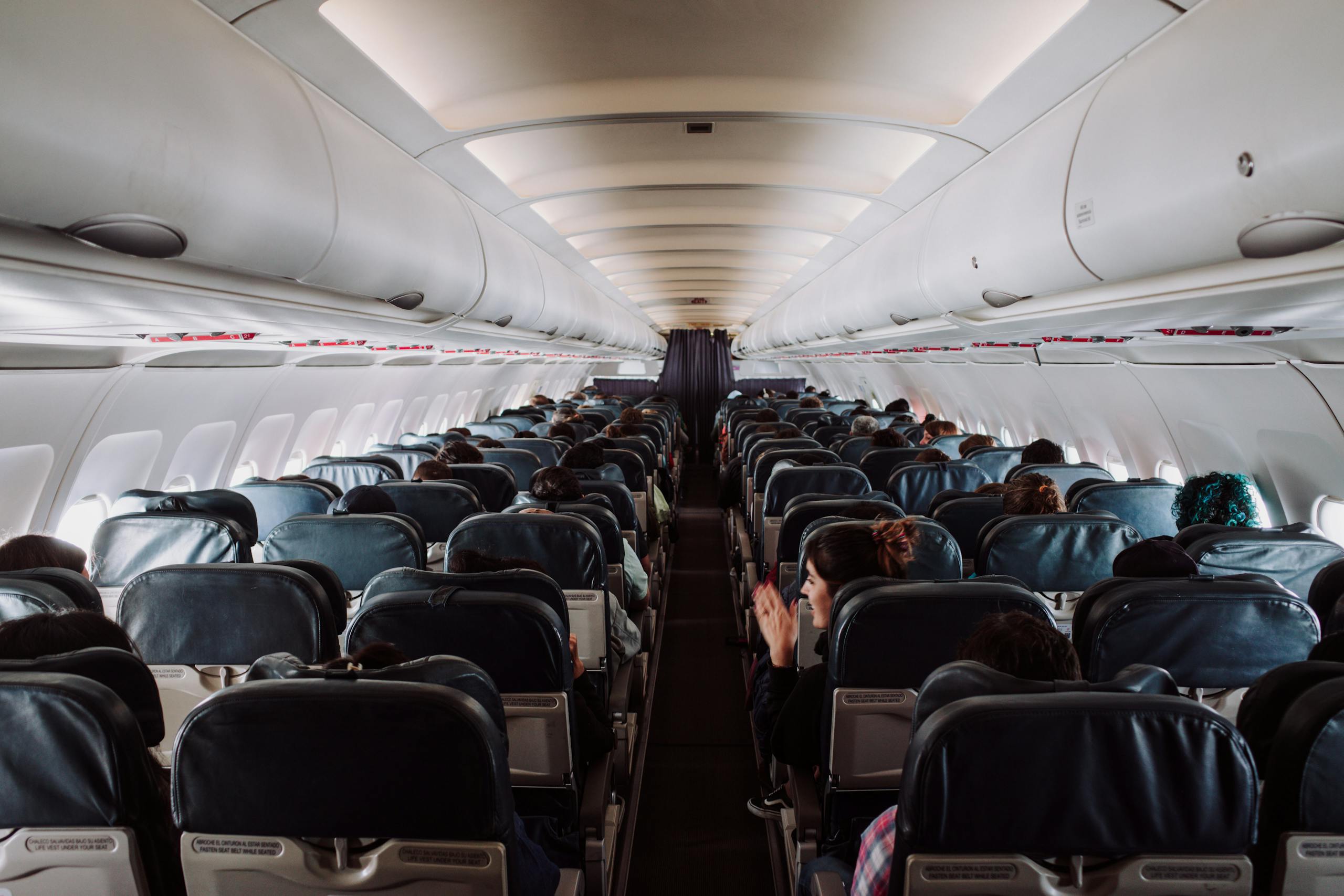
Passengers often worry about the obvious dirty spots, like bathrooms and seat pockets. That makes sense. But the sneakiest problem is that planes turn around quickly. Crews may have limited time to tidy the cabin before the next group boards. That means some surfaces get more attention than others.
This is why seasoned travelers carry wipes, hand sanitizer, and a little skepticism. The goal is not to panic over every seatback pocket. It is to control the surfaces you touch most. Wipe the tray table, avoid putting food directly on shared surfaces, keep your hands clean, and never assume a plane is as fresh as it looks from the aisle.
Conclusion
Flying is still one of the safest ways to travel, but safe does not always mean spotless, cozy, or pleasant. The grossest airline secrets are rarely about disasters. They are about shared spaces, fast turnarounds, tired humans, hidden systems, and passengers who behave like nobody else has to use the plane after them.
That is what makes these facts so hard to forget. Once you look at the tray table, blanket, bathroom door, or cup of airplane coffee differently, the cabin never feels quite the same. You do not have to fear your next flight. Just pack wipes, bring your own headphones, drink bottled water, and remember that the cleanest-looking surface on a plane may still have a backstory.