10 Silent Killers That Can Take You While You Sleep
Death in your sleep is terrifying precisely because it comes without warning. One moment, someone is breathing and dreaming; the next, their body has betrayed them in ways most of us can’t predict.
These cases are not about old age or inevitability; they are about hidden risks lurking in plain sight, silently striking when vulnerability is at its peak. Medical science reveals that sleep is not always safe. From hidden heart conditions to untreated infections, the body can fail quietly, leaving loved ones stunned. Understanding the underlying threats can save lives and inspire vigilance, because awareness is the only way to confront these silent dangers.
Heart Attacks Strike Without a Sound
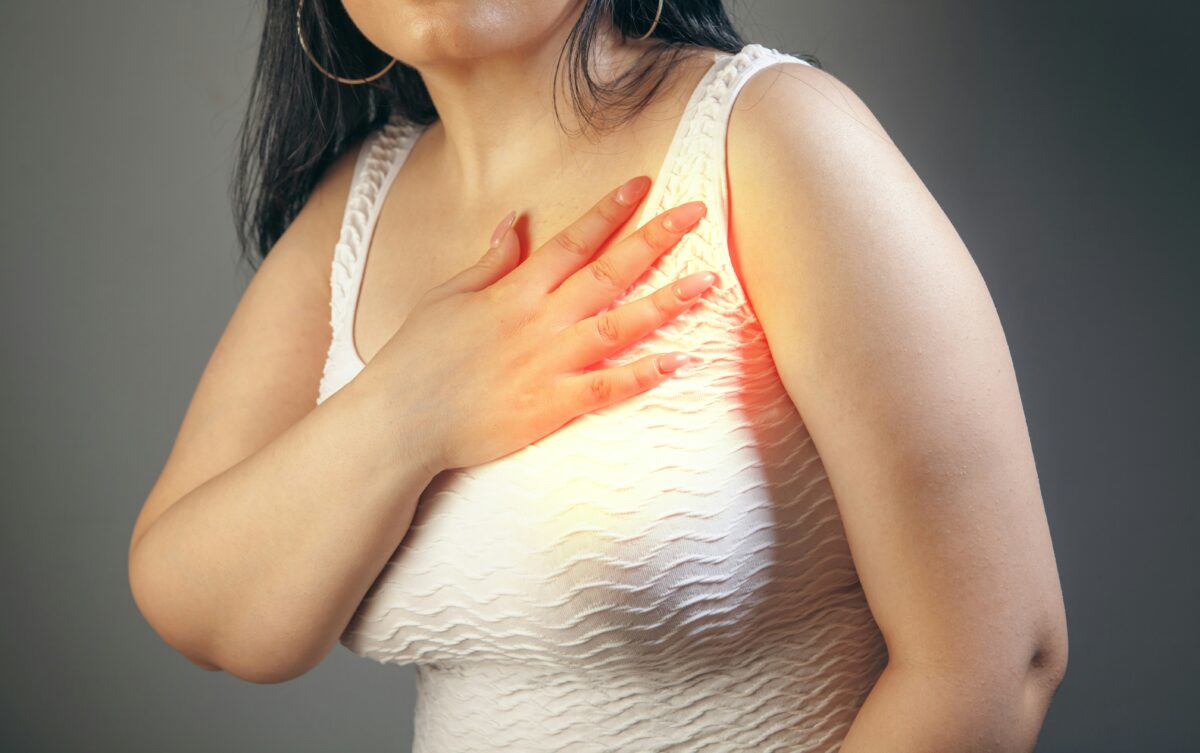
The heart does not always announce its final moments. Silent or sudden cardiac events can occur in sleep when irregular rhythms, blocked arteries, or undetected heart disease overwhelm the organ. Even healthy-looking individuals may harbor hidden risk factors, such as high blood pressure, elevated cholesterol, or structural anomalies.
Nighttime heart attacks often go unnoticed until it’s too late, making the quietest hours the deadliest. Preventive screening can sometimes catch the threat before it’s fatal.
Stroke Can Unravel Life Instantly
Cerebrovascular accidents do not always provide warning signs. During sleep, a stroke may occur when blood flow to the brain is interrupted, or a vessel bursts. Unlike daytime strokes, nighttime events can leave the person unable to call for help.
Risk factors include hypertension, diabetes, and smoking, but some healthy adults have strokes with no prior symptoms. The tragedy is compounded by delayed discovery, making treatment nearly impossible and survival chances drastically lower.
Sleep Apnea Steals Oxygen Slowly
Obstructive sleep apnea can repeatedly cause breathing to be constricted throughout the night. Each pause lowers oxygen levels, strains the heart, and raises the risk of sudden death. Often undiagnosed, sleep apnea can silently damage the cardiovascular system over the years.
Obesity, age, and neck circumference increase vulnerability. The danger escalates because the person may not even wake, allowing cumulative stress to trigger fatal arrhythmias or heart failure without warning.
Pulmonary Embolism Strikes Like Lightning
A blood clot in the lungs can be sudden and lethal during sleep. Pulmonary embolisms usually originate in the legs and travel unnoticed to the lungs, blocking blood flow and depriving the lungs of oxygen. Risk factors include recent surgery, immobility, or genetic clotting disorders.
Victims rarely display symptoms before collapse. The terrifying aspect is the unpredictability: someone can go to bed seemingly fine and never wake, illustrating how fragile life can be even for those without prior warning signs.
Diabetes Can Trigger Nighttime Catastrophe
Severe drops or spikes in blood sugar can turn deadly while asleep. Hypoglycemia or hyperglycemia can cause the heart to misfire or the brain to fail in regulating vital functions. People with diabetes may feel fine during the day but experience dangerous swings overnight, particularly if insulin doses or meals are mismanaged. Without monitoring, these silent attacks strike during vulnerability, leaving loved ones unaware until tragedy strikes.
Undiagnosed Heart Arrhythmias Hide in the Shadows
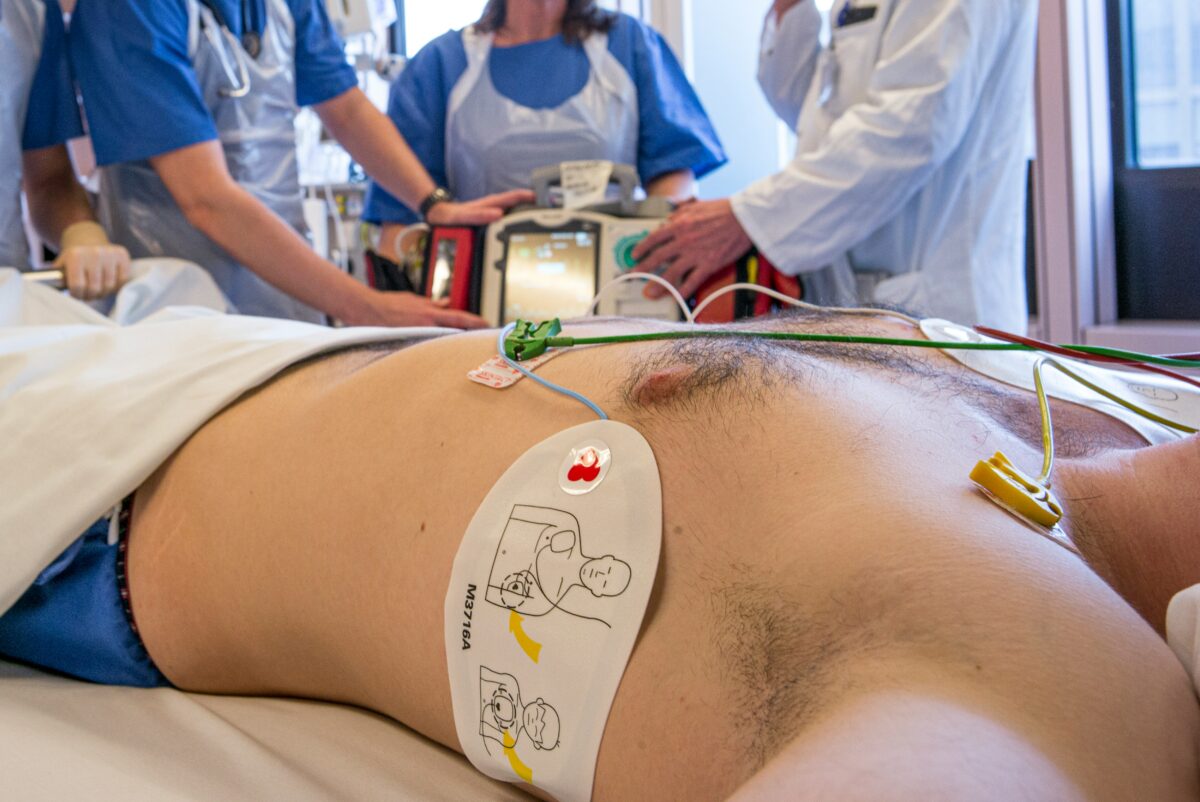
Irregular heartbeats may remain invisible until they end life abruptly in sleep. Conditions like ventricular tachycardia or fibrillation can trigger sudden cardiac arrest without warning. Athletes, middle-aged adults, and even the young can be at risk if the rhythm disorder is silent.
The risk peaks during rest when the body’s natural slowdown allows abnormalities to escalate unchecked. Detection often requires proactive monitoring rather than waiting for symptoms.
Infections Can Go Fatal Overnight
Some infections progress quietly and lethally, striking while the body rests. Pneumonia, meningitis, or sepsis may worsen without clear early warning. Nighttime vulnerability means the immune system’s battle can escalate unnoticed. Sudden sleep collapse may be the first and only clue, leaving families shocked. The cruel irony is that treatment exists, but timing is critical, and the silent nature of these infections can deny a chance for intervention.
Brain Aneurysms Explode in Silence
Cerebral aneurysms are ticking time bombs that often rupture without a single warning. During sleep, blood pressure spikes or structural weakness can trigger fatal bleeding in the brain. Unlike strokes with partial symptoms, aneurysm ruptures can cause immediate unconsciousness and death. Even those who appear healthy can harbor these hidden threats. The horror is in the invisibility: life continues as usual until the rupture ends it abruptly and without ceremony.
Medication Side Effects Can Turn Deadly
Prescription drugs may inadvertently provoke life-threatening reactions during sleep. Blood thinners, heart medications, or sedatives can interact unpredictably, lowering blood pressure or affecting cardiac rhythm.
Overdoses, miscalculations, or hidden sensitivities can quietly take hold overnight. The tragedy is compounded because the person may not recognize danger while unconscious, making sleep a time meant for rest,potentially lethal when medications are mismanaged.
Sudden Adult Death Syndrome Remains Mysterious
Sometimes, death occurs without explanation, even after an autopsy. Sudden Adult Death Syndrome claims victims who appear healthy, striking during sleep with no identifiable cause. Genetic factors, hidden heart conditions, or unrecognized arrhythmias may play a role.
This final category underscores the unsettling reality: even careful health monitoring cannot always prevent the worst. The silence of the night becomes a stark reminder that life is fragile and unpredictable.
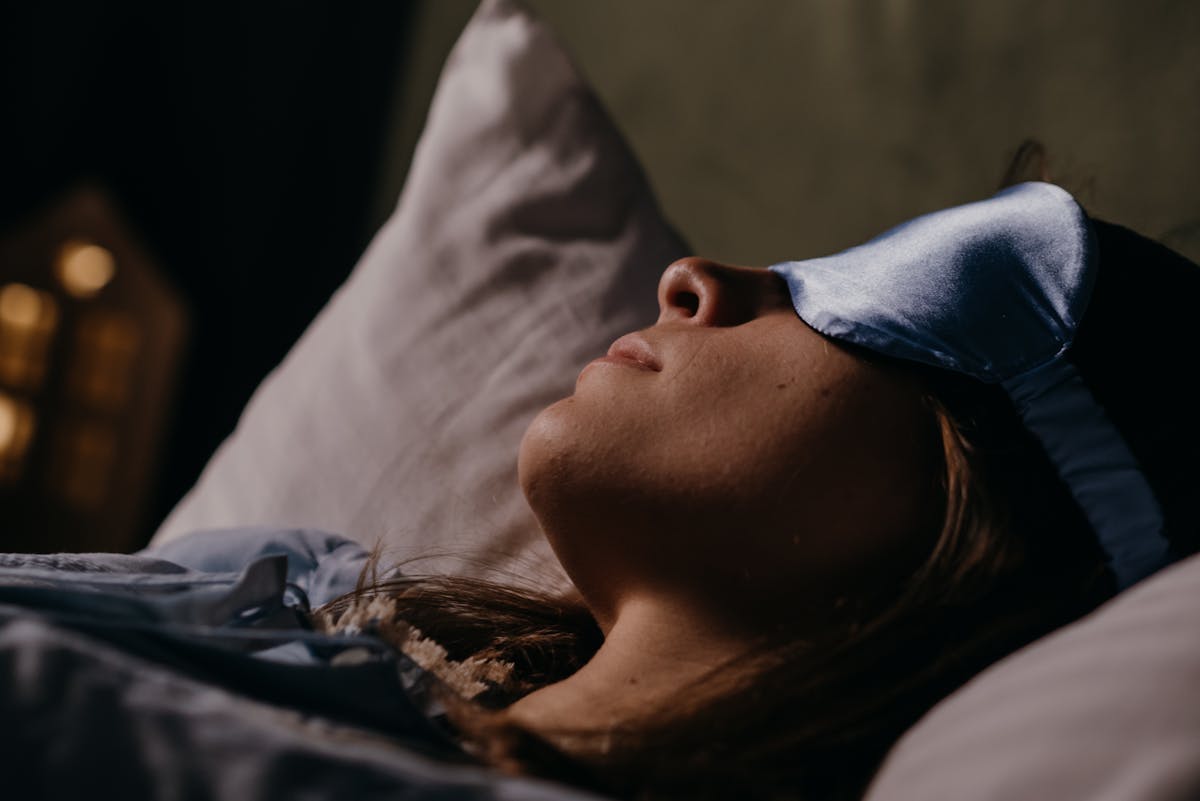
Death in sleep is more common than most realize and more frightening because it strikes without warning. Heart problems, strokes, silent infections, and hidden conditions can turn a night of rest into a fatal encounter. Awareness, screening, and healthy lifestyle choices can reduce risk, but no one is completely safe. Understanding these silent killers allows us to treat rest not just as comfort, but as a window where vigilance can quietly save lives.