9 Food Laws That Make America Look Unhinged
America takes food seriously. Too seriously, sometimes. This is the country that can turn a gas station hot dog into a road-trip ritual, a backyard grill into a neighborhood event, and a Thanksgiving turkey into a full-contact family negotiation.
Then the law gets involved, and things get strange fast.
Some food rules make sense once you look closer. Others sound like they were written during a town meeting where everyone had too much coffee and not enough patience. Butter gets legal protection. Chocolate eggs get stopped at the border. Raw milk becomes a state-by-state battlefield. A pickle myth gets repeated for decades because, honestly, it is too weird to die.
Here are the food laws and food-law legends that make America’s relationship with dinner look a little unhinged.
Kinder Surprise eggs became border drama

Kinder Surprise eggs look innocent enough. Chocolate shell, tiny toy, childlike joy, quick sugar rush. In much of the world, they are just candy. In the United States, the version with a toy sealed inside the chocolate has faced legal trouble due to rules against non-food objects embedded in food.
That makes the whole thing sound like candy contraband. A chocolate egg can suddenly feel like something you need to hide from customs. The rule comes from safety concerns, especially choking risks, but the result still feels bizarre to many Americans who have seen similar treats overseas. Nothing says “vacation is over” quite like realizing your souvenir candy has legal baggage.
Wisconsin protects butter like a state treasure
Wisconsin does not play around when butter enters the chat. In a state famous for dairy pride, margarine has long carried a suspicious reputation. Restaurants and public institutions have been subject to rules requiring margarine to be served only upon request, unless a person specifically asks for it.
That sounds ridiculous until you remember how much dairy shaped Wisconsin’s economy and identity. Butter was not just a spread. It was business, culture, and local pride sitting in a little foil wrapper. The funny part is how ordinary the battle sounds today. Imagine ordering toast and realizing the state has strong opinions about what lands on it.
The bouncing pickle story refuses to die
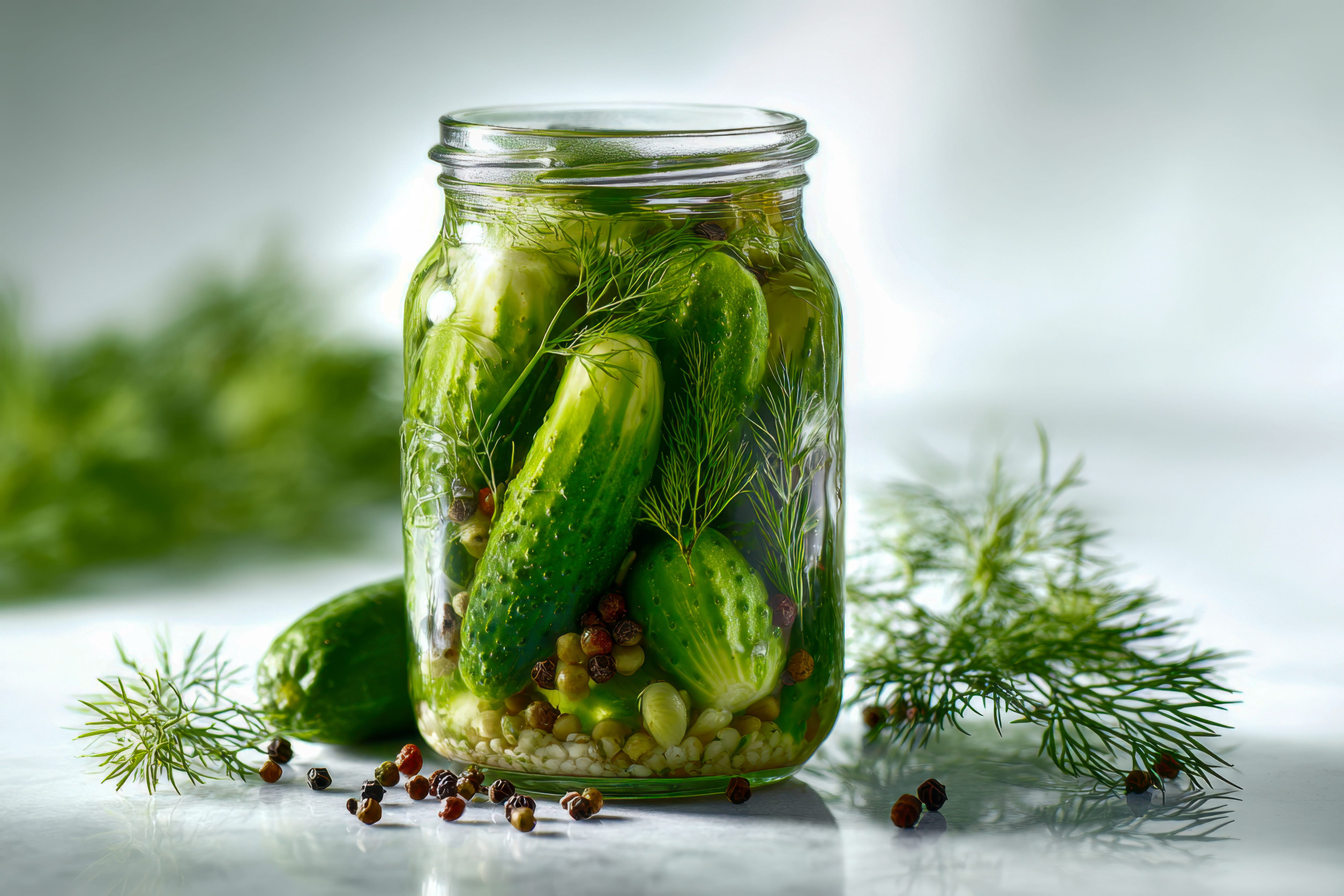
The famous Connecticut pickle story has everything a weird law needs. It is short. It is funny. It is oddly specific. The claim says a pickle must bounce to be legally considered a pickle. That sounds like something a bored inspector invented after a long lunch.
The catch is that it appears to be a legend, not an actual state law. That makes it even more interesting. America does not just have weird food laws. It has weird food-law myths that become so popular that people treat them like legal facts. The pickle may not need to bounce in court, but the story has bounced around the internet for years.
Traditional haggis has a lung problem
Haggis is already a hard sell for some Americans. The Scottish dish traditionally uses sheep organs, oatmeal, onions, spices, and casing, which is enough to scare off half the room before the law even arrives. But the U.S. issue is not just the dish itself. Traditional haggis has run afoul of rules regarding sheep lungs.
That is why imported traditional haggis has faced a long American roadblock. The strange part is that the dish is not banned because someone found the name too suspicious. It is tied to food-safety rules regarding the use of animal lungs as edible material. Still, to the average reader, it sounds wild. A national food treasure can cross oceans in reputation, but not always in its original recipe.
Home bakers can hit legal walls
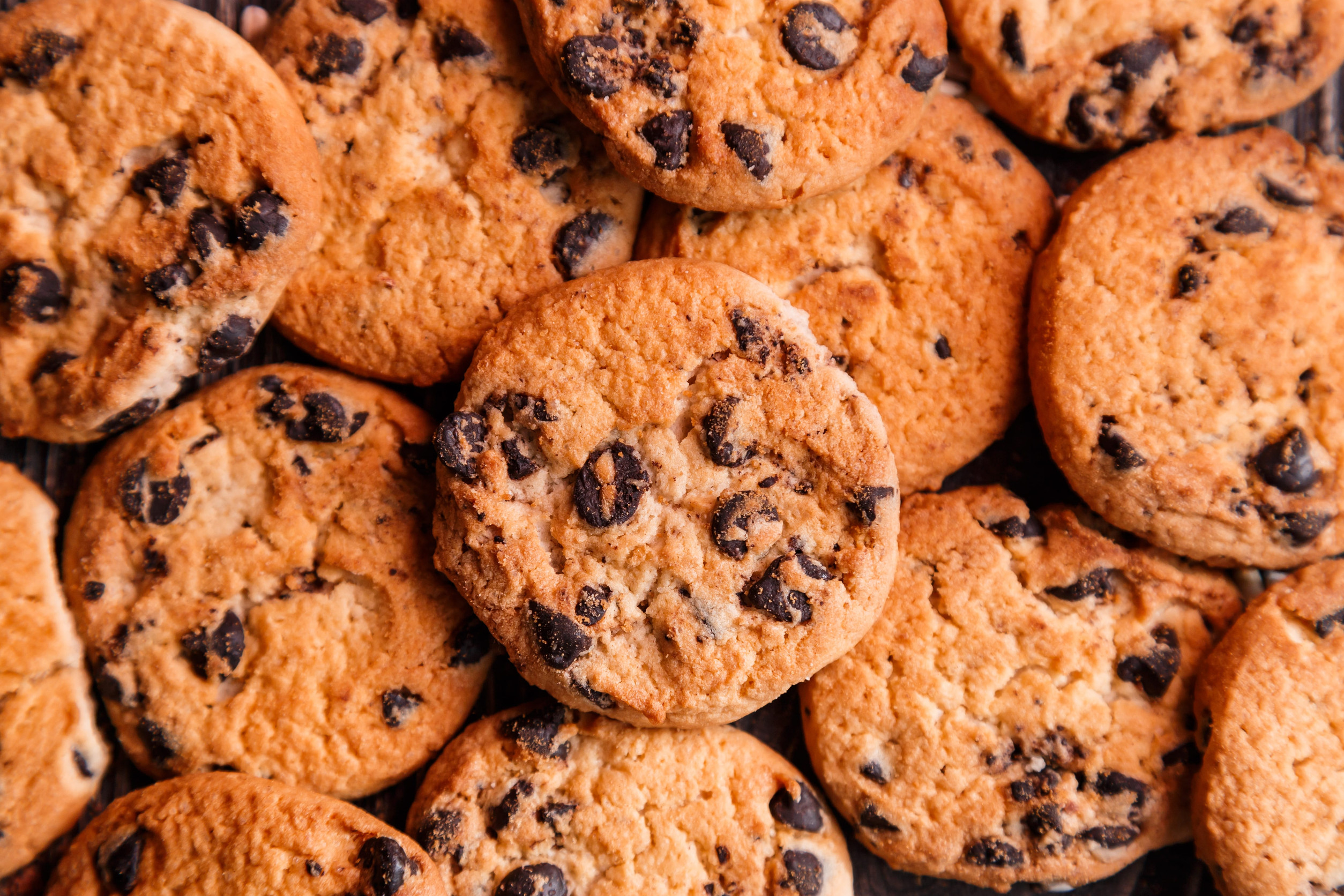
Selling cookies from your kitchen sounds like the most harmless side hustle in America. Someone bakes banana bread, posts a photo, takes a few local orders, and suddenly feels like a tiny business owner. Then, cottage food laws enter the story.
Many states allow certain homemade foods to be sold, but the rules can limit what people can make, where they can sell it, how it must be labeled, and how much they can earn. That can feel absurd to someone who just wants to sell cupcakes at a farmers’ market. Still, the laws exist because food safety does not disappear inside a cute home kitchen. The weirdness comes from how quickly a tray of cookies can become a regulatory issue.
California went after foie gras
California’s foie gras law sounds like something pulled from a luxury restaurant scandal. The state targeted products made by force-feeding birds to enlarge their livers, turning a high-end delicacy into a long-running legal fight. For many diners, it became less about fancy food and more about animal welfare.
The law is strange because it sits at the intersection of fine dining, ethics, farming, and politics. One person sees cruelty. Another sees culinary tradition. Another sees the government stepping too far into the dinner plate. That is exactly why the issue keeps grabbing attention. It proves that even a tiny restaurant portion can carry a very large argument.
Raw milk turns breakfast into a legal maze
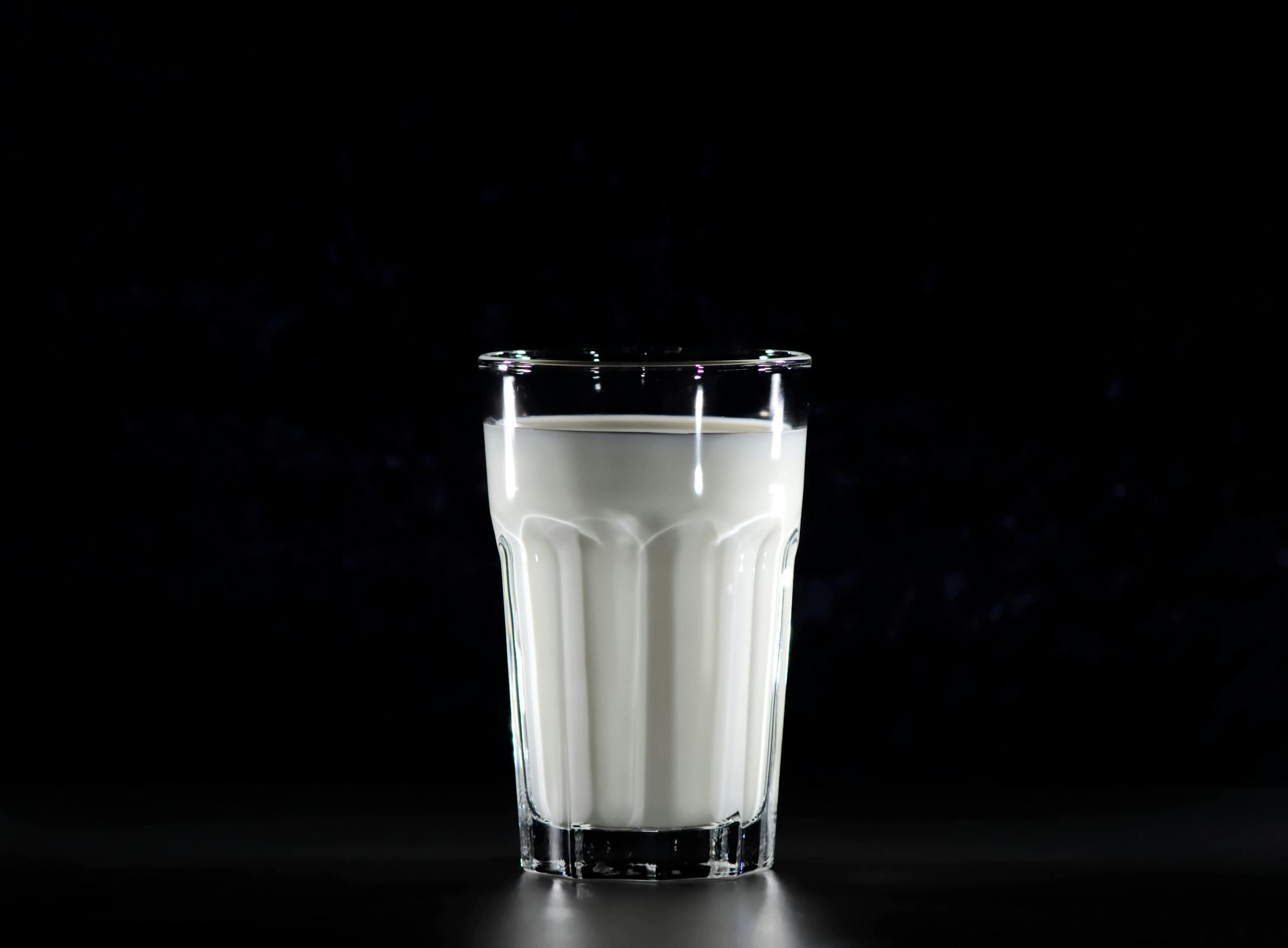
Milk seems like one of the least dramatic foods in the refrigerator until raw milk comes up. Pasteurized milk is normal grocery-store territory. Raw milk, which has not gone through pasteurization, is regulated much more tightly and cannot simply move through commerce like any ordinary carton.
The debate gets heated because it mixes food safety, personal freedom, farming culture, and distrust of processed food. Some people see raw milk as natural and traditional. Health agencies see serious illness risks. That tension creates a strange American patchwork where what you can buy may depend on where you live, whom you buy from, and how the product is sold.
California banned horsemeat sales.
In some countries, horsemeat is just another meat on the menu. In much of the United States, the idea makes people recoil. California took that discomfort into law by prohibiting the slaughter of horses for human consumption and the sale of horsemeat for that purpose.
This law says a lot about culture. Americans eat cows, pigs, chickens, turkeys, fish, and plenty of other animals without much national shock. Horses sit in a different emotional category. They are pets, companions, working animals, sports animals, and symbols of the American West. The law reflects that emotional line. In California, the horse is not dinner.
Shark fin soup ran into state bans
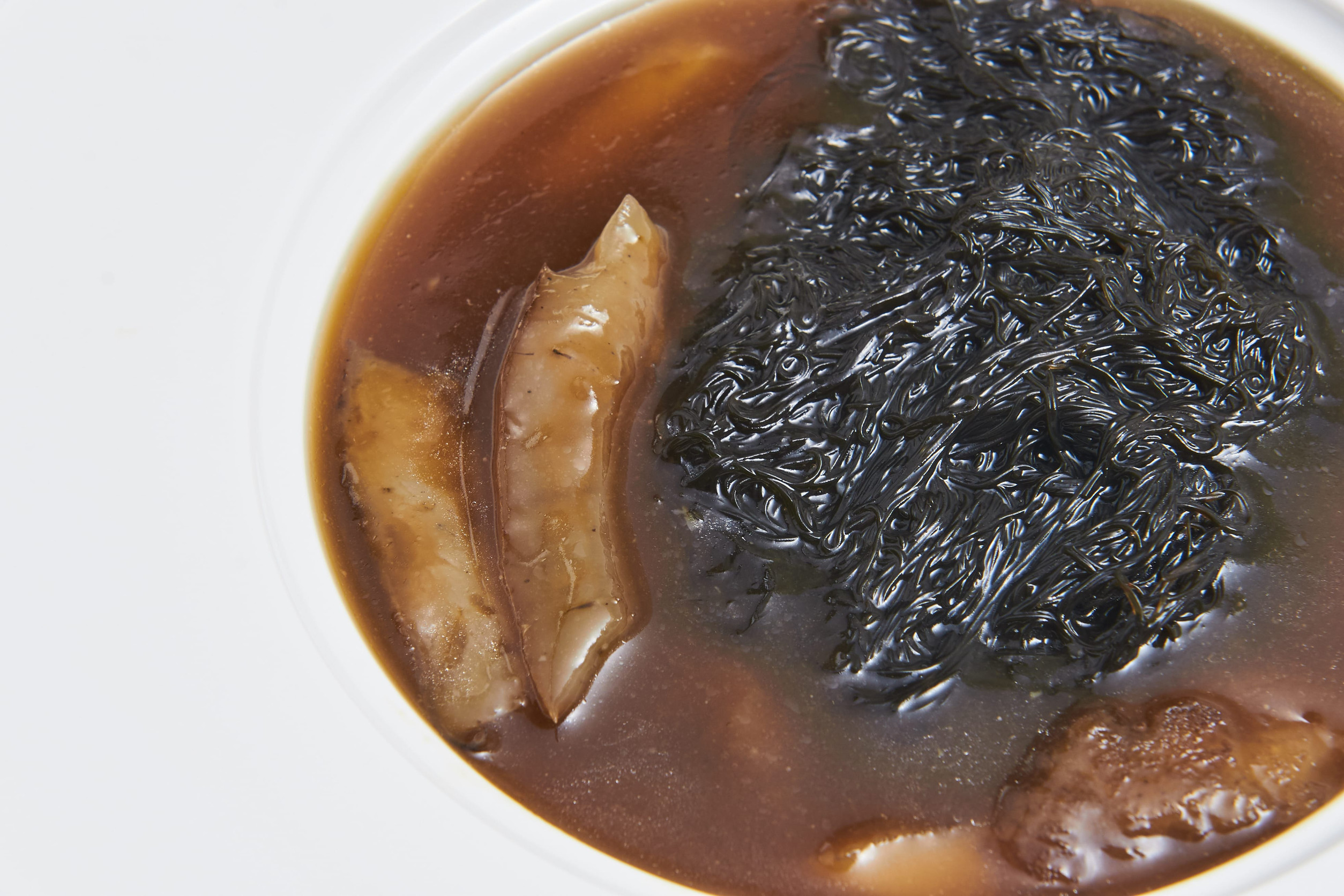
Shark fin soup carries a deep cultural history in some communities, but it has also become a major target for conservation laws. Several states have banned or restricted the sale, trade, possession, or distribution of shark fins due to concerns about shark finning and declining shark populations.
This is one of those food laws that sound strange until the environmental story comes into play. The dish is not just a dish anymore. It becomes a symbol of animal cruelty, marine ecology, tradition, and changing public values. For readers, that creates a fascinating conflict. A bowl of soup can suddenly drag the ocean, lawmakers, chefs, and cultural identity into the same room.
Key takeaway
Weird food laws are not always as silly as they sound. Some come from food safety. Some come from animal welfare. Some come from old industry battles. Some come from cultural discomfort. And some are not real laws at all, just legends that keep spreading because they are too funny to ignore.
That is what makes the topic so interesting. Food feels personal, but the law makes it public. A sandwich, a candy egg, a stick of margarine, a glass of milk, or a bowl of soup can turn into a fight over health, money, tradition, ethics, and identity. America does not just eat food. It argues with it.