Subway’s Slide: Over 700 Locations Shut in 2025, Raising Red Flags for the Chain
Subway, once the ubiquitous king of quick-service sandwiches, is facing a stark reality: more than 700 of its U.S. stores closed in 2025. From bustling suburban corners to highway strip malls, locations that once promised fast, customizable sandwiches are now shuttered, leaving empty storefronts and a growing sense of uncertainty around the brand. For loyal customers, the closures signal more than just the loss of lunch options; they raise questions about Subway’s long-term viability in a crowded fast-food market.
Once hailed as a flexible franchise model, Subway expanded aggressively over the past few decades. At its peak, the chain boasted more than 25,000 locations in the U.S. alone, promising entrepreneurs a slice of the American dream. But rapid growth brought growing pains: inconsistent quality, franchisee dissatisfaction, and outdated marketing strategies have all contributed to the slowdown. The closures now reflect a reckoning that has been brewing for years, as the chain struggles to compete with newer, trendier fast-casual concepts.
Here are ten factors contributing to Subway’s recent downturn and why the closures may not be a temporary hiccup.
Franchisee Frustration Reaches a Boiling Point

Subway’s franchise model was long considered one of the easiest to join. Yet reports from owners indicate rising costs, declining foot traffic, and restrictive corporate mandates have made the business far less attractive.
Many franchisees reportedly struggled with rising rents, labor costs, and the inability to adapt their menus locally, prompting them to close locations rather than continue losing money.
Menu Fatigue and Lack of Innovation

Subway’s classic offerings, footlong sandwiches and customizable subs, once defined convenience dining. However, competitors have innovated with bold flavors, plant-based options, and specialty sandwiches that resonate with younger customers.
Subway’s slow menu evolution has left many consumers bored, reducing repeat visits and making closures inevitable in underperforming markets.
Marketing Missteps Cost Visibility
In the era of TikTok and Instagram, quick-service brands thrive on social media virality and influencer campaigns.
Subway’s marketing has lagged behind, relying heavily on nostalgic campaigns or celebrity endorsements that fail to connect with younger audiences. As foot traffic wanes, fewer people are aware of promotions or new menu items, directly impacting sales at locations now facing closure.
Health Trend Shifts Hit Sales

Subway once positioned itself as the healthier alternative to traditional fast food, promoting low-calorie sandwiches and fresh vegetables.
However, health-conscious consumers now have an array of options, including bowl-based chains, plant-forward menus, and customizable smoothie bars. The “fresh” promise is no longer unique, and locations that don’t adapt to evolving preferences are seeing revenue decline.
Competition Intensifies
From Panera to Chipotle, chains emphasizing quality ingredients, speed, and customization have captured market share once dominated by Subway. Dollar-menu giants like McDonald’s and Burger King also introduced healthier options, eroding the chains’ perceived edge.
In dense urban areas, the increased competition makes underperforming Subway locations easy candidates for closure.
Aging Store Infrastructure
Many Subway locations operate in spaces that haven’t been renovated for years. Aging interiors, outdated equipment, and inconsistent cleanliness reports can deter new customers.
Without significant investment in upgrades, older stores struggle to maintain appeal, leading franchisees to shutter units rather than pour money into renovations.
Staff Retention Challenges
Like many fast-food chains, Subway has faced labor shortages, particularly in entry-level positions. High turnover affects service speed and quality, key factors for a quick-service brand.
Locations unable to retain trained staff often see sales decline, compounding the pressure to close underperforming stores.
Real Estate Pressures
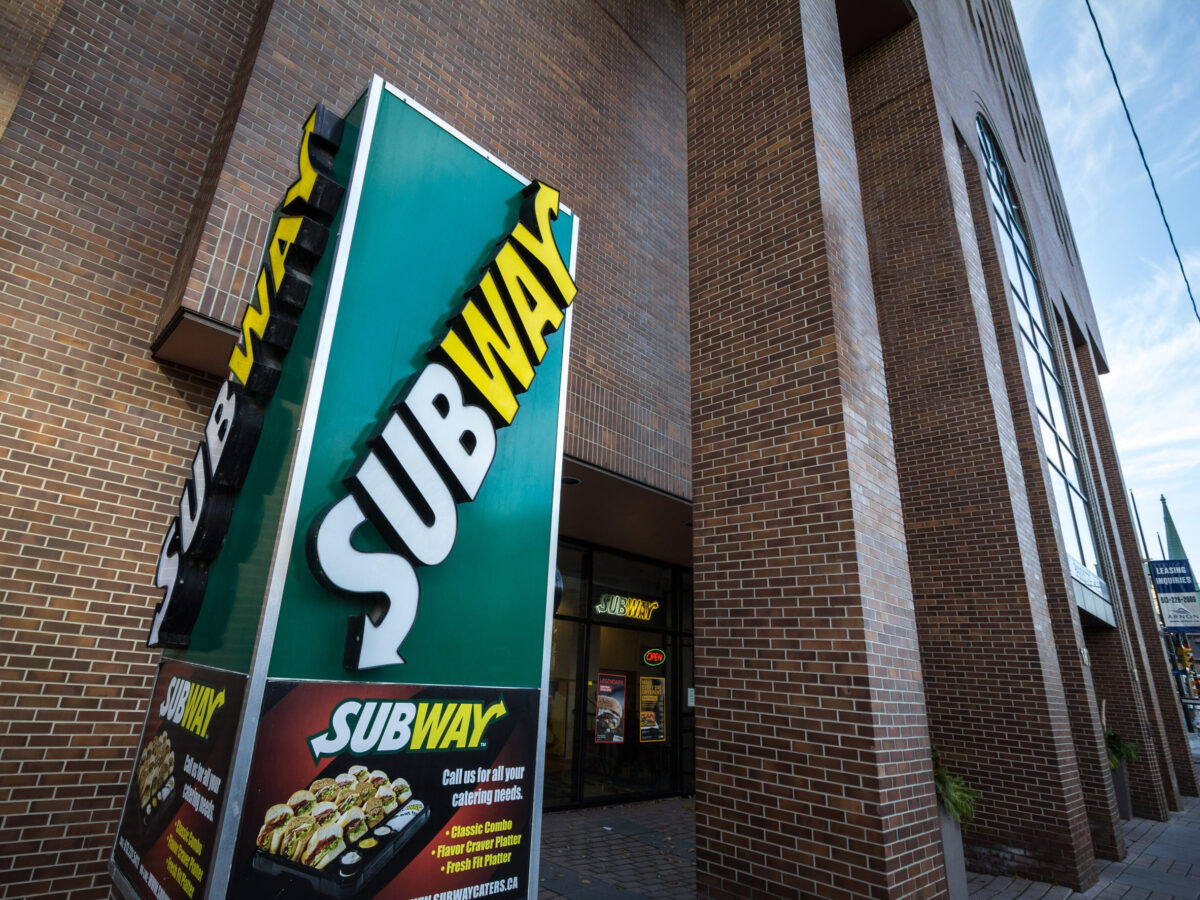
Subway’s original model depended on affordable, high-traffic locations.
Rising rents and increased competition for prime spaces have squeezed margins, making smaller or suburban stores less sustainable. Franchisees caught between high operating costs and stagnant revenue often opt to close rather than struggle.
Changing Consumer Habits
Digital ordering, delivery apps, and off-premise dining have transformed the restaurant landscape.
Chains that quickly adapted to mobile ordering and delivery partnerships thrived, while some Subway locations lagged in integration. Stores without seamless app-based ordering or delivery capabilities may see foot traffic plummet, contributing to closures.
Public Perception and Brand Identity Issues
Subway’s brand identity, once tied to health and customization, has blurred over time. Missteps in advertising, celebrity endorsements gone wrong, and a lack of consistent innovation have diluted the chain’s image. Customers now perceive it as an “average” option rather than a standout choice, making it vulnerable in a saturated market.
The closure of over 700 stores in a single year serves as a wake-up call for Subway’s corporate strategy. It reflects not only a shift in consumer habits but also structural weaknesses in its franchise model. The chain’s trajectory now hinges on its ability to innovate, modernize, and re-engage a customer base with high expectations for speed, convenience, and flavor.
Subway’s leadership has acknowledged the closures, framing them as a “strategic recalibration” rather than a crisis. However, experts warn that without a clear vision for adapting to contemporary dining trends and investing in franchise support, more stores may follow. In the meantime, customers and franchisees alike are watching closely to see if Subway can regain relevance in an increasingly competitive industry.
The Subway story is a reminder that even established brands are not immune to market forces. Consumer tastes evolve, operational challenges mount, and competitors never rest. For Subway, the path forward requires more than nostalgia; it demands bold innovation, digital integration, and a renewed focus on franchisee support. Whether the chain can reinvent itself remains to be seen, but the shuttered storefronts across the nation stand as silent testimony to a brand at a crossroads.