10 Foods You Should Stop Reheating in the Microwave Before They Turn Awful
Some leftovers deserve a second chance, but the microwave does not always give them one. It can turn crispy fries into limp sadness, steak into chewy cardboard, and seafood into a smell that refuses to leave the kitchen.
The problem is not that microwaves are useless, because they are perfect for many quick meals, soups, and sauces. The real problem is that some foods need slower heat, dry air, added moisture, or careful warming to stay safe and enjoyable. Before you press start on that plate of leftovers, these are the foods that often come out worse than they went in.
Rice Can Turn Dry, Clumpy, and Risky

Rice looks simple, but it can be one of the trickiest leftovers to reheat. The microwave often dries out the edges while leaving the middle unevenly warm, which gives the whole bowl a hard, clumpy texture.
Even worse, cooked rice needs proper storage because leaving it out too long can make it unsafe to eat later. A splash of water helps, but it does not fix rice that has already been handled badly. The better move is to steam it gently in a covered pot with a little water until the grains soften again.
Pizza Loses Its Crispy Crust
Microwaving pizza is the fastest way to turn a good slice into a floppy disappointment. The cheese may melt, but the crust usually becomes soft, damp, and chewy because the microwave traps steam inside the bread.
That is why the slice bends in your hand instead of giving you that crisp bite people actually want from leftover pizza. A skillet, toaster oven, or regular oven does a much better job. Low, steady heat warms the cheese while giving the crust a second shot at crunch.
Steak Becomes Dry and Chewy
Steak needs gentle heat, not a microwave blast. When reheated too quickly, the meat tightens, loses moisture, and turns from tender to tough in seconds. A steak that was juicy yesterday can become gray, rubbery, and disappointing after one careless round in the microwave.
The best method is to warm it slowly in the oven or slice it and heat it in a pan with a small amount of broth or butter. That keeps more flavor in the meat instead of squeezing it out.
Chicken Breast Turns Tough Fast
Chicken breast is already lean, which means it dries out more easily than fattier cuts of meat. The microwave often makes that problem worse by heating unevenly and pushing moisture out of the chicken.
The result is a dry, stringy bite that makes even a good meal feel tired. If the chicken has sauce, it may survive better, but plain breast meat usually needs extra care. Reheat it in a covered pan or oven dish with a splash of broth, water, or sauce to keep it tender.
French Fries Become Limp and Sad
French fries are supposed to be crisp on the outside and soft inside, but the microwave ruins that balance almost every time. Instead of reviving the crunch, it steams the fries and leaves them limp, soggy, and strangely chewy.
Even fries from a great restaurant can taste like a mistake after a short microwave session. An air fryer is the best rescue tool because it brings back dry heat and crisp edges. A hot oven or skillet can also help if the fries are spread out in a single layer.
Eggs Can Turn Rubbery or Burst

Eggs do not respond well to rough reheating. Scrambled eggs can become rubbery, fried eggs can turn stiff, and whole boiled eggs can build pressure inside if microwaved. That can lead to popping, mess, and a texture nobody wants at breakfast.
Even when eggs do not burst, they often lose their soft, rich feel. Warm scrambled or fried eggs gently in a pan, and use hot water instead of a microwave for boiled eggs.
Seafood Dries Out and Leaves a Strong Smell
Seafood is one of the most unforgiving foods to reheat in the microwave. Fish can become dry and crumbly, shrimp can turn rubbery, and shellfish can lose their sweet, delicate texture.
The smell is another problem because microwave heat can push seafood odors into the air and leave them hanging around for hours. That quick lunch can turn into a kitchen problem. Warm seafood slowly in a low oven or pan with a little butter, sauce, or broth.
Bread Becomes Chewy, Then Hard
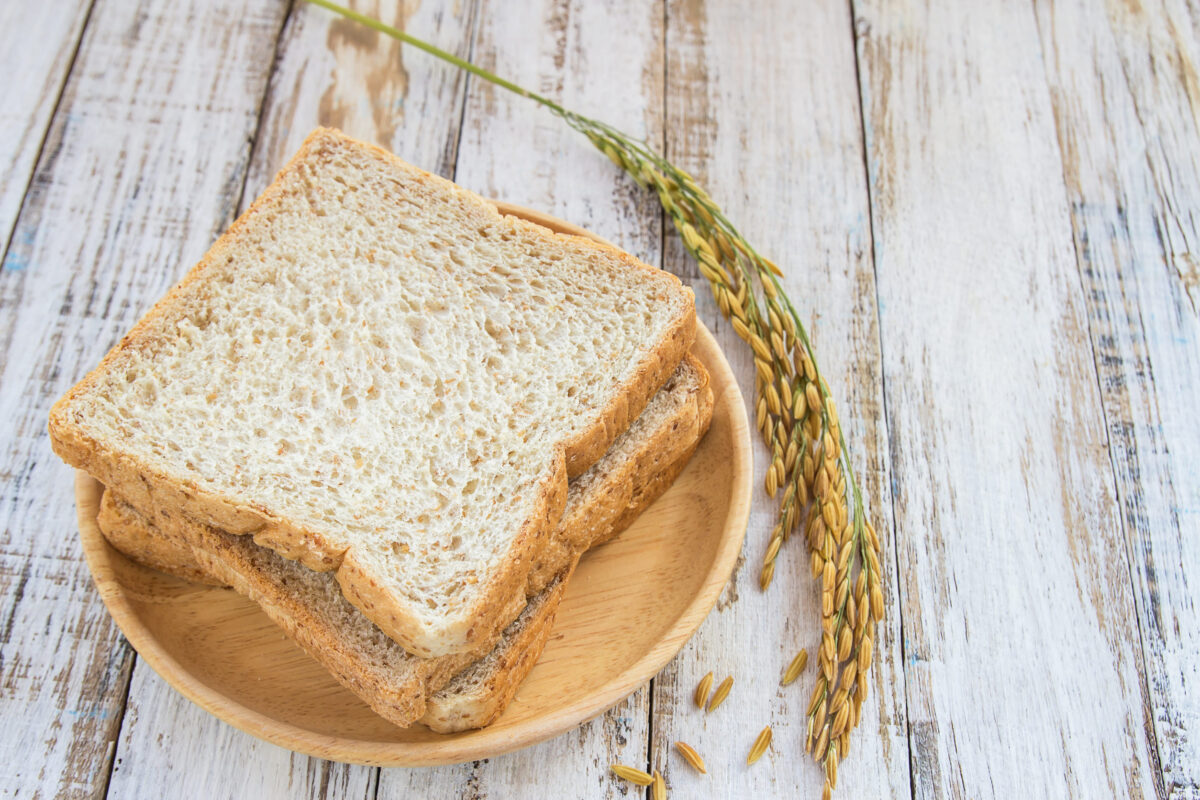
Bread may come out of the microwave warm, but the good texture rarely lasts. Rolls, croissants, biscuits, and baguettes can become chewy first, then hard as they cool. That happens because the microwave moves moisture through the bread too quickly.
A soft roll can suddenly taste stale, and a flaky croissant can collapse into a greasy, heavy bite. Wrap bread in foil and warm it in the oven, or use a toaster oven for slices and smaller pieces.
Breast Milk Should Never Go in the Microwave
Breast milk should not be reheated like ordinary leftovers. The microwave can create uneven hot spots, which may burn a baby’s mouth even if the bottle feels safe on the outside. It can also affect the quality of the milk, making gentle warming the better choice.
Place the sealed bottle or milk container in a bowl of warm water, then swirl it carefully before feeding. Always test a few drops on the wrist so the milk feels warm, not hot.
Pasta Can Heat Unevenly and Dry Out

Pasta looks like an easy microwave meal, but it often heats badly. Some parts become scorching hot, other parts stay cold, and the edges can dry into hard little pieces. Creamy sauces may separate, tomato sauces may splatter everywhere, and baked pasta can turn rubbery before the center warms.
A skillet gives you more control because you can stir, add liquid, and warm everything evenly. Use a little sauce, water, milk, or broth to bring the pasta back to life.
Conclusion
The microwave is useful, but it is not the hero of every leftover story. Some foods need dry heat to stay crispy, some need slow moisture to stay tender, and some need extra safety care before they can be served again.
Pizza, fries, steak, rice, eggs, seafood, bread, pasta, chicken, and breast milk all prove that faster does not always mean better. The oven, stovetop, toaster oven, air fryer, and warm water method can save texture, flavor, and peace of mind. Leftovers should feel like a bonus meal, not a punishment from yesterday’s dinner.