Idris Elba reflects on the debate over his name being linked to James Bond
Speculation about Idris Elba taking over the iconic role of James Bond has been swirling since Daniel Craig stepped away in 2021. Elba, widely acclaimed for his commanding presence on screen, has repeatedly expressed both interest in and skepticism about portraying 007.
While fans envision a new era of diversity for the franchise, Elba has highlighted the challenges of audience acceptance, noting that some viewers might struggle with a Black actor taking on a role long associated with white actors. His comments have reignited conversations about race, tradition, and the evolution of the spy genre in cinema.
Elba’s perspective underscores a broader reality: the legacy of James Bond is deeply intertwined with cultural expectations. Casting a Black male in this historically iconic role challenges traditional assumptions and forces the franchise to navigate complex audience biases.
Audience Perception and Franchise Legacy
The James Bond franchise, spanning six decades, has cultivated a very specific brand identity. Each actor who has donned the tuxedo brought a combination of charm, suavity, and lethal competence that fans have come to expect.
Changing Bond’s racial or cultural background introduces a tension between honoring that legacy and evolving to meet contemporary expectations for inclusivity. Elba has acknowledged this tension, noting that while he could physically embody the character, audience reception may vary widely.
Shifting audience perception involves more than just the actor; it includes marketing, narrative choices, and the broader cultural landscape. For some viewers, seeing a Black actor as Bond could challenge long-standing visual and thematic expectations, while for others, it represents overdue progress in Hollywood representation.
Representation in Action
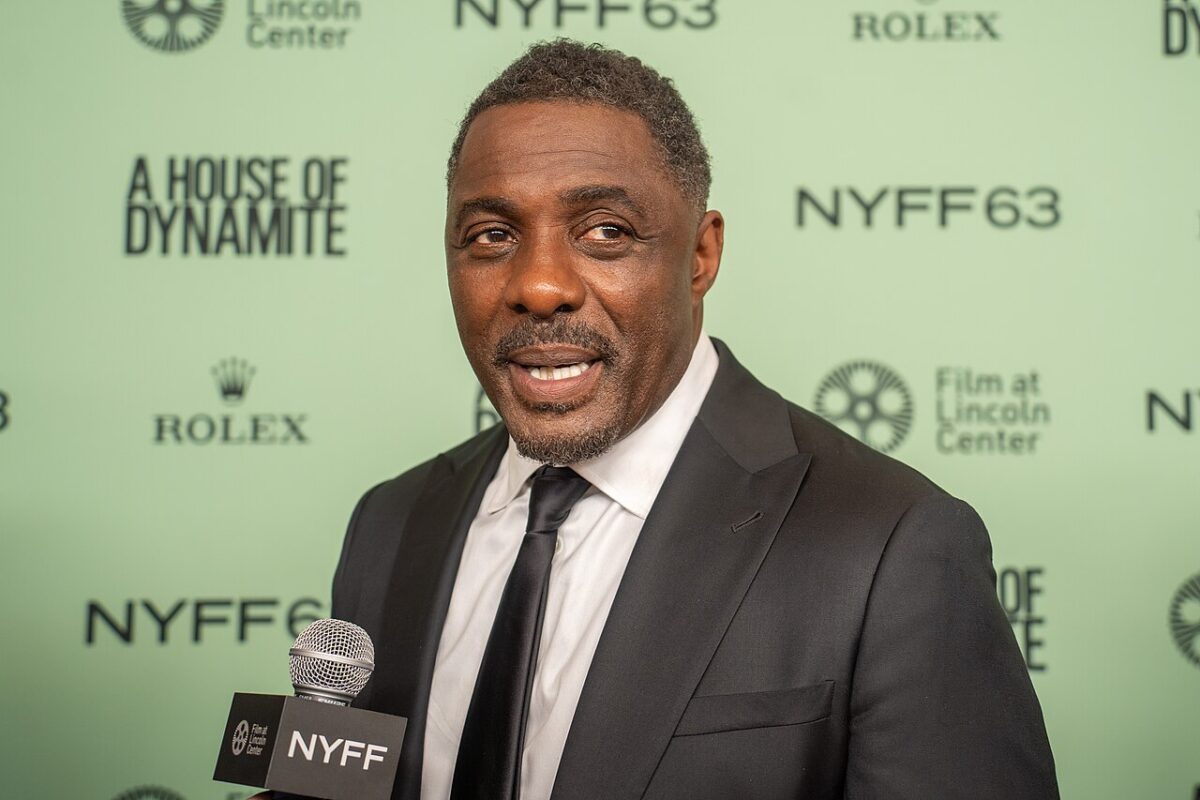
Bryan Berlin, CC BY-SA 4.0, via Wikimedia Commons
Casting Idris Elba as James Bond would mark a significant milestone in representation, signaling that high-profile, traditionally white-dominated roles are accessible to actors of color. Elba has consistently advocated for diversity in major franchises, citing the importance of creating aspirational and visible role models.
The conversation around a Black James Bond intersects with ongoing discussions in Hollywood about equity, opportunity, and inclusivity in blockbuster films.
Representation is more than symbolic; it impacts how audiences of all backgrounds relate to storytelling. Introducing a Black Bond could attract new fan demographics and expand the franchise’s global cultural resonance. Yet, the shift requires narrative finesse—writers and directors must craft a story that respects the character’s essence while embracing the richness of new perspectives.
Cultural Hesitation and the “Bond Brand”
One of Elba’s central points is realism within the lens of audience expectations. He acknowledges that, historically, viewers have certain entrenched ideas about Bond’s appearance, demeanor, and social identity. While cinema evolves, certain franchises carry the weight of long-standing norms, and deviation can provoke vocal reactions. This hesitancy reflects cultural inertia rather than a judgment of Elba’s ability.
The challenge for the studio lies in bridging tradition with innovation. Strategic storytelling, casting, and marketing can redefine the cultural narrative of Bond without alienating core fans. Engaging audiences with compelling reasons for a fresh interpretation helps normalize change while retaining the franchise’s distinctive allure.
The Global Impact of Casting Diversity
Introducing a Black Bond has implications beyond Hollywood. The 007 franchise enjoys international reach, influencing fashion, popular culture, and even perceptions of British identity. Casting decisions resonate across continents, potentially shaping discourse on race, inclusivity, and global representation.
Elba’s consideration of audience acceptance demonstrates awareness that franchise decisions extend far beyond the silver screen. Global audiences may respond differently based on local cultural norms, historical contexts, and prior exposure to diversity in media.
A thoughtfully executed casting choice can elevate James Bond from a culturally static icon to a globally relevant, progressive symbol that reflects contemporary societal values without losing the franchise’s essence.
Legacy, Innovation, and the Future of Bond

The ongoing debate over Idris Elba as Bond illustrates a broader tension between legacy and innovation. Maintaining the franchise’s historical tone while embracing diversity requires deliberate storytelling, nuanced character development, and careful audience engagement. The next iteration of 007 could either reinforce tradition or redefine it for a new era of cinema.
Elba’s cautious optimism underscores his understanding of both the opportunity and responsibility inherent in the role. A Black James Bond would be a landmark moment, demonstrating that legacy franchises can evolve responsibly while maintaining narrative integrity. The decision has the potential to influence casting trends, franchise reinventions, and broader conversations about representation in blockbuster cinema.