10 Modern Purchases Boomers Still Think Are a Complete Waste of Money
Every generation has its own spending habits, but boomers may be the least impressed by today’s shopping culture. They grew up with products that were expected to last, appliances that did one job well, and household items that did not need an app, subscription, charger, or software update. So when a new gadget arrives promising to “change everything,” many boomers do not reach for their wallets. They raise an eyebrow.
That does not mean boomers hate convenience. It means they often judge purchases through a different lens. If something costs more, breaks faster, takes up space, collects data, or replaces a perfectly good habit, many of them see it as waste dressed up as innovation. These are the modern purchases many boomers still refuse to buy, and honestly, some of their doubts make more sense than younger shoppers may want to admit.
Wi-Fi Fridges That Make Cold Storage Feel Complicated

Smart refrigerators sound impressive until the excitement fades and the repair bill enters the room. Many boomers see a fridge as a simple household workhorse. It should keep food cold, make ice, run quietly, and last for years without needing Wi-Fi, touchscreens, alerts, or digital grocery lists. To them, adding internet features to a refrigerator feels less like progress and more like asking for future headaches.
The concern is not only about cost. Smart appliances can be expensive to fix, harder to troubleshoot, and more dependent on technology than older models. Boomers who remember appliances lasting for decades often dislike the idea of replacing a fridge because a screen stops working or a software feature becomes outdated. A basic refrigerator may not feel futuristic, but it feels dependable, and that matters more.
Monthly Mystery Boxes That Quietly Drain the Budget
Subscription boxes can look fun online, but many boomers see them as clutter arriving on a schedule. A mystery box of skincare, snacks, coffee, candles, pet toys, or hobby items may feel exciting to younger shoppers, yet boomers often prefer choosing exactly what they need. Paying every month for surprise products can feel like a clever way to spend money without thinking.
There is also the waste factor. Many subscription boxes come with extra packaging, filler paper, tiny samples, and products that may never get used. Boomers who were raised to avoid waste may see that as unnecessary. They would rather walk into a store, compare prices, pick what they actually want, and leave without another recurring charge hiding on a card statement.
Trendy Clothes That Fall Apart Too Fast
Fast fashion runs on speed, trends, and constant replacement, which is exactly why many boomers avoid it. They often prefer clothing that feels sturdy, fits well, and can survive more than a few washes. A cheap shirt that loses shape quickly does not feel like a bargain to someone who grew up expecting clothes to last.
Many boomers are also less interested in chasing every microtrend. They may buy fewer clothes, but they often choose classic pieces that can stay in the closet for years. To younger shoppers, that may sound boring. To boomers, it sounds practical. One well-made coat, pair of shoes, or dress shirt can feel smarter than five trendy items that fall apart before next season.
Countertop Cooking Gadgets That Promise Too Much
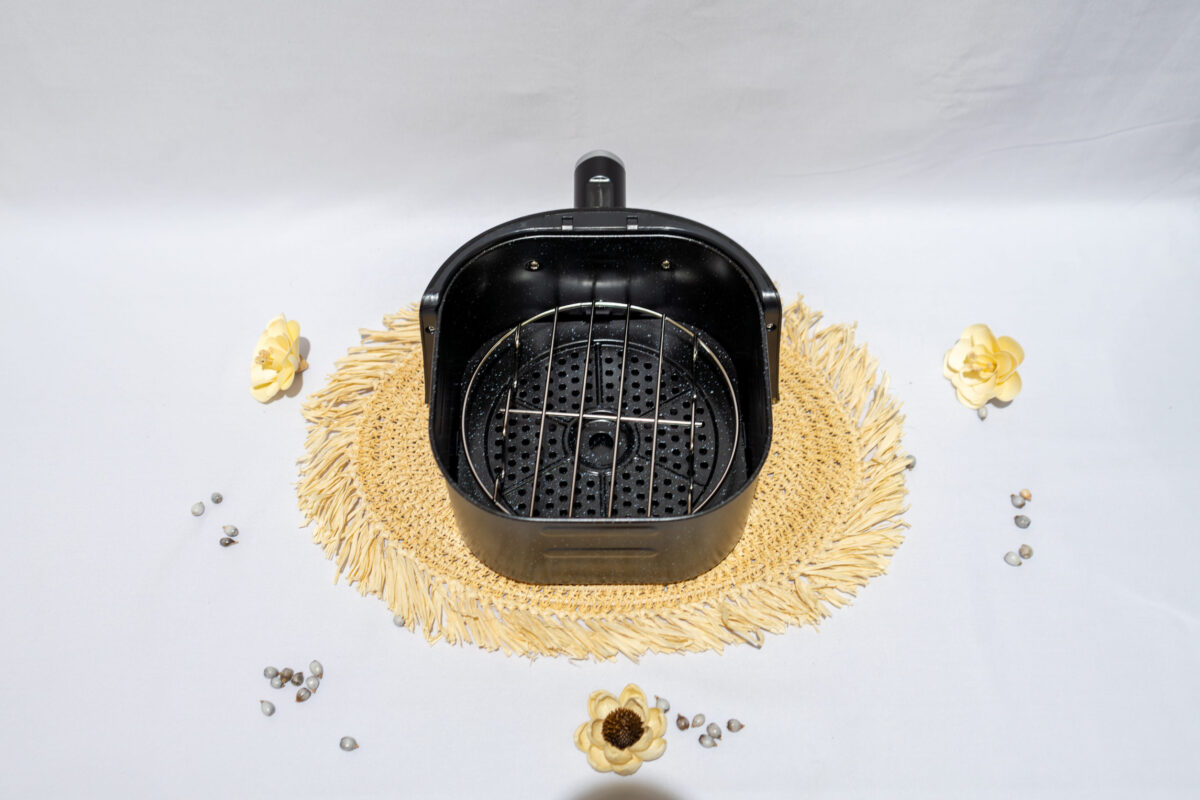
Air fryers have loyal fans, but many boomers still view them as another bulky appliance fighting for counter space. They already know how to roast, bake, fry, sauté, and reheat food using tools they understand. So when a new kitchen gadget promises crispy results with less effort, some boomers simply wonder why the oven suddenly became the enemy.
The deeper issue is gadget fatigue. Modern kitchens are full of devices that promise to save time but often create more washing, storing, and learning. Boomers may prefer a good skillet, slow cooker, oven, and knife set over a rotating collection of trendy machines. If the old method still works, they see no urgent reason to replace it with something louder, larger, and more expensive.
Pre-Portioned Dinner Kits That Cost More Than Groceries
Meal kits are built for convenience, but many boomers see them as overpriced groceries in a fancy box. They learned to plan meals, shop for ingredients, and cook without recipe cards arriving at the doorstep. Paying extra for pre-portioned carrots, spice packets, and tiny sauce containers may feel unnecessary when the grocery store already sells the same food for less.
Packaging also bothers many practical shoppers. Insulated liners, ice packs, plastic packets, and cardboard boxes can make one dinner feel wasteful before the cooking even starts. Boomers who know how to stretch ingredients across several meals may see meal kits as too limited. For them, cooking is not a subscription. It is a life skill.
Tiny Cleaning Robots That Still Need Babysitting
Robot vacuums sound helpful, but many boomers remain unconvinced that they clean as well as a regular vacuum. Watching a small machine bump into furniture, miss corners, get stuck under chairs, or require an app can make the whole thing seem more annoying than useful. A traditional vacuum may take effort, but at least the person using it knows where the dirt is.
There is also the control factor. Boomers often trust tools they can operate directly. A regular vacuum does not need mapping, charging, sensors, updates, or troubleshooting. It plugs in, turns on, and gets the job done. Robot vacuums may be convenient for some homes, but many boomers would rather finish the cleaning themselves than babysit a machine that claims to be doing it for them.
Voice-Controlled Home Devices That Feel Too Nosy
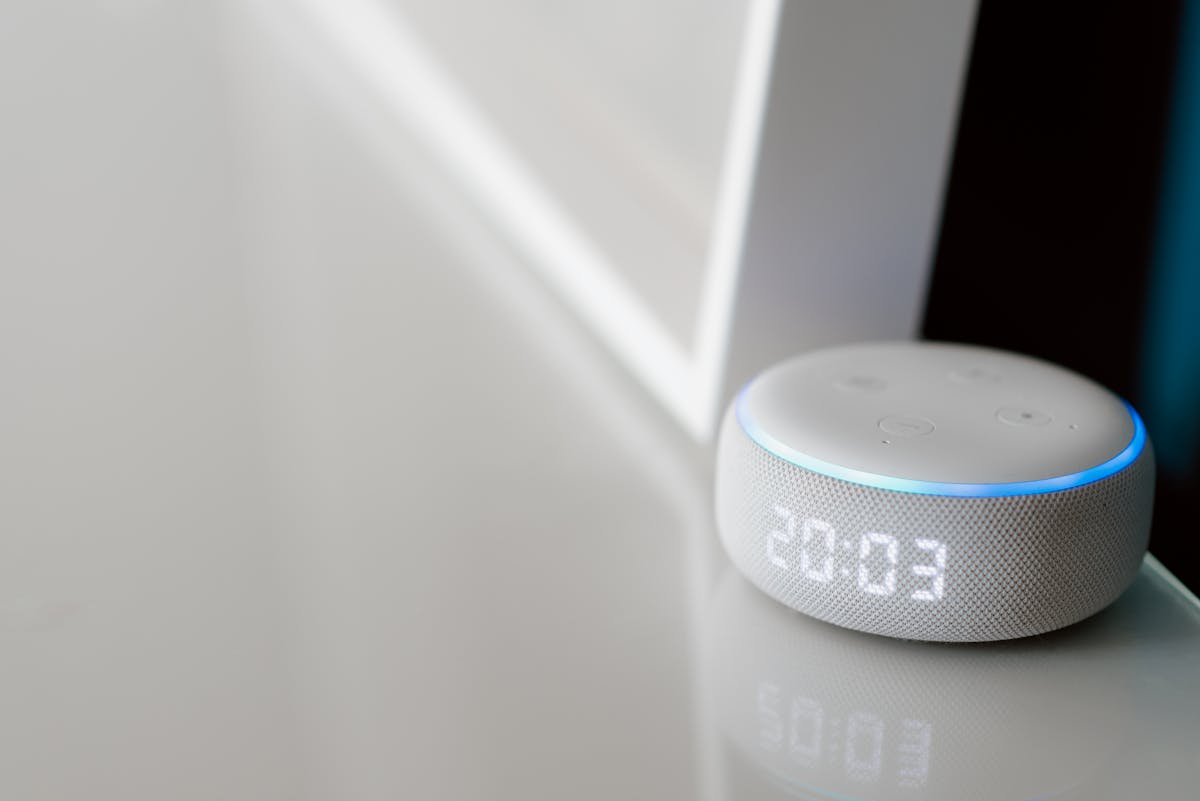
Smart speakers and voice assistants can play music, answer questions, set timers, control lights, and order products. Many boomers still do not want one listening from the kitchen counter. For them, the idea of talking to a device inside the home feels strange, especially when traditional switches, radios, phones, and remote controls already work.
Privacy concerns make the hesitation stronger. Boomers tend to be more cautious about products that collect information or connect household habits to large tech companies. They may not mind technology, but they often want clear boundaries. If turning on a lamp requires a microphone, an account, and an app, many would rather use the switch on the wall.
Streaming Plans That Recreated the Cable Bill
Streaming was supposed to make entertainment simpler, but many boomers think it has become cable with extra passwords. One service has the drama they like, another has the sports package, another has old movies, and another has the new show everyone is talking about. Before long, the monthly bill starts looking very familiar.
Many boomers miss the ease of turning on the television and flipping through channels. They do not want to manage multiple apps, remember logins, track free trials, or figure out which platform stole their favorite show this month. Streaming may offer more choice, but too much choice can feel like work. For many boomers, simple television still has a strong appeal.
Pricey Water Bottles Turned Into Status Symbols
Reusable water bottles make sense. Expensive, collectible, color-coded designer bottles are where many boomers draw the line. They grew up using thermoses, cups, canteens, and basic bottles without turning hydration into a personality statement. Spending serious money on a bottle that mainly holds water can feel ridiculous.
The trend cycle makes it even harder to understand. One year, it is one brand, the next year, another bottle becomes the must-have item. Some shoppers collect several colors, sizes, and limited editions, while boomers wonder what happened to using the bottle already in the cabinet. For them, a water bottle should be durable, washable, and leak-free. It does not need a fan base.
Virtual Reality Headsets That Replace Real-Life Fun

Virtual reality has its audience, but many boomers do not see the appeal of strapping a screen to their face. The headset can feel bulky, expensive, isolating, and unnecessary. If they want entertainment, they may prefer television, travel, gardening, reading, walking, family visits, or real-world hobbies that do not require stepping into a digital universe.
Some also worry that virtual experiences replace too much of ordinary life. They understand technology as a tool, but they may resist technology that tries to become the whole room. A VR headset promises escape, immersion, and novelty. Many boomers hear that pitch and decide they would rather stay present in the world they already know.
Conclusion
Boomers are not rejecting every modern product out of stubbornness. Many are rejecting purchases that feel overcomplicated, overpriced, wasteful, or unnecessary. Their shopping habits often come from a simple belief: if something already works, it does not need to be upgraded just because a newer version exists.
That mindset may sound old-fashioned, but it carries a lesson for everyone. Smart spending is not about buying every trend that shows up online. It is about knowing what actually improves daily life and what only adds clutter, fees, repairs, passwords, and regret. In a world that keeps selling convenience, boomers may be reminding everyone that sometimes the smartest purchase is the one we refuse to make.