10 Blunt Things Americans Quietly Think About Canada
Canada often sits in America’s imagination like the quiet neighbor with cleaner shoes, colder mornings, and better manners. Americans joke about maple syrup, snow, hockey, and the word sorry, but the real opinions go deeper than friendly teasing. Many see Canada as peaceful, beautiful, and safer, yet they also find it expensive, oddly reserved, and hard to fully understand. That mix of admiration and suspicion is what makes the relationship so interesting.
Canada Looks Peaceful, But Americans Think It May Be Too Quiet

Americans often admire Canada for looking calmer, cleaner, and less dramatic than the United States, but that peaceful image can also feel strangely dull from the outside. Some see the country as a place where people follow rules, lower their voices, and keep public life polished, even when frustration is boiling beneath the surface.
The charm is real, yet the quiet can make Canada seem overly controlled, like a beautiful neighborhood where everyone smiles but nobody says the messy part out loud. That calm can feel refreshing to tired Americans, but it can also look like a country holding its breath. That silence carries weight.
The Politeness Can Feel Sweet And Suspicious
Canadian politeness is one of the first things Americans mention, and it usually comes across as praise. The constant sorry, soft tone, and public courtesy make Canada seem kinder than America’s louder social rhythm. Still, some Americans quietly wonder if that politeness hides passive aggression, buried annoyance, or a fear of direct conflict.
What begins as admiration can turn into curiosity about what Canadians really think once the friendly mask comes off. The manners are charming, but they can also make Americans wonder where the honest argument goes when everyone keeps smiling. That doubt gives it an edge.
The Weather Sounds Like A Survival Test

Many Americans picture Canada through an ice-covered windshield, a driveway buried in snow, and a winter coat that feels more like armor than fashion. The country’s cold reputation makes it seem tough, dramatic, and slightly exhausting to people used to milder states. Even Americans who love Canadian scenery often admit the weather sounds brutal.
Canada may look magical in photos, but the thought of months of freezing mornings can make that beauty feel expensive. It sounds romantic for a weekend and punishing as a daily routine, especially for anyone who hates winter. For many, the snow feels like a warning.
The Healthcare Envy Comes With Doubt
Americans often look at Canada’s healthcare system with real envy, especially when they compare it with medical bills, insurance fights, and fear of surprise costs at home. To many, Canada represents the dream of getting care without financial panic waiting at the door.
Yet the admiration is mixed with doubt, as Americans also hear stories of long waits and strained services. That makes Canada look both wiser and imperfect, which keeps the debate alive. The system becomes a symbol of relief, even for people who still question its speed, pressure, and limits. That mixed reaction makes the comparison sharper.
Canadian Cities Look Gorgeous Until Prices Enter The Room
Toronto, Vancouver, Montreal, and Calgary can look dazzling to Americans who see skyline photos, food scenes, diverse neighborhoods, and easy access to nature. Canada’s cities often feel modern without looking as chaotic as America’s biggest metros. Then housing prices, rent pressure, and cost of living enter the conversation.
Suddenly, the dream feels heavier. Americans may admire the views, but they also wonder how ordinary people afford the postcard life. The beauty sells the fantasy, but the bills drag it back to earth, making admiration feel anxious. That tension keeps the praise from becoming pure fantasy.
Americans Think Canada Judges Them From Across The Border
One uncomfortable opinion that Americans rarely say out loud is that Canada sometimes feels like a neighbor quietly judging the whole house. Many Americans believe Canadians see them as loud, reckless, political, and addicted to drama. That feeling can sting, even when it comes from friendly teasing.
The two countries share so much culture that the criticism feels personal. Canada may smile politely, but Americans often suspect an eye roll is hiding behind the maple leaf. That suspicion turns neighborly closeness into a small rivalry built from affection and defensiveness. The imagined judgment still lingers.
The Accent And Slang Make Canada Feel Familiar But Odd
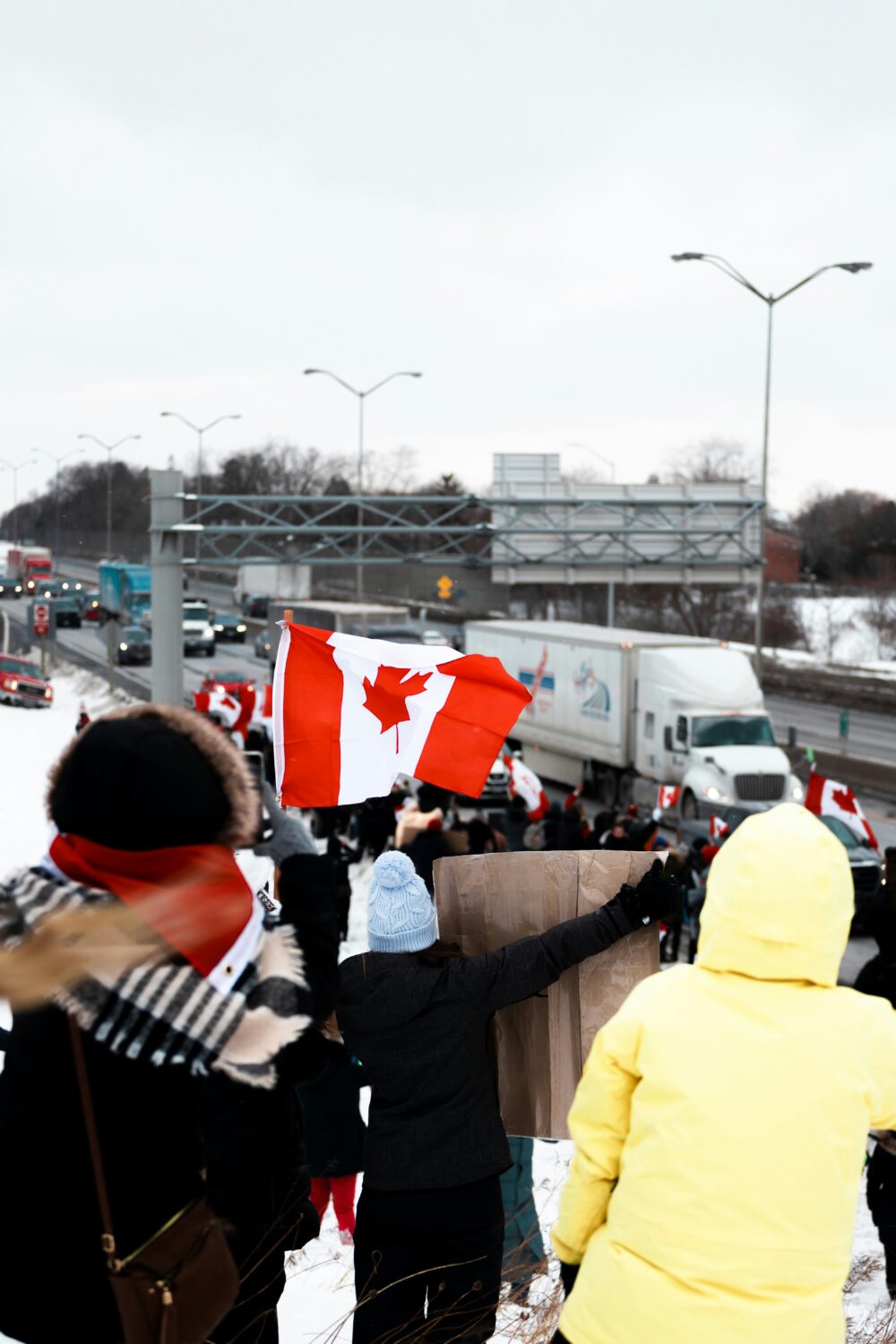
Americans often laugh at Canadian slang, accents, and tiny word choices because they make the country feel close but not quite the same. Words like washroom, toque, and the famous sorry become cultural shortcuts, even when the jokes are lazy. The fascination comes from the strange comfort of recognition.
Canada sounds familiar enough to understand, yet different enough to notice. That small gap keeps Americans amused, confused, and oddly charmed. It is not so much a cruel mockery as proof that tiny cultural differences can feel surprisingly loud. Those tiny differences make the border feel closer and stranger at once.
Canada’s Natural Beauty Makes America Look Overcrowded
Canada’s mountains, lakes, forests, coastlines, and wide open spaces make many Americans feel a little jealous. The country carries an image of clean air, blue water, quiet roads, and nature that still has the upper hand.
For Americans surrounded by traffic, crowded suburbs, and endless development, Canada can look like a place where the land still breathes. That beauty is powerful, but it also makes the country seem remote, lonely, and intimidating. The same wilderness that feels peaceful in photos can feel too vast to handle in real life. The dream is gorgeous, but it does not always feel easy.
Americans Respect Canada But Often Know Too Little About It
Many Americans like Canada more than they understand it. They know Toronto, hockey, snow, maple syrup, and maybe a few celebrities, but they often miss the deeper picture of provinces, languages, Indigenous communities, regional politics, and cultural tension. That shallow knowledge creates awkward confidence.
Americans may speak of Canada as if it were simple, yet the country is far more layered than the friendly-neighbor stereotype allows. Respect is there, but it sometimes rests on a thin map, a few jokes, and recycled assumptions. That is why the respect can still sound strangely shallow.
Canada Feels Like America’s Safer Reflection

To many Americans, Canada feels like a mirror showing what North America might look like with less noise, fewer public meltdowns, and more social restraint. That idea can be comforting, but it can also feel irritating because it turns Canada into a point of comparison.
Americans may admire the safer image while questioning how accurate it really is. Canada becomes both neighbor and challenge, a place that makes Americans rethink their own national habits. That reflection can feel flattering one minute and uncomfortable the next, depending on the mood of the conversation. That is why admiration can turn inward.
Conclusion
Americans often view Canada with a strange blend of affection, envy, humor, and quiet suspicion. They admire its calm reputation, natural beauty, healthcare image, and safer public mood, but they also question its cost of living, cold weather, politeness, and emotional distance. That is what makes Canada such a fascinating neighbor in the American mind. It is familiar enough to joke about, different enough to misunderstand, and close enough to make Americans compare their own country with a little more honesty.