James Talarico’s Border Admission Exposes Democrats’ Biggest Political Challenge as Texas Senate Race Heats Up
James Talarico’s decision to acknowledge that Democrats “took the border for granted” under President Joe Biden has placed one of the party’s most difficult political questions back at the center of the national debate: Can Democrats rebuild trust on immigration without abandoning their core values?
The Texas Senate candidate’s remarks were notable because they came from a Democrat running in a state where border security has become one of the defining political issues of the decade.
Rather than dismissing concerns about illegal immigration or blaming voters for focusing on the issue, Talarico admitted that national Democrats failed to recognize the seriousness of the situation. He argued that the party lost touch with communities that were directly experiencing the consequences of a strained immigration system.
The statement reflects a broader political shift. Democrats across the country are increasingly confronting the reality that many voters do not view the border debate as only an immigration issue. For millions of Americans, it has become a question of government competence, public trust, economic stability, and whether elected officials are listening to the communities most affected.
For Talarico, the challenge is clear: convince Texas voters that Democrats understand what went wrong while offering a different vision for the future.
The Border Became More Than an Immigration Debate

For years, political arguments over the southern border often centered on competing philosophies.
Republicans typically emphasized enforcement, security, and reducing illegal crossings. Democrats focused more heavily on humanitarian protections, access to asylum, and the creation of legal pathways for immigrants.
But the political environment changed as migration numbers increased and local communities faced growing pressure.
The border became a symbol of something larger: whether the federal government could effectively manage a complex national challenge.
Many voters began asking practical questions:
- Could immigration agencies process cases quickly?
- Could border communities receive enough support?
- Could officials separate legitimate asylum claims from fraudulent applications?
- Could the government enforce existing immigration laws?
Those questions shaped public opinion because many Americans were less focused on political labels and more focused on whether the system appeared functional.
Talarico’s admission speaks directly to that frustration. His message suggests that Democrats made a strategic mistake by treating border concerns as a problem that could be explained away rather than one that required visible action.
James Talarico’s Admission Marks a Different Democratic Strategy
Political candidates rarely acknowledge mistakes made by their own party, especially on issues that have become central to election campaigns.
That is why Talarico’s comments attracted attention.
By admitting that Democrats failed to prioritize the border, he is attempting to separate himself from the perception that the party ignored voters’ concerns.
The strategy carries both opportunity and risk.
On one hand, acknowledging a problem can make a candidate appear more realistic and independent. Voters often respond positively when politicians recognize failures rather than defending every decision made by their party.
On the other hand, Republicans are likely to argue that Democrats cannot be trusted to manage border security because they created the conditions that led to the crisis.
Talarico is attempting to occupy a difficult middle ground.
He wants voters to believe that Democrats can support stronger border enforcement while still maintaining a more balanced approach to immigration.
That position reflects a growing argument among some Democrats: border security and humanitarian immigration policies do not have to be opposites.
Why South Texas Became a Warning Sign for Democrats
The importance of Talarico’s comments becomes clearer when looking at the political transformation happening in South Texas.
For decades, many Democratic candidates considered the region a reliable part of their electoral coalition. Hispanic voters, particularly in border communities, were viewed as a foundation of Democratic strength.
Recent elections challenged that assumption.
Many South Texas voters began showing more openness to Republican candidates, driven by a combination of factors:
- Concerns about immigration enforcement
- Rising living costs
- Economic uncertainty
- Public safety concerns
- Frustration with national political leaders
The shift was significant because it showed that cultural identity alone did not determine political loyalty.
Many voters wanted practical solutions rather than political arguments.
For Democrats, the lesson was uncomfortable: voters who historically supported the party were willing to reconsider their choices if they believed their concerns were being ignored.
Talarico’s comments appear designed to address that exact problem.
He is trying to send a message to border communities that Democrats understand their frustrations and are willing to change their approach.
The Texas Border Is an Economic Issue as Much as a Security Issue
One reason the border debate is complicated in Texas is that the region is both a security challenge and an economic engine.
The U.S.-Mexico border supports billions of dollars in trade and connects industries ranging from agriculture and manufacturing to energy and transportation.
Cities such as Laredo have built major economies around cross-border commerce, while businesses throughout Texas depend on the predictable movement of goods and workers.
That creates a difficult policy balance.
A stronger border system must prevent illegal crossings and criminal activity while allowing legitimate trade and legal migration to continue.
Many business leaders argue that a poorly functioning immigration system creates uncertainty. Employers need predictable legal pathways for workers, while communities need confidence that immigration laws are being enforced.
This is where Talarico’s approach attempts to distinguish itself.
His argument is that the United States does not have to choose between open and closed borders. Instead, he supports a system with stronger enforcement, faster legal processing, and clearer rules.
The Biden Administration’s Border Legacy Remains a Political Challenge
The debate over the border remains tied closely to the Biden administration’s record.
During Biden’s presidency, border encounters increased dramatically compared with previous years, placing pressure on federal agencies and border communities.
The administration later introduced stricter measures aimed at reducing unauthorized crossings, but critics argued those actions came too late.
That timing became politically significant.
In politics, public perception often forms before policies have time to produce results.
For many voters, the issue was not only whether officials eventually responded. It was whether leaders recognized the problem early enough.
This created a lasting trust problem for Democrats.
Even when policies changed, many voters remained skeptical because they believed their concerns had been dismissed for too long.
Talarico’s admission attempts to address that criticism directly.
His message is essentially that Democrats should have listened sooner.
The Border Became a Test of Government Competence
The deepest challenge for Democrats is not simply explaining immigration policy. It is restoring confidence in the government’s ability to solve difficult problems.
The border crisis exposed weaknesses across the immigration system.
A functioning system requires:
- Border agents with adequate resources
- Immigration courts can handle cases quickly.
- Technology to identify threats
- Enforcement focused on criminal networks.
- Legal pathways that reduce pressure on unauthorized routes
Without those pieces working together, the system becomes overwhelmed.
The result is frustration among nearly every group involved.
Border communities feel abandoned. Migrants face uncertainty. Law enforcement agencies face impossible workloads. Businesses struggle with unpredictable labor conditions.
The debate, therefore, cannot be reduced to one policy decision.
It is a question of whether government institutions can operate effectively.
Talarico’s Immigration Challenge: Security Without Losing Democratic Support
Perhaps the biggest challenge facing Talarico is maintaining support from different parts of the Democratic coalition.
Moderate voters may want stronger enforcement and clearer border controls.
Progressive voters may worry about expanding immigration restrictions.
Business leaders may want more legal migration options.
Immigrant communities may want protections and a pathway to stability.
Balancing those interests is extremely difficult.
Talarico’s argument is that Democrats can support enforcement while still supporting legal immigration and humane treatment.
However, voters will ultimately judge whether that message translates into a realistic plan.
A political statement can attract attention, but credibility comes from explaining how policies would work in practice.
A New Democratic Immigration Message May Be Emerging
Talarico’s comments may represent a larger shift in Democratic politics.
For years, the party’s immigration message focused heavily on opposing Republican proposals and defending immigrant protections.
The emerging strategy is different.
It attempts to combine:
- Stronger border management
- Faster immigration decisions
- Expanded legal pathways
- Targeted enforcement against criminals
- Economic considerations
The goal is to acknowledge voter concerns without adopting the Republican position entirely.
Whether that approach succeeds could influence Democratic campaigns far beyond Texas.
The immigration debate has changed because voters are no longer only asking what politicians believe.
They are asking whether politicians can deliver results.
The Texas Senate Race Could Become a National Immigration Test
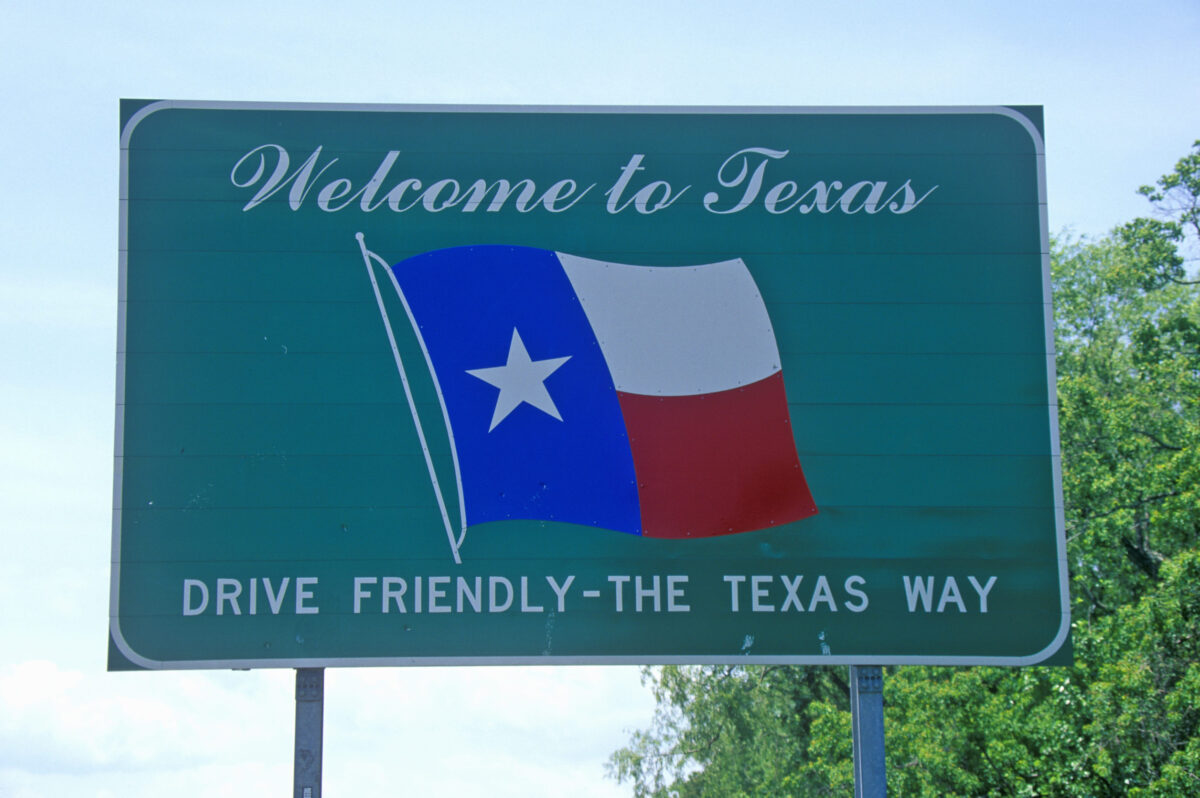
Talarico’s comments place immigration at the center of one of the most closely watched political contests in the country.
Texas has long been considered a Republican stronghold, but changing demographics, economic pressures, and shifting voter attitudes have made statewide races increasingly competitive.
The border issue could determine whether Democrats can persuade skeptical voters that the party has learned from past mistakes.
Republicans will argue that Democrats failed when they controlled the White House.
Democrats will argue that the country needs a more comprehensive approach than enforcement alone.
The debate will likely continue far beyond Texas.
James Talarico’s Border Admission Signals a Bigger Political Reality
James Talarico’s acknowledgment that Democrats took the border for granted under Biden represents more than a campaign statement.
It reflects a larger political reality: voters want immigration policies that are both compassionate and effective.
The era when either party could rely on simple talking points is fading.
Republicans must explain how enforcement can work alongside economic needs and humanitarian responsibilities. Democrats must prove they understand why millions of voters lost confidence in the previous approach.
For Talarico, the path forward depends on convincing Texans that admitting past mistakes is the beginning of a solution, not evidence of failure.
The border debate is no longer just about immigration.
It is about trust, accountability, and whether voters believe their leaders are prepared to confront difficult problems before they become political crises.