James Carville Says Trump’s Rural Support Shows Signs of Losing Momentum Ahead of Midterms
A veteran Democratic strategist believes a subtle change is happening in some of the country’s most Republican areas, and he says it could become a major factor in the next election.
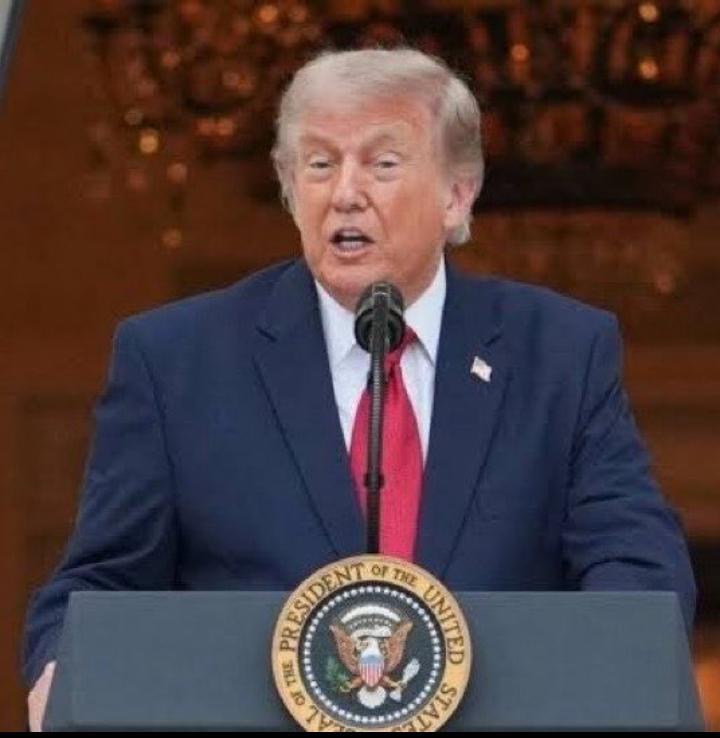
James Carville, the longtime political strategist known for his sharp election analysis, says he has noticed fewer visible signs of enthusiasm for President Donald Trump in places that once displayed strong public support. From fewer Trump flags to disappearing merchandise stands, Carville argues that the changes may signal a decline in Republican energy heading into the midterm elections.
Carville made the comments during his “Politics War Room” podcast with journalist Al Hunt after a listener from rural Texas described seeing fewer Trump flags and campaign signs in her area. The listener said she did not believe those voters were suddenly becoming Democrats, but questioned whether the reduced public enthusiasm could signal lower turnout among Republican voters.
Carville said he agreed with the observation, arguing that repeated personal experiences and local trends can sometimes reveal broader political shifts. “I think anecdotal evidence, when it piles up, you just can’t discard it,” Carville said during the discussion.
Carville Points to Fewer Trump Signs and Flags in Rural Areas
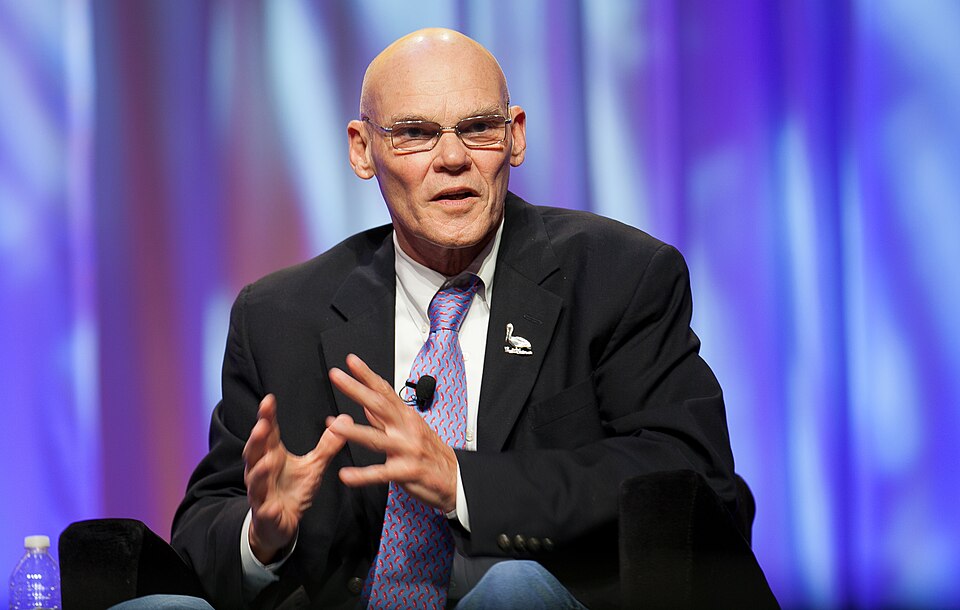
Carville explained that he has noticed a similar pattern during recent trips, particularly in south Mississippi. He recalled that in previous years, strangers would often approach him in public places and openly express their support for Trump. He said those encounters have become less common.
Carville described visiting stores and seeing Trump supporters wearing merchandise, displaying flags and promoting their preferred candidate in highly visible ways. According to him, that level of public enthusiasm appears to have declined. “I never hear that anymore. I never see that,” Carville said.
He also pointed to the disappearance of Trump merchandise stands and large displays of support along roads and in communities. For Carville, the change does not necessarily mean voters are switching parties. Instead, he believes some Republican voters may simply be less motivated to participate.
“Are these people going to miraculously turn into Democrats overnight? No,” Carville said. “But are they going to really run up the margin in rural Texas as they’ve done previously? No, I don’t think so.”
The strategist suggested that enthusiasm, especially among a party’s most committed voters, can have a major impact during midterm elections when turnout is often lower than in presidential election years.
Democrats Watch for Signs of Republican Turnout Weakness
Midterm elections have historically been shaped by voter enthusiasm. A party with a motivated base often has an advantage because fewer people typically vote in a party election than in a presidential election.
Carville believes the decline in visible Trump support could represent a warning sign for Republicans. He argued that political movements rely not only on private opinions but also on public energy and engagement.
“Visibility does matter,” Carville said, adding that a trend observed over time can reveal something important about voter attitudes.
Still, Carville acknowledged that the Republican Party’s support in rural America remains strong. He did not suggest that traditionally conservative areas would suddenly shift toward Democrats. Instead, his argument is that Republicans may not see the same level of turnout or enthusiasm they experienced in previous elections.
That distinction could matter in competitive races where small changes in turnout can determine the outcome.
Carville Targets Trump Supporters Who Remain Loyal
During the same podcast, Carville also criticized voters who continue supporting Trump after his return to political power.
Carville said he understands why many Americans supported Trump in the 2024 election, even though he disagrees with their decision. He argued that some voters had concerns about the economy, government policies, or other issues that influenced their choices.
However, he said he struggles to understand those who remain strongly supportive years later. Carville claimed Trump has failed to deliver on promises made to voters and criticized what he described as a focus on personal interests rather than the concerns of ordinary Americans. His comments drew a sharp response from the Trump administration.
White House spokesman Davis Ingle criticized Carville’s remarks, accusing him of being consumed by opposition to Trump. In a statement to Fox News Digital, Ingle called Carville a “stone-cold loser” and accused him of suffering from what he described as “Trump Derangement Syndrome.”
The clash reflects the wider political divide surrounding Trump’s presidency, where supporters and critics often interpret the same events in completely different ways.
A Battle Over Enthusiasm Before the Midterms
Carville’s argument centers on one key question: Are Republican voters becoming less energized, or are they simply less visible?
Political analysts often warn that public displays of support do not always translate directly into votes. Some voters may stop displaying campaign signs while continuing to support the same candidates at the ballot box.
At the same time, shifts in enthusiasm can matter, especially when elections are closely contested. A motivated voter base can determine whether candidates win or lose in races decided by narrow margins.
For now, Carville’s observations remain largely based on personal experience rather than polling data. But his comments highlight an important factor both parties will be watching closely: whether voters who supported Trump in previous elections remain just as motivated when they head to the polls.
As the midterms approach, Republicans and Democrats will be looking beyond campaign rallies and advertisements. They will be watching whether voters show up, volunteer, donate, and ultimately cast their ballots. That is where enthusiasm becomes more than a political mood. It becomes a measurable force.