10 Things You Should Never Do When Someone Is Following You
That strange feeling on the back of your neck is rarely dramatic for no reason. Maybe you notice the same person behind you after three turns. Maybe a car slows down whenever you do. Maybe someone keeps matching your pace in a parking lot, hallway, mall, train station, or quiet street. At first, you may tell yourself you are overthinking it, because nobody wants to imagine they are being watched.
Still, your instincts exist for a reason. When something feels wrong, the worst mistake is trying to look calm at the expense of staying safe. The goal is not to panic, act tough, or turn the moment into a movie scene. The goal is to create distance, find people, get help, and avoid leading danger closer to your private life.
Never Walk Straight Home
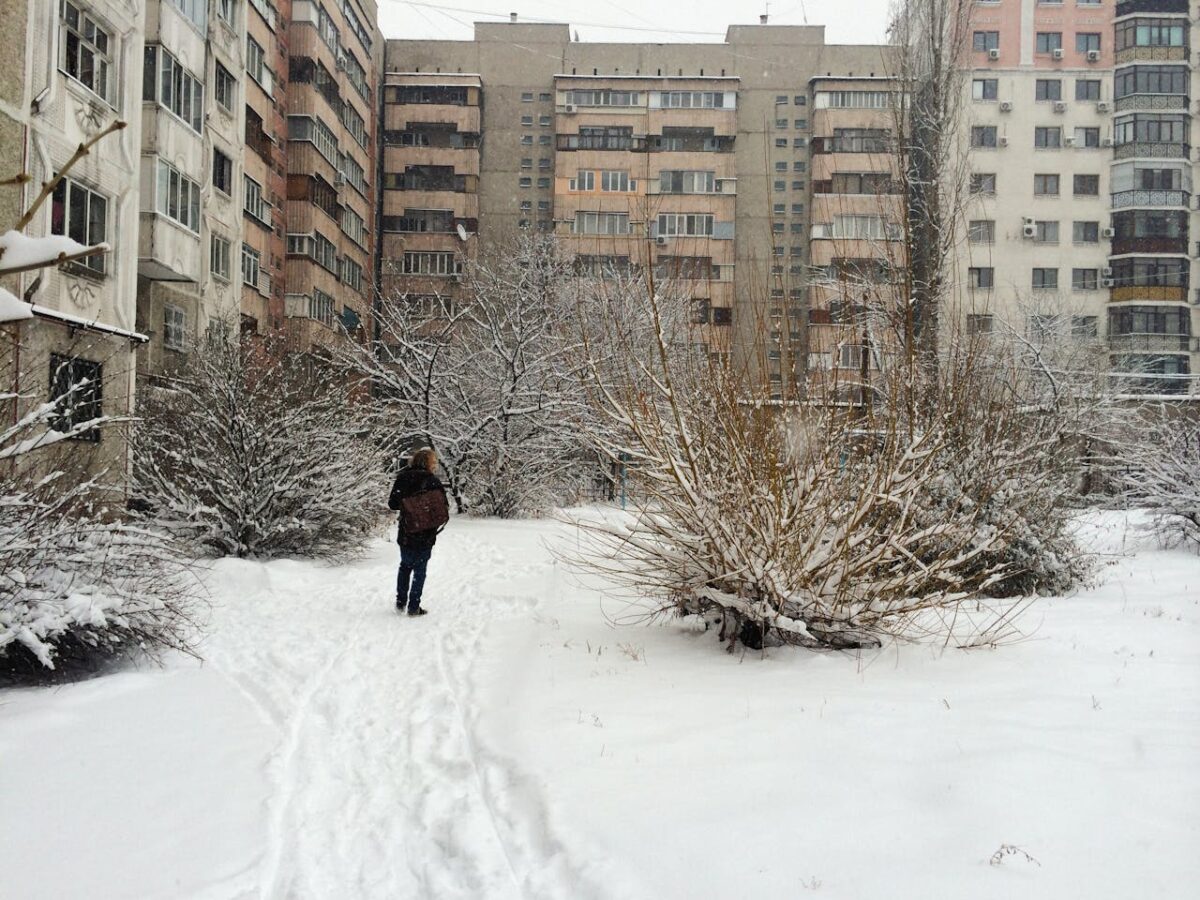
The biggest mistake is heading directly to your house, apartment, dorm, hotel room, or workplace. If someone is actually following you, going home gives them the exact information they may want most. Your address should stay protected until you know you are safe. Even if you feel embarrassed or unsure, take a detour toward a public place instead.
Walk into a busy store, coffee shop, hotel lobby, police station, hospital, gas station, or any place with staff, cameras, and other people nearby. Tell an employee clearly, “I think someone is following me. Can I stay here while I call for help?” That one sentence can change the whole situation. You do not need to prove anything before protecting yourself.
Never Pretend Nothing Is Happening
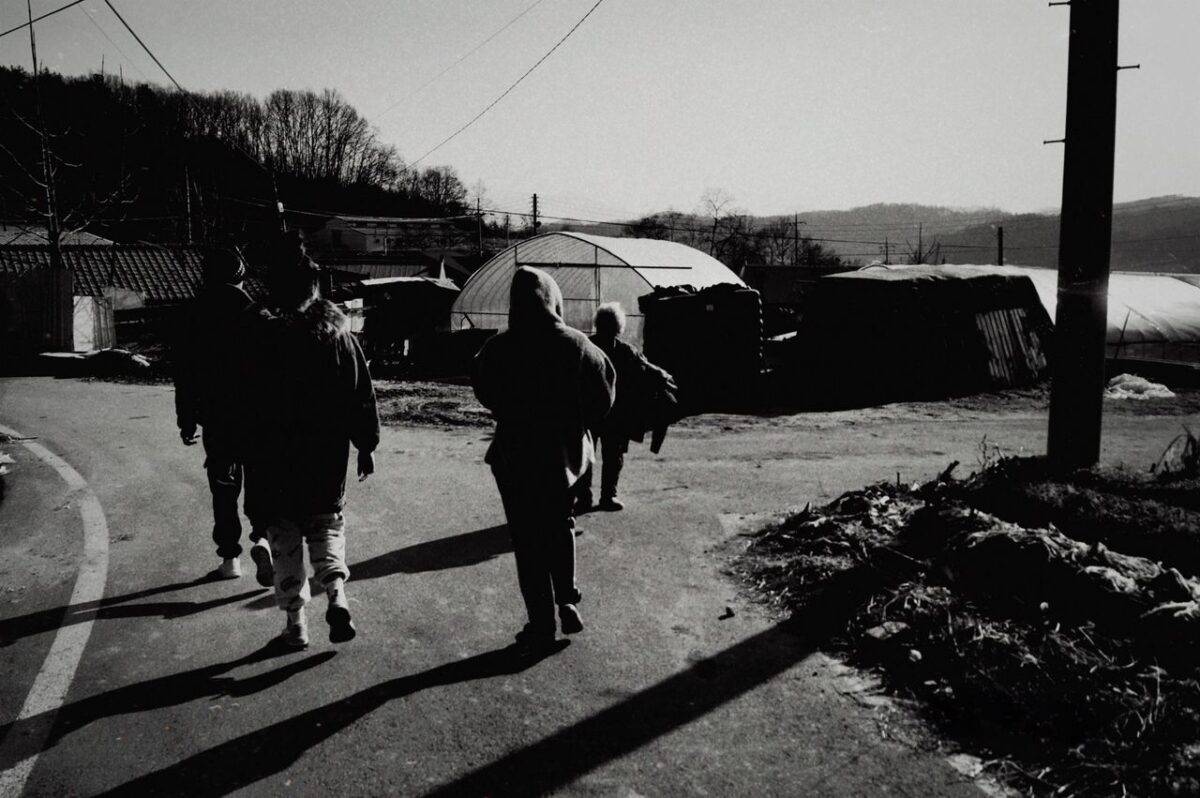
Many people freeze because they do not want to seem dramatic. They keep walking, keep smiling, and keep pretending the situation is normal. That can be dangerous because it gives the follower more time to study your pace, direction, and habits. Silence can make you easier to track.
Stay calm, but do not ignore the pattern. If you suspect you are being followed, change direction, cross the street safely, pause near a group, or enter a public building. Watch what the person does without staring aggressively. If they keep adjusting to match your movements, treat it seriously and act early.
Never Go Somewhere Isolated
Quiet shortcuts feel tempting when you want to get away fast. Dark alleys, empty stairwells, parking garages, back roads, and deserted paths can make the situation worse. Isolation removes witnesses and limits your escape options. It also makes it harder for someone to hear you if you need help.
Move toward light, noise, cameras, traffic, and people. A longer route through a busier area is safer than a faster route through an empty one. If you are in a building, avoid taking the stairs alone if you feel unsafe. Stay near reception desks, security guards, cashier counters, or groups of people until the situation is handled.
Never Keep Your Headphones On
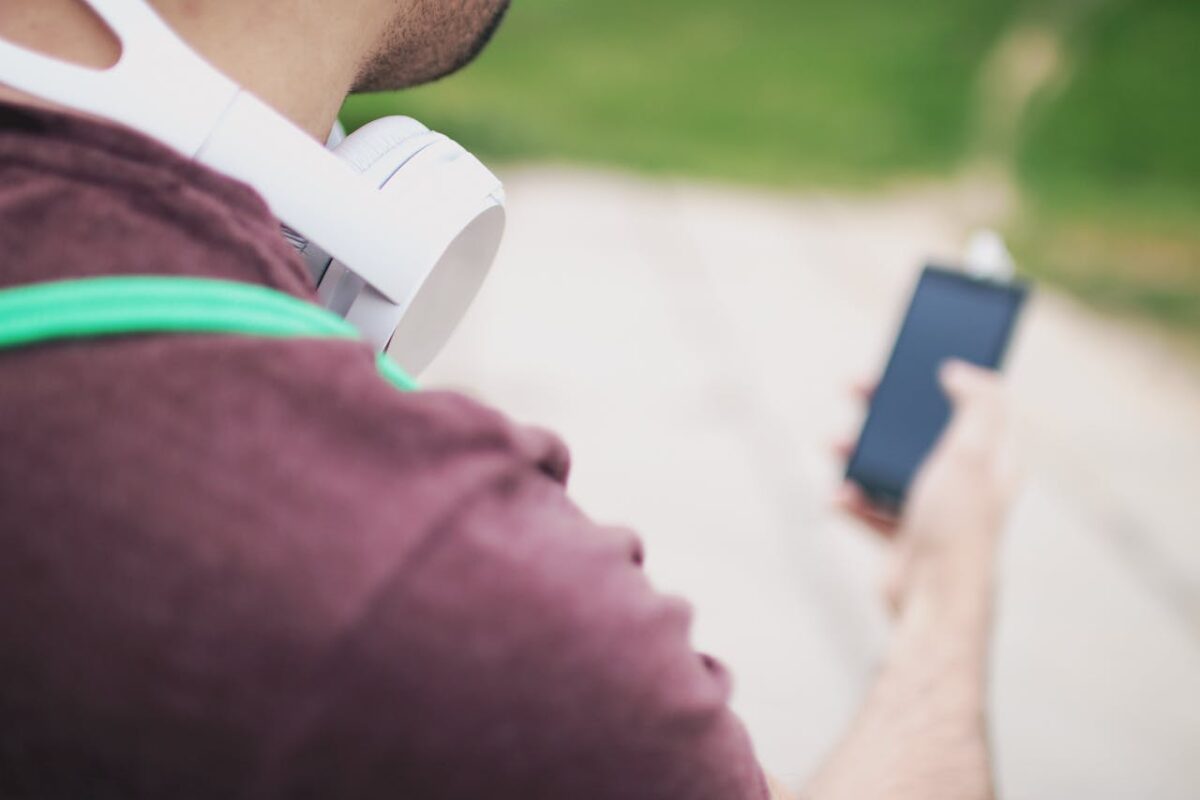
Music, podcasts, and phone calls can make you less aware of what is happening around you. If someone is following you, you need your hearing as much as your sight. Footsteps, car doors, engine sounds, whispers, and movement behind you can all matter. Keeping both ears covered may delay your reaction.
Remove your headphones or keep one ear free. Lower your phone volume and listen to your surroundings. This does not mean you should act terrified or suspicious of everyone. It means you should give yourself the best chance to notice changes before they get too close.
Never Stop in a Hidden Corner to Check Your Phone
Your phone can help you, but staring down at it in a vulnerable place can hurt you. Some people panic and stop near a wall, a corner, a doorway, or a parked car while trying to text a friend. That can trap you physically and mentally. It also signals distraction.
Use your phone while moving toward safety or standing in a visible public area. Call someone you trust and say your location out loud. If the danger feels immediate, call emergency services. You can also turn on location sharing, record details, or take a discreet photo of a car plate, only if it does not increase the risk. Safety comes before evidence.
Never Confront Them in Anger
It is natural to feel angry when someone invades your space. Still, turning around to yell, challenge, or threaten the person can escalate the situation. You may not know their intent, their mental state, or whether they are armed. A confrontation can turn uncertainty into danger very quickly.
If you need to speak, do it from a safe distance in a public place with witnesses nearby. A firm statement like “Do not follow me” can work in some settings, but it should not replace getting help. Confidence is useful. Recklessness is not. Your safest move is usually to create distance and involve other people.
Never Get Into Your Car Without Thinking
A car can feel like instant safety, but parking lots create their own risks. If someone is close behind you, rushing into your vehicle can leave you distracted while unlocking doors, opening bags, starting the engine, or backing out. A follower may also block your exit or learn your license plate.
Before you approach your car, check your surroundings. If you feel unsafe, go back inside a store or public building and ask security or staff to walk you out. Once inside your car, lock the doors immediately and leave. Do not sit there scrolling, texting, or calming down with the engine off. A parked car is not a safe room.
Never Accept a Ride From a Random Stranger
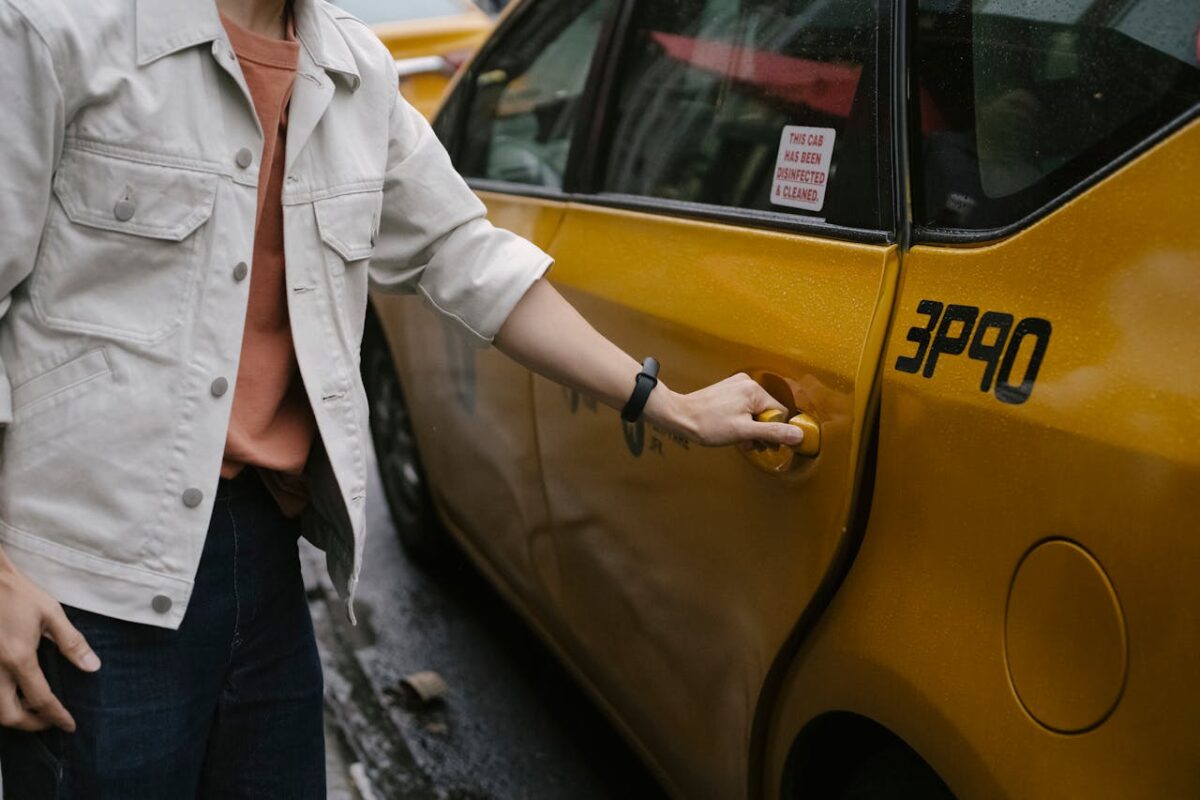
When scared, any offer of help can feel like rescue. But getting into an unknown person’s car can create a second danger. Even if the person seems kind, you are placing your safety in the hands of someone you cannot verify. Fear can make people trust too fast.
Ask for help in ways that keep you visible. Request that a store employee call security. Ask a family member, friend, rideshare driver, or taxi to meet you at a clear public entrance. If a stranger wants to help, they can call emergency services, stand nearby in public, or alert staff. They do not need to drive you anywhere.
Never Share Your Location Publicly in Real Time
If someone is following you, do not post your live location on social media or update your story with where you are going next. Public posts can expose your movements to more people than you realize. Even a casual “I’m at this gas station” or “heading home now” can create risk.
Share your location privately with trusted people instead. Send your exact location, a description of the follower, and the direction you are moving. Use direct messages, phone calls, or the built-in location-sharing features. Keep your circle small and reliable. In a tense moment, privacy is protection.
Never Doubt Yourself Just Because Nothing Has Happened Yet
People often wait for the situation to become obvious before they act. They tell themselves, “Maybe it’s nothing,” or “I don’t want to bother anyone.” That hesitation can be costly. You do not need a crime to happen before you take precautions.
Trust patterns, not panic. If someone keeps appearing behind you after repeated turns, keeps slowing down when you slow down, or keeps watching you too closely, respond as if your safety matters. Go public, call someone, alert staff, contact security, or call emergency services if needed. Even if it turns out to be harmless, you made the smart choice.
Conclusion
Being followed is frightening because it steals your sense of control in an ordinary place. A normal walk, drive, errand, or night out can suddenly feel like a test of your instincts. The key is to avoid the mistakes that make you easier to isolate, identify, or intimidate. Do not go home, do not stay silent, do not take empty shortcuts, and do not let embarrassment keep you from asking for help.
Safety does not require panic. It requires awareness, movement toward people, and quick decisions that protect your privacy and distance. If your gut tells you something is wrong, treat that feeling with respect. You are not being dramatic for choosing safety. You are smart enough to leave the situation before it gets worse.