Court Tells Trump His Name Must Stay Off the Kennedy Center At Least for Now
President Donald Trump’s name will remain off the Kennedy Center while the legal fight over the building’s rebranding continues, after a federal appeals court rejected an emergency bid to put it back on.
The ruling is not the final word on the larger case. But for now, the message from the U.S. Court of Appeals for the D.C. Circuit was pretty direct: the Kennedy Center board did not show enough evidence that it would suffer immediate harm if Trump’s name remained off the building.
That means the famous performing arts venue in Washington, D.C., remains officially tied to John F. Kennedy, not the “Trump-Kennedy Center” branding pushed by Trump’s board earlier this year.
And yes, the fight has become about more than a sign. It is now a full-blown Washington clash over power, legacy, fundraising, law, and who gets to rename one of America’s most recognizable cultural landmarks.
Judges Say the Board Did Not Prove Real Harm
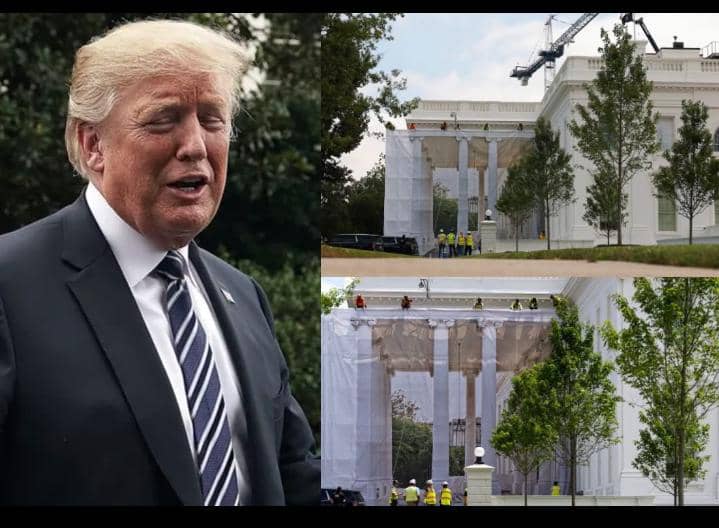
The appeals court order came after Trump and fellow members of the Kennedy Center board asked judges to pause a lower court ruling requiring his name to be removed from the building, website, signage, and related official materials.
The three-judge panel, Patricia Millett, Robert Wilkins and Gregory Katsas, said the board had “failed to show how they will be irreparably injured absent a stay.” The judges also rejected the argument that removing Trump’s name would damage fundraising, saying the board did not support that claim with “specific facts or evidence.”
That was a key point. The board argued that Trump’s name could help bring in money and that removing it could hurt the center’s financial future. But the court said broad claims were not enough.
The judges also brushed aside a newer argument involving an entity called “The Trump Kennedy Center for the Performing Arts Foundation.” According to the order, the board claimed that the foundation might have to return money if Trump’s name were not removed from the Kennedy Center façade. But the appeals court noted that this argument was not raised earlier in district court.
The court did not decide whether Trump would eventually win or lose the full appeal. Instead, it said the board had not cleared the immediate legal hurdle required to freeze the lower court’s order.
In plain English: the appeal can keep going, but the name does not go back up while everyone argues.
How the Kennedy Center Name Fight Began
The battle started after Trump returned to office in 2025 and replaced the Kennedy Center’s board of trustees. The new board then named Trump chairman, and his name was added to the institution, creating the title “The Donald J. Trump and The John F. Kennedy Memorial Center for the Performing Arts,” according to AP’s reporting.
That move quickly triggered legal challenges.
U.S. District Judge Christopher Cooper ruled in May that the board had gone beyond its authority by adding Trump’s name without congressional approval. Cooper said Congress gave the Kennedy Center its name, meaning only Congress could change it. In one of the most memorable lines from the ruling, Cooper wrote: “May the John F. Kennedy Center for the Performing Arts be renamed absent Congressional authorization? The answer, plain from the face of the statute, is no.”
Cooper also ordered Trump’s name removed from the façade and official materials within two weeks. The appeals court later noted that the name had already been taken off the building before Wednesday’s ruling.
The lower court decision also blocked the board’s plan to close the Kennedy Center for major renovations. Cooper said the board’s vote to close the facility was “ill-informed and seemingly preordained,” according to PBS/AP reporting.
Trump was not happy with that ruling. After Cooper’s decision, he wrote on Truth Social that the judge “should be ashamed of himself” and said he would back away from the renovation effort unless he was free to run it his way.
Kennedy Center spokesperson Roma Daravi defended the institution’s position after the lower court ruling, saying the center was “confident” that an appeal would uphold the board’s decision and that the building still needed urgent restoration. She also pointed to $257 million in funding approved by Congress for the project.
Beatty Celebrates, But the Case Is Not Over
Rep. Joyce Beatty, the Ohio Democrat who filed the lawsuit and serves on the Kennedy Center board, welcomed the appeals court decision.
“Today’s ruling again affirms that this administration’s efforts to rename the Kennedy Center were unlawful,” Beatty said. She also said Trump’s name no longer “desecrates this sacred memorial,” adding that the center “belongs to the American people.”
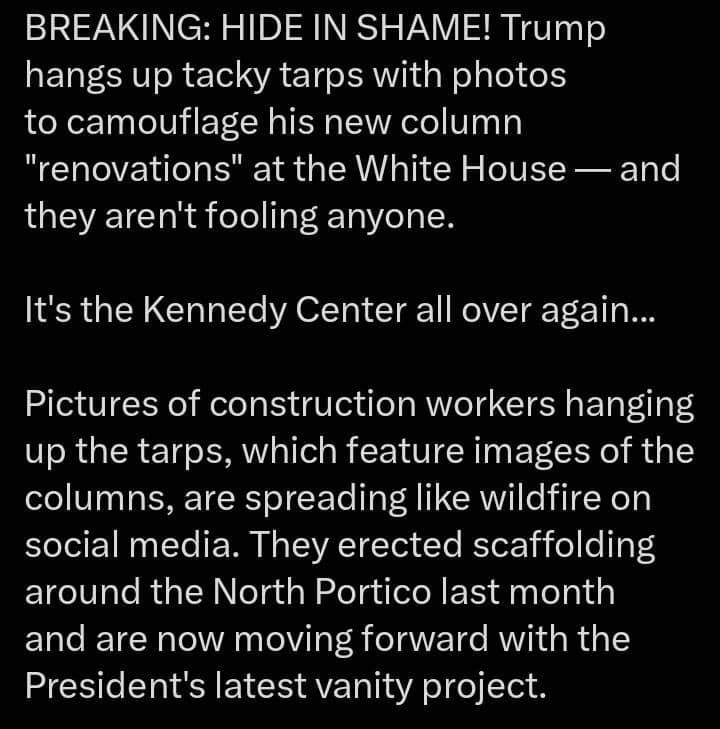
AP reported that Beatty also called on the administration to comply with the law and “take the tarps down,” referring to coverings and scaffolding that still obscured part of the building’s marble façade after Trump’s name was removed.
The Kennedy Center did not immediately respond to AP’s request for comment after the appeals court ruling, and Reuters reported that the White House had no immediate comment.
For visitors, performers, and staff, the practical result is simple: the venue remains open, Trump’s name stays off, and the appeal moves forward.
But politically, the case is bigger than a few letters on a marble wall. It has become another symbol of Trump’s effort to leave a visible mark on Washington, and of the legal resistance that effort has repeatedly met.
The Kennedy Center was created as a national cultural institution, with its roots going back to 1958, when President Dwight D. Eisenhower signed bipartisan legislation establishing a National Cultural Center in the nation’s capital.
That history is exactly why the court fight has carried such emotional weight. To Trump’s supporters, the attempted renaming was a tribute to a president they say reshaped the arts center’s future. To critics, it was a political overreach placed on a building meant to honor Kennedy and serve the public.
For now, the courts have kept the matter grounded in one basic rule: the board may run the Kennedy Center, but it does not get to rewrite the name Congress gave it.
The sign may be down, the tarps may still be up, and the lawyers are not finished. But at this stage of the fight, the Kennedy Center remains the Kennedy Center.