U.N. Warns More Than 1 Million Women Have Lost Critical Aid as Global Funding Cuts Deepen Crisis
More than 1 million women and girls have lost access to essential humanitarian support after international funding cuts forced organizations to reduce or suspend programs across some of the world’s most vulnerable communities, according to UN Women, the United Nations agency focused on gender equality and women’s empowerment. The warning highlights the growing impact of a global aid crisis that has intensified over the past 18 months as major donors, including the United States, reduced foreign assistance commitments. Humanitarian organizations working with displaced families, survivors of violence, and communities affected by conflict say shrinking budgets are forcing them to make difficult decisions about which programs can continue.
UN Women said the funding reductions have affected organizations providing services ranging from emergency shelter and protection programs to support for survivors of sexual violence, education initiatives for girls, and assistance for women facing displacement and poverty. The agency said the number of affected women and girls is likely much higher than current estimates because many organizations no longer have enough resources to track or respond to growing needs. “Every dollar withdrawn from women’s organizations is a dollar withdrawn from survivors of conflict-related sexual violence, displaced mothers, girls forced from school and communities struggling to survive,” said Sofia Calltorp, UN Women’s chief of humanitarian action.
Women’s Organizations Report Growing Demand as Funding Shrinks
UN Women surveyed 855 women’s organizations across 52 countries to understand how funding reductions have affected their ability to provide services. The findings revealed widespread concern among groups working directly with women and girls experiencing crises. According to the organization, 84% of surveyed groups reported increased demand for their services since January 2025. At the same time, nearly 90% said they are no longer able to meet their current needs.
The combination of rising demand and declining financial support has placed many organizations under extreme pressure. Some groups have reduced staff, shortened operating hours, limited geographic coverage, or stopped offering certain programs entirely. One in five organizations surveyed said they expect to temporarily suspend operations or permanently close within the next year if additional funding is not secured. For communities already facing war, displacement, food insecurity, and economic instability, the loss of these services can have immediate consequences. Many women’s organizations provide support that governments and larger humanitarian agencies are unable to deliver quickly, particularly in remote areas. These groups often serve as the first point of contact for women seeking protection, medical referrals, legal assistance, education opportunities, and support after experiencing violence.
Foreign Aid Cuts Create Pressure Across Global Humanitarian Programs
The funding crisis has affected many United Nations agencies and humanitarian organizations worldwide. Over the past year and a half, several groups have announced job reductions, program cuts, and operational changes as international assistance declined. The United States has historically been one of the largest contributors to global humanitarian programs. Changes in American foreign aid priorities have created significant financial challenges for organizations that rely heavily on government support. UN Women said the consequences are being felt most severely in areas affected by conflict and displacement, where women and girls often face the greatest risks.
The agency pointed to rising levels of conflict-related sexual violence, saying cases doubled last year. Women and girls living in conflict zones are frequently among the most vulnerable populations, facing threats including exploitation, trafficking, forced displacement, and loss of access to education and healthcare. Without stable funding, organizations working to prevent and respond to these issues have warned that fewer survivors will receive assistance. Humanitarian officials say funding reductions not only affect immediate emergency responses. They can also weaken long-term efforts designed to help women rebuild their lives after crises end.
Millions of Women Depend on Aid Programs During Conflict and Displacement
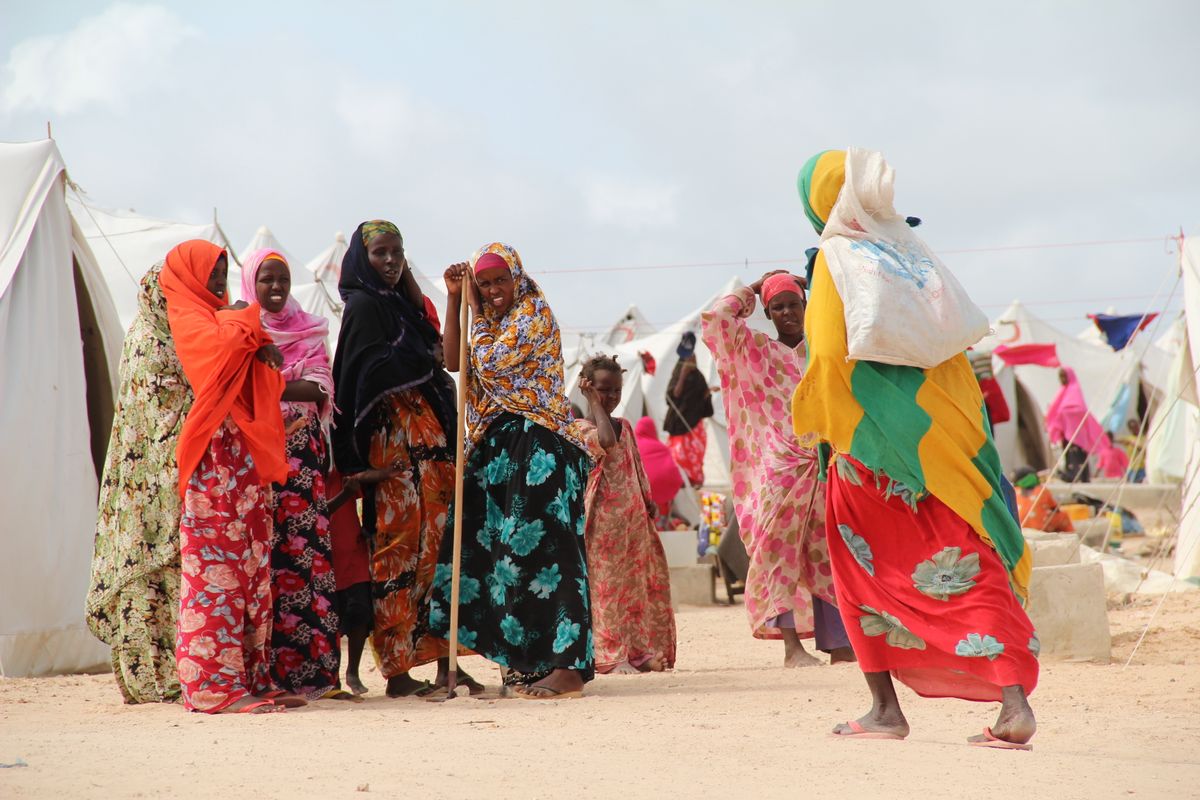
Women and girls affected by humanitarian emergencies often depend on specialized services that address challenges unique to their circumstances. In refugee camps and conflict zones, women’s organizations frequently provide safe spaces, reproductive healthcare referrals, protection services, financial support programs, and assistance for survivors of abuse. When these programs disappear, communities may lose critical systems that help prevent further harm. UN Women highlighted examples of women being turned away from services because organizations no longer have enough funding or staff to meet demand.
The agency emphasized that the reported figure of 1 million affected women and girls represents only a portion of the overall impact because many communities remain difficult to reach and many organizations lack the resources to collect complete data. “The number is just the tip of the iceberg,” Calltorp said while describing the broader consequences of funding reductions. Aid groups have repeatedly warned that humanitarian crises are expanding faster than available resources can keep pace with. Conflicts, climate-related disasters, economic instability, and displacement have increased the number of people in need of assistance worldwide. At the same time, international funding has struggled to keep pace with growing demands.
Development Assistance Declines as Global Needs Increase
The funding challenges facing women’s organizations are part of a broader decline in international development assistance. A recent report from the Organization for Economic Cooperation and Development (OECD) found that development aid from member countries dropped significantly last year, falling by nearly one-quarter to approximately $174 billion. The OECD described the decline as the largest annual contraction on record. Humanitarian organizations argue that reductions in aid come at a time when global crises are becoming more complex. They say fewer resources mean fewer workers, fewer programs, and reduced ability to respond when emergencies occur. Women and children are often disproportionately affected because they face additional barriers during humanitarian emergencies.
Displaced women may struggle to access employment, healthcare, documentation, or education opportunities. Girls may be removed from school because families facing financial hardship prioritize immediate survival needs. Aid organizations say maintaining support for women is not only a humanitarian priority but also an investment in community stability. Research from international development groups has consistently shown that supporting women’s education, economic opportunities, and safety can strengthen families and improve recovery after crises.
Aid Organizations Warn of More Closures Without Immediate Support
UN Women has warned that continued funding shortages could lead to the collapse of organizations that have spent years building relationships with vulnerable communities. Many local women’s groups operate with limited budgets but provide services that larger international organizations cannot easily replace. If these organizations close, humanitarian workers fear that women in crisis situations may have fewer places to seek help.
“Without immediate action, the organizations that have kept women and girls alive through the world’s worst crises risk becoming another casualty of war,” Calltorp said. The warning reflects concerns that the humanitarian system itself is under increasing strain. Aid agencies are being forced to prioritize the most urgent emergencies while reducing programs that provide prevention, recovery, and long-term support. Women’s organizations say predictable funding is especially important because many of their programs require consistent staffing and community trust. A temporary interruption can cause lasting damage, particularly in areas where women rely on local support networks for protection and essential services.
The Future of Global Women’s Aid Remains Uncertain
The impact of funding cuts has created a difficult challenge for international organizations trying to respond to growing humanitarian needs with fewer resources. UN Women and partner organizations are calling for renewed commitments from governments, donors, and international institutions to prevent further reductions in services. The agency says protecting women and girls during crises requires sustained investment rather than short-term emergency responses.
For millions of women affected by conflict, displacement, and poverty, aid programs are often the difference between receiving support and being left without assistance. As humanitarian needs continue to rise, organizations warn that the cost of reduced funding will be measured not only in closed programs or lost jobs. It will also be measured in the number of women and girls who are unable to access protection, healthcare, education, and opportunities to rebuild their lives.