10 Deadly Mistakes That Destroy Your Nonstick Pan Faster Than You Think
Nonstick pans are kitchen superheroes, but a single misstep can turn them into sticky disasters. While they make cooking eggs, pancakes, and delicate sauces effortless, their coatings are fragile. Many of us unknowingly commit small errors every day that drastically shorten a pan’s lifespan. Avoid these common pitfalls to keep your cookware safe, your meals flawless, and your wallet happy.
These ten mistakes are more than minor inconveniences; they’re silent killers of your favorite pans. From improper storage to using the wrong oils, each error chips away at performance, sometimes releasing toxins into your food. Understanding these mistakes lets you cook confidently and prolong the life of your nonstick cookware.
Ignoring Damage
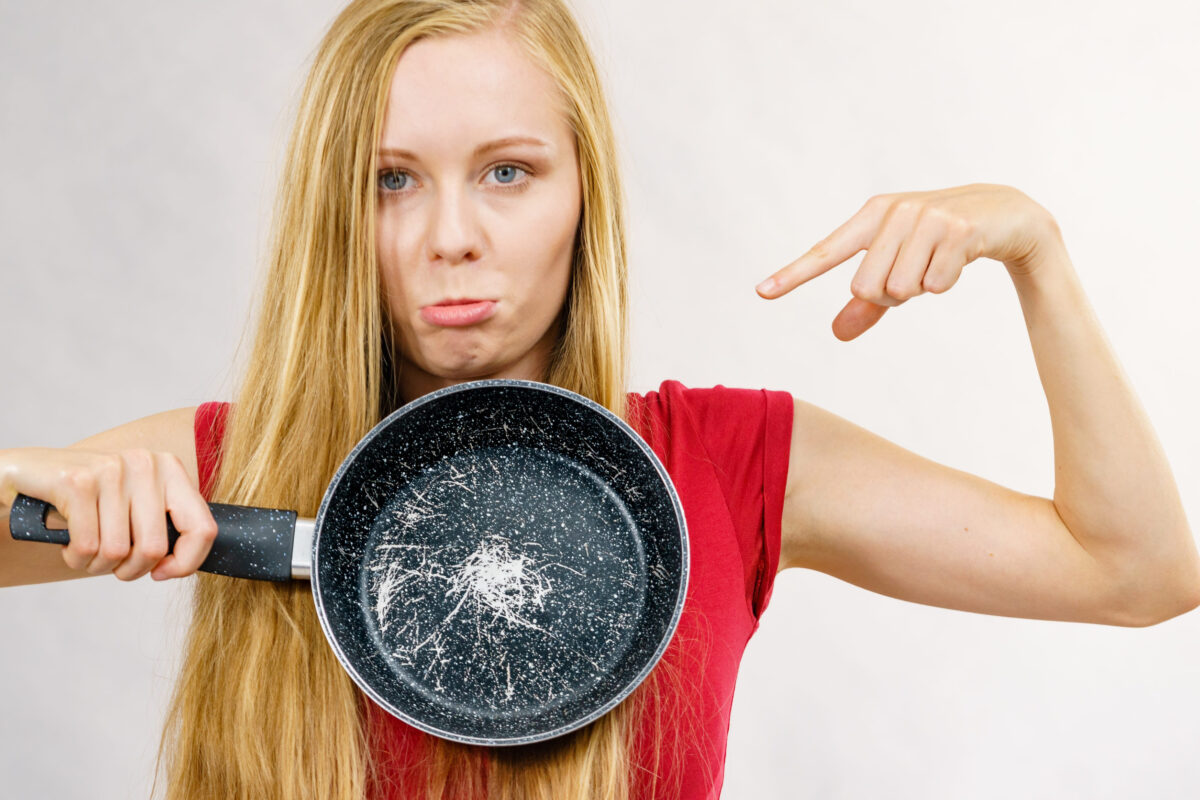
Once the coating starts peeling, bubbling, or chipping, it’s over. Using a damaged pan risks contaminating food and accelerates wear. Replace pans at the first sign of serious damage to maintain safe cooking practices and ensure food quality remains high.
Ignoring these warning signs leads to faster degradation and potentially harmful chemical exposure. Investing in a new pan maintains both safety and performance in the kitchen.
Scratching with Metal Tools
Metal knives, forks, and tongs are enemies of nonstick surfaces. Each scrape creates micro-abrasions that grow into peeling and flaking over time. Switching to silicone, wood, or heat-resistant plastic utensils keeps the coating intact, allowing food to slide effortlessly and reducing the chance of toxic residue in meals.
Even minor scratches compound quickly, weakening the pan’s protective layer. Adopting utensil-friendly practices is the simplest way to ensure your nonstick surface lasts through countless breakfasts, lunches, and dinners.
Stacking Pans Carelessly
Nesting nonstick pans without protection scratches the surfaces instantly. Placing paper towels, cloths, or pan separators between pans prevents friction and preserves nonstick performance. Proper storage may require a few extra seconds, but it dramatically extends the life of your cookware.
Even shallow scratches accumulate, making food stick and leaving your pans looking worn prematurely. Safe stacking keeps your kitchen organized and your pans pristine.
Cranking the Heat Too High
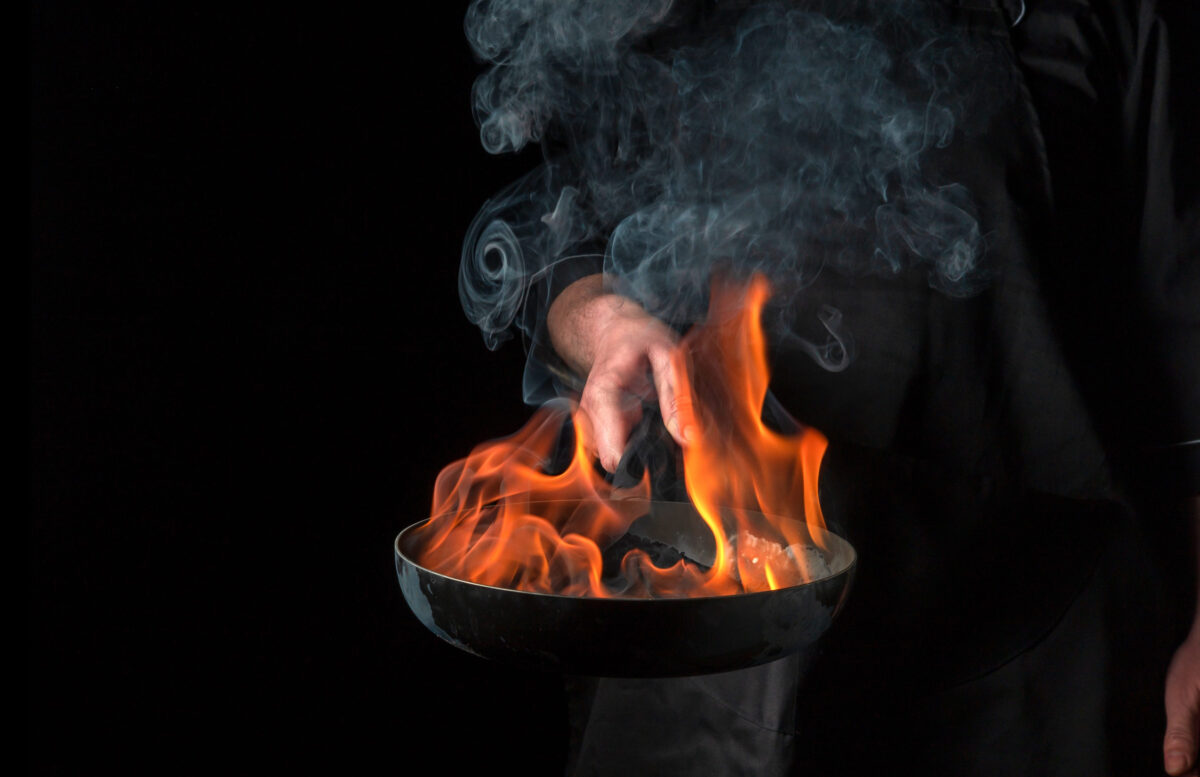
Nonstick pans are not built for searing steaks at full blast. High heat causes the coating to warp, peel, or even release harmful fumes. Cooking on low to medium heat preserves the surface, keeps food sliding off smoothly, and prevents potential safety hazards. Think of your pan as delicate glass; it handles gentle warmth, not fiery flames.
Overheating doesn’t just affect the coating; it changes how food cooks, creating uneven browning and sticking. Keeping temperatures moderate keeps your pan reliable and your meals tasting perfect without risking damage.
Using the Wrong Oils
Oils with low smoke points, like flaxseed or unrefined nut oils, burn quickly and leave sticky residues on the pan. Using high-smoke-point oils such as avocado or refined vegetable oils protects the surface, enhances nonstick performance, and avoids lingering burnt flavors.
Burned oil creates a polymerized layer that attracts food and accelerates wear. Choosing the right oils preserves your pan and makes every cooking session cleaner and more enjoyable.
Spraying Aerosol Oils
Aerosol sprays leave behind sticky residues that are nearly impossible to remove. This buildup makes food stick and may void warranties. Instead, lightly brush or mist oil directly onto the surface, giving a clean, even layer that enhances nonstick performance without the messy aftermath.
Sprays often contain additives that polymerize under heat, creating a stubborn layer that negates your pan’s slickness. Switching to a brush or mister protects the coating and keeps cooking easy and efficient.
Heating an Empty Surface
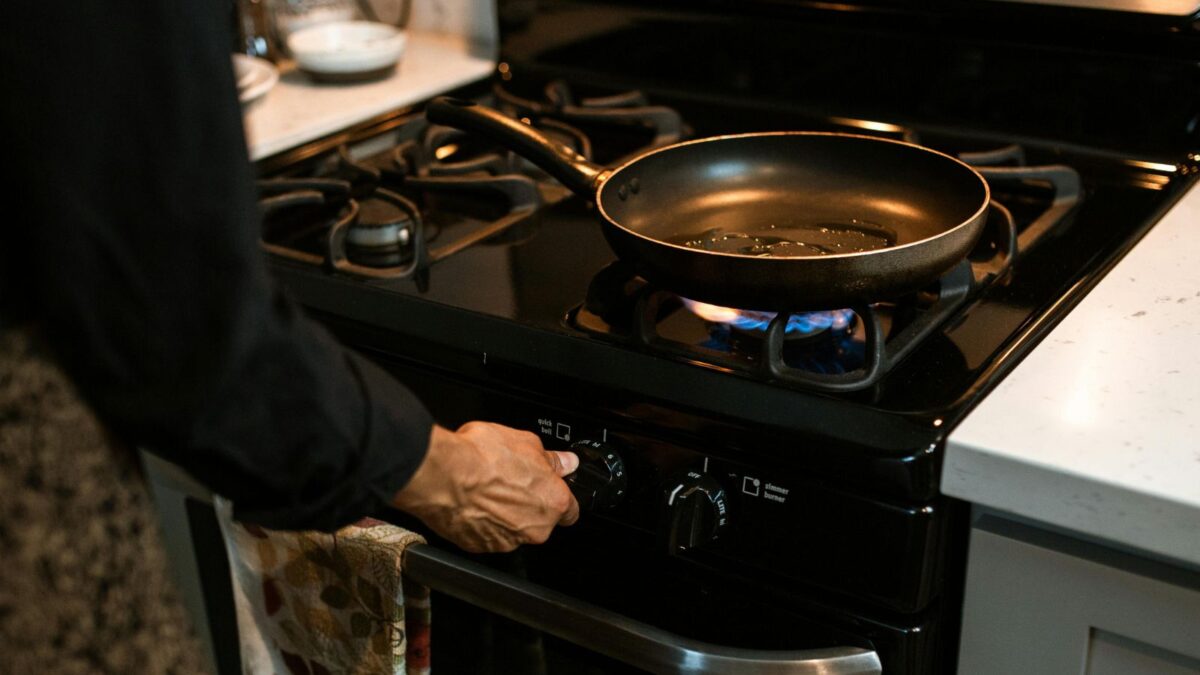
Preheating an empty nonstick pan is a silent destroyer. Without oil, the surface overheats, releasing fumes and weakening the coating. Always add oil before heating to protect the surface and improve nonstick properties, especially for delicate foods like eggs or fish.
This small habit prevents bubbling, warping, and chemical degradation. The oil acts as a buffer, ensuring smooth cooking while keeping your pan safe for long-term use.
Overloading the Pan
Crowding a nonstick pan traps steam and moisture, which can warp the surface and reduce nonstick effectiveness. Cooking in moderate portions ensures even heat distribution and prevents sticking. Giving your food room to breathe keeps meals properly seared without damaging the pan.
Excess weight stresses the coating and base, gradually weakening it. Cooking smart, not fast, preserves your pan while producing perfectly cooked results.
Harsh Cleaning Techniques
Steel wool, scouring pads, and harsh powders are guaranteed ways to ruin a nonstick surface. Stick to soft sponges or microfiber cloths with mild soap. This gentle approach keeps the coating intact and prevents unnecessary scratches that compromise performance.
Abrasive cleaning removes the protective layer, leaving the pan susceptible to sticking, peeling, and uneven heating. Consistent, gentle cleaning keeps the pan ready for effortless cooking every time.
Tossing It in the Dishwasher
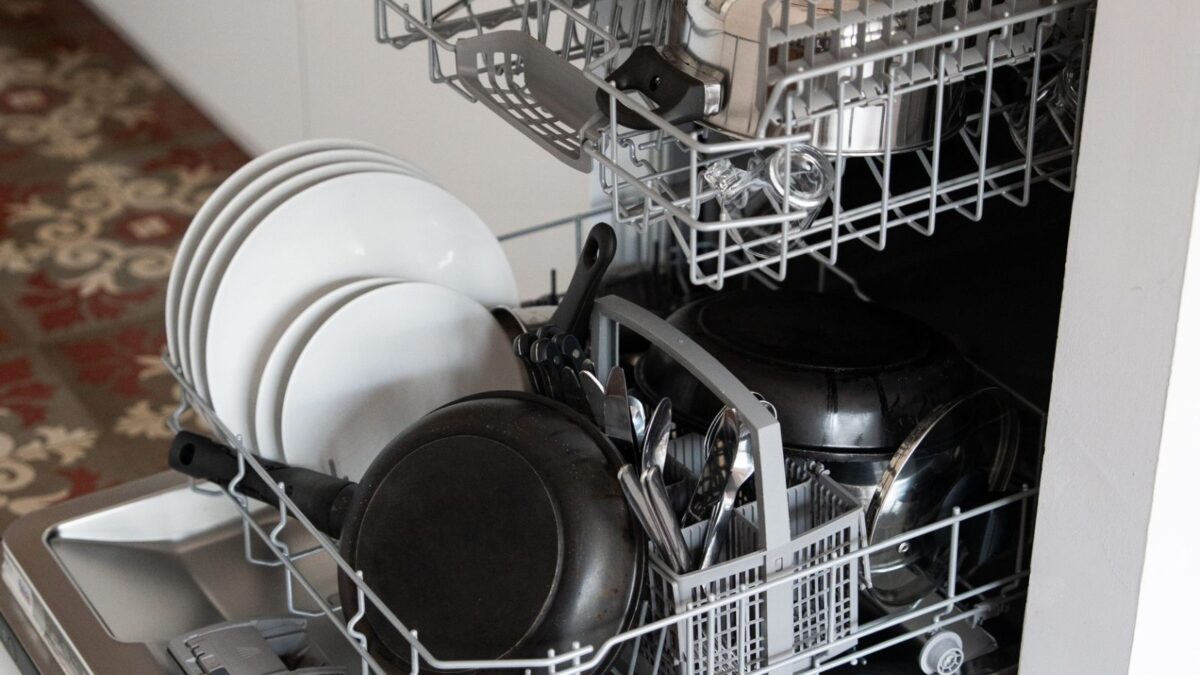
Dishwashers seem convenient, but the combination of high heat, harsh detergents, and clanging dishes strips the coating fast. Hand washing with gentle soap and a soft sponge is safer and keeps the pan looking and performing like new. Trust us, your pan will thank you with years of smooth cooking.
Repeated dishwasher cycles fade the surface, reduce nonstick efficiency, and can warp the pan’s base. Investing a few minutes in hand washing pays off with longer-lasting cookware and safer meals.
Conclusion
Nonstick pans are delicate tools that require intentional care. Avoiding these ten mistakes ensures your pans remain safe, efficient, and long-lasting. Following these practices keeps food sliding off effortlessly and protects your kitchen investment for years. By adopting simple habits and paying attention to how you cook, clean, and store your pans, you guarantee smooth, worry-free meals every time.