10 Restaurant Mistakes That Could Be Ruining Your Dining Experience
Eating out should feel like a break from routine, a chance to enjoy good food, great company, and a welcoming atmosphere. Yet even seasoned diners make mistakes that turn a potentially perfect night into awkwardness, frustration, or disappointment. From ignoring expert advice to bad timing, these errors can subtly sabotage your experience. Recognizing and correcting them transforms every meal into something enjoyable, memorable, and stress-free.
We’ve highlighted 10 common missteps diners make and explained how to avoid them. Implementing these tips can help you navigate restaurants like a pro, whether you’re at a casual café, a trendy bistro, or a high-end tasting menu. By the end, you’ll have the confidence to enjoy your meal fully and leave both the staff and yourself impressed.
Ignoring Server Recommendations
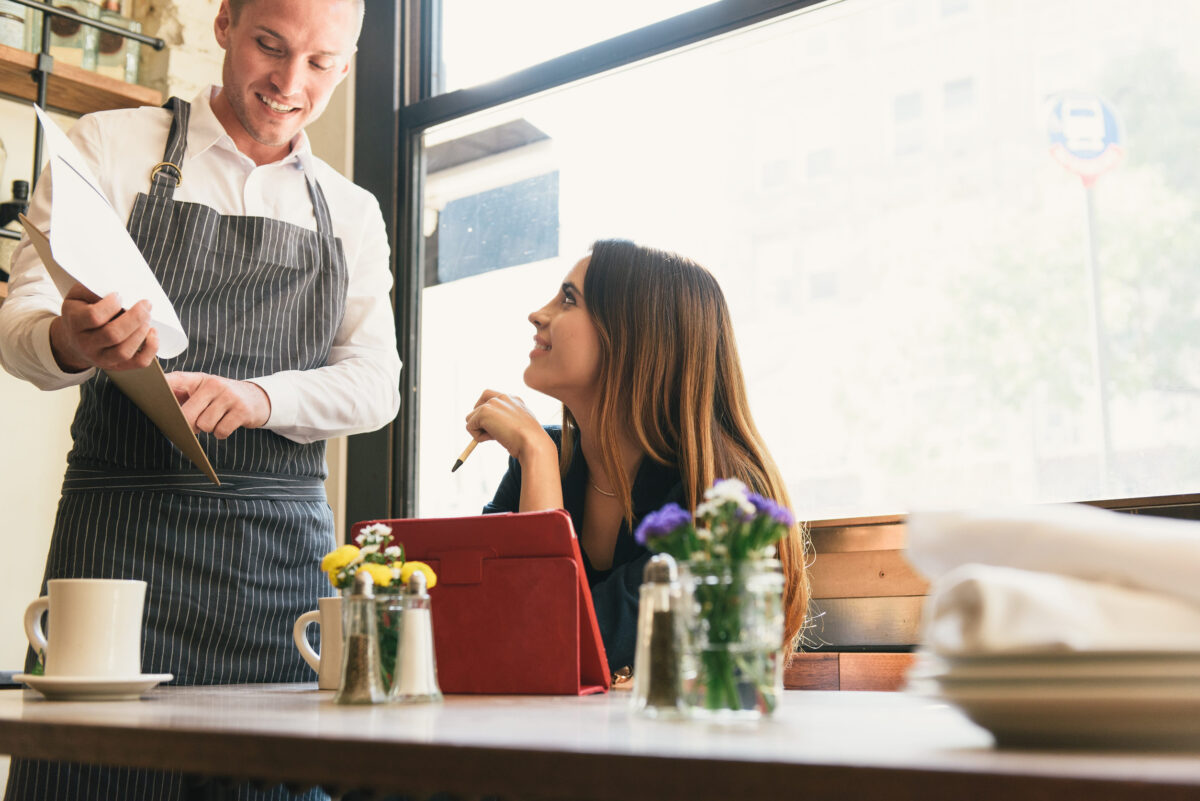
Servers are more than order-takers; they’re guides to the restaurant’s best offerings. Skipping their advice could mean you miss out on hidden gems, seasonal specials, or dishes the chef takes particular pride in. Simply asking for their recommendation can introduce you to flavors or combinations you wouldn’t have tried otherwise.
These suggestions aren’t random. Servers understand the menu, ingredient pairings, and preparation styles. Trusting their expertise turns a routine order into a curated culinary experience, helping you get the most out of every visit and giving the chef’s creativity the attention it deserves.
Overindulging on Complimentary Bread
Bread baskets are a classic temptation, but filling up too quickly before the main course can spoil your appetite. Enjoying a couple of slices is fine, but overindulging distracts from the chef’s primary dishes and can leave you too full to appreciate the main courses.
Moderation is key. Taking your time and savoring the bread keeps your palate ready for the main event. This simple adjustment allows each dish to shine, ensuring you enjoy the flavors, textures, and presentation the chef intended without feeling stuffed before the meal even begins.
Ignoring the Menu Before Arrival
Checking the menu online in advance helps avoid surprises about pricing or unavailable dishes. Many restaurants post menus on their websites or social media pages, allowing diners to plan ahead.
Previewing the menu ensures that you understand options, accommodate dietary needs, and stay within your budget. It also helps streamline ordering, letting the server focus on delivering exceptional service rather than answering basic questions about the menu.
Glued to Your Phone

Whether it’s a loud conversation, video chat, or constant scrolling, excessive phone use can ruin the atmosphere for everyone at the table. Excusing yourself to take calls outside maintains courtesy and allows the group to focus on each other.
Being present enhances social interaction and keeps attention on the meal itself. Respecting fellow diners and servers by limiting distractions demonstrates mindfulness and creates an environment where conversation and cuisine can be fully appreciated.
Showing Up During Peak Hours
Peak lunch and dinner times often mean crowded tables, slower service, and a rushed atmosphere. Arriving slightly before or after these busy periods ensures more attentive staff, a quieter setting, and a relaxed pace for your meal.
Dining off-peak isn’t just about avoiding crowds; it allows staff to dedicate more time and attention to your table, improving service quality and presentation. A well-timed visit can make the difference between a hurried dinner and an enjoyable culinary experience.
Faking a Food Allergy
Claiming an allergy when it’s simply a dislike creates unnecessary stress for kitchen staff. Kitchens take food allergies seriously, following strict protocols to avoid cross-contamination. Misrepresenting your needs can slow service and complicate operations.
Being honest about preferences lets chefs adjust dishes accordingly without imposing extra work or risk. Transparency not only saves the restaurant time but also ensures a smoother, safer, and more enjoyable experience for everyone involved.
Distrusting the Chef
High-end restaurants often offer tasting menus or specialty courses designed to showcase the chef’s creativity. Refusing to try these selections limits your culinary adventure and may prevent you from experiencing standout dishes.
Chefs craft their menus to balance flavors, textures, and presentation. Trusting their expertise allows you to enjoy a curated, elevated dining experience that extends beyond routine orders. Embracing these recommendations often results in memorable meals that leave a lasting impression.
Forgetting Proper Tipping

Tipping is an essential part of dining etiquette in many countries. Servers often rely on gratuities to make a living, and failing to tip appropriately can seem disrespectful. A standard 15-20% tip, adjusted for service quality, reflects your appreciation for their effort.
Tipping isn’t just about money; it’s a signal of respect and acknowledgment of the attention and hard work involved in providing a seamless dining experience. Proper gratuity encourages attentive service and maintains positive relationships with restaurant staff.
Leaving Without Complaining
If a dish or service isn’t up to standard, walking away without mentioning it denies staff the chance to resolve the problem. Polite feedback lets them correct mistakes and often results in a better experience.
Managers prefer real-time feedback over online reviews. Speaking up fosters accountability, improves your current visit, and helps restaurants refine service for future guests. Addressing issues directly ensures that everyone leaves the table satisfied.
Skipping Reservations

Assuming you can just walk in is risky at popular restaurants. Long waits, crowded tables, or even being turned away can turn a pleasant night into frustration. Booking a table in advance not only guarantees your spot but also signals to the restaurant that you respect their planning and schedule.
Platforms like OpenTable and Resy make this process effortless. Reservations allow staff to prepare efficiently, ensure a smoother dining experience, and even offer perks like better seating or priority treatment for regular patrons. A few minutes spent reserving saves hours of waiting and uncertainty.
Conclusion
Avoiding these ten common mistakes guarantees a smoother, more enjoyable dining experience. By being mindful, courteous, and proactive, you can turn every restaurant visit into a memorable night out.