Alaska’s Reindeer Sausage Is More Than a Tourist Curiosity: Here’s the Story Behind the Bun
Alaska has a way of making an ordinary lunch sound like an adventure. Order a reindeer sausage, and the name alone suggests something far removed from a standard hot dog. In Anchorage, the familiar street-food version puts reindeer-meat sausage in a bun, sometimes finished with grilled, Coca-Cola-glazed onions. It is an approachable introduction to an unfamiliar ingredient and a food whose story stretches beyond the sidewalk stand, into reindeer herding, family smokehouses and Alaska’s complicated history.
The first surprise is that “reindeer sausage” does not necessarily mean an all-reindeer link. Many versions blend reindeer with pork or beef, and recipes vary by producer. The second is historical: domestic reindeer were introduced to Alaska from the Russian Far East in 1892, rather than being the same thing as the wild caribou already living there. Today’s sausage brings those herding connections together with European-style meat processing and a recognizable street-food format. That combination helps explain why it feels distinctly Alaskan without a single origin story.
The Reindeer Story Began Long Before the Hot Dog Stand
Domestic reindeer arrived on the Seward Peninsula through a program promoted by Sheldon Jackson, a Presbyterian minister and federal education official. Jackson argued that introducing herding would improve the economic circumstances and food supply of Alaska Native communities. According to the National Park Service, Chukchi herders initially helped instruct Iñupiat participants; Sámi herders from Norway were recruited in 1894 and again in 1898. Those contributions matter: reindeer herding in Alaska developed through the knowledge and labor of several peoples, not simply through one official’s proposal.
The program’s stated goals also differ from its results. By 1904, missionary societies owned the vast majority of Alaska’s 10,234 reindeer, the National Park Service reports. Congressional concerns about the arrangement prompted a federal investigation in 1905 by Frank Churchill. His findings helped bring changes that removed missionary societies from management of the Reindeer Service and prevented them from profiting from herding. This was not an uncomplicated story of officials introducing a helpful animal and everything working as promised.
Over time, however, herding became established within western Alaska communities. The University of Alaska Fairbanks’ Reindeer Research Program describes it as a continuing cultural and traditional mainstay in many western villages. That history gives the ingredient significance beyond its novelty on a menu. It also requires a distinction: the introduction of domestic reindeer is not the beginning of Indigenous food knowledge in Alaska. Reindeer herding joined existing ways of living, hunting and fishing, rather than creating food culture where none had existed.
Family Smokehouses Turned the Ingredient Into a Familiar Food
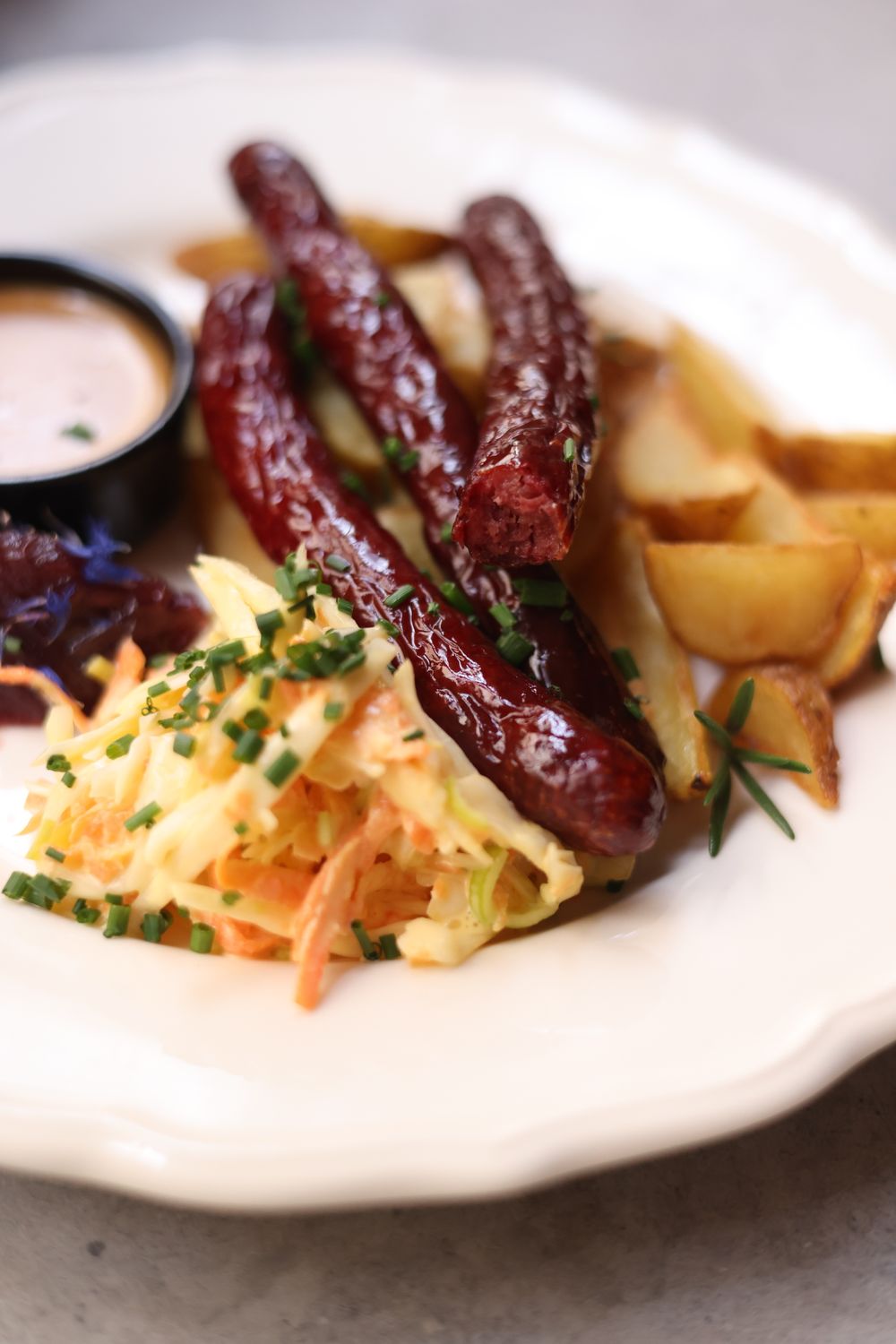
The sausage story adds another layer: longstanding processors adapted reindeer meat to their own recipes and techniques. Anchorage-based Alaska Sausage & Seafood says its signature sausage with reindeer follows a recipe developed by its German founder in 1963. The company describes a Polish-style sausage seasoned and smoked over alderwood in its on-site smokehouses. Its suggested uses include grilling, pan-frying for breakfast, and slicing into pasta or soup. That range places the product beyond a single tourist experience, presenting it as an ingredient for several kinds of meals.
Indian Valley Meats, which opened in Indian, Alaska, in 1976, offers another family-business perspective. In a 2024 Travel Guide Books profile, Renia Kukowski recalled how her father, trained meat cutter Doug Drum, developed products with help from people around him. “My Dad knew how to butcher and grind meat for burgers. He had local friends that pitched in and helped him develop the recipes for reindeer polish sausages and the teriyaki sticks,” she said. Then came the wonderfully practical footnote: “I remember there were a lot of burned batches.”
Kukowski also described her father working with reindeer herd owners on St. Paul Island to help them obtain state inspection, allowing the meat to be processed and sold to individuals. His business later offered meat-processing instruction to people from villages, covering skills such as sharpening knives, packaging and selling meat. The exchange was not one-directional. “But it was more than just my Dad teaching. There was a real sharing of knowledge where he learned about things like processing a whale,” Kukowski said.
Those examples explain why the sausage’s identity is a blend in more than one sense. Some products combine different meats, while their history brings together herding, local collaboration and imported sausage-making traditions. There is no single recipe that represents every maker.Alaska Sausage & Seafood offers medium and hot versions, for example, while other processors publish different formulations. The useful question is not whether one link defines the whole state, but how individual businesses have made the ingredient part of their own continuing food traditions.
Related: 6 Lunch Meats From the 1970s That Have Nearly Disappeared From Everyday Lunchboxes
Anchorage Gave Reindeer Sausage a Street-Food Identity
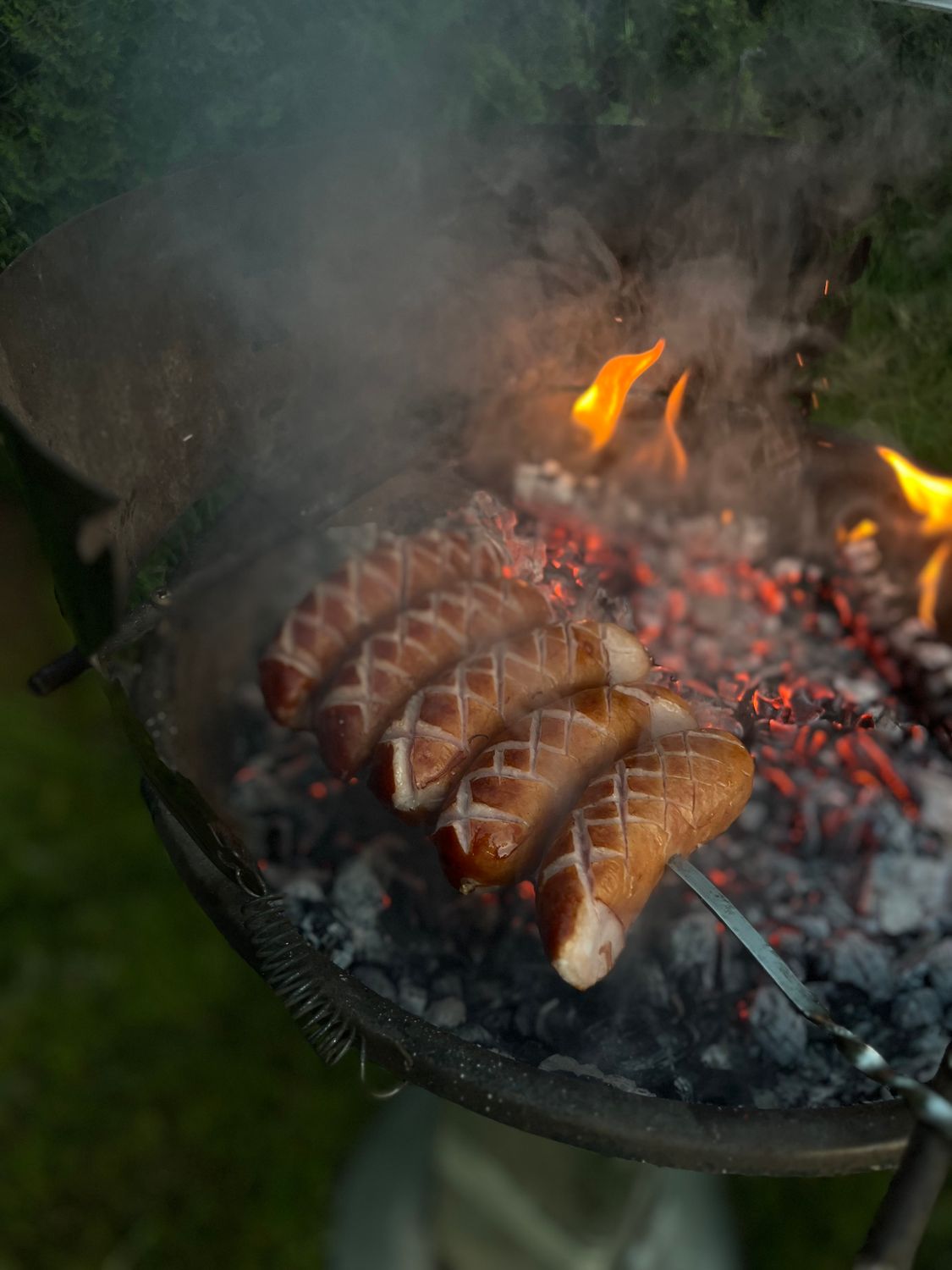
The reindeer dog makes that history easy to encounter.Gastro Obscura describes Anchorage’s version as a blend of reindeer meat with pork or beef, served with toppings that can include Coca-Cola-glazed onions, mustard, ketchup and relish. It characterizes the meat’s flavor as milder and less gamey than venison. That describes the food, not a guarantee that every producer’s sausage tastes identical. Seasoning, smoking and the meat mixture all belong to the particular product being served.
For visitors, the familiar bun-and-toppings format provides a straightforward way to try it. For anyone buying packaged sausage, the label is more informative than the name alone: a product described as sausage “with reindeer” should not automatically be assumed to contain only reindeer, or to use a fixed percentage. Likewise, an Alaska-made sausage does not, by itself, document where every ingredient originated. Ask the producer about the formulation and sourcing when those details matter, rather than treating the regional name as a complete ingredient statement.
That is what makes reindeer sausage worth understanding beyond the first surprised reaction.Its distinctiveness comes from several connected stories: introduced herds that became part of western Alaska life, processors refining recipes over decades, and street vendors making the product accessible in downtown Anchorage. Kukowski summed up the community element in her family’s business this way: “That sense of community where everyone pitches in and comes together is what makes Alaska unique.” The sausage is one tangible expression of that history, whether it arrives sliced at breakfast or tucked into a bun.