11 Reasons Why Viral Recipes Fail And How We Waste Ingredients
A viral recipe can make the kitchen feel like a stage. The cheese stretches perfectly, the sauce glows in soft light, the cake rises effortlessly, and the final bite looks so good that we almost trust it before reading a single instruction. That is the spell of food content on social media, and it works because it is built for the eyes first.
The problem is simple. We cannot taste through a screen, and we cannot measure reliability by views, likes, comments, or saves. A recipe can be beautiful, fast, dramatic, and completely unreliable once we bring it into a real kitchen with real pans, real ovens, real ingredients, and real timing.
That does not mean every viral recipe is bad. Some social media cooks are skilled, generous, and careful. Some recipe developers share brilliant shortcuts that genuinely make cooking easier. Still, if we want a recipe to work more than once, we need to judge it like cooks, not like viewers. The smartest approach is not to reject every viral dish. We need to learn how to spot the red flags before we spend money, time, and patience on a recipe designed to entertain more than to instruct.
Comments Can Reveal Recipe Problems Before We Start

The comment section can be more useful than the video itself. If many people say the recipe came out watery, raw, bland, burnt, greasy, or nothing like the video, we should pay attention. A few failures may come from user error, but repeated complaints often point to a weak recipe.
We should look for patterns. If several cooks ask for missing oven temperatures, the recipe is incomplete. If many say the middle stayed raw, the timing may be wrong. If people say the sauce splits, the method may be unstable. If viewers ask for measurements and the creator never answers, that is another warning sign.
Positive comments can also be misleading. Many people comment before cooking because the video looks good. Phrases like “I need to try this” or “this looks amazing” do not prove the recipe works. We should value comments from people who actually made it. A recipe with real feedback, clear answers, and successful recreations is much safer than one supported only by excitement.
Viral Recipes Are Often Built For Attention Before Accuracy
Social media rewards food that makes people stop scrolling. That means big cheese pulls, glossy sauces, dramatic cuts, shocking combinations, oversized portions, and shortcuts that sound almost too easy. A video promising bread with one ingredient, pasta without boiling water, or cake with no real structure can travel quickly because it feels surprising.
The issue is that surprise does not equal testing. A recipe can be filmed once, edited tightly, colour corrected, and posted with confidence, even if it only worked under very specific conditions. We may see the beautiful final result, but we rarely see the failed attempts, the missed corrections, the time spent resting, the exact pan size, or the parts edited out because they looked messy.
Real cooking depends on details. Oven temperature, ingredient weight, pan material, heat level, mixing time, resting time, humidity, and even the brand of flour can change the outcome. A short video may hide those details because the goal is speed and satisfaction, not full instruction. That is why we need to separate food inspiration from reliable recipes. A viral clip can give us an idea, but a tested recipe gives us a path.
The Biggest Red Flag Is Missing Measurements
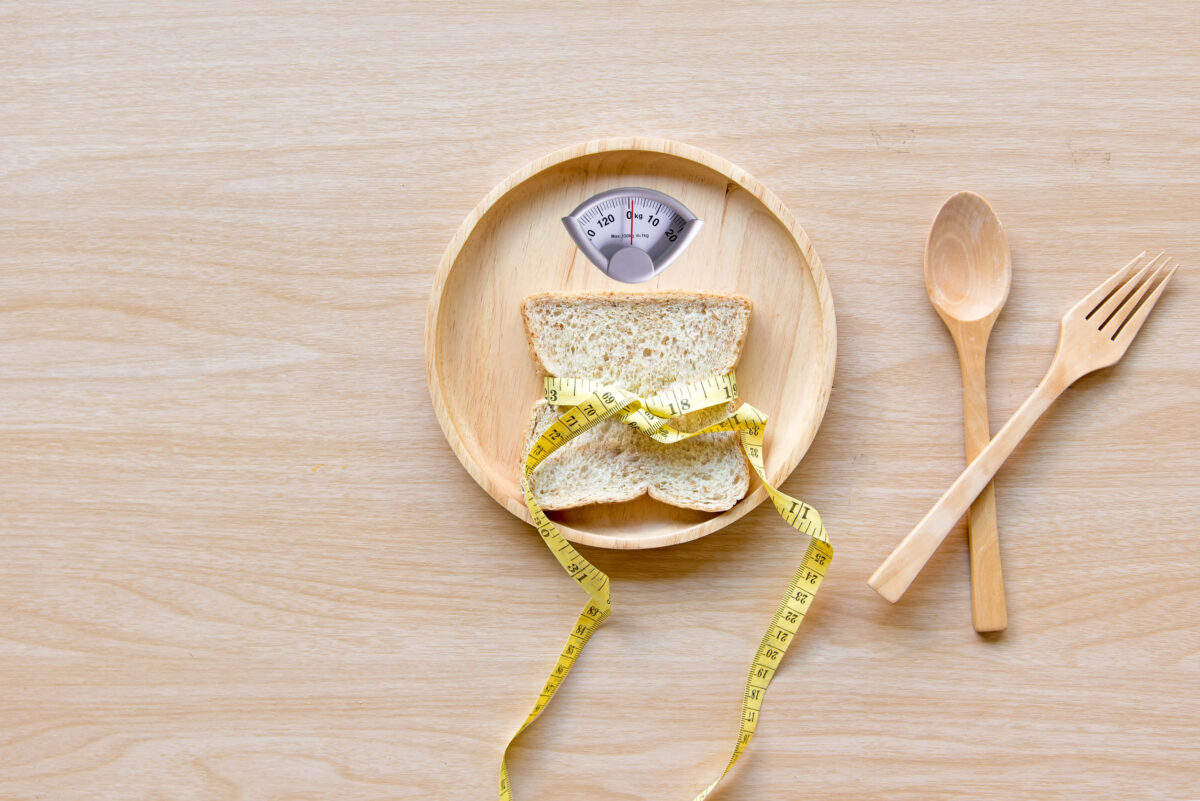
A recipe without clear measurements asks us to guess. That may work for an experienced cook making soup, stew, roasted vegetables, or a casual sauce, but it becomes risky with baking, frying, doughs, custards, cakes, and any dish that depends on balance. A little too much flour can turn soft dough into a brick. Too much liquid can make a batter collapse. Too much baking powder can leave a bitter taste and a strange texture.
Viral recipes often use vague phrases like “some flour,” “a little milk,” “a bit of oil,” or “season to taste.” These phrases may sound relaxed, but they can leave home cooks stranded. A viewer may copy the same motion on screen and still use twice as much because their spoon, bowl, or ingredient texture is different.
Reliable recipes give exact amounts. Strong recipes also explain whether ingredients should be packed, sifted, melted, softened, chopped, drained, or measured by weight. That level of detail may feel less exciting than a fast video, but it saves the dish. If we cannot tell how much of each ingredient goes into the bowl, we should not treat the recipe as dependable. We can use it as inspiration, but we should look for a written version with tested measurements before cooking.
Vague Timing Can Ruin A Good Idea
Timing matters because food changes quickly under heat. Garlic can go from fragrant to bitter in seconds. Chicken can move from juicy to dry if left too long. Caramel can turn from golden to burnt before we finish washing a spoon. A recipe that skips timing leaves us with guesswork at the worst possible moment.
Many viral recipes move too quickly to show the actual cooking time. A sauce may look thick after a jump cut, but we do not know if it simmered for 5 minutes or 25. Dough may appear ready after a quick fold, but we do not see whether it rested for an hour. Meat may look cooked on the outside, but the video may never show the internal temperature.
Strong recipes give time ranges and visual cues. They may say to sauté onions for 6 to 8 minutes, until soft and lightly golden, or to bake a cake for 30 to 35 minutes, until a tester comes out with a few moist crumbs. That combination of time and sensory detail helps us adjust across different kitchens. A recipe that only says “cook until done” is not helpful enough. We need to know what done looks like, smells like, feels like, and sometimes measures like.
Unrealistic Cooking Times Should Make Us Pause

One of the easiest ways to spot a weak viral recipe is to check whether the cooking time makes sense. If a thick chicken breast, raw rice, dense potato, or large roast is shown as finished in a shockingly short window, we need to question it. Some foods simply need time for the heat to move through them.
Shortened timing is common in social media cooking because videos must keep attention. A creator may compress the process so aggressively that the dish appears easier than it is. The final product may have been prepared separately, cooked longer off camera, or filmed after several attempts.
We should be especially careful with meat, seafood, eggs, rice, beans, and baked goods. These foods can fail in serious ways if timing is wrong. Undercooked chicken is unsafe, underbaked bread can be gummy, and rushed rice can be hard in the middle. A dependable recipe respects time. It may offer shortcuts, but it does not pretend physics stopped working for the camera.
Baking Recipes Need More Precision Than Most Viral Videos Provide
Baking is less forgiving than casual cooking because it depends on chemistry. Flour, fat, sugar, eggs, leavening, liquid, temperature, and mixing all work together. If one piece is off, the result can sink, spread, crack, dry out, or turn dense.
That is why many viral baking hacks fail. They promise a cake, cookie, cheesecake, or bread with fewer ingredients than the structure requires. Sometimes the result looks good for a few seconds on camera, but it may taste rubbery, collapse after cooling, or depend on a very specific brand of ingredient.
A good baking recipe should include the oven temperature, pan size, mixing method, ingredient temperatures, baking time, cooling instructions, and signs of doneness. It should explain whether butter should be cold, softened, melted, or browned. It should clarify whether the eggs are at room temperature and whether the flour is measured by weight or by cups. If a viral baking recipe skips these details, we should expect unpredictable results. Baking does not reward mystery.
The Pan Size And Equipment Matter More Than Social Media Suggests
A recipe can fail because we used the wrong pan, even if every ingredient was correct. A cake baked in a pan that is too small can overflow or stay raw in the centre. A crowded sheet pan can steam vegetables instead of roasting them. A thin skillet can burn the outside of food before the inside cooks properly.
Viral videos rarely focus on equipment because pans and tools are not as exciting as the final shot. Still, equipment affects heat, moisture, browning, and timing. A cast iron skillet behaves differently from a nonstick pan. A glass baking dish heats differently from a metal one. An air fryer basket cooks differently from a full oven.
Reliable recipes name the pan size and sometimes offer substitutes. They tell us whether to line the pan, grease it, preheat it, or leave space between ingredients. These instructions may seem small, but they often decide the outcome. Before making a viral recipe, we should compare our equipment with what the recipe appears to use. If the creator gives no pan size, no oven setting, and no tool guidance, the risk rises fast.
Edited Videos Can Hide The Hardest Parts

Food videos are shaped by editing. A messy batter can become a perfect cake in one cut. A long simmer can vanish between two seconds of footage. A broken sauce can be replaced by a smooth one. A failed flip, torn wrap, or burnt bottom can disappear completely.
That editing is not always dishonest. Short videos need compression. Still, compression can make difficult techniques look effortless. A beginner may believe they did something wrong when the real issue is that the video removed the hard part.
Common hidden steps include chilling dough, reducing sauce, draining moisture, preheating pans, resting meat, cooling cakes, kneading properly, and cooking in batches. These steps may not be glamorous, but they make food work. We should be careful with recipes that jump from raw to perfect without showing the transition. The middle of a recipe is where the truth usually lives.
Sensory Cues Make A Recipe Easier To Trust
Good recipes teach us how to observe food. They do not rely only on the clock because every kitchen behaves a little differently. Instead, they give signs that help us cook with confidence.
A strong recipe may tell us to cook onions until translucent, whisk sauce until it coats the back of a spoon, roast vegetables until the edges are browned, or bake bread until it sounds hollow when tapped. These cues help us make decisions even if our stove runs hot or our oven runs cool.
Viral recipes often skip sensory cues because they are harder to fit into a short caption. The creator may assume the video is enough. But a visual clip does not tell us everything. Lighting can change colour, editing can shorten texture changes, and camera angles can hide consistency. We should trust recipes that describe the process in human terms. Cooking is not just following instructions. It is noticing what food is doing.
Ingredient Substitutions Can Break A Viral Recipe
Many viral recipes seem flexible because they are presented casually. We may think we can swap Greek yoghurt for sour cream, almond flour for wheat flour, coconut milk for cream, or low-fat cheese for full-fat cheese without consequences. Sometimes we can. Sometimes we cannot.
Substitutions change moisture, fat, protein, starch, acidity, and structure. That matters in sauces, cakes, breads, casseroles, cheesecakes, pancakes, and fried foods. A recipe that works with one ingredient may fail with another because the chemistry changes.
Good recipes explain which substitutions are safe and which ones are risky. They may say a certain cheese melts better, a certain flour absorbs more liquid, or a certain milk creates a thinner sauce. Viral recipes often leave that out because the goal is to make the dish look easy. If we plan to change ingredients, we should start with a recipe that already gives substitution guidance. Guessing can work, but it can also turn dinner into a lesson we did not want to pay for.
Too Simple Can Be A Warning Sign
Some viral recipes become popular because they promise huge results from almost nothing. Two-ingredient desserts, one-ingredient breads, no-knead miracles, no-bake shortcuts, and instant versions of slow dishes all appeal to us because they feel clever. We want the reward without the work.
There are real shortcuts in cooking. A smart shortcut removes unnecessary effort without damaging the result. A bad shortcut removes the part that made the dish work in the first place.
A recipe can be simple and reliable, but simplicity must still make culinary sense. Pancakes need structure. Bread needs a form of leavening and gluten development or a strong substitute. Cheesecake needs a balance between fat, protein, sugar, and setting power. Sauces need emulsification, reduction, starch, or another thickening method. If a viral recipe sounds too magical, we should inspect it carefully. Good cooking can be easy, but it rarely survives on vibes alone.