8 Alarming Reasons Independent Women Are Losing Faith in Marriage Today
Marriage has changed. For independent women who have built careers, achieved financial stability, and cultivated personal freedom, the traditional idea of marriage is no longer automatically appealing.
Modern women want partnerships that respect their autonomy, share responsibilities, and provide emotional fulfillment. When marriage fails to meet these expectations, faith in it diminishes.
The reasons women are losing faith in marriage today are clear and interconnected. They reflect social, economic, and cultural changes that shape how independent women approach relationships.
Financial Freedom Makes Marriage Optional

Many independent women no longer need a husband to provide financial security. With their own income, savings, and investments, marriage is a choice, not a necessity. Financial independence gives women leverage to evaluate partners carefully.
They can prioritize emotional connection, respect, and shared goals rather than settling for marriage as a means of stability. For these women, marrying someone who does not match their values or ambitions feels unnecessary.
Divorce Rates Create Skepticism
High divorce rates contribute to distrust in the institution of marriage. Many independent women have observed friends, family members, or colleagues experience painful separations.
This exposure fosters caution. Women who value stability and emotional security are less likely to enter a marriage without assurance of shared commitment and effort. Divorce statistics make them more likely to question whether marriage will deliver happiness or create complications.
Emotional Labor Often Falls on Women
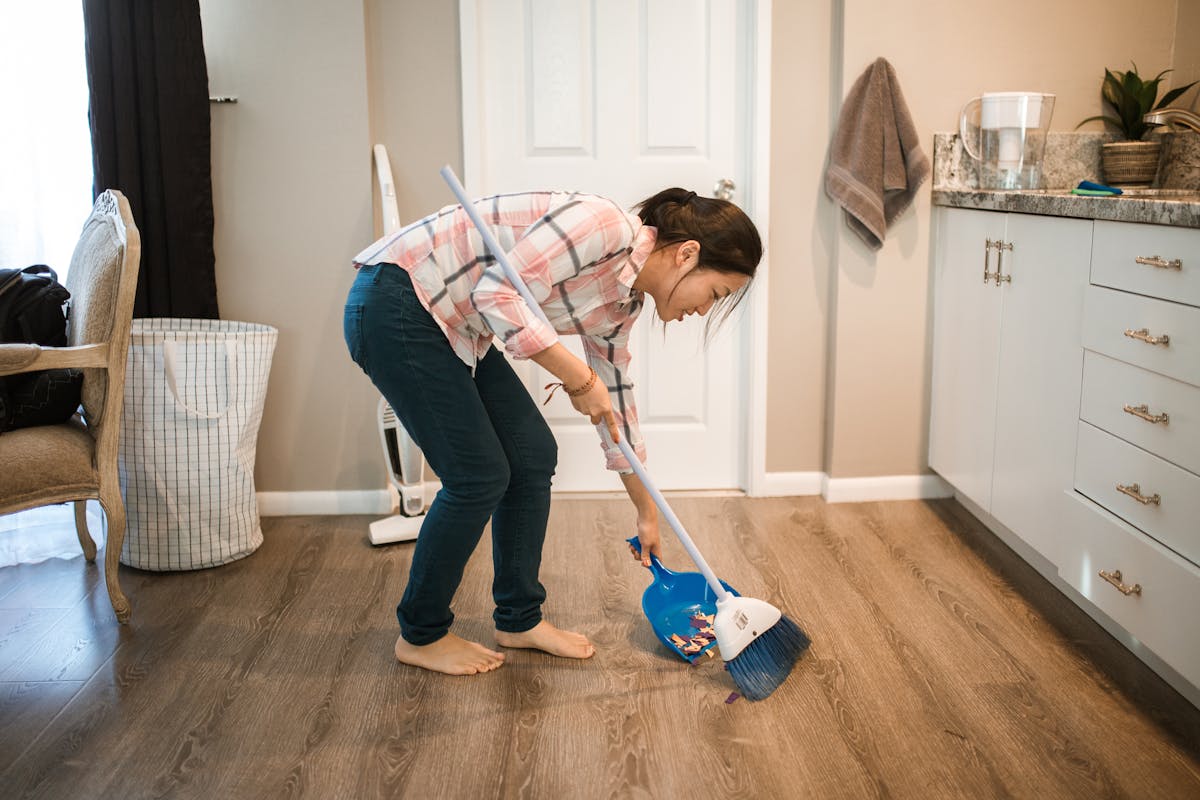
Even in modern relationships, women are frequently expected to manage the majority of emotional work. This includes planning social events, managing household needs, and supporting their partner emotionally.
Independent women accustomed to equal partnerships may find this imbalance exhausting. When marriage demands disproportionate emotional effort, women feel burdened and undervalued, which erodes faith in the relationship’s sustainability.
Traditional Gender Roles Are Restrictive
Marriage often carries outdated expectations that women should balance work, family, and household duties simultaneously. Independent women resist these roles, seeking relationships where their ambitions and autonomy are respected.
If a partner expects adherence to traditional norms, marriage feels constraining. Women increasingly prioritize equality, respect, and shared decision-making over societal pressure to conform.
Fear of Losing Personal Freedom
Marriage introduces responsibilities, compromises, and sometimes restrictions. Independent women may worry that commitment could limit their autonomy, career choices, or lifestyle flexibility.
Concerns about losing freedom can outweigh the desire to marry. Women who value independence carefully evaluate partners and avoid marriages that might interfere with personal growth or mobility.
High Standards for Partners
Independent women have high expectations for emotional intelligence, shared values, and mutual ambition. They seek partners who are equally invested in growth, communication, and contribution.
When men do not meet these standards, women may choose to delay or reject marriage. Emotional compatibility, shared vision, and respect are more important than traditional roles or social expectations.
Career and Personal Goals Take Priority

Professional achievements and personal milestones often take precedence over marriage. Women focus on education, career advancement, and entrepreneurship before considering long-term commitment.
Delaying marriage allows women to gain security, independence, and clarity about what they want from a relationship. This shift reduces the pressure to marry early or settle for a partnership that does not fully align with their goals.
Exposure to Alternative Lifestyles

Independent women increasingly see successful relationships outside traditional marriage. Cohabitation, long-term partnerships, or remaining single are all viable options for companionship and fulfillment.
This exposure demonstrates that marriage is not the only path to stability or happiness. Women are now more likely to question whether marriage is necessary at all, choosing options that allow greater freedom and personal growth.
Conclusion
Independent women are losing faith in marriage due to financial freedom, high divorce rates, unequal emotional labor, restrictive gender roles, fear of lost autonomy, high standards for partners, career priorities, and awareness of alternative lifestyles. Modern marriage must evolve to respect independence, equality, and shared responsibility.
Faith in marriage today depends on partnerships that provide emotional support, mutual respect, and autonomy. Women no longer view marriage as a default life goal; it must meet high expectations for equality, fulfillment, and shared growth to remain relevant.