10 Foods That Seemed Better When We Were Kids
You bite into a snack you loved as a kid and immediately think: Wait… was this always like this?
The fries seem less savory. The cereal looks less exciting. The cookie filling feels different. Naturally, your brain jumps to the most satisfying explanation: They changed the recipe.
Sometimes, you’re right.
Other times, nostalgia, adulthood, freshness, preparation, and even appearance can make an old favorite seem very different from the version stored in your memory.
Here are 10 foods that regularly inspire the “it used to taste better” debate and what may actually be going on.
McDonald’s French Fries
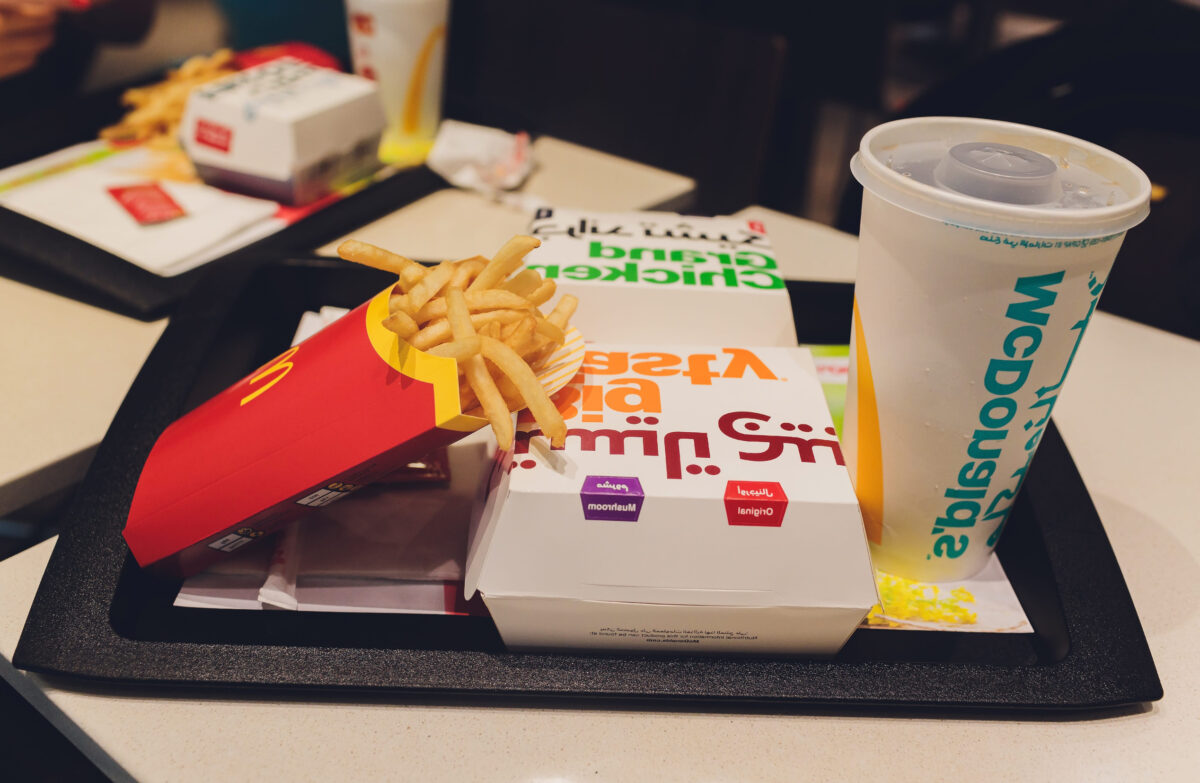
If there were an Olympics for food nostalgia, old-school McDonald’s fries would make the podium.
Before 1990, McDonald’s cooked its fries using a frying fat heavily based on beef tallow. The company later switched to vegetable oil amid concerns about saturated fat and cholesterol.
That matters because frying fat affects aroma, crispness, mouthfeel, and flavor. So when longtime customers say the old fries tasted richer and beefier, a genuine recipe change is behind the memory.
One important detail: today’s U.S. fries still contain natural beef flavor. The real difference is the frying medium, and that alone can noticeably change the eating experience.
Trix Cereal
Remember when Trix looked like someone had turned the color setting all the way up?
In 2016, General Mills replaced artificial colors and flavors with ingredients such as radishes, purple carrots, and turmeric. The cereal looked less neon, and many customers complained it didn’t taste the same either.
The backlash became strong enough that General Mills brought “Classic Trix” back in 2017 alongside the naturally colored version.
Part of the difference may have been psychological too. Color helps shape our expectations of flavor. If a childhood cereal suddenly looks muted and wholesome, your brain may expect it to taste less exciting.
Pizza Hut Original Pan Pizza
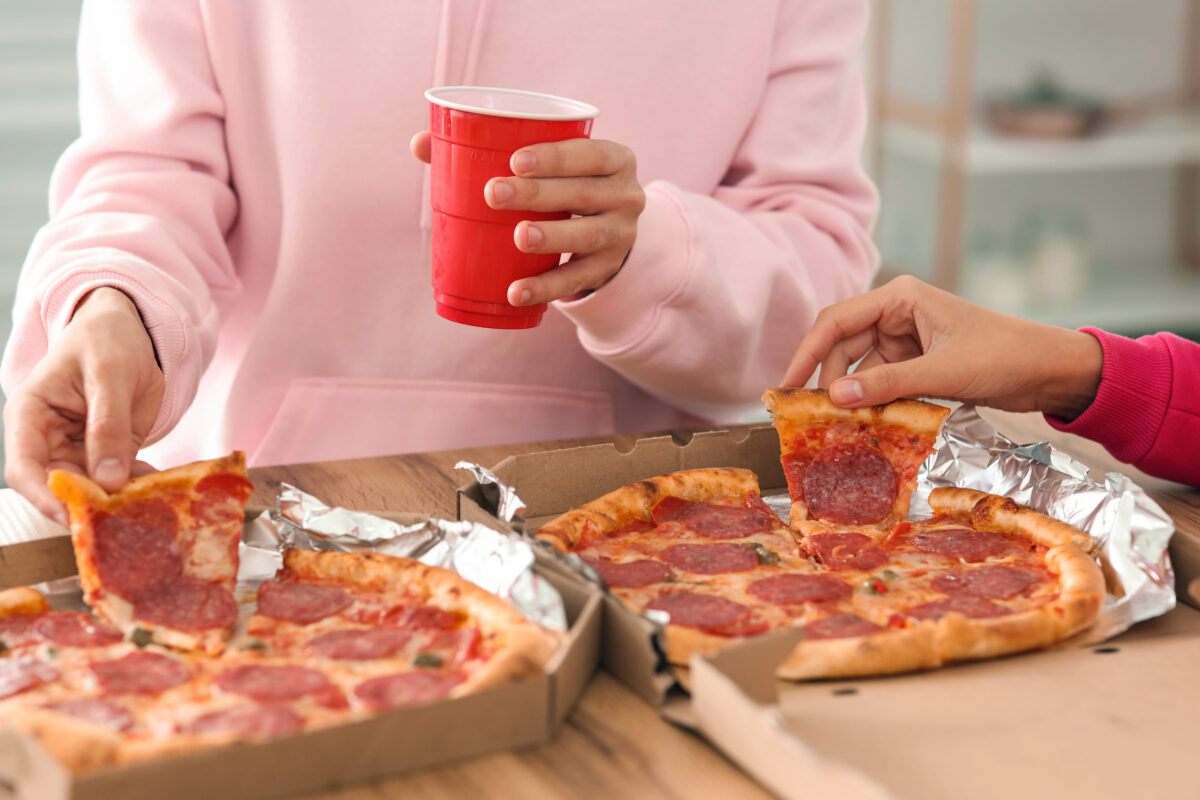
For a certain generation, Pizza Hut Pan Pizza is basically edible childhood: birthday parties, Book It! rewards, red plastic cups, and a crust with an oily, crispy edge.
In 2019, Pizza Hut announced that it had remade Original Pan Pizza for the first time in nearly 40 years.
The company changed the cheese blend, sauce, and even the pans used to cook the pizza. Pizza Hut said the update was designed to make the crust crispier.
Some longtime customers disagreed, saying the revised version felt breadier or less crunchy.
Of course, another factor matters. A pan pizza eaten fresh in a restaurant is very different from one that has spent 25 minutes steaming inside a delivery box. Childhood memory may be comparing the best possible pizza with an average Tuesday night delivery.
Oreo Cookies
If modern Oreos seem slightly different to you, there is a plausible reason.
During the 2000s, Kraft moved Oreos away from partially hydrogenated soybean oil as the food industry worked to reduce trans fats. Reports from the period said the company conducted around 120 manufacturing trials before settling on a canola and palm oil blend.
Why does that matter? Fat affects more than richness. It influences how a cookie snaps, how the filling melts in your mouth, and whether something feels creamy or waxy.
So yes, an Oreo can look nearly identical while feeling different once you actually eat it.
Kraft Mac & Cheese
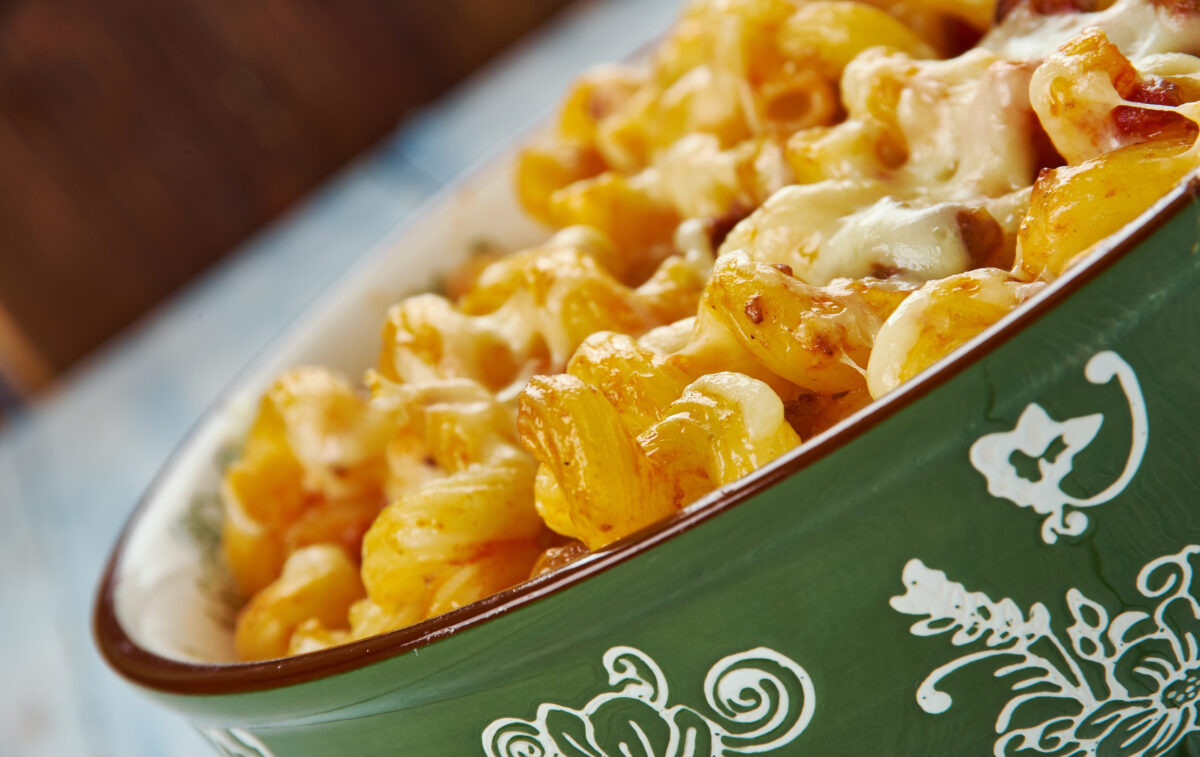
Few foods are as strongly tied to childhood as a bowl of bright orange Blue Box mac and cheese.
In 2015 and 2016, Kraft removed synthetic dyes Yellow 5 and Yellow 6 along with artificial preservatives, replacing the colors with ingredients including paprika, annatto, and turmeric.
The funny part is that Kraft quietly sold more than 50 million boxes using the updated recipe before widely announcing the change.
The company said consumers had essentially taken part in a giant blind taste test and mostly did not notice.
So if you think today’s version tastes different, you may genuinely perceive a change. But the best-documented reformulation involved coloring and preservatives, not proof that Kraft intentionally reduced the cheesy flavor.
MoonPie
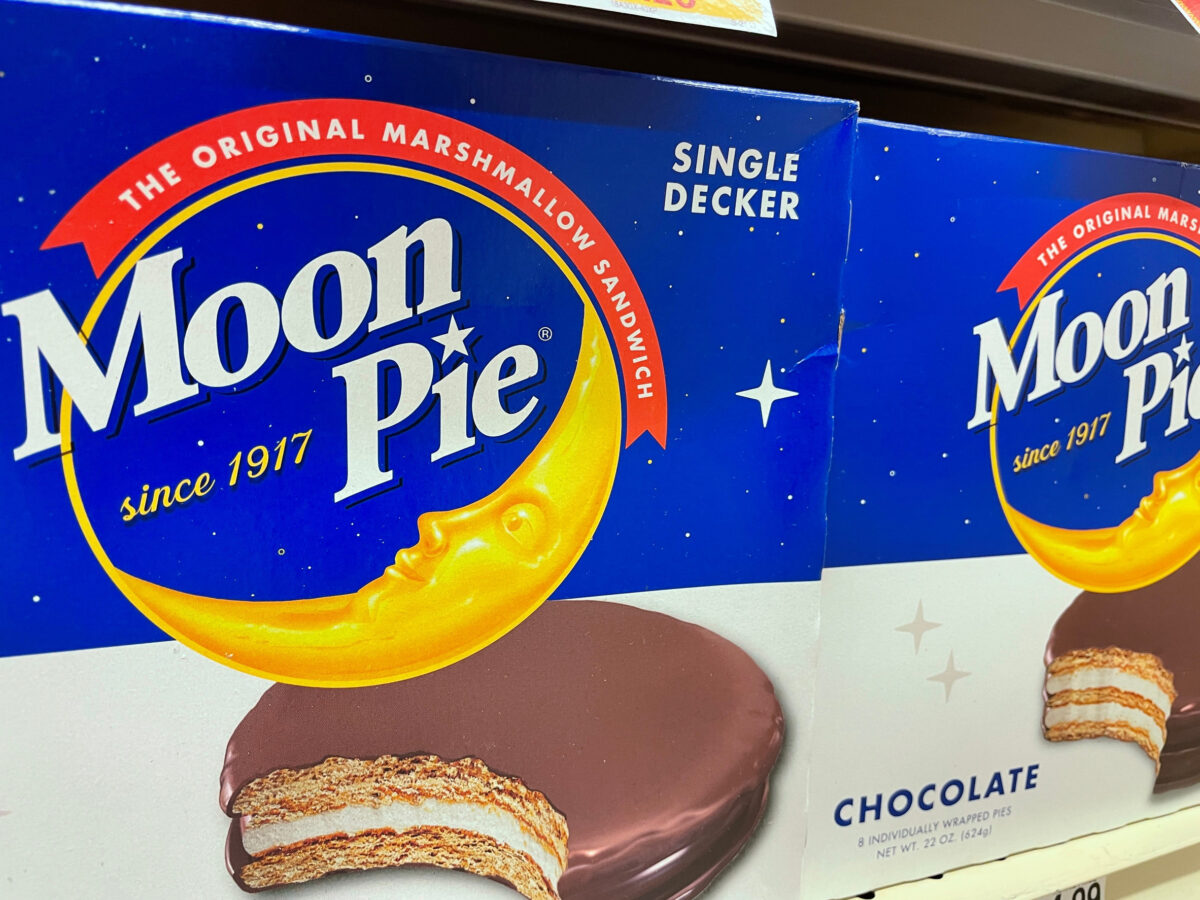
MoonPie offers an interesting twist because the company actually tried to move its recipe back toward an older version.
In 2017, around its 100th anniversary, MoonPie promoted an “Original Recipe” that replaced high fructose corn syrup with real sugar and removed preservatives.
The company said the change returned the snack toward the style of formula used from the 1920s through the late 1970s.
That means your memory of MoonPie can depend heavily on when you grew up. Someone who ate them in the 1970s may remember a different formula from someone who discovered them in the 1990s.
Coca-Cola and New Coke
No conversation about nostalgic recipe changes is complete without New Coke.
In April 1985, Coca-Cola replaced its long-running formula with a sweeter version after extensive taste testing. The new formula had actually performed well in tests involving nearly 200,000 consumers.
Then the backlash arrived.
Just 79 days later, Coca-Cola restored the original as Coca-Cola Classic.
New Coke is a perfect example of how taste is not purely about sweetness or ingredients. People were also reacting to the loss of something familiar, personal, and emotionally important.
Dunkaroos
Dunkaroos returned to U.S. shelves in 2020 after disappearing in 2012, and many adults quickly said the revived snack “didn’t hit the same.”
One problem with that theory. General Mills has said it brought back the same original cookie and frosting recipe.
Without stronger evidence, it is hard to say the recipe truly changed.
Eight years away from a childhood snack gives your brain plenty of time to turn it into something legendary. Sometimes the secret ingredient really is being 10 years old.
Related:5 Iconic ’90s Lunch Foods That Defined a Generation
Hershey’s Milk Chocolate
Modern Hershey’s chocolate also attracts plenty of complaints from people who remember it as creamier when they were younger.
This one needs careful wording.
Evidence shows ingredient and formulation changes across some Hershey products, but available research does not firmly support the popular claim that the standard U.S. Hershey’s Milk Chocolate bar underwent the dramatic cocoa butter substitution often discussed online.
Adult palates can also change. Once you become used to darker, less sweet, or premium chocolate, the candy bar you adored as a child can suddenly taste much sweeter or more acidic.
Drumstick Cones
Many people remember Drumsticks simply as classic ice cream cones.
Today, the standard U.S. Vanilla Drumstick is labeled a frozen dairy dessert rather than ice cream. Its ingredient list includes dairy ingredients along with plant oils, emulsifiers, and stabilizers.
Those ingredients can affect creaminess, melting, and texture.
However, the historical timeline isn’t clear enough to say exactly when the product changed or whether every childhood version differed significantly from today’s.
The familiar cone, chocolate coating, peanuts, and little chocolate nugget at the bottom are still part of the experience.
Why Childhood Food Often Seems Better
Sometimes the food really did change.
McDonald’s changed its frying fat. Oreo changed its oil system. Pizza Hut reworked its Pan Pizza. Trix went through a major reformulation.
But we changed too.
Flavor depends on taste, smell, texture, temperature, appearance, and expectation. Childhood foods also become attached to birthdays, family outings, lunchboxes, vacations, and treats that felt special.
That means two things can be true at once: the food may have changed, and your memory may have made the old version even better.
Unfortunately, nobody has figured out how to package the flavor-enhancing power of being nine years old with zero responsibilities.
Relted: 8 Forgotten Childhood Foods That Should Be Part of Everyone’s Menu