10 Healthiest Winter Vegetables and Fruits You Should Carefully Eat This Season
Winter doesn’t have to be all about comfort foods that leave you sluggish and regretful. As tempting as it is to indulge in heavy, calorific dishes during the colder months, it’s crucial to fuel your body with nutritious options. However, not all winter produce is as beneficial as it’s made out to be. In this list, we uncover the winter vegetables and fruits that are touted as “healthy” but may actually leave you feeling more bloated and sluggish. Let’s explore why you might want to reconsider your winter diet.
Carrots

Carrots are often hailed as a go-to winter vegetable, but they’re packed with sugars that could wreak havoc on your blood sugar levels. Although they are high in vitamin A, this root vegetable’s high glycemic index can cause insulin spikes, leading to energy crashes. For a healthier alternative, try incorporating leafy greens such as spinach or kale. These options offer more fiber, fewer sugars, and even more vitamins, without the unwanted sugar overload.
Sweet Potatoes
Sweet potatoes are often seen as a healthier carb, but they can quickly turn into a calorie trap if consumed mindlessly. While they are rich in vitamins and fiber, their high carbohydrate content can lead to weight gain if consumed in excess. Instead, consider swapping them out for cauliflower or butternut squash, which provide similar nutritional benefits without the calorie-heavy burden. Moderation is key here!
Apples

While apples may be a classic winter snack, they are often loaded with natural sugars that can derail your healthy eating plans. Their fiber content is solid, but their sugar content can spike blood glucose levels. If you’re craving a sweet treat, try switching to pears or citrus fruits, which have lower sugar levels and provide more hydration.
Potatoes
Potatoes, particularly in their fried or mashed forms, are a winter staple for many. However, this comforting food is loaded with simple carbohydrates that are quickly digested, leading to a rapid rise in blood sugar. Opt for root vegetables like turnips or rutabagas, which offer fewer carbs and more fiber, helping you feel fuller for longer without a sugar crash.
Bananas
Bananas, often praised for their potassium, are a fruit that’s best avoided during the colder months if you’re trying to manage your weight. Their high sugar content and dense carbohydrate profile can make them less than ideal when you’re aiming to reduce bloating or keep your calorie count in check. Instead, try berries or grapefruit, which are rich in antioxidants and lower in sugar.
Winter Squash
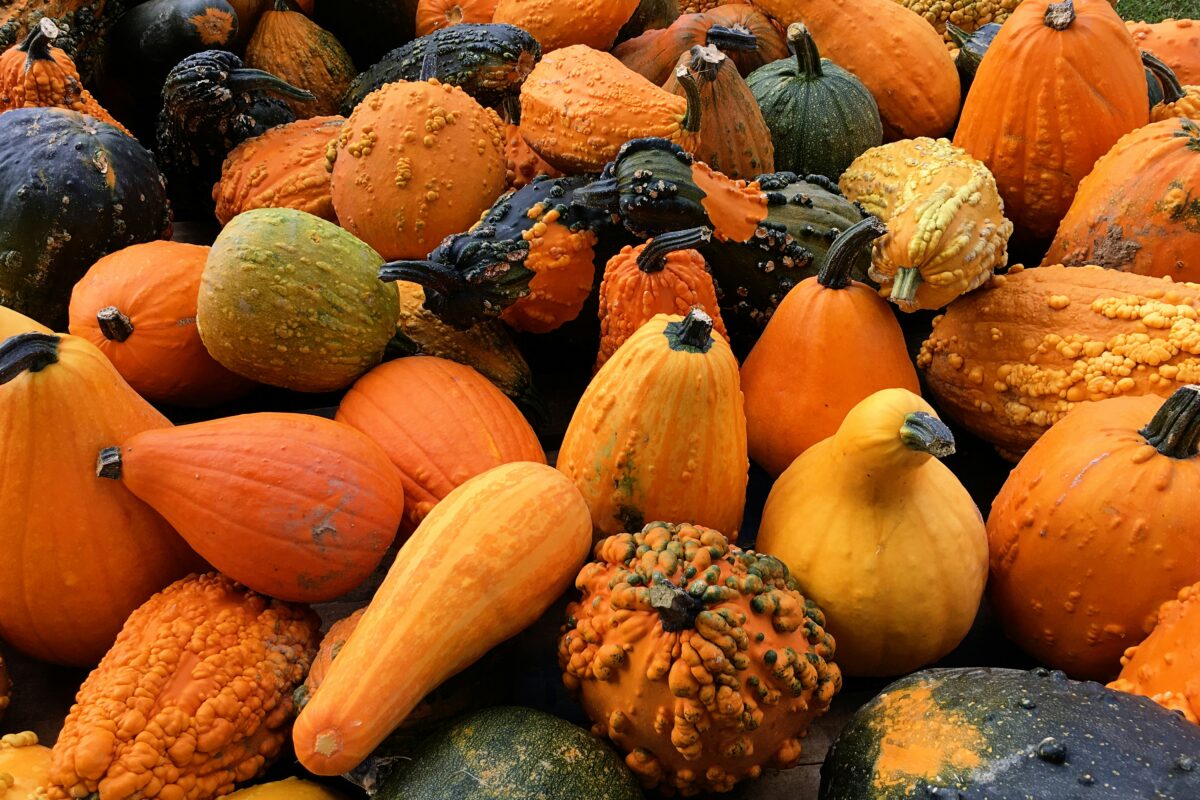
Winter squash varieties like acorn, pumpkin, and spaghetti squash are often considered a healthy option, but they also contain a hefty amount of natural sugars. When consumed in large quantities, they can lead to spikes in blood sugar and fat storage. Choose darker leafy greens or low-sugar cruciferous vegetables like broccoli and Brussels sprouts to balance out your winter meals with more fiber and fewer calories.
Pomegranates
Pomegranates are often marketed as a superfood with powerful antioxidants, but their high sugar content can be problematic, especially for those trying to manage their weight or blood sugar. Although their seeds are rich in vitamins, you could get similar antioxidants from berries or dark leafy greens without the added sugar. Consider opting for pomegranate extract or juice in moderation for a healthier approach.
Cabbage
Cabbage, while a great source of fiber and vitamin C, can sometimes cause bloating and digestive discomfort, especially when eaten in large amounts. If you’re prone to digestive issues, cabbage may not be the best choice for your gut health this winter. Instead, try consuming fermented vegetables or leafy greens like spinach, which have a milder effect on the digestive system while offering similar health benefits.
Grapes

Grapes may seem like a light, refreshing snack, but they’re packed with sugar. Especially when consumed in large quantities, they can contribute to unwanted weight gain and energy crashes. For a healthier alternative, opt for citrus fruits or kiwi, which are packed with vitamin C and lower in sugar, offering a more sustainable source of energy during the winter months.
Avocados
Avocados are often seen as a healthy fat source, but when eaten in excess, they can pack on the pounds. While they contain heart-healthy monounsaturated fats, the calorie content is high enough to derail your weight management efforts if you’re not careful. Consider alternatives like olives or chia seeds to add healthy fats without overloading your calorie count.
Conclusion
As tempting as it may be to fill up on these so-called healthy fruits and vegetables during the winter months, moderation is key. While some of these options do provide important nutrients, they also come with hidden sugar or calorie traps that can disrupt your winter wellness goals. By incorporating alternatives like leafy greens, citrus fruits, and cruciferous vegetables, you can ensure that you’re not only staying healthy but also feeling your best all season long.