9 Fast Food Dipping Sauces That Can Ruin an Otherwise Good Order
A great dipping sauce should feel like the final handshake of a fast food meal. It should make fries taste louder, nuggets feel less boring, mozzarella sticks more exciting, and chicken tenders worth finishing. But some sauces do the opposite. They arrive with big promises, then taste too sweet, too watery, too fake, too salty, or just painfully confused.
Fast food fans can forgive a lot. A lukewarm fry? Fine. A slightly dry nugget? Manageable. But a bad sauce is personal because it usually touches everything on the tray. Based on the kinds of complaints diners keep raising online, these are the fast food dipping sauces that have earned a rough reputation for turning a simple order into a small disappointment. Chowhound’s roundup also notes recurring customer complaints around sauces tasting too sweet, watered down, artificial, or changed for the worse.
Wendy’s Barbecue Sauce
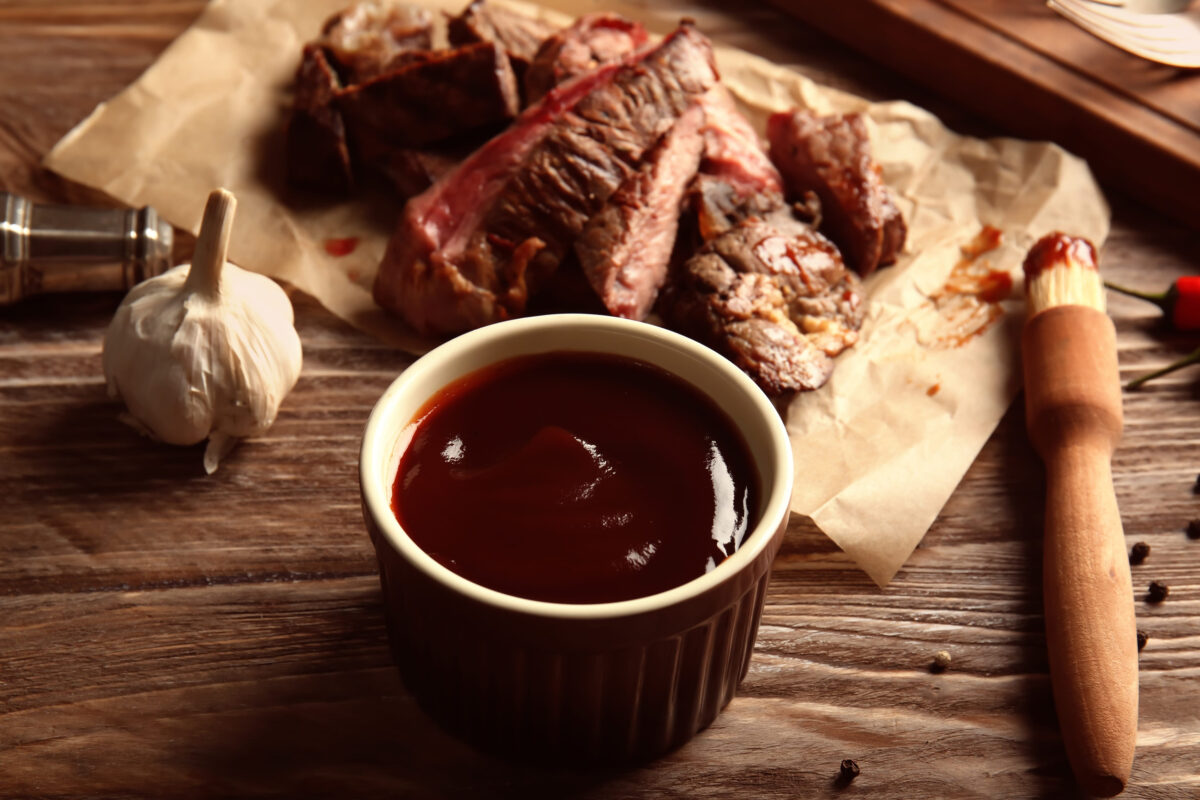
Wendy’s barbecue sauce has become one of those fast-food changes that some customers still refuse to forgive. The main complaint is simple. People remember the older version as thicker, deeper, and better balanced, then compare the current version to something thinner and sweeter. That is a dangerous downgrade for barbecue sauce, because the whole point is smoky comfort with a little tang. Once it starts tasting watery or fake, it stops helping the nuggets and starts stealing their attention.
The problem is not that sweet barbecue sauce is automatically bad. Plenty of great barbecue sauces lean sweet. The issue arises when sweetness takes over, leaving no smoky backbone behind. A good sauce should cling to the food, not slide off like sugary brown syrup. For diners who loved the old Wendy’s version, the new one feels less like a recipe improvement and more like a betrayal in a tiny plastic cup.
McDonald’s Hot Honey Sauce
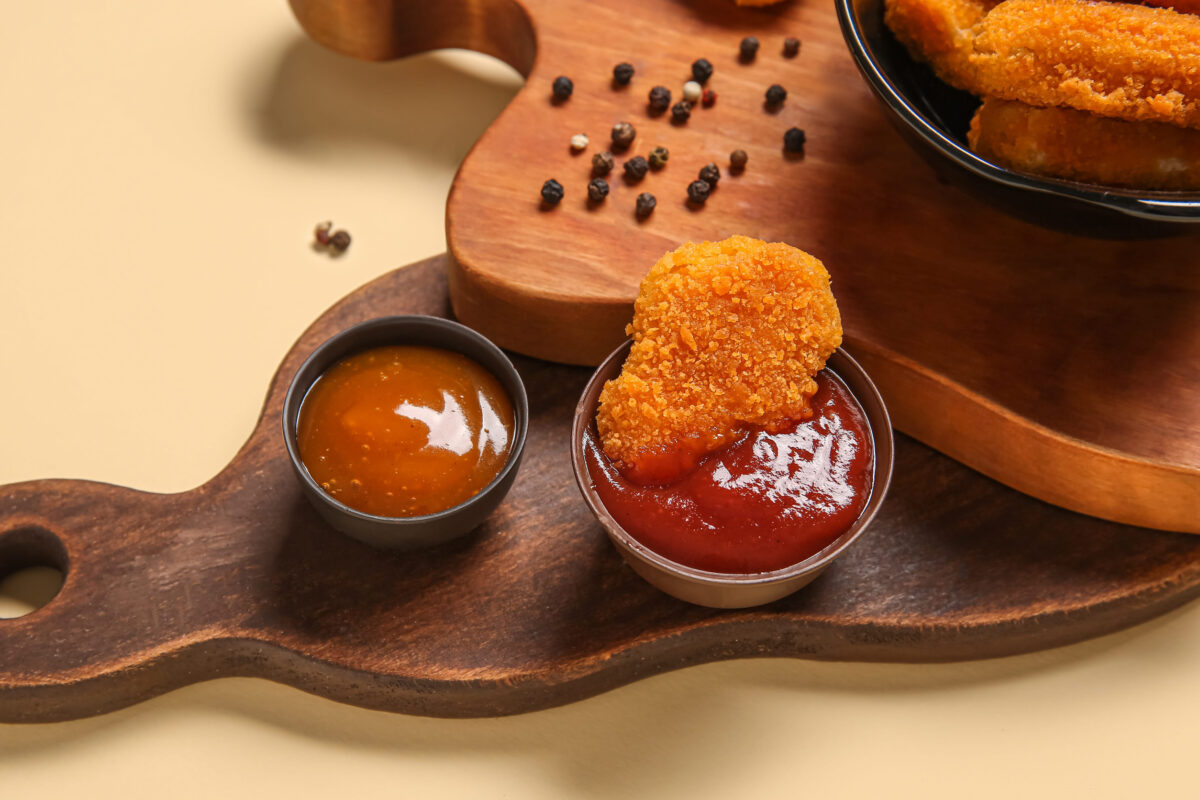
Hot honey sounds like an easy win. It has the sweetness of charm, the heat of excitement, and the trendy appeal of something that feels slightly more grown-up than regular barbecue sauce. McDonald’s Hot Honey Sauce, however, has come under criticism for lacking that balance. Instead of tasting like warm honey with a spicy kick, some diners describe it as artificial, oddly textured, and less fiery than expected.
That is a big problem because “hot honey” creates a very specific expectation. People want glossy sweetness followed by a clean burn. They do not want a sauce that tastes like sweet-and-sour, barbecue, and mystery flavor all got trapped in the same packet. On a sandwich, it may have enough bread, chicken, and bacon to hide behind. As a dip, it has nowhere to run.
Sonic Signature Cheese Sauce
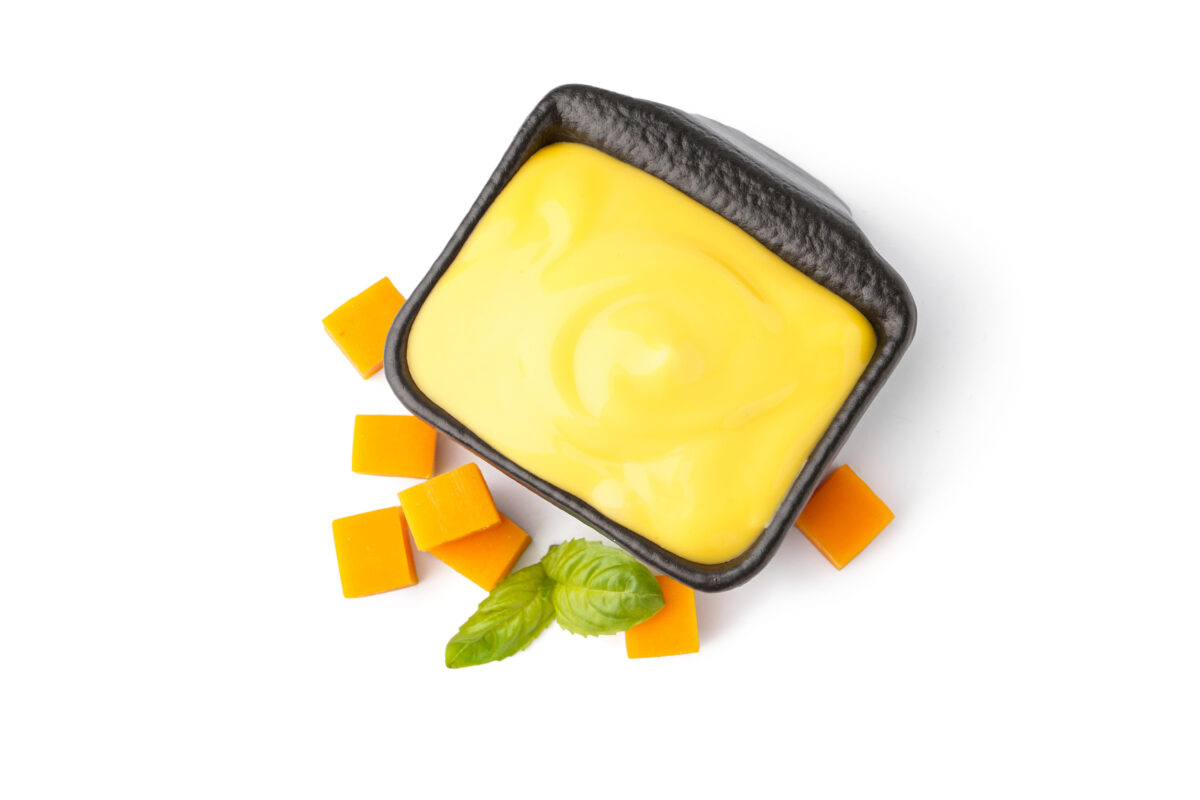
Cheese sauce should be one of the safest pleasures in fast food. It does not need to be fancy. It only needs to be warm, creamy, salty in a pleasant way, and believable enough to make pretzels, tots, or fries feel more indulgent. Sonic’s Signature Cheese Sauce has been criticized for landing on the wrong side of that line. The common complaint is that it tastes salty, cold, and processed, with a chemical rather than cheesy finish.
That is especially painful because Sonic’s Soft Pretzel Twist has a lot going for it. A buttery pretzel deserves a dip that makes it feel like ballpark comfort food. Instead, this sauce can make the whole snack feel cheaper than it should. Cheese sauce is supposed to be the cozy friend at the table. When it tastes fake, it becomes the loud guest nobody invited.
Taco Bell Diablo Sauce
Taco Bell’s Diablo Sauce has a name that walks into the room wearing sunglasses. It promises danger. It suggests heat, drama, and a little regret. Unfortunately, many spice lovers say the sauce does not live up to the branding. For a sauce called Diablo, “kind of sharp and sour” is not enough.
The disappointment comes from two directions. First, it is not as hot as the name suggests. Second, the flavor has been described as artificial, acidic, and strange. Taco Bell already has Fire Sauce, which many customers see as better balanced and more enjoyable. That puts Diablo in an awkward place. It is supposed to be the wild option, yet it often gets beaten by the sauce with the calmer name.
Burger King Marinara Sauce
Burger King’s marinara sauce sounds harmless until you pair it with mozzarella sticks and realize how much responsibility it carries. Mozzarella sticks need a tomato sauce with personality. It should bring garlic, herbs, acidity, and enough richness to cut through all that fried cheese. Burger King’s version has been criticized for tasting bland, thin, and too sweet, almost like a watered-down pizza sauce without the fun.
Cold marinara can work if the flavor is bold enough. But when the sauce is already mild, the temperature makes the problem worse. Instead of giving the mozzarella sticks a bright Italian-style lift, it can make them taste unfinished. The cheese pulls, the breading crunches, and then the sauce arrives like it forgot its lines.
Taco John’s Hot Sauce
Changing a beloved sauce is always risky. Taco John’s learned that the hard way when its updated hot sauce drew complaints from longtime customers. The issue seems to be that the newer sauce moved away from the familiar tomato-forward profile and leaned more heavily into spices. That may sound like a reasonable update on paper, but fast food loyalty is built on memory. People want the flavor they came back for.
Some customers felt the new sauce tasted more like taco seasoning mixed with barbecue sauce than a natural match for Taco John’s menu. That kind of mismatch matters. A sauce should understand the food it is joining. When it clashes with the meat, potatoes, or tacos, the whole meal feels slightly off. A hot sauce does not need to burn your eyebrows off, but it should taste as it belongs.
KFC Gravy
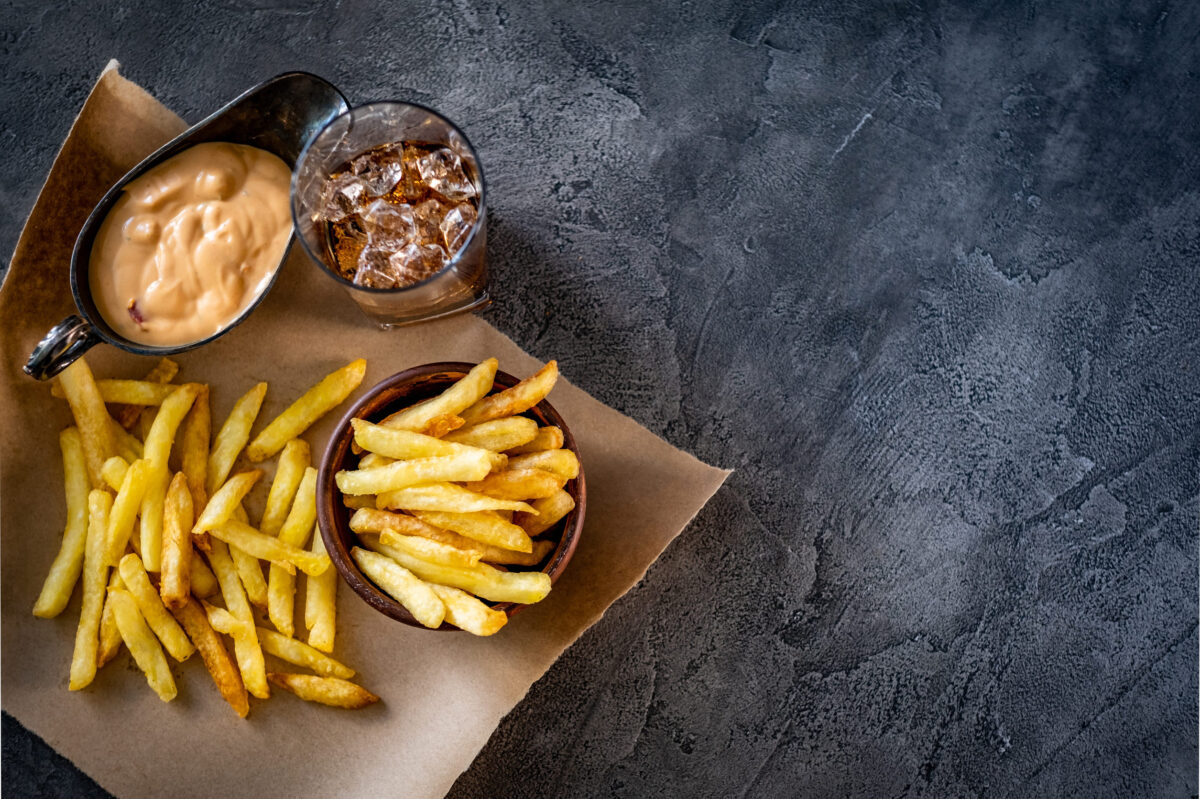
KFC gravy is more than a sauce. For many people, it is tied to mashed potatoes, fried chicken, biscuits, and childhood meals eaten from paper containers. That history makes the criticism sting more. Some diners say the gravy has become watery, bland, and far less rich than it should be. Gravy should feel hearty. It should taste like roasted comfort. If it starts feeling like salty brown soup, the magic disappears.
The biggest sin here is thinness. Good gravy has body. It coats the spoon, settles into mashed potatoes, and makes fried chicken feel even more indulgent. Weak gravy does none of that. It just spreads around, making everything slightly damp. KFC still has loyal gravy fans, but for critics, the current version feels like a faded memory of something better.
Wingstop Hawaiian Sauce
Wingstop Hawaiian Sauce is proof that sweetness needs structure. A sweet wing sauce can be amazing when it has acid, spice, smoke, or savory depth to hold it together. Without those things, it can quickly become sticky and tiring. Hawaiian Sauce has been criticized for being too sweet without enough complexity to keep each bite interesting.
The real challenge is that Wingstop is a place where bold flavors dominate. Lemon Pepper, Spicy Korean Q, Hickory Smoked Barbecue, and Atomic all make clear statements. Hawaiian feels softer, fruitier, and less exciting. That may work for someone who hates heat and loves sweet sauces, but for many diners, the flavor gives up halfway through the basket.
Taco Bell Caliente Cantina Sauce
Taco Bell’s Caliente Cantina Sauce sounds bright, spicy, and addictive. Instead, some customers have criticized it for being too sweet, too citrusy, and oddly syrupy. A sauce can be both spicy and sweet, but it needs balance. Once the lime flavor starts feeling candy-like, the whole thing can become distracting.
Texture also matters. A dipping sauce should feel smooth and appetizing, not waxy or strange. When diners start comparing a sauce to cough syrup, candy, or something artificially colored, that is a sign the recipe may be trying too hard. Taco Bell is at its best when it keeps flavors punchy but simple. This sauce sounds bold, but bold isn’t always good.
Conclusion
Fast-food dipping sauces may look small, but they pack a serious punch. A good one can rescue dry nuggets, upgrade plain fries, and make a cheap meal feel oddly satisfying. A bad one can ruin the rhythm of the whole order. The biggest offenders usually make the same mistakes. They are too sweet without balance, too thin to feel satisfying, too artificial to enjoy, or too different from the version customers already loved.
The lesson is simple. Sauce should support the meal, not fight it. It should bring flavor, texture, and personality without turning every bite into a guessing game. Fast food chains love to experiment, and sometimes that leads to cult favorites. But when the sauce tastes fake, watery, syrupy, or bland, customers notice immediately. After all, nobody wants to dip a perfectly decent nugget into regret.