The 7 Worst Foods for Your Teeth,And Why They’re Causing Cavities
When it comes to maintaining a dazzling, cavity-free smile, what you eat plays a significant role in your teeth’s health. While most people are aware of the basics, brushing twice a day, flossing regularly, and avoiding sugary snacks,there are certain foods that sneakily harm your enamel and contribute to cavities. These foods may seem innocent enough, but they have the potential to wreak havoc on your oral health in ways you might not expect.
In this article, we’ll reveal the 7 worst foods for your teeth and explain why they’re causing cavities. Understanding how these foods damage your teeth will empower you to make smarter choices for your dental well-being. So, let’s dive in!
Sugary Sweets and Candies

It’s no secret that sugary foods are bad for your teeth, but it’s crucial to understand why. When you consume sugary sweets, the bacteria in your mouth feed on the sugar and produce acids that erode your enamel, the protective outer layer of your teeth. This process, known as demineralization, creates an ideal environment for cavities to form.
Sticky candies, such as caramels or gummies, are particularly harmful because they tend to cling to your teeth for longer periods. The longer sugar sits on your teeth, the more time the bacteria have to produce harmful acids. Even hard candies that dissolve slowly are a problem. As they dissolve, they release sugar over a prolonged period, continuously fueling the bacteria. To protect your teeth, limit sugary snacks and opt for healthier alternatives, such as fresh fruit or sugar-free gum.
Citrus Fruits and Juices
Citrus fruits like oranges, lemons, and grapefruits are packed with vitamin C and offer a host of health benefits. However, their high acidity can cause damage to your tooth enamel. When you consume these fruits or their juices, the acid weakens the enamel, making it more susceptible to decay. Over time, excessive exposure to acidic foods can erode your enamel, leading to cavities and tooth sensitivity.
While eating citrus fruits in moderation is generally safe, it’s important to rinse your mouth with water afterward to help neutralize the acid. You should also avoid brushing your teeth immediately after eating citrus, as the acid softens your enamel, and brushing can further wear it down. Instead, wait at least 30 minutes before brushing.
Sticky Snacks
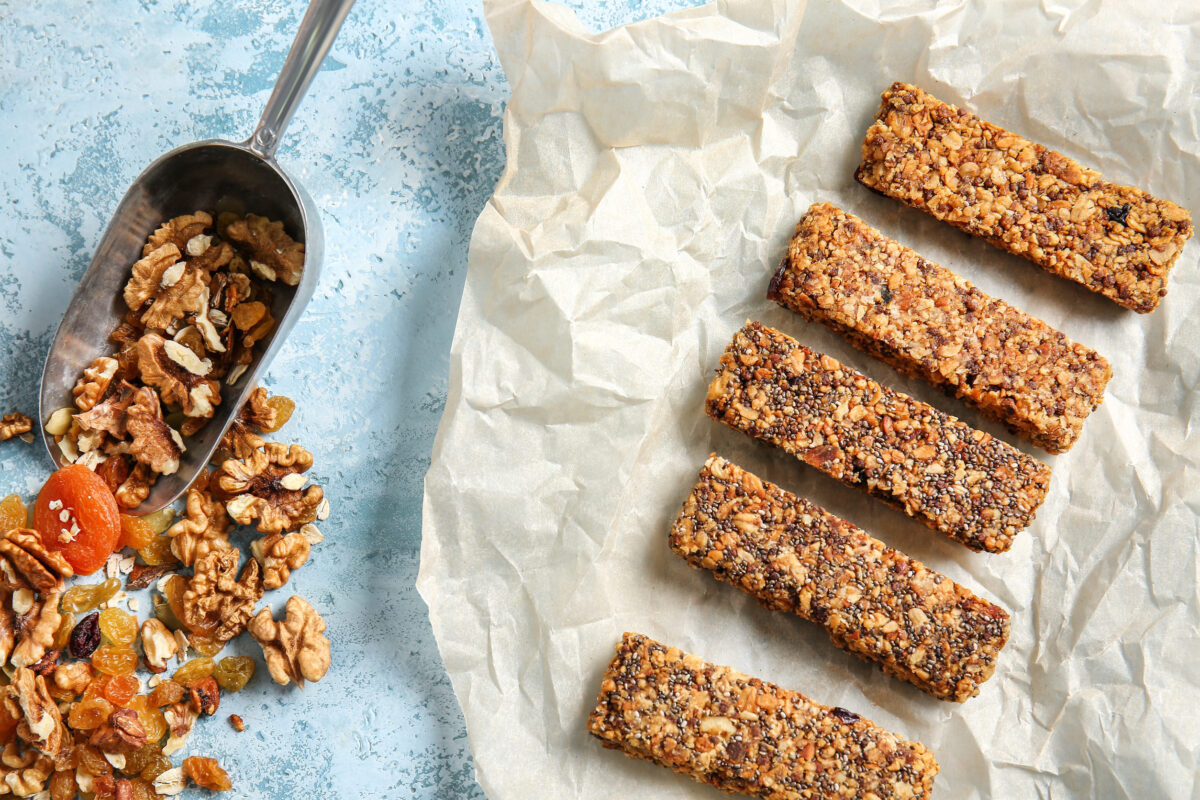
Snacking on dried fruits, granola bars, or chips might seem like a healthy choice, but these foods can contribute to cavity formation. Dried fruits, in particular, are sticky and tend to adhere to your teeth for a long time. While they’re full of natural sugars, the sticky texture means the sugar stays on your teeth longer, giving bacteria plenty of time to feast on it and produce acids.
Granola bars, especially those with added sugars or syrupy coatings, also pose a problem because they’re not only sugary but also stick to your teeth. If you must eat these types of snacks, it’s a good idea to brush your teeth or rinse your mouth afterward to remove any lingering sugars.
Carbonated Soft Drinks
It’s easy to think of soda as a guilty pleasure, but did you know that even sugar-free carbonated drinks can harm your teeth? The real culprit here is the acidity. Carbonated drinks contain carbonic acid, which lowers the pH of your mouth and softens your enamel. When combined with sugar (as in regular sodas), the result is a double whammy for your teeth.
The bubbles in soda also promote tooth erosion by constantly bathing your teeth in acid. Even diet sodas, which don’t contain sugar, can contribute to enamel wear due to their high acidity. If you can’t give up soda entirely, try to drink it with a straw to minimize contact with your teeth, and always follow up with a glass of water to rinse your mouth.
Alcohol

Alcohol might not seem like an obvious culprit in tooth decay, but excessive alcohol consumption can have several negative effects on your oral health. Alcoholic beverages, especially wine and beer, are often acidic and can erode enamel over time. Furthermore, alcohol is a diuretic, meaning it dries out your mouth and reduces saliva production. Saliva plays an essential role in neutralizing acids and helping to remineralize your teeth. Without enough saliva, your teeth are more prone to decay and cavities.
Red wine, in particular, is notorious for staining teeth due to its tannin content. If you enjoy drinking alcohol, try to drink plenty of water alongside your beverage to keep your mouth hydrated. You can also use a fluoride toothpaste to help protect your enamel and reduce the risk of staining.
Bread and Pasta
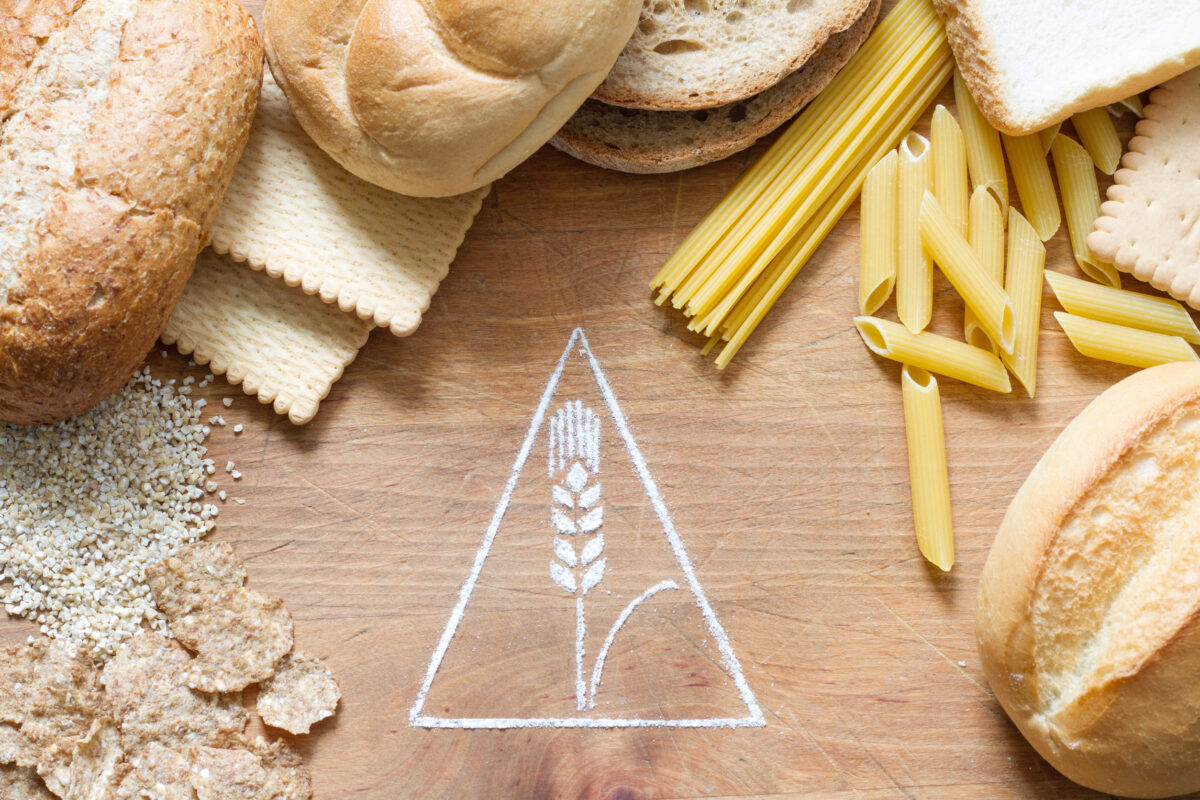
Carbohydrates, including bread, pasta, and crackers, are often overlooked as cavity-causing foods, but they can be surprisingly harmful. These foods break down into sugars in your mouth, feeding the bacteria that cause cavities. In addition, many of these foods are sticky and can get stuck in the grooves of your teeth, where they remain long enough to trigger the decay process.
If you can’t resist the allure of bread or pasta, make sure to brush your teeth thoroughly after eating. It’s also a good idea to choose whole-grain options, as they have more fiber and are less likely to stick to your teeth. Pairing carbs with other foods, such as cheese or vegetables, can help minimize their impact on your dental health.
Ice
Although ice is just water, chewing on it can be incredibly damaging to your teeth. Ice is hard and can cause cracks or chips in your enamel, especially if you have fillings or crowns. While chewing on ice isn’t directly responsible for cavity formation, it can weaken teeth, making them more vulnerable to decay. Additionally, people who chew ice often do so as a stress-relieving habit, which can inadvertently harm their teeth in the long term.
If you find yourself chewing on ice regularly, it’s worth considering breaking the habit to avoid unnecessary dental damage. Instead, hydrate with cold water or sip on a chilled beverage without chewing the ice.
Conclusion
When it comes to preventing cavities, being mindful of what you eat is just as important as regular brushing and flossing. The foods mentioned above contribute to tooth decay in various ways, from providing a food source for bacteria to directly eroding your enamel. By reducing your intake of sugary snacks, acidic foods, and sticky substances, you can significantly improve your dental health and avoid painful cavities.
Remember, moderation is key. You don’t have to completely eliminate these foods from your diet, but being mindful of their impact on your teeth and taking proactive steps—such as rinsing your mouth with water, using fluoride toothpaste, and scheduling regular dentist visits—will help ensure your teeth stay strong and cavity-free for years to come.
Your smile deserves the best care, and that starts with making healthier food choices today.