These 6 Celebrity-Approved Foods Are Actually Terrible for You
We often see celebrities endorse certain foods, making them seem like the ultimate health hacks. Whether it’s a supermodel’s smoothie recipe or a popular actor’s favorite snack, these celebrity-approved foods are frequently promoted as game-changers for our health and beauty. However, what we don’t always see behind the glitz and glam is the actual truth about these foods. The reality? Many of them are not as nutritious or beneficial as they may seem. In fact, some are downright harmful to your health.
While it’s tempting to jump on the latest celebrity food craze, it’s important to separate the marketing gimmicks from what truly benefits your body. Let’s take a closer look at six celebrity-approved foods that are, in fact, not as healthy as they appear.
Activated Charcoal

Activated charcoal has become a favorite in the wellness world, particularly among influencers and celebrities like Kim Kardashian, who posted about using activated charcoal-infused products for detoxification. From detoxifying juices to face masks and toothpaste, activated charcoal is touted as the perfect solution for eliminating toxins from the body.
However, activated charcoal can actually be harmful when consumed regularly. For one, it can interfere with the absorption of nutrients and medications, leading to digestive issues and reduced effectiveness of prescription drugs. Additionally, the body doesn’t “detox” in the way it’s marketed, and there’s no solid evidence to support its supposed health benefits.
Activated charcoal might leave your insides feeling cleaner, but the risks, such as dehydration and the potential for long-term digestive issues, are not worth it. So, while your favorite celebrity might be raving about it, it’s best to steer clear unless directed by a healthcare professional.
Celery Juice
Celebrities like Miranda Kerr and Kris Jenner have been vocal about their love for celery juice, claiming that it promotes glowing skin, boosts digestion, and reduces inflammation. In fact, celery juice has even been hailed as a miracle drink by health gurus and nutritionists in the celebrity world. But, before you go rushing to the juicer, it’s important to question whether this drink really lives up to its hype.
While celery is certainly a nutritious vegetable, juicing it removes most of the fiber, which means you’re missing out on much of the health benefits. The juice is also high in sodium, which could be problematic for those trying to control blood pressure or sodium intake. Consuming it regularly can contribute to bloating, dehydration, and even higher blood pressure.
Instead of sipping on celery juice, consider eating the whole vegetable, which will provide more fiber and nutrients, or incorporate it into balanced meals that support your overall health. While it’s not harmful in moderation, the overblown claims surrounding celery juice are simply unsubstantiated.
Coconut Oil
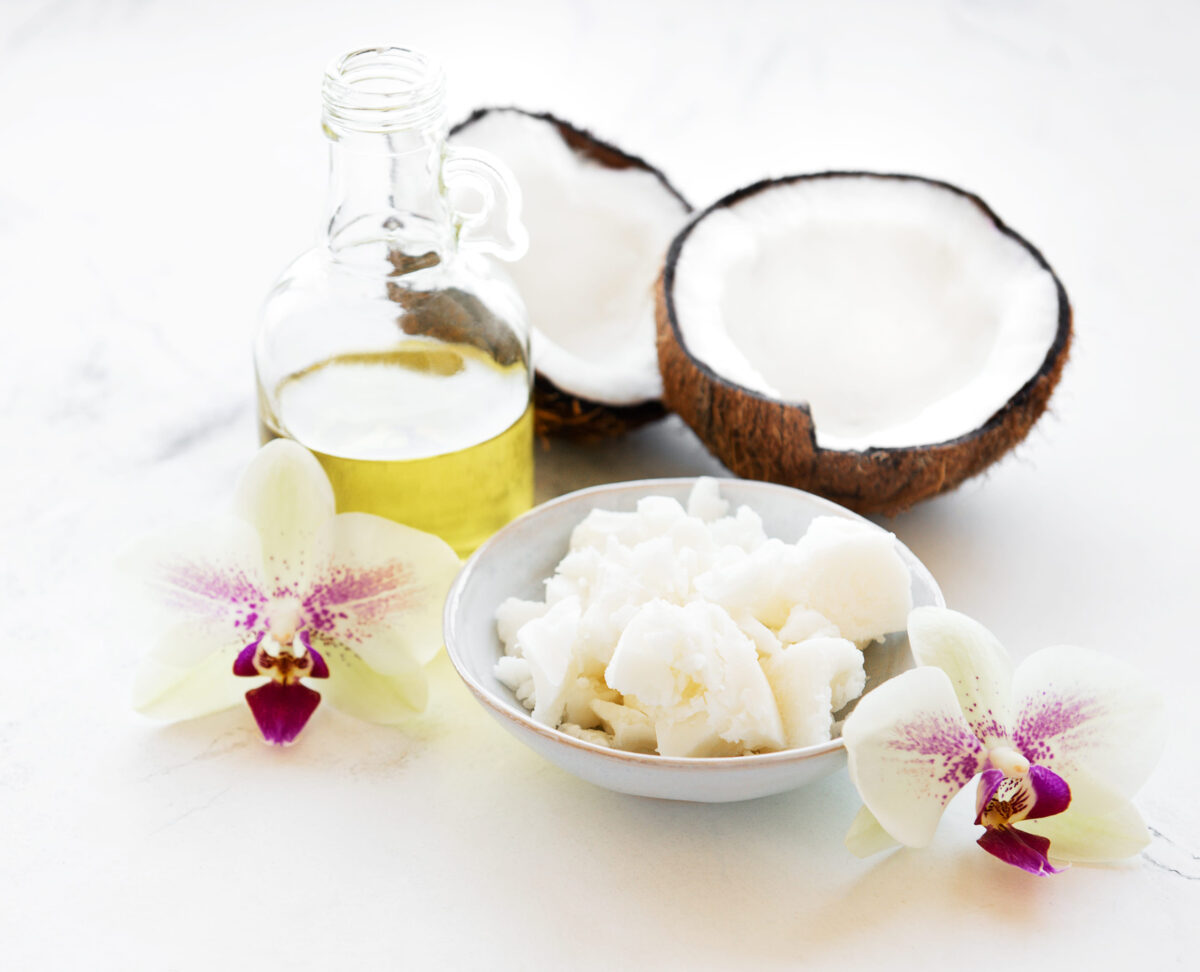
Once hailed as a miracle fat for weight loss and beauty, coconut oil has been embraced by many celebrities, including Gwyneth Paltrow and Kourtney Kardashian. It’s used in everything from cooking to skin care, with the promise of healthy fats and a boost to metabolism.
However, coconut oil is extremely high in saturated fats,about 80%, making it one of the most saturated oils available. Consuming too much saturated fat can raise your LDL (bad cholesterol) levels and increase your risk of heart disease. While coconut oil may have some benefits when used topically, it’s important to use it in moderation, if at all, for cooking.
Studies have shown that healthier oils, such as olive oil or avocado oil, provide the necessary nutrients without the saturated fat. So, while celebrities may swear by coconut oil, the truth is that it’s not as heart-healthy as it’s often made out to be.
Almond Milk
Almond milk has become a staple in the diet of many health-conscious celebrities, including Beyoncé, who reportedly drinks it to keep her figure in check. It’s often praised as a dairy-free, low-calorie alternative to regular milk, making it the perfect choice for anyone trying to reduce their calorie intake or live a vegan lifestyle.
However, almond milk is often loaded with added sugars, artificial flavors, and preservatives that can outweigh its purported health benefits. A typical serving may contain very few almonds, with much of the content being water and processed ingredients. In addition, the calcium added to many almond milk brands is synthetic, which means it doesn’t have the same bioavailability as naturally occurring calcium in whole foods.
The environmental impact of almond farming is also a consideration. Almonds require vast amounts of water to produce, which is contributing to water shortages in areas like California, where many almonds are grown. As such, while almond milk may seem like a healthy option, it’s worth considering its sustainability and the additives that make it less than ideal for long-term health.
Protein Bars
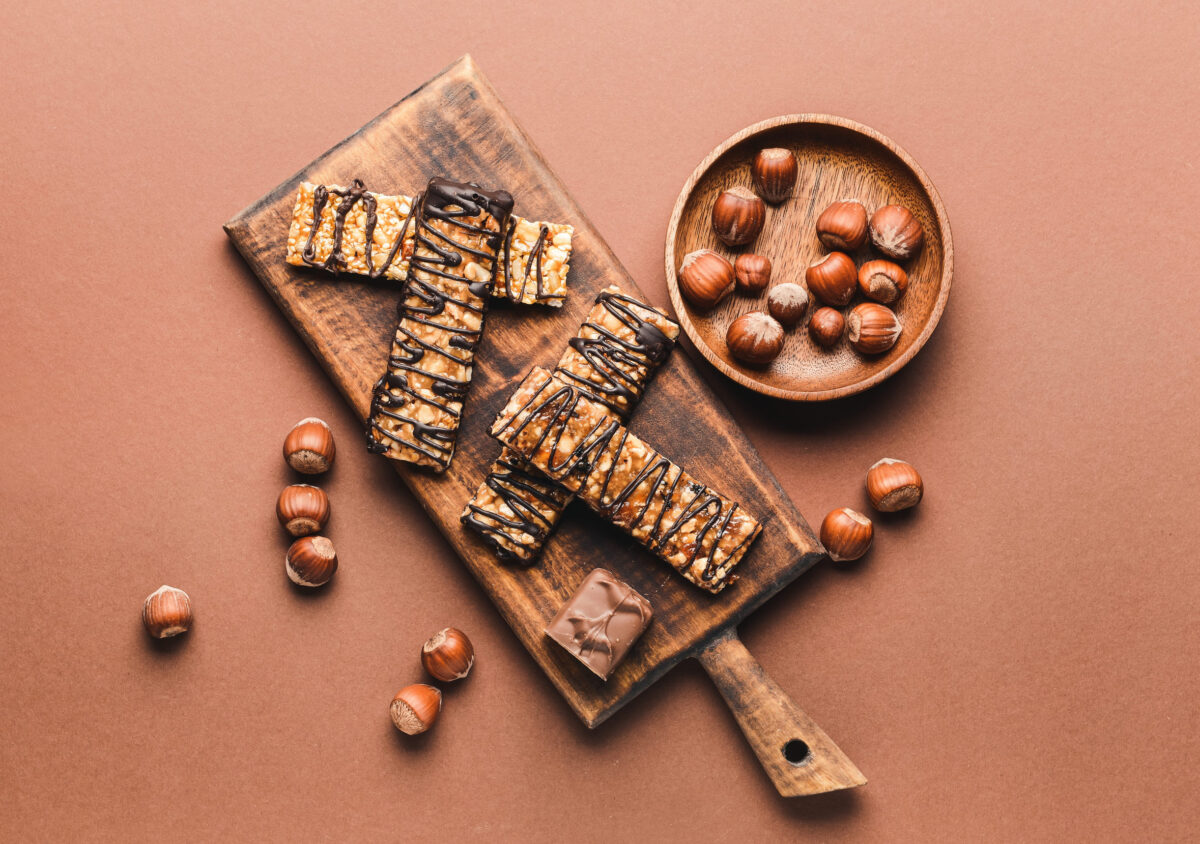
With athletes like Serena Williams and Dwayne “The Rock” Johnson promoting protein bars as part of their fitness regimen, it’s easy to assume these snacks are a healthy and convenient way to fuel your body. However, many protein bars on the market are packed with sugar, preservatives, and unhealthy fats. While they may provide a quick energy boost, they often contain far more calories and sugar than you might expect.
Some protein bars are even marketed as a “health food” when, in reality, they’re closer to candy bars than actual nutritional snacks. The heavy use of artificial sweeteners, preservatives, and fillers means they often lack the full spectrum of nutrients your body needs, leaving you feeling full but not truly nourished.
If you’re looking for a post-workout snack, opt for whole foods like Greek yogurt, lean meats, or even homemade energy balls. These provide the same protein without the excess sugar or unnecessary additives. The bottom line is that while they may be convenient, most store-bought protein bars fall short on delivering the balanced nutrition your body craves.
Diet Soda

Diet soda, often endorsed by celebrities like Kim Kardashian, is marketed as the low-calorie alternative to regular soda, with artificial sweeteners replacing sugar. On the surface, this sounds like a great option for anyone looking to cut back on sugar and calories, but the reality is more complicated.
Research has shown that the artificial sweeteners used in diet sodas, such as aspartame and sucralose, can disrupt the body’s natural ability to regulate calorie intake. This leads to overeating, cravings for sweet foods, and an increased risk of metabolic syndrome, which can lead to obesity and other serious health issues. Additionally, diet soda is often loaded with other chemicals that may harm the gut microbiome and overall health.
Despite the slim calorie count, diet sodas offer no real nutritional value. They may help with short-term weight management, but long-term consumption can contribute to a range of health problems that far outweigh any perceived benefits.
Conclusion
Celebrity endorsements can carry a lot of weight, especially when they promise simple solutions to complex health issues. But as we’ve seen, many of these foods are not as beneficial as they are made out to be. From activated charcoal’s lack of scientific backing to diet soda’s dangerous long-term effects, it’s clear that just because something is “celebrity-approved” doesn’t mean it’s good for you.
Before jumping on the latest health food trend, it’s important to consider the facts and consult with trusted health professionals. Real health is built on balanced diets, exercise, and sustainable habits,not on the latest celebrity-endorsed quick fix. So, the next time you hear about a new celebrity food fad, take a moment to think: is it truly as healthy as it sounds, or is it just another marketing ploy?