The 10 Worst Foods for the Planet and How Your Diet Is Destroying the Earth
In a world where climate change and environmental degradation are fast becoming existential threats, our diets play an unexpectedly large role in the health of the planet.
While it’s common knowledge that food choices impact our personal health, fewer people realize how deeply those choices affect the Earth’s ecosystems, biodiversity, and the very atmosphere we breathe. From carbon emissions to deforestation, food production is a key driver of environmental damage. So, let’s take a hard look at the foods that are making our planet sicker,and how you can make a difference.
Beef
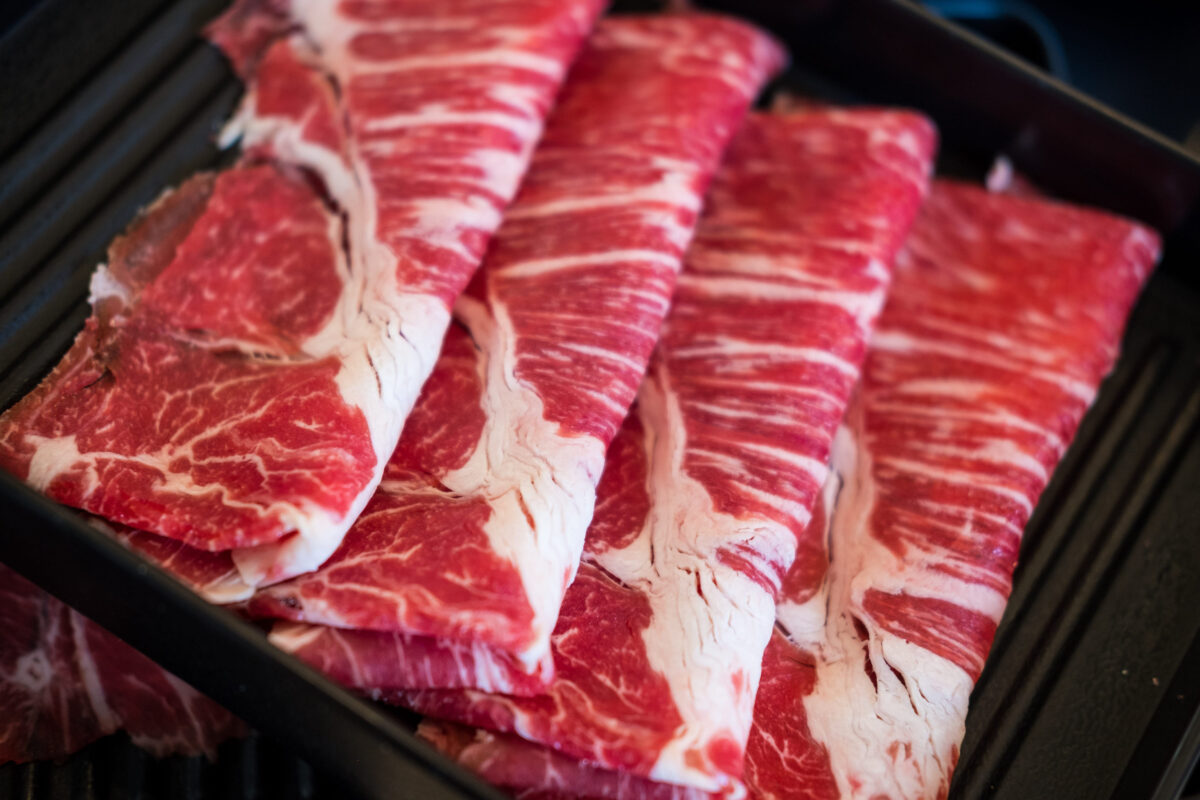
Beef is often hailed as a staple in many diets worldwide, but it’s also one of the most environmentally destructive foods. The production of beef contributes significantly to global warming, accounting for about 60% of the greenhouse gases emitted from animal farming. The process of raising cattle requires vast amounts of feed, water, and land. Moreover, the methane released by cattle during digestion (enteric fermentation) is a potent greenhouse gas that contributes to climate change.
Beyond emissions, cattle farming is a primary driver of deforestation, particularly in South America, where vast tracts of the Amazon rainforest are cleared for pasture. This not only releases carbon dioxide stored in the trees but also destroys habitats for countless species. If you want to reduce your environmental footprint, cutting back on beef is one of the most impactful steps you can take.
Palm Oil
Palm oil is one of the most widely used ingredients in processed foods, cosmetics, and even biofuels. While it’s an efficient crop in terms of yield per acre, the environmental toll is staggering. The expansion of palm oil plantations has led to massive deforestation in countries like Indonesia and Malaysia, where rainforests are cleared at an alarming rate to make room for oil palm plantations. This not only contributes to habitat destruction for endangered species, such as orangutans and tigers, but also exacerbates climate change by releasing vast amounts of carbon dioxide from burned forests.
The palm oil industry is also responsible for significant water pollution and soil degradation. If you’re concerned about the planet’s future, choose products certified by the Roundtable on Sustainable Palm Oil (RSPO) or opt for alternatives like coconut or olive oil.
Rice
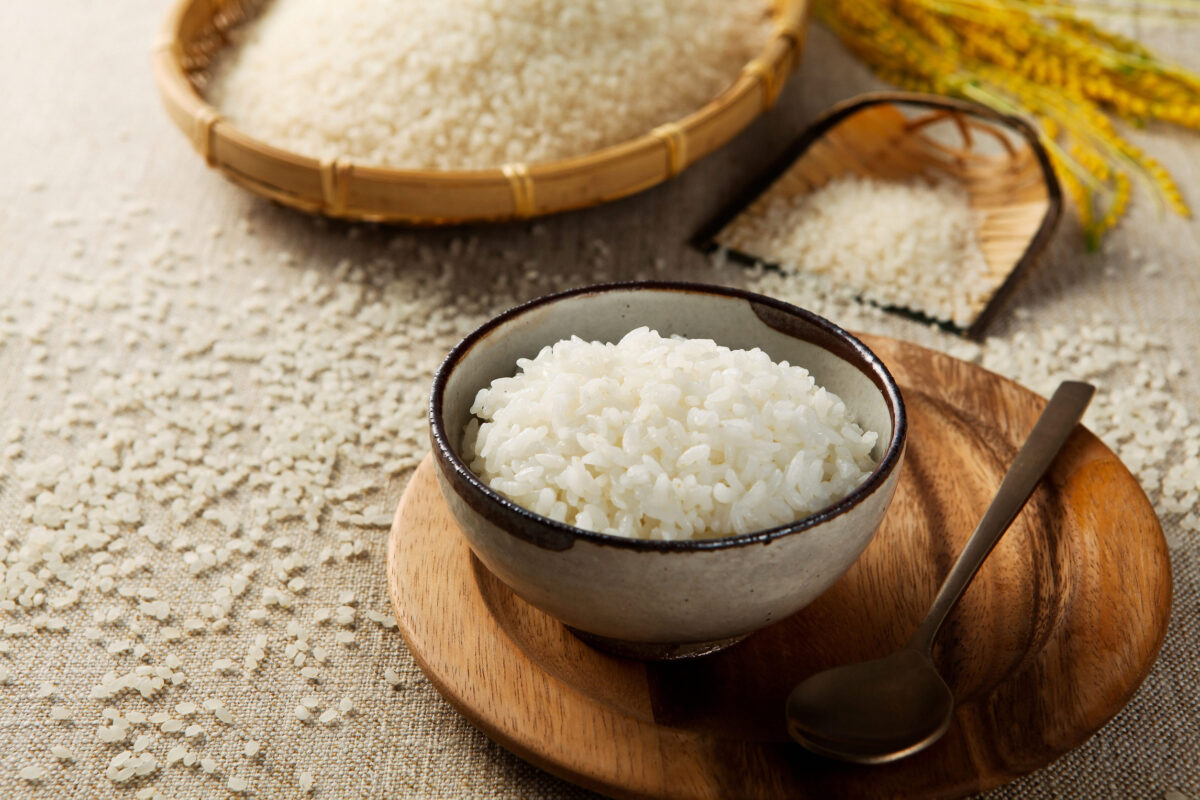
Rice is a staple for billions of people, but its production is far more harmful to the environment than many realize. Paddy fields are flooded to grow rice, creating ideal conditions for methane production, a greenhouse gas more than 25 times as potent as carbon dioxide. The energy-intensive process of growing rice, coupled with the use of chemical fertilizers and pesticides, makes it a major contributor to both air and water pollution.
Furthermore, rice farming requires a massive amount of water. In some regions, water resources are already scarce, and the unsustainable use of water for rice cultivation exacerbates local water shortages. If you’re seeking to reduce your water footprint, consider switching to more water-efficient grains like quinoa or barley.
Sugar
While sugar might not immediately come to mind as an environmental villain, its production has far-reaching effects on the planet. The process of growing sugarcane and sugar beets is resource-intensive, requiring vast amounts of water, chemical fertilizers, and pesticides. In tropical countries like Brazil, sugarcane plantations are often expanded by clearing forests, further contributing to habitat loss and deforestation.
Moreover, intensive sugarcane farming can degrade soil quality and lead to erosion. Excessive fertilizer use also contributes to nutrient runoff, polluting rivers and lakes and harming aquatic life. If you’re looking to minimize your environmental impact, try reducing your sugar intake and choosing natural alternatives like honey or maple syrup.
Fish
Fish might seem like a healthier, more sustainable alternative to red meat, but it’s far from harmless for the planet. Overfishing is a critical issue, with many fish stocks at risk of collapse. Commercial fishing practices, particularly bottom trawling, cause immense damage to marine ecosystems. The heavy nets drag along the ocean floor, destroying delicate coral reefs and other vital habitats.
Additionally, fish farming (or aquaculture) is far from an eco-friendly solution. Many fish farms rely on antibiotics and chemicals that leach into surrounding waters, harming marine life and the ecosystem. Unsustainable fish farming practices also contribute to the depletion of wild fish populations, which impacts biodiversity. If you’re passionate about ocean conservation, choose sustainably sourced fish or consider plant-based alternatives like algae-based products.
Chocolate
Chocolate is beloved worldwide, but its production has a dark side. Cocoa farming, primarily in tropical regions such as West Africa, causes significant environmental harm. The expansion of cocoa plantations often leads to deforestation, as rainforests are cleared to make way for cocoa trees. This deforestation releases stored carbon and destroys the habitats of endangered species like gorillas and elephants.
Cocoa farming is also labor-intensive, requiring substantial water, pesticides, and fertilizers, which can degrade soil health and pollute local waterways. Furthermore, the cocoa industry has been linked to human rights abuses, including child labor. If you’re a chocolate lover, choose brands that prioritize fair trade and sustainable sourcing practices.
Processed Meats
Processed meats, such as sausages, bacon, and hot dogs, are among the worst foods for the environment due to their heavy reliance on resource-intensive animal farming practices. These meats often come from factory farms that contribute to soil degradation, water pollution, and greenhouse gas emissions. Moreover, the production of processed meats involves the use of additives, preservatives, and chemicals, further polluting the environment.
The global demand for processed meats is driving unsustainable farming practices, including the destruction of habitats and the overuse of antibiotics. If you’re concerned about the planet’s future, try reducing your intake of processed meats and opt for plant-based alternatives, which are far less resource-heavy.
Avocados
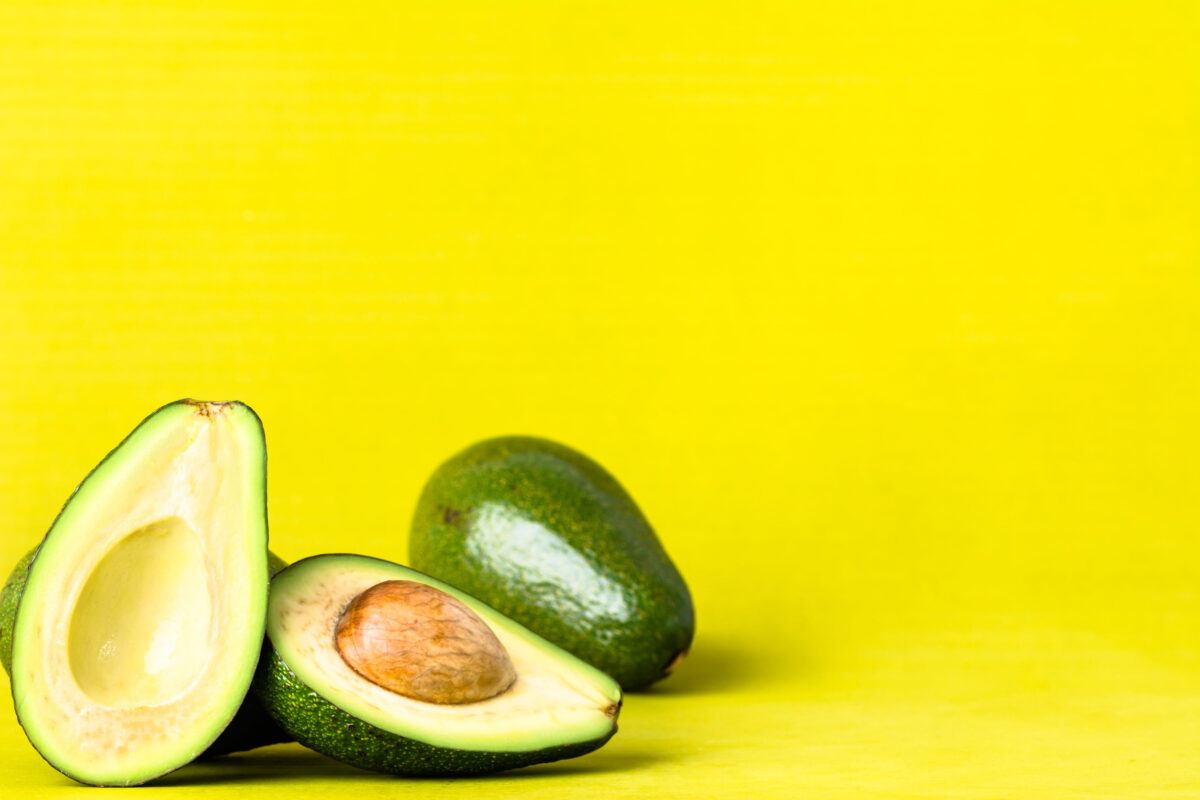
Avocados have become a symbol of healthy eating, but their environmental impact is often overlooked. The demand for avocados has skyrocketed in recent years, leading to large-scale farming operations in water-scarce regions like Mexico. Growing avocados requires large amounts of water,about 2,000 liters per fruit,and has led to significant water shortages in some areas.
Additionally, the expansion of avocado orchards often involves deforestation, as forests are cleared to make way for avocado trees. The heavy demand for avocados also drives land degradation and biodiversity loss. If you’re concerned about the environmental toll of avocados, consider eating them in moderation or switching to other healthy fats, such as nuts or seeds.
Cheese
Cheese, a beloved staple in many diets, comes with a high environmental cost. Dairy farming is a major contributor to greenhouse gas emissions, particularly methane emitted by cows during digestion. The production of cheese requires vast amounts of milk, which in turn requires significant water and land resources.
In addition to contributing to climate change, dairy farming also leads to soil erosion, water pollution, and the depletion of natural resources. To reduce your environmental impact, consider swapping dairy cheese for plant-based alternatives made from nuts, soy, or coconut.
Wine

Wine may seem like a harmless indulgence, but its production has significant environmental implications. Wine production relies heavily on monoculture farming, which depletes soil nutrients and harms biodiversity. The use of chemical fertilizers, pesticides, and herbicides is also widespread in the wine industry, contributing to soil degradation and water pollution.
Additionally, the energy-intensive processes of bottling, corking, and transporting wine add to its carbon footprint. If you’re looking to reduce the environmental impact of your wine consumption, consider opting for organic, biodynamic, or sustainably produced wines.
Conclusion
The foods we choose to consume have a direct impact on the environment. From greenhouse gas emissions to deforestation, agriculture is a major driver of climate change and ecosystem degradation.
While it’s easy to feel powerless in the face of these global challenges, every meal you consume offers an opportunity to make a positive difference. By choosing plant-based foods, supporting sustainable farming practices, and reducing your consumption of resource-intensive products, you can help protect the planet for future generations. It’s time to rethink your diet,not just for your health, but for the health of the Earth.