6 Reasons Why Your Favorite Foods Are Making You Sick, and Politicians Are to Blame
Food is one of life’s greatest pleasures, yet for many, it has become a source of discomfort and even illness. Whether it’s an upset stomach after a hearty meal or more severe health concerns like obesity, diabetes, or heart disease, what we eat has a direct impact on our well-being.
The shocking truth is that your favorite foods could be making you sick; it is not just about personal choices. Politicians, through policy decisions, have shaped the food industry in ways that may be contributing to the rising health crisis. Here’s a deeper look at how politics, food, and your health are intertwined.
The Industrialization of Food
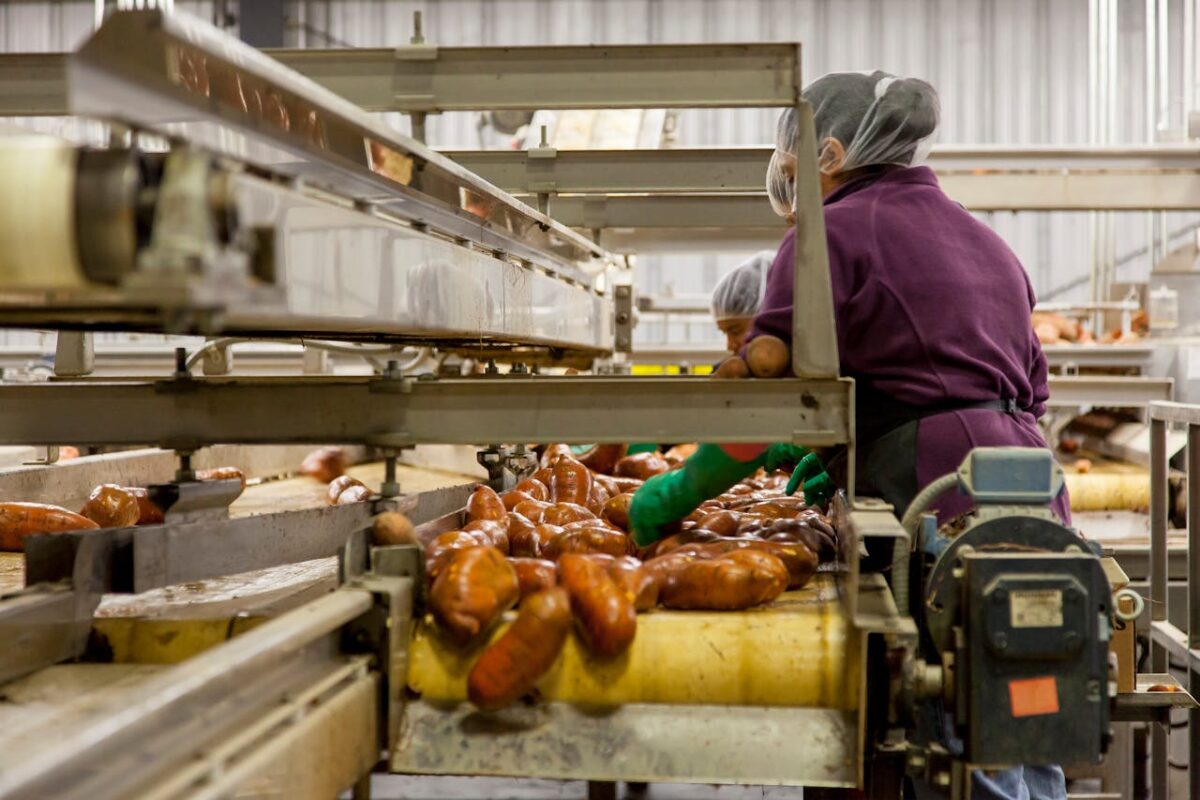
In the last century, food production in the U.S. has drastically shifted from small, local farms to large-scale industrial operations. Politicians played a pivotal role in this transformation, often advocating for policies that supported big agriculture. This change has led to the mass production of cheap, processed foods high in sugar, unhealthy fats, and artificial additives. Fast food chains have proliferated, with government subsidies propping up the costs of corn, soy, and other ingredients used in mass production. These subsidies encourage the creation of foods that, while affordable and convenient, are detrimental to our health.
Politicians, seeking to boost agricultural output and support large-scale farming, enacted policies that prioritized quantity over quality. Subsidies for unhealthy crops, like corn and soy, have made processed foods cheaper, leading to their widespread consumption. High-fructose corn syrup, for example, is a major contributor to rising obesity rates and is found in many of the products you may consume daily, from sodas to snacks.
The Rise of Fast Food and Convenience
The modern fast food industry owes much of its success to government policies that made certain ingredients more affordable. During the 1980s, the U.S. government introduced programs that subsidized the production of high-fructose corn syrup, a sweetener that is now ubiquitous in processed foods. This made sugary snacks and soda more accessible and cost-effective, contributing to a culture of unhealthy eating. By keeping these foods cheap, the government inadvertently set the stage for the nation’s ongoing health crisis.
Fast food chains, often backed by powerful lobbying groups, have lobbied politicians to create an environment where unhealthy, quick meals dominate. The growth of fast food and processed foods has been fueled by politicians who sought to boost the economy, creating cheap, calorie-dense meals that became the norm for busy families. Convenience often trumps nutritional value in today’s food culture, and this trend is partly due to political decisions that prioritize economic growth over public health.
The Inadequate Regulation of Food Labeling

Another critical area where politicians have failed the public is in food labeling. While the FDA is supposed to regulate food safety and labeling, its oversight has often been insufficient. Food labels, as a result, can be misleading or even downright confusing. The term “healthy” has become a marketing tool, with many products labeled as such even though they’re packed with unhealthy additives. Politicians, influenced by lobbying from big food corporations, have allowed these deceptive marketing tactics to continue without substantial regulation.
One of the most significant issues is the lack of clear labeling on added sugars. Many foods that appear “healthy” on the surface, such as granola bars and flavored yogurts, contain massive amounts of hidden sugars. Politicians have failed to enforce stricter food-labeling regulations, allowing corporations to continue using vague terms like “natural” and “low-fat” without providing clear explanations of what’s really inside. This has led consumers to unknowingly purchase foods that contribute to long-term health issues.
Subsidies for Unhealthy Crops

At the core of the problem lies the government’s subsidy program, which has long favored crops like corn, soy, and wheat over more nutritious options. These crops, used in the production of processed foods, have made unhealthy eating more affordable than healthier alternatives. Politicians, through farm bills and subsidy programs, have created an economic environment where highly processed foods are more accessible and cost-effective than fresh produce.
The focus on subsidizing these crops stems from the desire to ensure a steady, affordable food supply. However, this system has caused the food industry to prioritize mass production of low-cost, calorie-dense products that are not necessarily nutritious. For example, the availability of corn syrup as a cheap sweetener has played a role in the rise of sugar-laden products, leading to an increase in obesity, diabetes, and heart disease rates. Politicians’ decisions to support certain crops have inadvertently shifted the food landscape, making it harder for consumers to access healthier foods at reasonable prices.
The Role of Food Lobbyists
Lobbyists have long wielded significant influence over food policy, and politicians have often catered to their interests rather than the public’s health. Large food corporations spend millions of dollars each year lobbying lawmakers to protect their interests, including ensuring the continued subsidization of unhealthy crops and opposing stricter food labeling laws. These powerful lobbying groups can sway political decisions, which often results in policies that favor corporate profits over consumer well-being.
The influence of food lobbyists has been particularly evident in efforts to delay or weaken proposed regulations. For example, when the FDA proposed stricter labeling requirements for added sugars in foods, industry lobbyists successfully pushed back, arguing that such changes would hurt their profits. This delay in policy reform means that consumers continue to be misled by food labels, unaware of the harmful ingredients hidden within the products they purchase.
Health Consequences of Politically-Influenced Food Choices

The consequences of these political decisions are far-reaching. Studies have shown that diets high in processed foods, sugars, and unhealthy fats are directly linked to chronic health conditions such as obesity, diabetes, heart disease, and cancer. Yet, the policies in place continue to make unhealthy foods the go-to option for many people, contributing to a public health crisis.
The rise in healthcare costs due to diet-related illnesses has placed a massive burden on the U.S. healthcare system, yet politicians have not done enough to address the root cause: poor food choices driven by policy decisions.
The Way Forward
To fix the food system, we need political change. Politicians must prioritize public health over corporate interests and ensure that food policies promote healthier eating habits. Subsidies should be redirected to support the growth of nutritious crops and to make healthy foods more affordable and accessible. Stricter regulations on food labeling and marketing should be implemented to ensure consumers can make informed decisions about the products they purchase.
Furthermore, it’s crucial to hold politicians accountable for the impact of their decisions on public health. Voters should demand that lawmakers prioritize food policies that promote better nutrition and eliminate subsidies that make unhealthy foods more accessible than healthy ones. By advocating for change at the political level, we can begin to see improvements in the food system that will lead to healthier communities and reduced diet-related diseases.
Conclusion
Your favorite foods may be making you sick, and much of the blame lies with politicians who have shaped food policies over the years.
From subsidizing unhealthy crops to allowing misleading labeling practices, political decisions have made it easier for consumers to indulge in foods that are damaging to their health. While it’s easy to point the finger at the food industry, it’s crucial to recognize the role that politicians have played in perpetuating this issue. By demanding change and holding lawmakers accountable, we can start to shift the food system toward one that supports public health and promotes healthier eating habits for all.