The Secret Ingredient in These 6 Popular Foods That Could Be Triggering Your Allergies
Food allergies have become increasingly common, and many people are unaware of the hidden ingredients that might be triggering their allergic reactions. From a mild rash to severe anaphylaxis, the effects of food allergens can range from uncomfortable to life-threatening. The truth is, some of the most popular foods in our diets are often laced with ingredients that most of us don’t recognize. These secret ingredients are often disguised under different names or are less understood, making it difficult for individuals to pinpoint the source of their allergic reactions.
In this article, we’ll explore six commonly consumed foods and the hidden ingredients that may be causing your allergies. If you’ve ever experienced an unexplained allergic reaction after a seemingly harmless meal, this guide could reveal the culprits hiding in plain sight.
Bread and Other Processed Baked Goods

Bread is a staple in most diets, from sandwiches to breadsticks, bagels, and more. While gluten is the most commonly known allergen in bread, it’s not the only culprit lurking in your baked goods. Many commercially produced breads and baked products contain hidden wheat derivatives that can trigger allergies in sensitive individuals.
Wheat starch, which is a modified form of wheat protein, is often used as a stabilizer or thickener in many processed foods. For some, this ingredient can be just as allergenic as gluten itself. Other additives, such as hydrolyzed wheat protein and wheat germ, are often found in baked goods but may go unnoticed by those who don’t have a specific sensitivity to wheat.
It’s important to remember that gluten isn’t just in bread; it can also be hidden in sauces, soups, and processed snacks. For people who are gluten-sensitive or suffer from celiac disease, identifying and avoiding these ingredients is crucial to avoiding an allergic response.
Soy
Soy has become a common ingredient in many processed foods, particularly for vegetarians and vegans looking for plant-based protein. While it’s known as a healthy source of protein, soy is also a well-established food allergen. The hidden soy in your food isn’t always clearly labeled, especially in processed foods.
Look out for soy lecithin, a common additive used in chocolates, margarine, and processed snacks. Soy lecithin is used as an emulsifier, helping products mix and maintain their texture. While it’s considered safe for most people, it can trigger reactions in those with soy allergies. Additionally, soy protein isolate, found in many protein powders, meat substitutes, and snack bars, is another common allergen that can cause symptoms like swelling, itching, or digestive discomfort.
Many people with soy allergies also react to other forms of soy, including tofu, tempeh, and soy milk. Understanding the various forms of soy and their presence in both natural and processed foods can help individuals avoid exposure and manage their allergy.
Peanuts
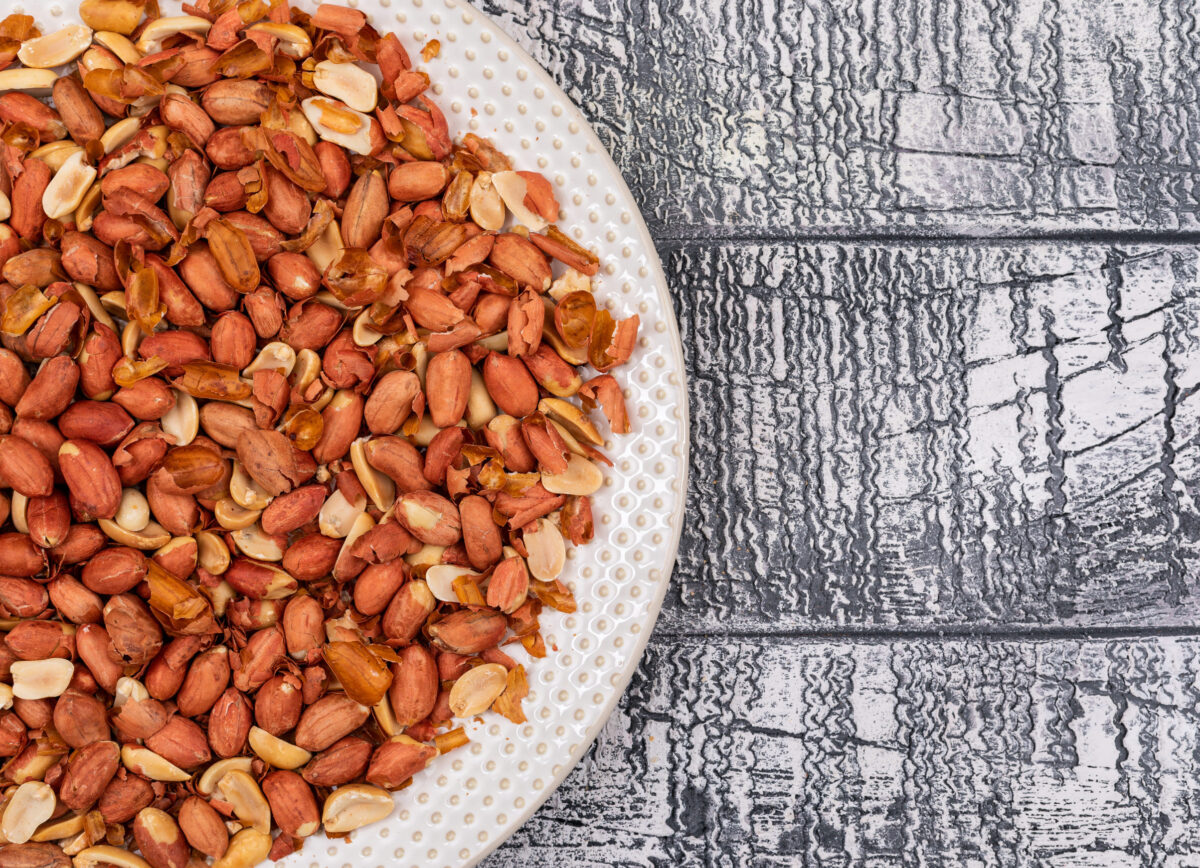
Peanuts are often cited as one of the most dangerous food allergens, with reactions ranging from mild hives to fatal anaphylactic shock. However, most people don’t realize that peanuts aren’t the only source of allergens within the peanut family. Peanut oil, for example, can still carry traces of peanut proteins, which can trigger a severe allergic response.
In processed foods, peanut protein may also be present in hidden forms such as peanut flour or peanut powder, which are often added to snacks and protein bars. Additionally, cross-contamination can occur in food manufacturing facilities where peanuts are processed alongside other foods. Even trace amounts of peanuts can trigger an allergic reaction in some individuals, making it crucial for allergy sufferers to carefully read ingredient labels and ensure that foods are processed in peanut-free facilities.
Dairy
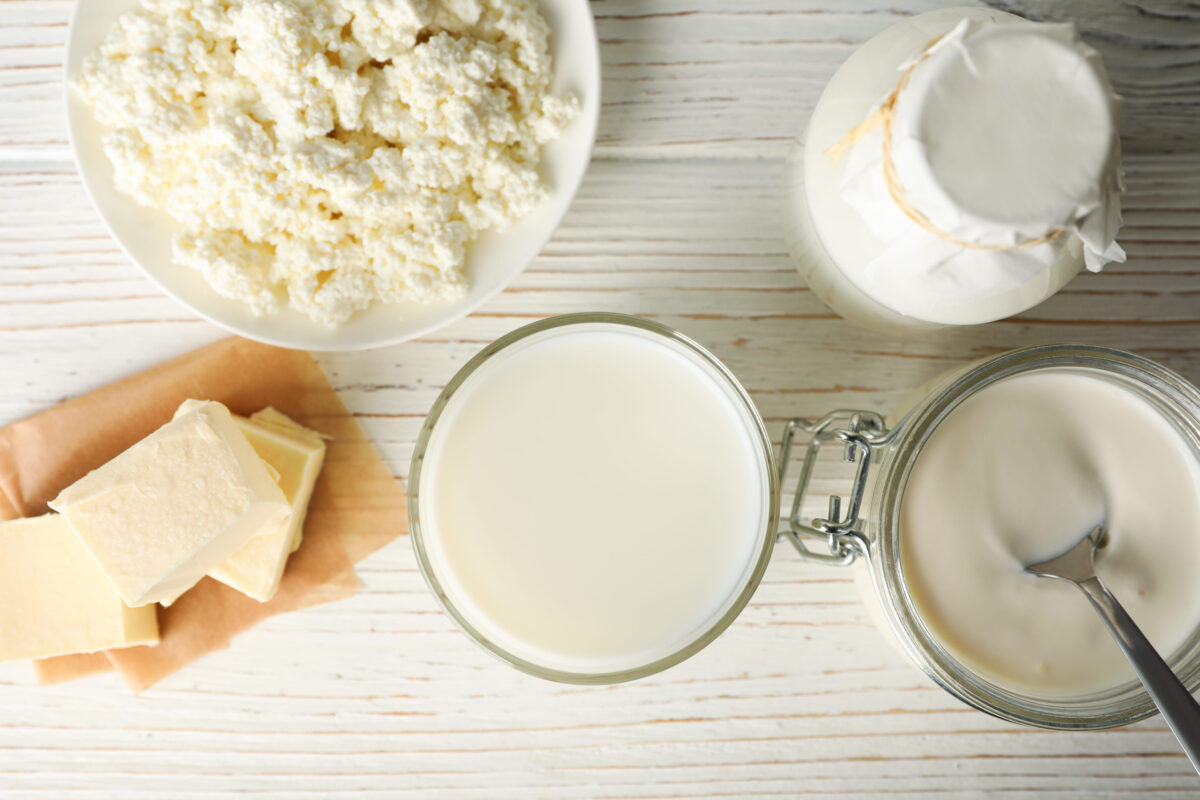
Dairy allergies are often associated with milk and cheese, but the hidden sources of dairy might surprise you. Lactose, a type of sugar found in milk, can trigger symptoms in those who are lactose intolerant, but dairy proteins like casein and whey can cause reactions in people with true dairy allergies.
What’s particularly sneaky about dairy is that it’s often added to foods you wouldn’t expect. Many baked goods, sauces, and processed meats contain whey or casein as fillers, stabilizers, or protein sources. If you have a dairy allergy, ingredients such as “whey protein concentrate” or “caseinates” can lead to an allergic reaction. Non-dairy foods, such as plant-based ice creams or margarines, may contain traces of milk protein due to cross-contamination or the addition of casein for texture and flavor.
For those with dairy sensitivities, it’s essential to be vigilant in reading ingredient labels and avoid products that may contain hidden dairy derivatives.
Eggs
Eggs are another common food allergen, especially in children, but many people don’t realize just how often eggs are hidden in processed foods. While it’s easy to avoid eggs in obvious forms like scrambled eggs or omelets, they are often hidden in packaged foods like salad dressings, mayonnaise, and baked goods.
The ingredient “albumin,” which refers to the egg white protein, is commonly used in many processed foods. It can be found in everything from bread to marshmallows, and even some types of processed meats. For individuals with egg allergies, it’s important to look for this hidden ingredient, as even trace amounts of egg can cause severe reactions.
Additionally, eggs are often used in products such as frozen desserts, meatloaf, and certain candies, so people with egg allergies must be diligent when choosing packaged foods. Many restaurants also use eggs in sauces, batters, and toppings without specifying this on the menu.
Fish and Shellfish
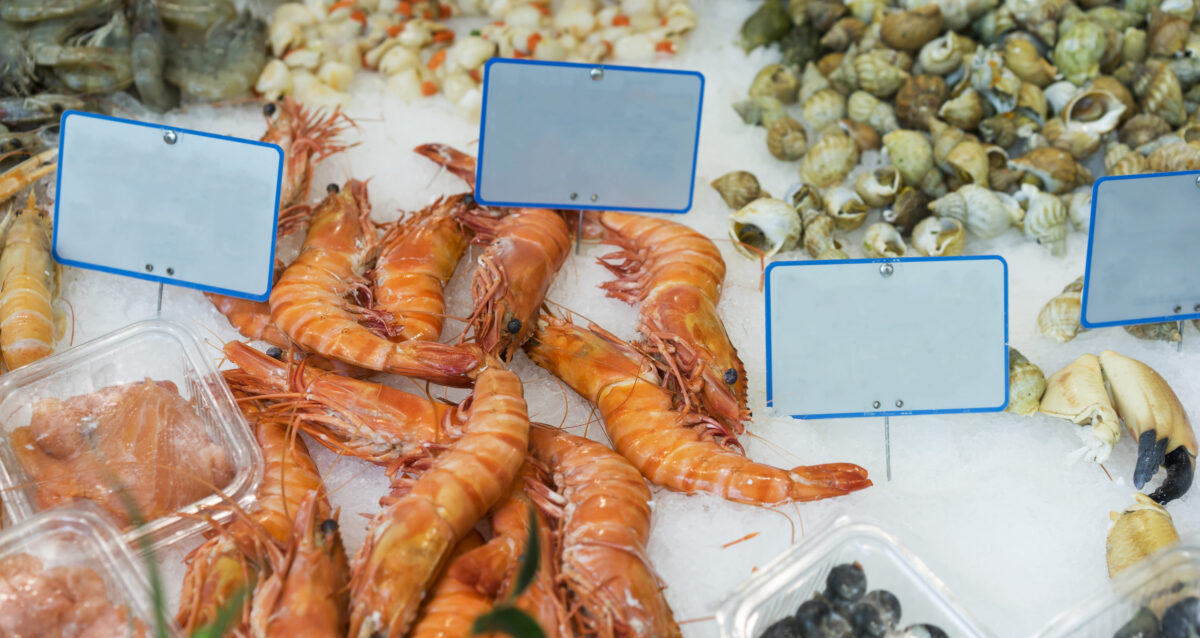
Fish and shellfish allergies are often well-known, but many people aren’t aware of how frequently they show up in foods that don’t explicitly contain these ingredients. Fish sauce, a common condiment in Southeast Asian cuisine, is made from fermented fish and may contain potent levels of fish protein. Similarly, oyster sauce, anchovies, and shrimp paste are used in many sauces, soups, and marinades.
For those with fish or shellfish allergies, even a small amount of these condiments can trigger an allergic reaction. What makes this especially tricky is that these ingredients are often hidden in sauces, soups, and other processed foods without proper labeling. Some salad dressings, Worcestershire sauce, and certain broths also contain anchovies or fish extracts. The hidden presence of these allergens in food preparation can be dangerous for individuals with sensitivities, especially when eating out or consuming packaged foods.
Conclusion
Food allergies can be unpredictable and sometimes dangerous, especially when allergens are hidden in plain sight. The secret ingredients in many popular foods ,whether it’s wheat derivatives in bread, soy lecithin in chocolates, or fish sauce in sauces, can trigger allergic reactions in those who are sensitive to them. It’s essential to stay vigilant and read ingredient labels carefully to avoid these hidden allergens.
For those with food allergies, avoiding cross-contamination and educating oneself about the various names and forms allergens can take is key to managing these sensitivities. When food allergies are severe, it’s critical to work closely with a healthcare professional or allergist to develop a comprehensive plan to manage allergen exposure. By understanding where allergens hide and how they appear in processed foods, you can reduce your risk of an allergic reaction and protect your health.