8 Deadly Food Challenges on Social Media That Could Cost You Your Life
In the age of viral challenges, social media platforms have become a double-edged sword. While they offer a space for creativity and entertainment, some challenges can be downright dangerous. Over the years, we’ve witnessed several food-related challenges gaining popularity, many of which have led to severe injuries and, in extreme cases, even death. The allure of viral fame often outweighs the potential health risks, causing individuals,often young and impressionable, to put their lives on the line for internet validation.
From consuming harmful substances to eating absurdly large portions of food in short amounts of time, these challenges have ignited concerns among health experts and parents alike. Let’s dive into some of the most perilous food challenges that have made their rounds on social media, often with deadly consequences.
The Cinnamon Challenge

The Cinnamon Challenge has been one of the most infamous and dangerous food-related social media trends to date. The challenge is simple: participants must swallow a spoonful of cinnamon powder without drinking any water. While it might sound harmless at first, the reality is quite the opposite. Cinnamon is a highly potent spice, and when consumed in large amounts, it can cause severe coughing, gagging, and choking. Worse still, cinnamon powder can cause difficulty breathing, lung inflammation, and even aspiration pneumonia when inhaled, potentially leading to death.
In 2012, a teenager from the U.S. reportedly suffered a collapsed lung after attempting the challenge. Despite warnings from health authorities, the cinnamon challenge remains a viral activity that can lead to life-threatening health issues.
The Salt and Ice Challenge
Another social media challenge that has gone viral is the Salt and Ice Challenge, where participants place salt on their skin and then press an ice cube onto it. The combination of salt and ice creates an extremely cold reaction that can cause serious frostbite or burns if left on the skin for too long. The intense cold causes a burning sensation that may be mistaken for a sense of challenge or excitement.
However, prolonged exposure to this combination can cause significant damage to the skin, leading to second-degree or third-degree burns. There have been reports of people requiring skin grafts after attempting this dangerous stunt, and in some cases, the damage can be permanent.
The Tied-Up Food Challenge

The Tied-Up Food Challenge involves participants tying a food item,often a large piece of pizza or a sandwich, around their body in various creative ways. The goal is to eat the food while tied up, often with hands restrained, causing participants to eat recklessly. The situation becomes dangerous when people start choking due to the haste or an inability to chew properly.
Several incidents of choking have been linked to this challenge, and some have required emergency medical intervention. People, especially children, may attempt this challenge without thinking through the health risks, including the risk of airway obstruction or aspiration.
The “Ghost Pepper” Challenge
For those who love spicy food, the Ghost Pepper Challenge has become a rite of passage. Ghost peppers are one of the hottest chili peppers in the world, packing a scorching heat level that can cause severe discomfort, nausea, vomiting, and even gastrointestinal damage. Participants often consume ghost peppers or sauces made from these peppers to see how much heat they can endure.
While spicy foods like ghost peppers can have some health benefits when consumed in moderation, eating them in extreme amounts can lead to vomiting, diarrhea, and severe dehydration. Some individuals have even experienced heart palpitations and symptoms similar to a heart attack, making this challenge potentially deadly for those with heart conditions or underlying health issues.
The “Hot Dog” Eating Contest Challenge
Inspired by competitive eating events, the “Hot Dog Eating Contest Challenge” takes social media by storm, encouraging individuals to consume excessive amounts of food in a short period. While some may find these feats impressive, the practice of overeating large quantities of food can cause a range of health problems. The most immediate concern is choking, as large chunks of food can easily get stuck in the throat if not chewed properly.
Additionally, eating large amounts of food in a single sitting can strain the digestive system, causing bloating, nausea, and severe discomfort. Overeating can also put undue stress on the heart, increasing the risk of heart attack or stroke in extreme cases.
The Raw Meat Challenge
In the Raw Meat Challenge, participants consume raw or undercooked meat as a dare to showcase their toughness or resilience. This practice is incredibly dangerous as raw meat can contain harmful bacteria like E. coli, Salmonella, and Listeria, all of which can cause severe food poisoning. Eating raw meat also poses a risk of parasitic infection, with diseases such as trichinosis potentially causing long-term health damage.
Despite the clear health risks, people continue to post videos of themselves eating raw meat in a misguided attempt to garner likes and attention. The consequences can be severe, ranging from gastrointestinal issues to life-threatening infections that require hospitalization.
The “Spicy Liquid” Challenge
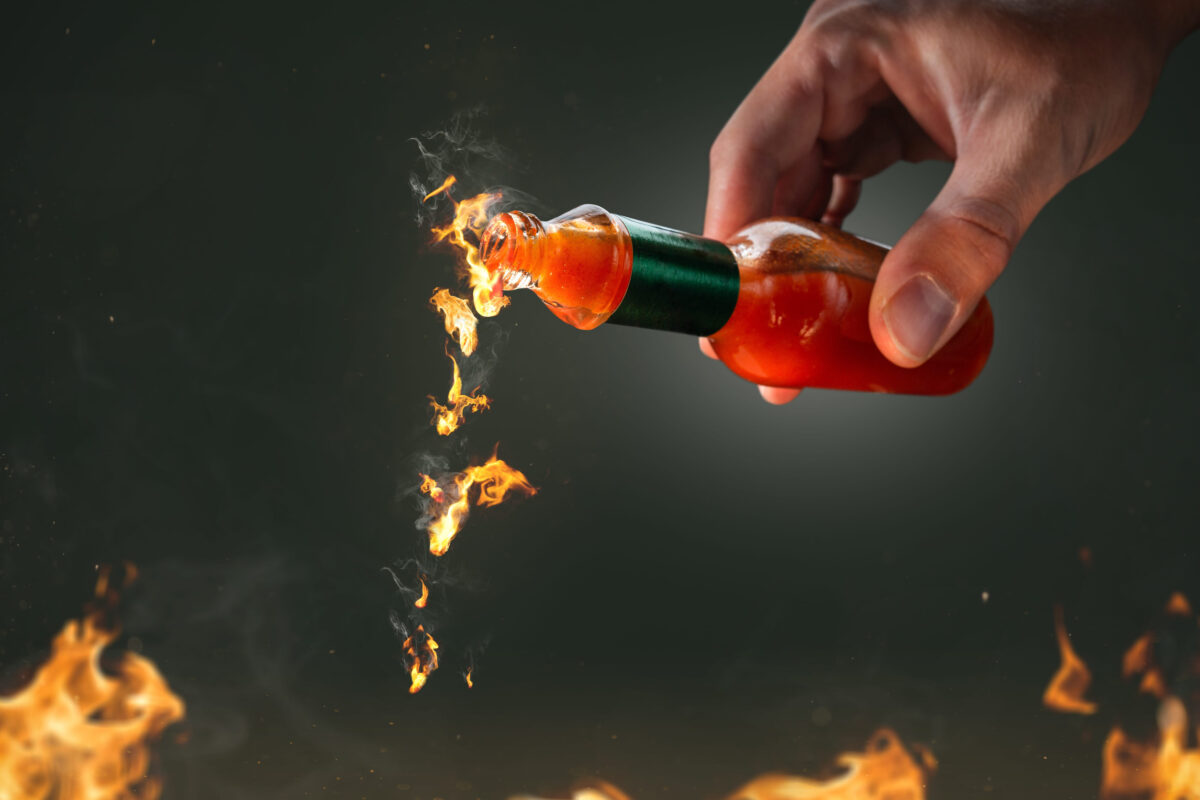
The Spicy Liquid Challenge has people consuming extremely spicy liquids, usually concentrated hot sauce or pepper extracts, in large quantities. These concentrated liquids contain capsaicin, the compound responsible for chili peppers’ heat. When consumed in large quantities, capsaicin can cause intense gastrointestinal irritation, including stomach ulcers, vomiting, and acid reflux.
Ingesting large amounts of hot sauce or pepper extract can also lead to burns in the mouth and throat, making swallowing difficult. In some extreme cases, individuals have been rushed to the hospital after consuming these dangerously spicy liquids, suffering from severe burns and dehydration. The challenge has been widely criticized by health professionals, yet it continues to attract followers unaware of its dangerous consequences.
The “Toxic Waste Candy” Challenge

The Toxic Waste Candy Challenge involves eating a particularly sour, intensely acidic candy called “Toxic Waste.” The candy is designed to be extremely sour, with some varieties containing high levels of citric acid. While sour candies can be fun for a quick taste, consuming them in large quantities can lead to chemical burns in the mouth and esophagus, as well as long-term damage to tooth enamel.
There have been multiple reports of people experiencing blisters or sores in their mouths after attempting this challenge, and excessive consumption can lead to gastrointestinal distress. Furthermore, the high sugar content in these candies can also contribute to long-term health issues like diabetes and obesity.
Conclusion
While social media can be a source of fun, connection, and creativity, it has also given rise to dangerous trends, particularly food-related challenges. What may start as a harmless dare can quickly escalate into something far more dangerous, leading to physical harm or, in the worst-case scenario, death. Whether it’s choking, burns, food poisoning, or even internal damage, the consequences of these viral challenges can be severe and long-lasting.
Parents and health professionals must be vigilant and educate young people about the risks associated with these dangerous stunts. The desire for likes, shares, and social media fame should never outweigh personal safety. Ultimately, it’s crucial that we focus on spreading awareness about the dangers of these food challenges and encourage individuals to make responsible choices, both online and offline. Social media is meant to be a platform for sharing joy and creativity, not for putting our lives at risk.