The 6 Most Common Foods That Could Be Causing Your Food Cravings
Food cravings can often feel like an insurmountable obstacle in our quest for health and well-being. One moment you’re perfectly content, and the next, you’re suddenly obsessed with a chocolate bar or a bag of salty chips.
But what if some of the foods we regularly consume are responsible for these cravings? The link between certain foods and cravings is more than just a psychological phenomenon; it’s deeply tied to our biology, hormones, and even the nutrients (or lack thereof) in our diets. Here, we explore six common foods that may be triggering your cravings, helping you understand how and why they affect you.
Sugary Foods

Sugary snacks, including candies, cakes, and pastries, are some of the most notorious culprits behind cravings. They might seem like a quick fix for an afternoon slump or a momentary treat, but the high sugar content in these foods can lead to more harm than good. When you consume sugar, your body experiences a rapid spike in blood glucose levels, leading to a quick surge of energy. However, this energy is fleeting, and once your blood sugar drops, you’re left feeling fatigued, irritable, and craving more sugar to regain that short-lived high.
The reason sugar leads to cravings lies in its effect on dopamine, the brain’s “feel-good” neurotransmitter. When you eat sugary foods, your brain releases a burst of dopamine, which reinforces the desire to repeat the behavior. This cycle of sugar-induced dopamine rushes and crashes can lead to a never-ending craving for more sweets, creating a vicious cycle of dependence. To break free from this pattern, consider opting for naturally sweetened fruits or fiber-rich snacks, which can help keep blood sugar levels stable and reduce the urge to reach for sugary foods.
Refined Carbohydrates
Refined carbohydrates are another group of foods that often trigger cravings. These include foods like white bread, pasta, pastries, and other highly processed items. While they may provide a quick source of energy, refined carbs lack the nutritional benefits of whole grains or more fiber-rich options. When consumed, refined carbs are rapidly broken down into glucose, leading to a quick spike in blood sugar followed by an inevitable crash, which can trigger cravings for more carbs or sugar.
Furthermore, refined carbs tend to have a high glycemic index, which means they can cause a rapid increase in blood sugar, followed by an equally fast drop. This sudden fluctuation in blood glucose levels is often what drives you to crave more refined carbs or sugary snacks. To maintain more stable energy levels, try swapping out refined carbs for whole grains like quinoa, oats, and brown rice, which provide a steady source of energy without the rollercoaster effect on blood sugar.
Salty Foods
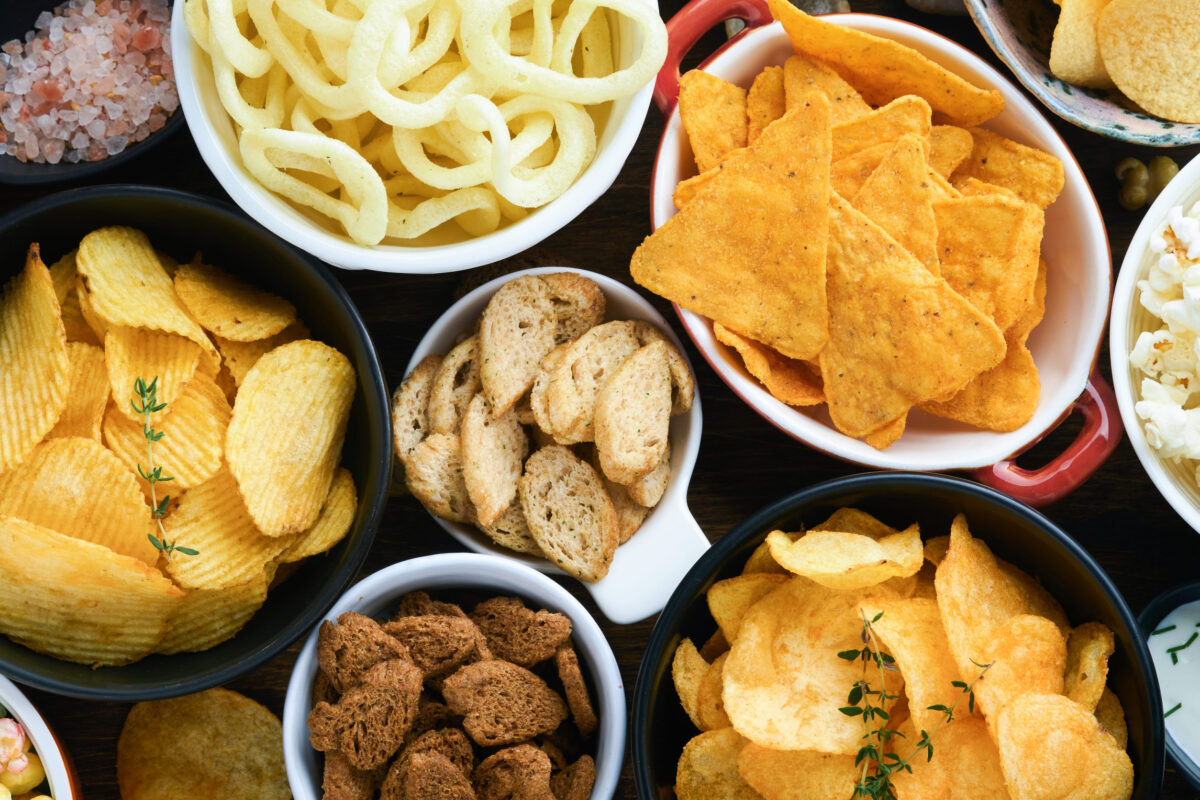
It’s no secret that salty foods are often associated with cravings. Whether it’s chips, pretzels, or fast food, we tend to crave salty snacks, especially during times of stress or fatigue. Salt, or sodium, plays a crucial role in fluid balance and nerve function, but too much can disrupt the body’s delicate electrolyte balance. In fact, many cravings for salty foods stem from a need for more sodium in the body, especially if you’re dehydrated or have low levels of sodium.
However, excessive salt consumption can also lead to negative health consequences, such as high blood pressure and bloating. The real issue with salty foods is that they tend to be highly addictive, much like sugar, and our brains can begin to crave the sensation of saltiness. Reducing your intake of processed foods and replacing them with healthier, naturally salty options like olives or nuts can help satisfy your cravings while reducing your overall sodium intake.
Caffeinated Beverages
While you might not immediately think of caffeine as a craving-inducing substance, the fact is that coffee, energy drinks, and other caffeinated beverages are often at the heart of our food cravings. Caffeine has a stimulating effect on the body, increasing alertness and reducing fatigue. However, this short-term boost can leave you feeling jittery and, once the effect wears off, more tired than before.
When caffeine wears off, it can cause a drop in energy levels, leading your body to crave quick energy fixes like sugar or processed foods. Furthermore, the high caffeine content in energy drinks or sugary coffees can spike your blood sugar levels, creating another potential loop of cravings. To break free from this cycle, consider switching to herbal teas or water for hydration, and try reducing your caffeine intake gradually to help stabilize your energy throughout the day.
Dairy Products

Many people are surprised to learn that dairy products, such as cheese, milk, and yogurt, can trigger cravings. This is partly due to the presence of casein, a protein found in dairy, which has a casomorphin effect. Casomorphins are compounds released during the digestion of casein, and they bind to opioid receptors in the brain, much like morphine does. This creates a feeling of pleasure and relaxation, which can lead to an emotional attachment to dairy-rich foods.
Furthermore, dairy products are often high in fat, and fat plays a significant role in our cravings. High-fat foods trigger hormones that promote feelings of fullness, but when consumed in excess, they can lead to overeating, especially when they become a comfort food. If you’re frequently craving dairy, it may be beneficial to switch to plant-based alternatives like almond milk, coconut yogurt, or vegan cheese to satisfy your cravings without the negative side effects.
Processed Meats

Processed meats like sausages, hot dogs, and deli meats are often loaded with preservatives, sodium, and artificial flavor enhancers. While these foods can be delicious, they also tend to trigger cravings for more. The additives in processed meats can stimulate the brain’s reward centers, leading to a strong desire for the salty, savory taste that these foods provide. In addition, processed meats are often high in unhealthy fats and sodium, which contribute to the addictive nature of these foods.
Eating processed meats in large quantities can also affect your blood sugar levels, leading to spikes and crashes that can further fuel cravings. If you’re craving these foods frequently, try swapping them out for lean proteins like chicken, turkey, or plant-based alternatives, which provide the same satisfaction without the added health risks.
Conclusion
Food cravings are more than just a psychological battle; they can be a sign of dietary and lifestyle imbalances. Sugary foods, refined carbohydrates, salty snacks, caffeinated drinks, dairy products, and processed meats all contribute to triggering cravings by affecting our blood sugar, hormones, and neural pathways. By understanding the foods that cause these cravings and making conscious choices to reduce or replace them with healthier alternatives, we can break free from the cycle of unhealthy eating and regain control over our diets.
Next time you feel a sudden craving coming on, pause and reflect on what might be causing it. Are you stressed, dehydrated, or lacking a certain nutrient? With mindful eating habits and a balanced diet, you can reduce cravings’ frequency and feel more in tune with your body’s needs. Ultimately, it’s about finding the right balance, enjoying your favorite foods in moderation while nourishing your body with the nutrients it truly craves.