10 Things You’re Ruining by Cleaning Them With Disinfecting Wipes
Disinfecting wipes are a staple in many homes and offices, offering a quick way to clean various surfaces. However, many people unknowingly damage their possessions by relying on these wipes without understanding the consequences.
While disinfecting wipes promise cleanliness and hygiene, they may not be suitable for all items and surfaces. In fact, the wrong cleaning products can cause irreversible damage, costing you more in the long run.
In this article, we’ll explore 10 common things that you may be ruining by cleaning them with disinfecting wipes and offer safer alternatives for each.
Electronic Devices
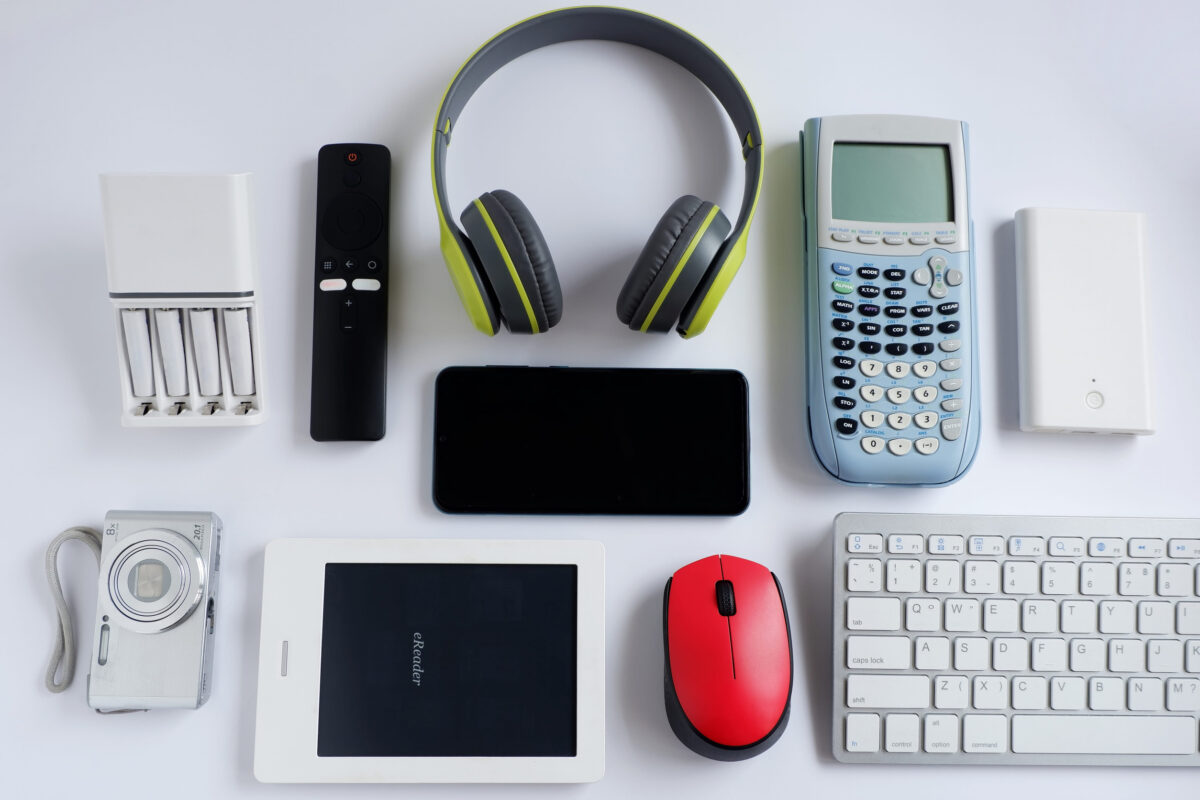
One of the most common items cleaned with disinfecting wipes is electronic devices, such as smartphones, laptops, and tablets. While it might seem like a quick fix to wipe off dirt and germs, these wipes can actually cause long-term damage. The chemicals in many disinfecting wipes can strip off protective coatings on screens and corrode sensitive components inside the device. To clean electronics properly, use a microfiber cloth and, if necessary, a specialized screen cleaner.
Furniture Finishes
Wooden and glossy furniture might look clean after a quick swipe with a disinfecting wipe, but over time, these wipes can damage the finish. The chemicals can strip away the protective layer, leaving the wood exposed and prone to scratches. For better results, use a soft cloth and furniture polish designed for the specific material you’re cleaning. Regular cleaning and proper care will help preserve your furniture’s beauty and longevity.
Your Smartphone
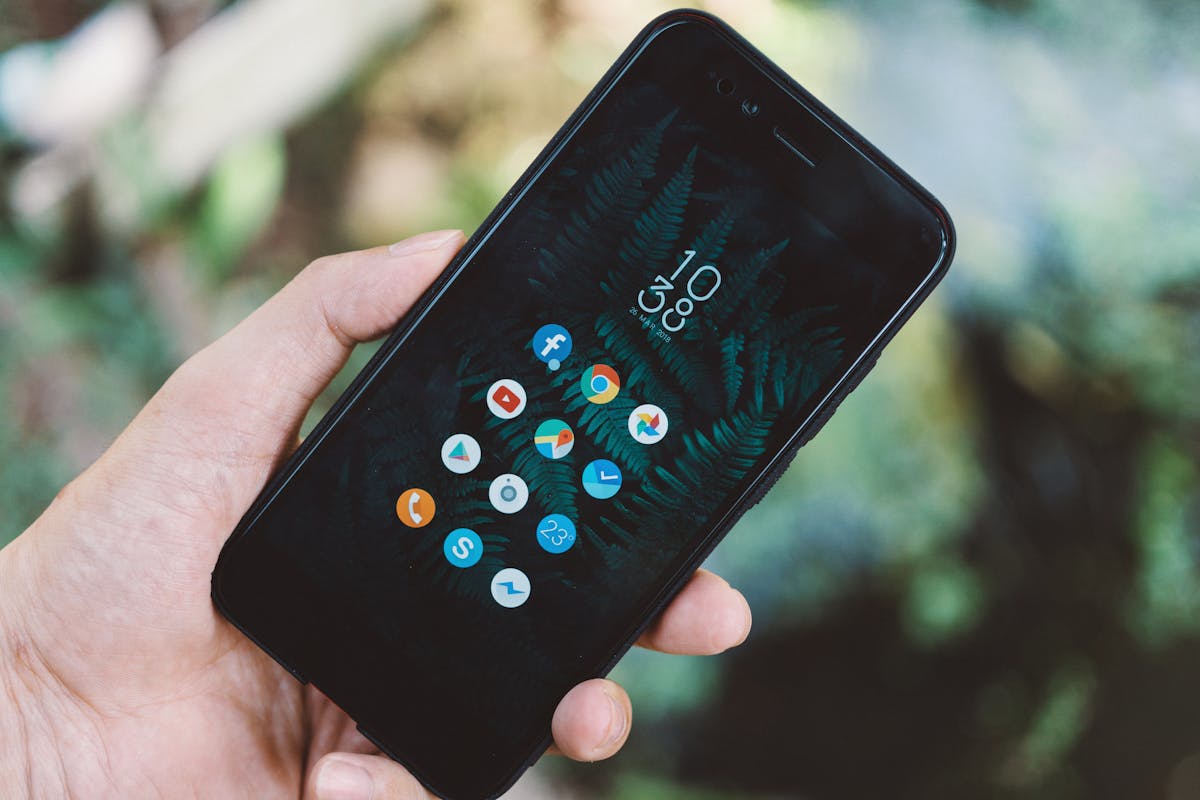
Smartphones are often exposed to dirt and bacteria, making cleaning essential. However, using disinfecting wipes can cause more harm than good. The alcohol in the wipes can break down the oleophobic coating, leaving your screen vulnerable to smudges and scratches. Instead, use a microfiber cloth with a small amount of water or a specialized screen cleaner to gently clean your phone.
Kitchen Surfaces
While disinfecting wipes may seem like an easy solution for cleaning kitchen counters, they can damage the surface over time. The chemicals in the wipes can stain marble and granite countertops, making them lose their luster. For a safer option, use a mild dish soap solution or a cleaner specifically formulated for your countertop material. This will help protect your kitchen surfaces and keep them looking pristine.
Leather Furniture

Leather furniture is beautiful and durable, but it requires special care to maintain its softness and appearance. Disinfecting wipes, which contain harsh chemicals, can dry out the leather, causing it to crack and lose its natural shine. To clean leather furniture, use a gentle leather cleaner and conditioner to keep it hydrated and protected.
Stainless Steel
Stainless steel is a popular choice for appliances due to its sleek look, but disinfecting wipes can cause streaks and discoloration. The residue left by wipes can make your appliances look less polished. To maintain the shine, use a microfiber cloth with a stainless steel cleaner, wiping in the direction of the grain for the best results.
Car Interiors
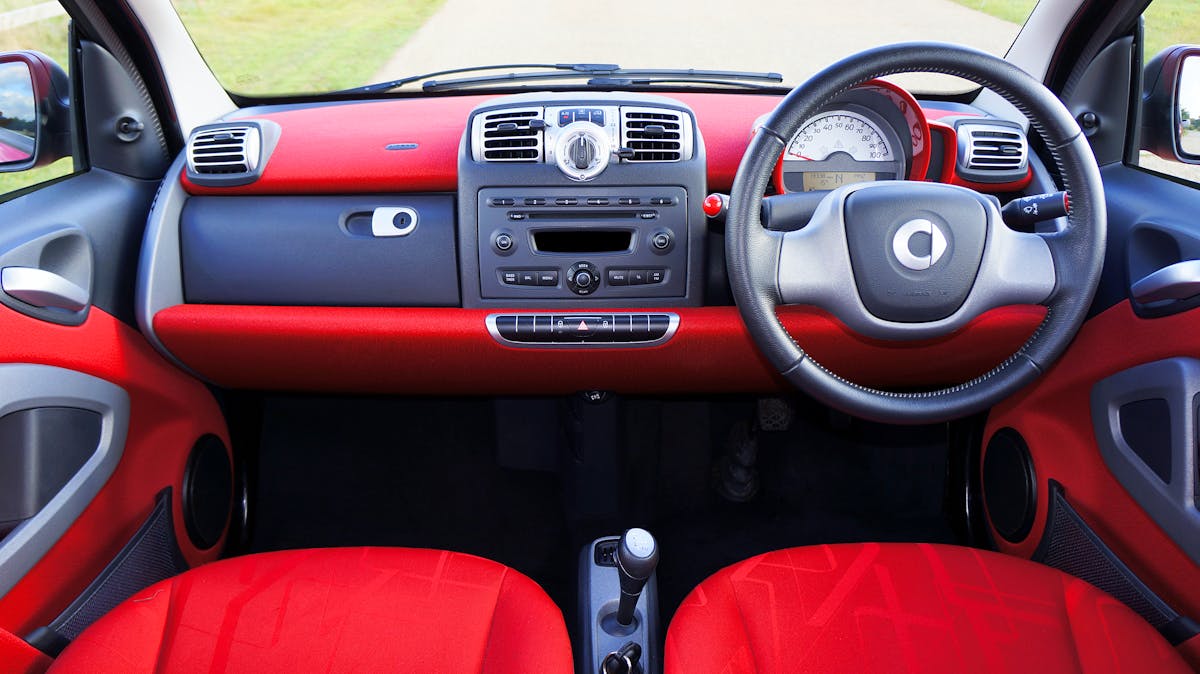
Cleaning the interior of your car with disinfecting wipes can damage sensitive materials, such as leather seats and dashboards. The alcohol and chemicals can cause the leather to dry out, and the wipes may leave streaks on the dashboard. Instead, use products designed specifically for car interiors, such as leather conditioners and interior cleaners, to maintain your vehicle’s interior look and feel.
Glass Surfaces
Glass surfaces, including mirrors and windows, require special care to avoid streaks and smudges. Disinfecting wipes can leave a residue, making your glass surfaces look cloudy and unclear. A better approach is to use a glass cleaner and a microfiber cloth, which will clean the surface without leaving any residue.
Fabrics and Upholstery
Disinfecting wipes can be harsh on fabrics and upholstery, causing them to lose their texture or even leave stains. The chemicals in the wipes can break down fibers, weakening the material over time. For fabrics, use a fabric-specific cleaner or a mild soap solution to gently clean your upholstery without damaging it.
Skin
Overusing disinfecting wipes on your hands can lead to dry, irritated skin. The alcohol and chemicals in the wipes strip the skin of its natural oils, leaving it prone to cracks and rashes. Instead of constantly using wipes, opt for hand sanitizer or wash your hands with soap and water to maintain healthy skin.
Conclusion
While disinfecting wipes are a convenient cleaning tool, using them improperly can damage surfaces and objects around your home. By understanding when and how to use disinfecting wipes and exploring safer alternatives, you can protect your belongings and maintain a clean environment without causing harm.