NYSE and Nasdaq Opening Bell Moves to the Oval Office as Trump Accounts Redefine Early Childhood Investing
The NYSE and Nasdaq Opening Bell moves to the Oval Office in a rare convergence of financial symbolism and political messaging, reshaping how markets, government, and families intersect. The NYSE and Nasdaq Opening Bell moves to the Oval Office at a time when the United States is launching Trump Accounts, a new child-focused investment program designed to encourage long-term wealth building from birth. This moment signals more than ceremony. It reflects a broader shift in how financial identity is being introduced into early childhood policy.
The NYSE and Nasdaq Opening Bell moves to the Oval Office as part of a coordinated event tied to the rollout of Trump Accounts, which begin formally on July 4, 2026. The event brings together two of the world’s most influential stock exchanges under the symbolic setting of the White House. It also places financial markets at the center of a national policy conversation about savings, investment, and generational wealth creation.
The NYSE and Nasdaq Opening Bell moves to the Oval Office, immediately raising questions about the boundaries between public institutions and financial markets. While supporters view the move as a historic alignment of economic ambition and national identity, critics see it as a blending of political branding with financial infrastructure. The implications extend far beyond ceremony and into the structure of trust in financial institutions.
A Ceremony Where Markets Meet National Identity

The NYSE and Nasdaq Opening Bell moves to the Oval Office during a period when financial markets already hold a central role in American household planning. Retirement accounts, college savings plans, and index investing have become mainstream tools for middle-class financial strategy. By placing the opening bell inside the Oval Office, the ceremony reframes market participation as part of national policy identity rather than private financial behavior.
The NYSE and Nasdaq Opening Bell moves to the Oval Office against the backdrop of growing public interest in early investing. Financial literacy campaigns over the past two decades have encouraged families to invest earlier, particularly through index funds and tax-advantaged accounts. The Trump Accounts initiative builds directly on that trend, but it expands it into childhood itself, linking financial exposure to the earliest stages of life.
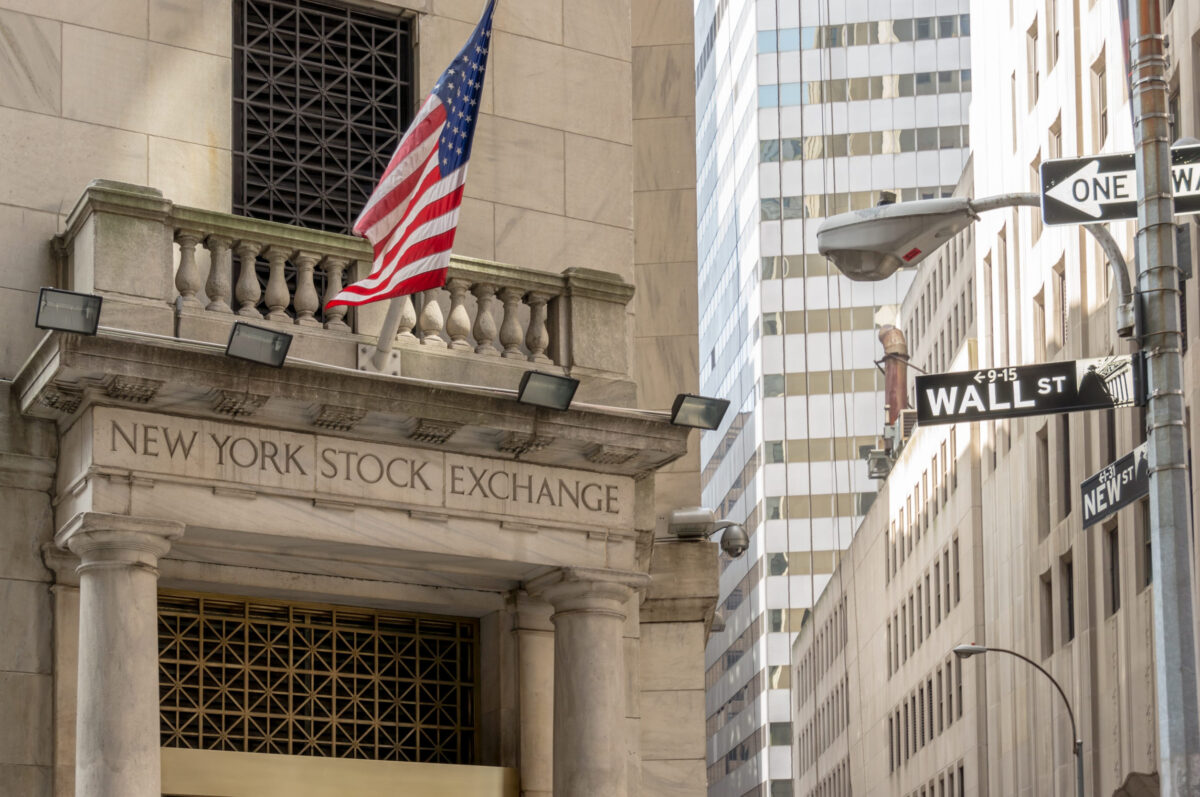
The NYSE and Nasdaq Opening Bell moves to the Oval Office, blending tradition with modern political communication. The NYSE represents the historic trading floor of Wall Street, while Nasdaq symbolizes the digital transformation of global markets. Bringing both into a presidential setting elevates their role from market operators to visible participants in a national financial narrative.
Trump Accounts and the New Architecture of Childhood Wealth
The NYSE and Nasdaq Opening Bell moves to the Oval Office alongside the rollout of Trump Accounts, a program designed to give eligible children an early financial foundation. These accounts include a federal seed contribution of 1,000 dollars for qualifying newborns within a defined birth window. Families can also contribute additional funds annually, subject to contribution limits outlined in federal guidance.
The NYSE and Nasdaq Opening Bell moves to the Oval Office at a moment when long-term investing is increasingly viewed as essential for wealth building. Trump Accounts place children into investment vehicles tied to equity markets, typically tracking broad U.S. stock indices. This structure aligns with long-standing financial theory that markets outperform over long time horizons, though it also exposes accounts to volatility.
The NYSE and Nasdaq Opening Bell moves to the Oval Office while raising important structural questions about access and equity. Families with higher incomes are more likely to maximize annual contributions, potentially creating significant disparities over an 18-year horizon. This dynamic introduces a tension between universal eligibility and unequal capacity to participate fully.
Symbolism, Politics, and the Question of Institutional Neutrality
The NYSE and Nasdaq Opening Bell moves to the Oval Office, immediately drawing attention to institutional boundaries. Stock exchanges are traditionally positioned as neutral market platforms, not political participants. By appearing in a White House ceremony tied to a federal program, they enter a space where financial messaging and political communication overlap.
The NYSE and Nasdaq Opening Bell moves to the Oval Office amid ongoing debate about the role of public institutions in shaping economic narratives. Critics argue that such events risk transforming financial markets into instruments of political branding. Supporters counter that public-private collaboration is necessary to promote financial inclusion and long-term savings behavior.
The NYSE and Nasdaq Opening Bell moves to the Oval Office also highlight the growing importance of symbolism in economic policy. In an era where attention drives engagement, ceremonial events often carry as much influence as technical policy documents. The visibility of the bell ceremony may shape public perception of Trump Accounts more than the underlying tax and investment structure itself.
Inequality, Access, and the Uneven Impact of Early Investing
The NYSE and Nasdaq Opening Bell moves to the Oval Office, exposing a structural issue embedded in child investment programs. While all eligible children may receive a baseline federal contribution, long-term outcomes depend heavily on additional funding capacity. Families that consistently contribute over time may see substantially larger balances than those that do not.
The NYSE and Nasdaq Opening Bell moves to the Oval Office as economic analysts point to the compounding effect of early investments. Over an 18-year period, even modest differences in annual contributions can produce significant divergence in final account values. This raises concerns about whether the program reduces inequality or quietly amplifies it through market mechanics.
The NYSE and Nasdaq Opening Bell moves to the Oval Office within a broader national conversation about wealth distribution. Similar debates have emerged around retirement accounts, education savings plans, and tax-advantaged investment tools. The introduction of a child-focused market account extends these questions into the earliest phase of financial life.
Market Risk, Volatility, and the Long Horizon of Childhood Accounts

The NYSE and Nasdaq Opening Bell moves to the Oval Office as Trump Accounts tie children’s savings directly to equity markets. This design reflects confidence in long-term market growth, particularly the historical performance of U.S. index funds. However, it also introduces exposure to downturns that may occur multiple times over an 18-year period.
The NYSE and Nasdaq Opening Bell moves to the Oval Office during a period when financial markets have experienced cycles of rapid growth and sharp correction. Historical events such as the 2008 financial crisis and the early 2000s dot-com collapse demonstrate how long-term investments can experience deep short-term losses. Families enrolling in Trump Accounts must therefore accept both growth potential and volatility risk.
The NYSE and Nasdaq Opening Bell moves to the Oval Office while shifting a portion of childhood financial planning into market-linked instruments. This raises a broader philosophical question about how much risk should be embedded in systems designed for minors. It also places greater responsibility on parents to understand investment behavior over long horizons.
Employer Contributions and the Expanding Financial Divide
The NYSE and Nasdaq Opening Bell moves to the Oval Office alongside provisions allowing employer contributions to child accounts. Employers may contribute annually within federal limits, creating an additional pathway for wealth accumulation. This feature introduces a workplace-linked dimension to childhood savings, extending beyond traditional benefits.
The NYSE and Nasdaq Opening Bell moves to the Oval Office as analysts highlight the uneven adoption potential across industries. Large corporations are more likely to offer structured contributions than small businesses or informal employers. This creates a scenario where employment type could indirectly influence a child’s financial starting point.
The NYSE and Nasdaq Opening Bell moves to the Oval Office, raising long-term equity concerns. If employer participation becomes widespread in high-income sectors, disparities between households could widen over time. This dynamic mirrors broader concerns about inequality in benefits in modern labor markets.
The Final Question Behind the Opening Bell
The NYSE and Nasdaq Opening Bell moves to the Oval Office as both a symbolic celebration and a structural policy experiment. It connects Wall Street tradition with federal financial planning in a way that is visually powerful and economically significant. Yet it also introduces questions that extend far beyond ceremony.
The NYSE and Nasdaq Opening Bell moves to the Oval Office in a landscape where childhood savings, market exposure, and political branding intersect. Supporters see opportunity in early investing and financial inclusion. Critics see risk in inequality, volatility, and institutional blending.
The NYSE and Nasdaq Opening Bell moves to the Oval Office leaves a lasting question at the center of the debate: when financial systems begin shaping life outcomes from birth, where does opportunity end and structural imbalance begin, and who ultimately carries the weight of that answer?