Trump Warns Mamdani Rent Freeze Could Push NYC Toward “Ghettos and Slums” as Housing Battle Explodes
A Rent Freeze That Escalates Into National Political Firestorm
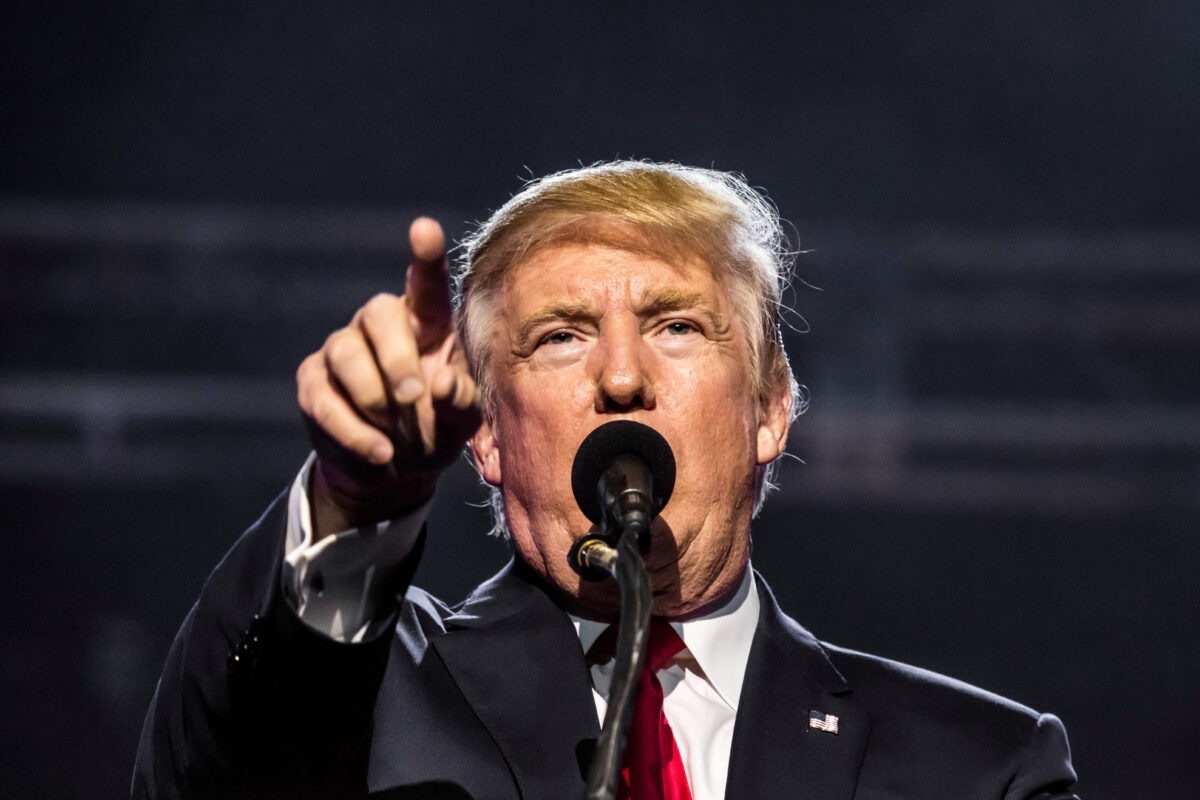
New York City’s housing crisis has once again become a flashpoint in American politics after President Donald Trump sharply criticized Mayor Zohran Mamdani’s sweeping rent freeze policy. In a striking warning, Trump argued that the measure could drive the city’s housing stock into severe decline, claiming it risks turning buildings into “ghettos and slums” if landlords are prevented from adjusting rents amid rising costs.
The comment instantly escalated what was already a heated local debate into a national controversy over affordability, housing regulation, and the long-term survival of rent-stabilized housing in one of the world’s most expensive cities. For supporters of the policy, the rent freeze represents long-overdue relief for struggling tenants. For critics, it represents a dangerous economic experiment that could destabilize the very buildings it aims to protect.
NYC Rent Freeze Policy Sparks Immediate Political Backlash
The policy at the center of the dispute stems from a decision by New York City’s Rent Guidelines Board to freeze rents on approximately one million rent-stabilized apartments. The move applies to both one-year and two-year lease renewals and is described as one of the most aggressive tenant-protection actions in recent city history. Mayor Mamdani, who campaigned heavily on affordability issues, has framed the decision as a direct win for working-class New Yorkers who have faced years of rising housing costs, stagnant wages, and increasing pressure from inflation.
For many renters, the freeze represents immediate financial relief in a city where housing costs continue to consume a disproportionate share of household income. However, the policy has also triggered a strong counterreaction from property owners, economists, and national political figures who argue that controlling rent prices without addressing operating costs creates long-term structural risks.
Trump’s Warning: “Buildings Will Deteriorate”
President Trump’s criticism focused heavily on what he described as the economic imbalance created by the freeze. He argued that while tenant relief may appear beneficial in the short term, landlords are still responsible for rising costs such as property taxes, Insurance premiums, Maintenance and repair expenses, Utility costs, and mortgage obligations. According to Trump, preventing rent increases while costs continue to rise could place financial strain on property owners, particularly smaller landlords who lack large investment portfolios.
His most controversial statement that buildings could deteriorate into “ghettos and slums” was intended as a warning about what he sees as inevitable neglect if revenue does not keep pace with expenses. The remark quickly intensified debate, drawing both political support and strong criticism depending on perspective.
Supporters Say the Freeze Is Necessary Relief for Tenants
Despite the backlash, supporters of the policy argue that the rent freeze is a necessary correction in a city where housing affordability has reached crisis levels. They point to several key pressures facing tenants: record-high rent burdens across multiple boroughs, rising grocery, transportation, and childcare costs, Limited availability of affordable housing, and wage growth that has not kept pace with living expenses.
For many households, especially those in rent-stabilized units, even modest increases can trigger displacement pressures. Advocates argue that freezing rents provides stability for nearly one million residents who might otherwise face financial insecurity or forced relocation. Mayor Mamdani’s administration has emphasized that housing stability is essential for maintaining community continuity, consistent school enrollment, and workforce retention in essential service industries.
Landlords Warn of Financial Strain and Deferred Maintenance
Opponents of the freeze argue that while tenant relief is important, the policy ignores the rising cost structure property owners face. Many landlords—particularly small and mid-sized owners—claim they operate on narrow margins. They argue that when rent revenue is frozen, but costs continue to rise, difficult trade-offs emerge.
These may include: Delayed building repairs, Reduced maintenance services, postponed capital improvements, and increased reliance on aging infrastructure. Over time, critics warn, these conditions could lead to physical deterioration in older housing stock, especially in rent-stabilized buildings that already require substantial upkeep. Some housing analysts note that the long-term condition of buildings depends heavily on consistent reinvestment, which may become harder to sustain under prolonged revenue constraints.
Affordability vs. Sustainability
At the core of the debate is a fundamental economic tension: how to balance tenant affordability with building sustainability. The rent freeze raises a critical question: Can housing costs be controlled without undermining the financial viability of the housing system itself? Supporters argue that affordability must take priority in an emergency housing market, especially in a city where homelessness and displacement pressures are visible challenges.
Critics counter that if buildings fall into disrepair, tenants ultimately suffer through declining living conditions, reduced safety, and fewer long-term housing options. This creates a policy paradox: protecting tenants in the short term may risk harming housing quality in the long term if financial pressures on landlords become too severe.
Housing Becomes a National Issue
What began as a city-level housing decision has now escalated into a broader national debate, with high-profile political figures weighing in on both sides. For Trump and other critics, the rent freeze represents a broader ideological concern about government intervention in private housing markets. They frame it as part of a larger policy trend that could discourage investment and reduce housing supply over time.
For progressives and tenant advocates, the policy represents a necessary correction to decades of rising rents and stagnant access to housing in major urban centers. The result is a politically charged environment where housing policy is no longer just a municipal issue; it has become a symbol of broader ideological divides in American governance.
Rising Costs Pressure Every Side
Regardless of political interpretation, the underlying economic reality remains unchanged: housing costs in New York City continue to rise, while wages for many workers remain relatively flat. Key pressures include: Inflation-driven increases in construction and maintenance, Higher insurance costs for aging buildings, rising municipal property taxes, and labor shortages in skilled maintenance trades.
These forces affect both tenants and landlords, leaving neither side with complete relief under current conditions.
What Happens Next in NYC’s Housing Battle
The future of the rent freeze will depend on multiple factors, including whether the policy remains in place for future lease cycles, how landlords respond regarding maintenance and investment, whether additional housing subsidies or tax adjustments are introduced, and legal or political challenges from opposition groups.
City officials will also be under pressure to monitor housing conditions closely to ensure that tenant protections do not unintentionally lead to widespread property neglect. At the same time, tenant advocacy groups are likely to push for expansion of rent control measures if the freeze is viewed as successful in stabilizing housing costs.
A Policy Decision With Long-Term Consequences
New York’s rent freeze has quickly evolved from a local policy decision into a national political symbol. Trump’s warning about urban decay has intensified fears among critics, while supporters view the measure as a necessary intervention in an increasingly unaffordable housing market. At its core, the debate is not simply about rent—it is about the future structure of urban living in America.
Whether the policy ultimately stabilizes housing or strains it further will depend on how effectively the city can balance two competing realities: protecting tenants from displacement while ensuring that buildings remain financially and physically sustainable over time.