Tupac Shakur Murder Trial Moves Forward as Judge Allows Key Evidence Against Duane “Keffe D” Davis
This article was originally published on Crafting Your Home. A human contributor also wrote and edited the post.
Nearly three decades after Tupac Shakur was killed in a Las Vegas drive-by shooting, the case that has remained one of hip-hop’s biggest mysteries is moving closer to trial.
A Nevada judge has ruled that prosecutors can use a recorded police interview with Duane “Keffe D” Davis as evidence in the upcoming murder trial. Davis, who is the only person ever charged in connection with Shakur’s death, has argued that the interview should be excluded because he believed it would remain confidential.
The decision gives prosecutors another major piece of evidence as they prepare to argue that Davis played a role in the 1996 killing of one of music’s most influential figures.
Davis, 63, has pleaded not guilty to a murder charge connected to Shakur’s death. If convicted, he could face life in prison without the possibility of parole.
Why it matters

The ruling could become a turning point in a case that remained unsolved for years and has fueled countless theories, documentaries and investigations.
Tupac Shakur was shot on September 7, 1996, while riding in a BMW driven by Death Row Records founder Marion “Suge” Knight near the Las Vegas Strip. A white Cadillac reportedly pulled alongside the vehicle, and gunfire erupted. Shakur died from his injuries several days later at the age of 25.
For years, investigators struggled to bring charges. The case eventually gained new momentum after Davis made public statements about the shooting, including comments in interviews and a memoir. Prosecutors say those statements helped revive the investigation and provided important details about the events surrounding Shakur’s death.
Authorities arrested Davis in 2023 after a grand jury indicted him on a charge of murder with a deadly weapon and a gang enhancement. Prosecutors allege he helped organize the attack after a confrontation involving members of rival groups earlier that night.
Davis has acknowledged being inside the vehicle involved in the shooting but has disputed the prosecution’s version of events. His defense team has argued that his past statements were exaggerated and should not be used against him in court.
The latest courtroom battle focused on a 2008 interview Davis gave to police. His attorneys argued that investigators had promised the conversation would not be used as evidence, making it unfair for prosecutors to introduce it at trial.
Judge Carli Kierny rejected that argument and ruled that portions of the interview could be presented to jurors. The decision means prosecutors will have another opportunity to highlight Davis’ own words as they build their case.
The defense has also attempted to block other evidence, including a 2019 memoir co-written by Davis. Prosecutors argued that Davis’ public statements and writings are important because they provide insight into his alleged involvement.
A judge previously allowed the memoir to be used at trial, another setback for Davis’ legal team.
The trial is expected to draw worldwide attention because of Shakur’s lasting impact on music and popular culture. More than 25 years after his death, the rapper remains one of the most celebrated and debated artists in history.
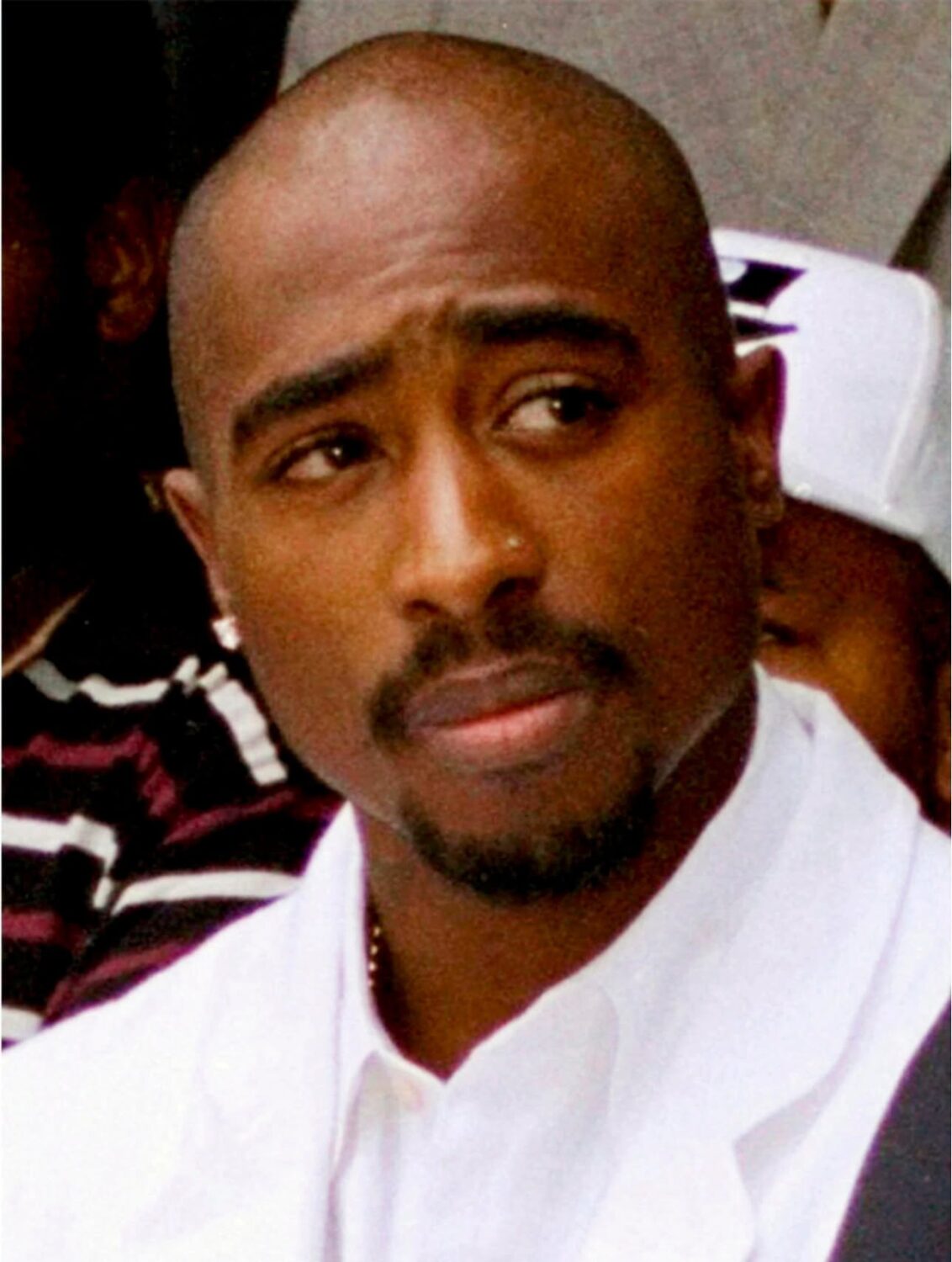
Known for songs such as “California Love” and “Changes,” Shakur became a symbol of artistic expression, social commentary and the struggles surrounding violence, poverty and fame. His death became one of the most famous unsolved celebrity killings in modern history.
The case has also carried emotional weight for Shakur’s family, longtime fans and the hip-hop community. Many have waited decades for answers about what happened that night in Las Vegas.
Prosecutors are expected to rely heavily on Davis’ previous statements, physical evidence and witness testimony as they attempt to connect him to the shooting. The defense is expected to challenge the reliability of those statements and question whether prosecutors can prove Davis’ direct involvement beyond a reasonable doubt.
The trial is scheduled to begin August 10 and is expected to last several weeks.
Even with the latest ruling, the case remains far from decided. The judge’s decision only determines what evidence jurors may hear. It does not determine whether Davis is guilty or innocent.
For the first time in nearly 30 years, however, the killing of Tupac Shakur is heading toward a courtroom showdown where prosecutors and defense attorneys will publicly debate the evidence behind one of America’s most famous unsolved murder cases.
If you like what you just read, then subscribe to our newsletter and follow us on social media.