Todd Blanche Overcomes Republican Revolt, Closing In on Confirmation
Todd Blanche’s path to becoming the next U.S. attorney general has reopened after a dramatic reversal over a controversial Justice Department fund helped secure support from two Republican holdouts.
The Senate Judiciary Committee voted 12-10 along party lines on Tuesday, August 4, to advance Blanche’s nomination to the full Senate. The vote delivered a critical victory for President Donald Trump’s nominee, whose confirmation effort appeared close to collapsing only days earlier.
We now enter the most consequential phase of the confirmation battle. Blanche must persuade enough senators that he can lead the Justice Department independently, despite his previous role as Trump’s personal defense attorney and the politically charged decisions made during his tenure as acting attorney general.
Republican Holdouts Forced a Written Reversal
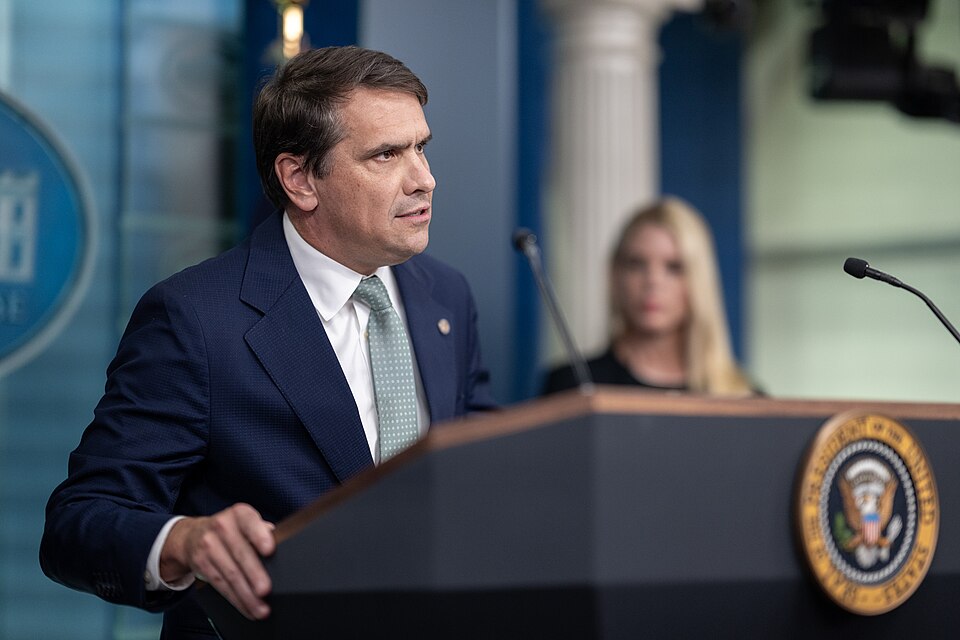
Republican Senators John Cornyn of Texas and Thom Tillis of North Carolina had threatened to block Blanche’s nomination over the Justice Department’s proposed $1.776 billion “Anti-Weaponization Fund.”
The senators were not satisfied with Blanche’s previous verbal assurances that the fund was effectively dead. They demanded a formal written order ending the program and clarifying other provisions contained in the department’s settlement with Trump.
Blanche eventually issued that order, stating that the fund would not move forward. He said no board members had been appointed, no money had been transferred, and no claims had been paid. Cornyn and Tillis subsequently agreed to support his nomination in committee.
Their votes were decisive. Republicans hold 12 seats on the 22-member Judiciary Committee, meaning opposition from both senators could have prevented Blanche from winning committee approval.
The Anti-Weaponization Fund Became a Political Flashpoint
The Justice Department announced the Anti-Weaponization Fund in May as part of a settlement involving Trump’s lawsuit against the Internal Revenue Service and the Treasury Department.
Trump, Donald Trump Jr., Eric Trump and the Trump Organization sued after confidential tax information was unlawfully disclosed. Under the settlement, the plaintiffs agreed to abandon the lawsuit and related administrative claims in exchange for a formal apology and the creation of a process intended to compensate other people who claimed the government had targeted them for political, ideological or personal reasons.
The Justice Department initially said the fund would receive $1.776 billion from the federal Judgment Fund. A five-member panel appointed by the attorney general would have reviewed claims and awarded apologies or financial compensation.
Supporters described the proposal as a way to assist victims of government misconduct. Critics, including lawmakers from both parties, questioned whether it could direct public money toward Trump allies or people convicted of crimes connected to the January 6, 2021, attack on the Capitol. Those concerns transformed the fund from a settlement provision into the central obstacle facing Blanche’s nomination.
Trump Tax Audit Protections Remain Under Examination
Cornyn also raised concerns about language that appeared to protect Trump, members of his family and associated businesses from certain tax audits or enforcement actions.
The Justice Department later clarified that the agreement applies only to claims and tax filings that existed when the settlement was reached. It does not prevent the IRS from examining future returns or pursuing enforcement related to future conduct.
That clarification helped Blanche recover Republican support, but questions remain about the underlying agreement. Democrats argue that the settlement created the appearance of a conflict because the Justice Department, an agency controlled by the executive branch, negotiated with a sitting president over his personal legal claims.
Critics have also questioned whether the rescission order permanently prevents the fund from returning. Reuters reported that Trump’s personal lawyers had not publicly approved the modifications, while opponents argued that a future Justice Department order might revive a similar program.
Epstein Files Added Pressure to Blanche’s Confirmation
The IRS settlement was not the only controversy surrounding the nomination. Tillis had also called on Blanche to meet with survivors of Jeffrey Epstein’s sex-trafficking operation. The acting attorney general faced criticism over the Justice Department’s release of Epstein-related records after some identifying information was inadvertently disclosed.
Blanche participated in a July 16 Senate hearing that included testimony from an Epstein survivor and other witnesses. His handling of the files, along with his previous interview of Epstein associate Ghislaine Maxwell, became another major line of questioning during the confirmation process.
Although Blanche satisfied Tillis sufficiently to win his committee vote, the controversy could return during the Senate floor debate.
A Narrow Senate Majority Leaves Little Room for Defections
The nomination now moves to the full Senate, where Republican leaders must manage a narrow majority and potential defections. Senator Lisa Murkowski of Alaska has indicated that she still intends to evaluate Blanche’s nomination. With Democrats expected to oppose him, resistance from only a small number of Republicans could delay or defeat confirmation.
Republicans supporting Blanche portray him as an experienced prosecutor capable of bringing stability and direction to the Justice Department. Judiciary Committee Chairman Chuck Grassley said the written termination of the fund and clarification of the settlement had resolved the concerns surrounding the agreement.
Democrats see a different test. They argue that Blanche’s history as Trump’s attorney and his involvement in decisions benefiting the president raise serious questions about where his loyalty would lie.
The committee vote removed the immediate roadblock, but it did not settle the larger debate. As we watch the nomination move to the Senate floor, the central question will be whether lawmakers view Blanche as an independent guardian of federal law or as an attorney whose political and professional ties to Trump remain too difficult to separate from the office he seeks.