10 Everyday Foods That Can Make Your Blood Sugar Spiral
Blood sugar issues are not limited to obvious sources like cake or candy. They can also result from foods that appear ordinary or healthy, such as white rice, fruit-flavored yogurt, breakfast bagels, or energy bars, which may unexpectedly raise glucose levels.
The concern extends beyond sugar. Refined starches, low fiber content, large portions, sweet sauces, and liquid carbohydrates can all cause rapid increases in blood sugar. Awareness of these factors helps us make informed meal choices.
These ten everyday foods warrant closer attention.
White Rice

White rice is one of the easiest foods to underestimate because it does not taste sweet. Still, once the outer bran and germ are removed, what remains is mostly fast-digesting starch. That means a generous serving can break down quickly and raise blood sugar, especially when the plate has little protein, fiber, or vegetables to slow digestion.
We do not need to ban rice from the kitchen, but we should stop treating a mountain of white rice like a harmless base. Brown rice, wild rice, quinoa, lentils, beans, or cauliflower rice can bring more texture and fiber to the plate. When we do eat white rice, a smaller portion works better beside vegetables, lean protein, and healthy fat.
White Bread
White bread can feel light, soft, and innocent, but that is exactly why it can be rough on blood sugar. Most white bread is made from refined flour, which digests quickly because much of its natural fiber has been removed. Two slices may not look dramatic, but the body can process them like a shortcut to glucose.
A better sandwich starts with whole-grain bread with visible seeds, oats, or a higher fiber content. We can also make bread less blood sugar-spiking by adding eggs, turkey, tuna, avocado, hummus, peanut butter, or vegetables. The goal is not to make lunch boring. The goal is to stop building meals on bread that disappears too quickly in the body.
Bagels
Bagels are breakfast classics, but many are basically dense rings of refined carbohydrate. One large bagel can carry more starch than people expect, and it often comes with cream cheese, jam, sweet spreads, or a sugary coffee drink on the side. That combination can turn a quick breakfast into a glucose-heavy start to the day.
A smarter move is to choose a smaller whole-grain bagel, a bagel thin, or open-faced toast with protein. If we want a bagel, we can pair it with eggs, smoked salmon, avocado, or cottage cheese instead of eating it plain. Portion control matters here because the problem is often not just the food itself. It is the size and what we pile on top.
White Pasta

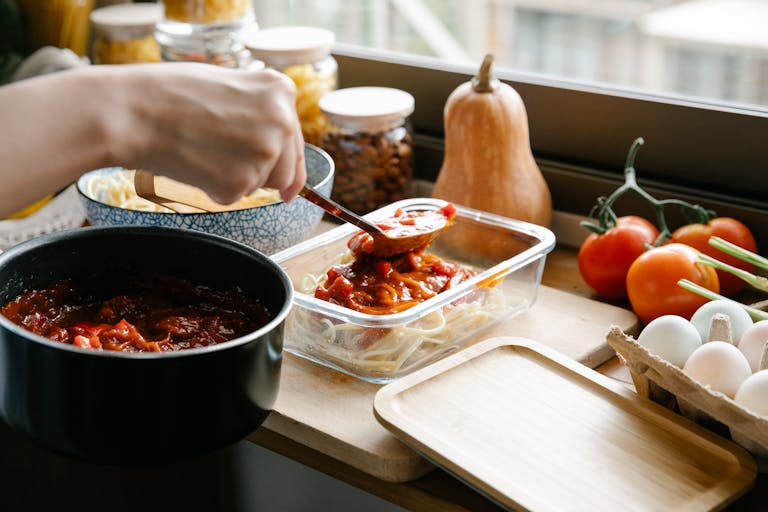
White pasta has a cozy reputation because it’s associated with comfort food, family dinners, and quick weeknight meals. The trouble starts when refined pasta fills most of the plate and arrives with creamy sauce, garlic bread, or sweetened tomato sauce. Soft, overcooked pasta can digest faster, too, which may make the blood sugar effect stronger.
We can make pasta meals friendlier by choosing whole-grain, chickpea, or lentil pasta and cooking it al dente. The plate also needs backup from vegetables, protein, and healthy fats. A bowl with grilled chicken, spinach, mushrooms, olive oil, and a smaller serving of pasta is very different from a huge bowl of plain noodles. Balance changes the story.
Potatoes
Potatoes are natural foods, but that does not automatically make every potato dish gentle on blood sugar. Mashed potatoes, baked potatoes without much protein, and large servings of fries can be digested quickly because potatoes are rich in starch. Fries add another problem because salt, fat, and crisp texture make them easy to overeat.
A better potato plate starts with portion control. Roasted potatoes with olive oil and vegetables, boiled potatoes with herbs, or a small baked potato topped with beans and greens can work better than a pile of fries. We should also avoid treating potatoes as the whole meal. They behave better when they share the plate with protein and fiber.
Fruit Juice
Fruit juice has the glow of health because it comes from fruit, but it loses one of fruit’s best features: fiber. Whole fruit makes us chew, fills space in the stomach, and slows digestion. Juice removes much of that structure and delivers concentrated natural sugar in a form the body can absorb quickly.
Whole fruit is the better everyday choice. Apples, oranges, berries, pears, and peaches bring sweetness, fiber, and volume. Juice may have a place when someone needs to treat low blood sugar under medical advice, but it should not be the daily drink besides breakfast. Water, unsweetened tea, or citrus-infused water is a steadier habit.
Sweetened Yogurt
Yogurt sounds like the responsible choice, and plain yogurt can be a strong option. The problem is fruit-flavored, low-fat, or dessert-style yogurt that comes loaded with added sugar, syrups, candy-like toppings, or sweet fruit blends. Some cups look like breakfast but behave more like pudding with a health label.
Plain Greek yogurt is a better foundation because it brings protein without the same sugar load. We can add berries, cinnamon, chia seeds, walnuts, or a small amount of whole fruit for flavor. That gives the snack texture, sweetness, and staying power. The label matters more than the word “yogurt” on the front.
Sugary Breakfast Cereal

Sugary cereal can turn breakfast into a fast ride followed by a crash. Many boxes lean on words like “fortified,” “whole grain,” or “low fat,” but the actual cereal may still be high in added sugar and low in fiber. Add milk to a large bowl, and the meal can move through the body faster than expected.
A better breakfast has more staying power. Plain oatmeal, eggs with vegetables, Greek yogurt with berries, or high-fiber cereal with nuts can help steady the morning. If we choose cereal, we should look for low added sugar, more fiber, and a short ingredient list. Breakfast should not leave us hunting for another snack an hour later.
Energy Bars
Energy bars often sound healthier than they are. Some are useful for athletes, long hikes, or busy moments when no real meal is available. Others are basically candy bars with protein claims, chocolate coatings, syrups, and refined grains. The packaging may talk about fuel, but blood sugar may hear sugar rush.
A better bar should have fiber, protein, nuts, seeds, and limited added sugar. Even then, whole-food snacks usually win. A boiled egg with fruit, hummus with vegetables, Greek yogurt, nuts, or cheese with whole-grain crackers can offer steadier energy. Convenience is helpful, but it should not trick us into eating dessert in a wrapper.
Sports Drinks and Energy Drinks
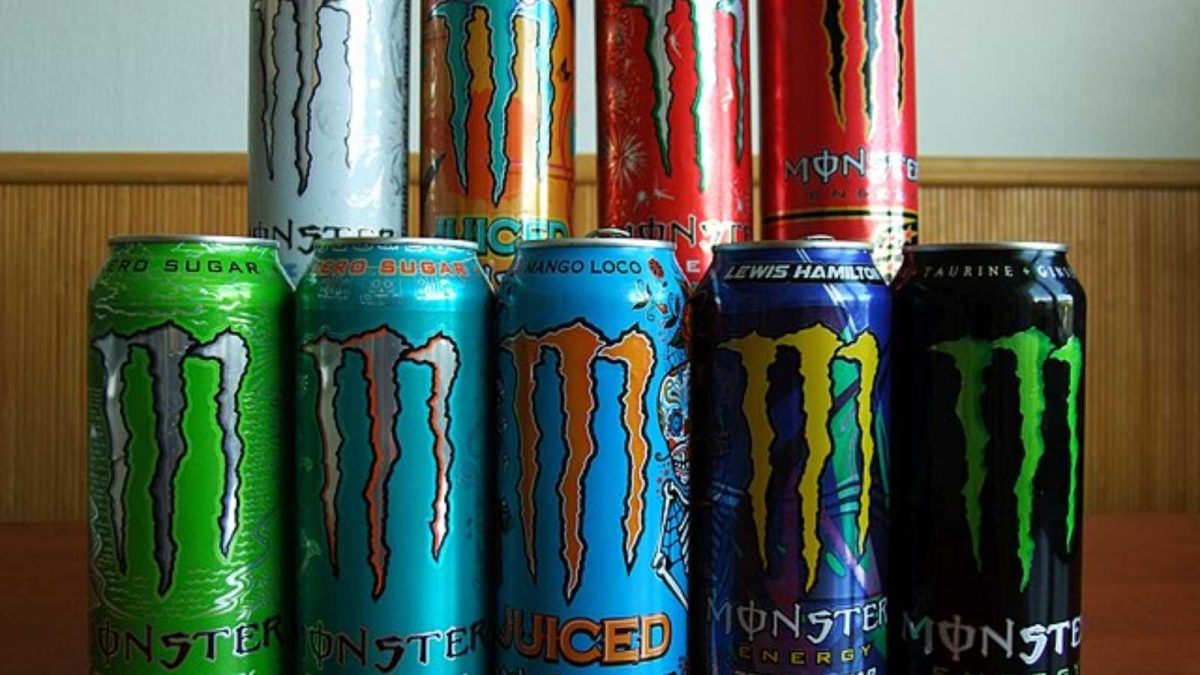
Sports drinks and energy drinks can look active, bold, and performance-focused, but many are loaded with sugar. Unless someone is doing long, intense exercise or following specific medical guidance, these drinks can add fast carbohydrates the body does not need. They are especially risky when people sip them on ordinary workdays, during short workouts, or on casual errands.
Water is the better default. For flavor, we can add lemon, cucumber, mint, or berries. If electrolytes are needed, lower-sugar options may make more sense than brightly colored bottles packed with sugar. Hydration should help the body feel stable, not sneak in a blood sugar spike through a straw.