Rama Duwaji Will Skip a Traditional City Hall Role as NYC First Lady
New York City First Lady Rama Duwaji does not plan to exchange her art studio for a City Hall office.
Mayor Zohran Mamdani confirmed during a July 9 interview that his wife intends to remain focused on her career as an illustrator, animator, and ceramic artist rather than accepting a formal position in his administration. The decision places Duwaji outside the traditional image of a mayoral spouse who attends political events, manages a public initiative, or becomes a regular presence alongside the mayor.
Mamdani said Duwaji may be the love of his life, but she is also “an incredible independent woman” who creates and commissions art and “deserves to be known in her own right.”
The announcement does not mean Duwaji is abandoning the title of first lady or disappearing from public life. Instead, she appears determined to define the position around the work she was already doing before Mamdani entered Gracie Mansion.
An artist first, rather than a City Hall official
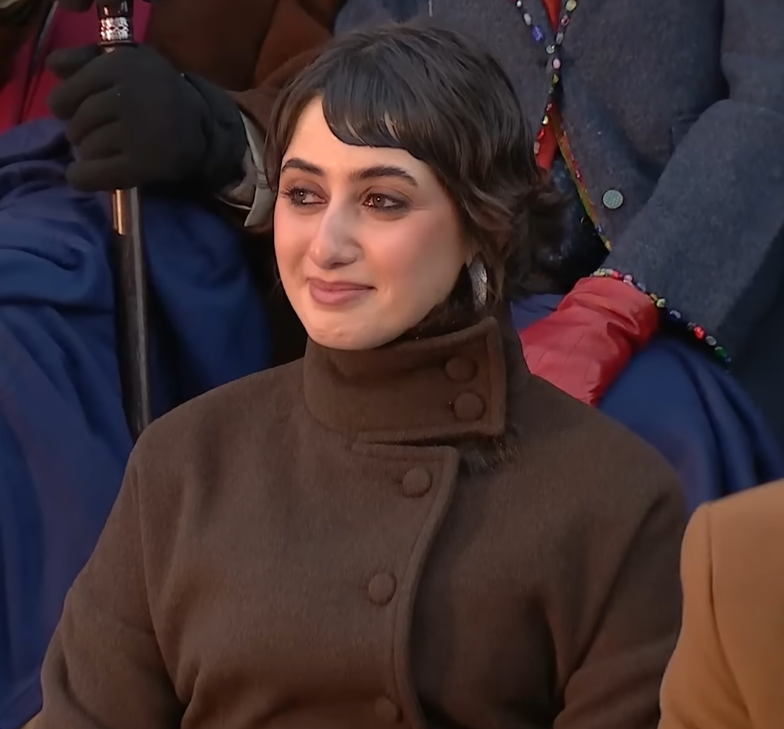
Duwaji, who turned 29 in June, has never held an official position in the Mamdani administration. The mayor previously described her as a private citizen who had no formal campaign or City Hall role, drawing a clear boundary between his elected responsibilities and her independent career.
That boundary matters because the title “first lady” does not automatically provide political authority. The spouse of a mayor is not elected by voters, and the responsibilities associated with the title can vary significantly between administrations.
Chirlane McCray, the wife of former Mayor Bill de Blasio, became heavily involved in public policy and developed her own City Hall agenda. Duwaji has chosen a lighter and more artistic approach. Before Mamdani took office, she said there were different ways to serve as first lady, making her position unmistakable: “I’m not a politician.”
Her decision also challenges an old expectation that the spouse of a powerful official must reorganize her own career around his position. Mamdani’s public defense suggests the administration does not intend to pressure Duwaji into becoming a ceremonial extension of the mayor.
That does not make her invisible. Duwaji contributed ideas to the colorful visual identity of Mamdani’s campaign, including details in its lettering and graphic design. She also helped him with Arabic pronunciation for campaign material, showing how her creative influence could be felt without placing her on the political stage at every event.
Her platform may still carry public influence.
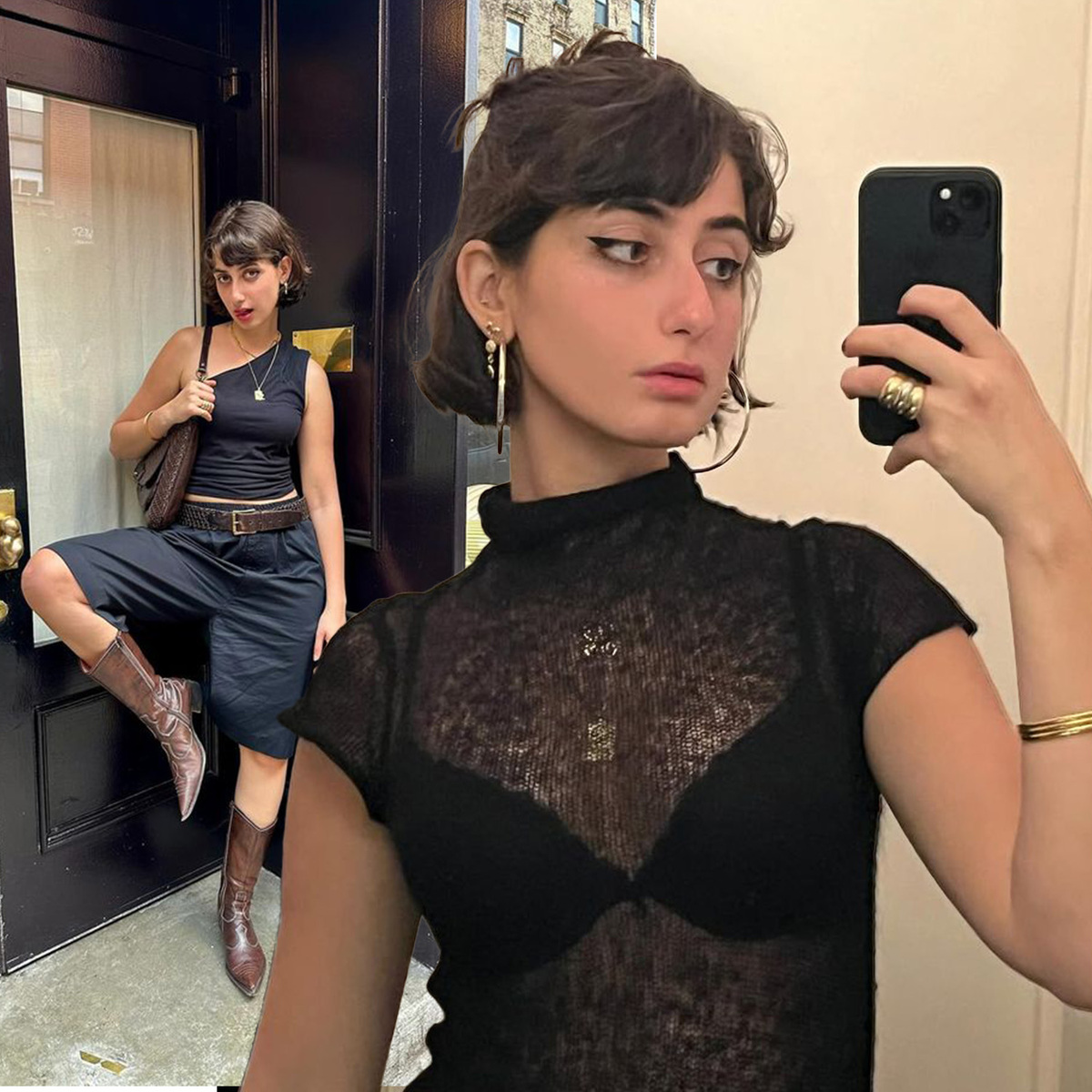
Duwaji has said she wants to use the attention surrounding her new title to support artists struggling to gain recognition in New York.
She has spoken about talented creators spending their final paychecks on supplies and producing important work without instant praise or financial security. Giving those artists greater visibility, she said, would be a “top priority.”
That mission gives Duwaji a public purpose without turning her into a government official. She could promote exhibitions, participate in workshops, introduce audiences to smaller galleries, or highlight young artists whose work might otherwise remain unseen.
New York’s creative community is enormous, but building a sustainable career in the city can be difficult. Expensive studio space, rising housing costs, and the unpredictable nature of freelance income can make artistic success feel unreachable. Duwaji’s visibility could provide valuable attention, even without a publicly funded program or City Hall title.
Her professional record began well before Mamdani became mayor. Duwaji describes herself as a Syrian illustrator and animator based in Brooklyn whose work examines sisterhood and communal experiences. Her clients have included Apple, Spotify, the BBC, The Washington Post, The New Yorker, Vice, and Tate Modern.
She earned a Master of Fine Arts in Illustration as Visual Essay from New York’s School of Visual Arts in 2024. Her graduate project, “Sahtain!,” used mixed media to celebrate food, shared meals and cultural connection.
A different kind of first lady for New York
Duwaji became New York City’s first Muslim first lady when Mamdani took office in January 2026. The couple now lives at Gracie Mansion, but Duwaji’s public comments suggest she does not intend to let the residence, the title or the political attention erase the career she built independently.
Her choice may disappoint people who expect the mayor’s spouse to lead a major civic program or maintain a busy schedule of official appearances. Others may see it as a modern and reasonable division between public service and marriage.
Either way, Duwaji is not rejecting public responsibility altogether. She is selecting the form that the responsibility will take.
Mamdani will run City Hall. Duwaji will continue creating art, supporting her husband privately, and using her expanded audience to open doors for other artists. In a city known for reinventing traditions, its newest first lady is making clear that she plans to do the same with her own title.