Trump’s Utah National Monument Cuts Trigger a New Battle Over Sacred Lands, Resources and Public Trust
A single presidential decision has transformed millions of acres of Utah desert into the center of a national debate. The Trump Utah national monument reductions affecting Bears Ears National Monument and Grand Staircase-Escalante National Monument have reopened a long-running conflict over conservation, Indigenous heritage, energy development, and the future of America’s public lands.
President Donald Trump’s latest action sharply reduces protections across two landscapes known for ancient archaeological sites, dramatic geological formations, and cultural importance to Native American communities. Supporters argue the move gives Utah greater control over its resources, while critics warn that it places some of the country’s most valuable historic and environmental sites at risk.
The decision represents more than a change in land boundaries. It reflects a deeper struggle over how the United States manages public lands and whether those protections should remain stable across presidential administrations. The Trump administration’s decision on the Utah national monument has become another defining moment in the decades-old debate between preservation and development.
The Political Battle Behind a Massive Land Reduction
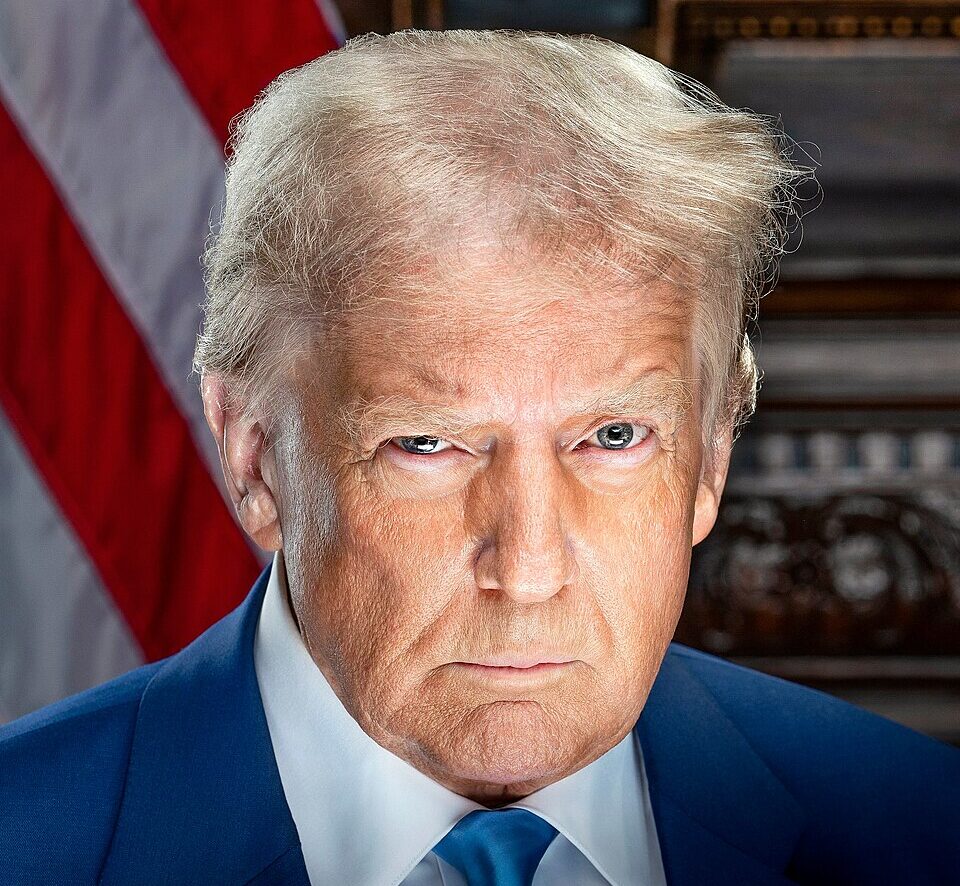
The Trump administration’s decision on the Utah national monument dramatically changes the size of two protected landscapes in southern Utah. Before the reduction, Bears Ears and Grand Staircase-Escalante together covered more than 3.2 million acres, an area larger than several major U.S. cities combined.
After the administration’s action, the combined protected area fell below 303,000 acres. The reduction represents roughly a 90% decrease in the lands covered by the original monument designations. It is among the most significant changes to national monument boundaries in modern American history.
The decision follows a pattern of changing federal land policies between presidential administrations. President Trump reduced the monuments during his first term; President Joe Biden restored their original boundaries, and Trump’s return to office brought another reversal.
This repeated cycle has turned national monument policy into a political contest. Communities, conservation groups, tribal nations, and industries now face uncertainty over whether land protections will remain in place beyond a single administration.
The debate raises a difficult question: Should decisions about national monuments represent long-term national commitments, or should elected leaders have broad authority to reshape them in response to changing priorities?
A Desert Landscape Caught Between Ancient History and Modern Development
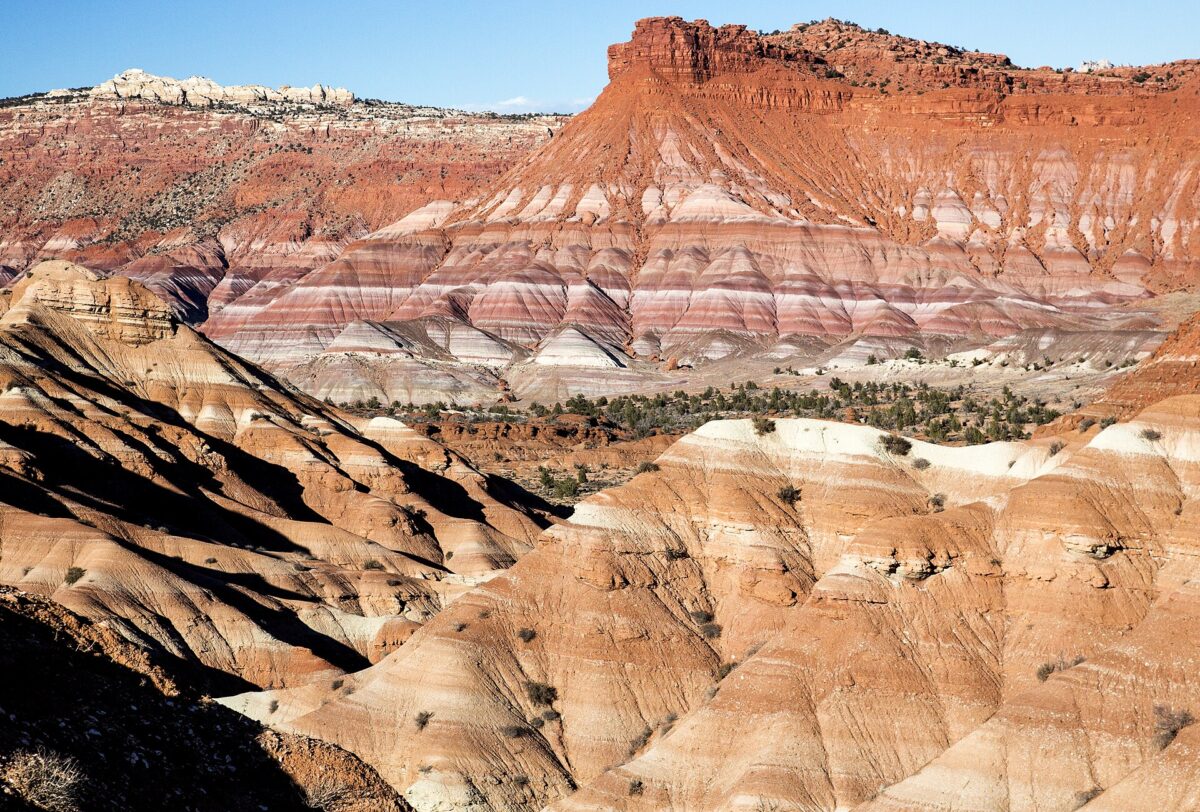
The lands affected by the Trump Utah national monument decision contain far more than open desert. They include archaeological discoveries, cultural landmarks, fossil records, and ecosystems that tell stories stretching back thousands of years, even millions.
Grand Staircase-Escalante National Monument, created by President Bill Clinton in 1996, protects a landscape of cliffs, canyons, natural arches, and archaeological sites. Scientists have studied the area for decades because of its unique geology and fossil discoveries.
Bears Ears National Monument carries a different but equally significant history. President Barack Obama established the monument in 2016 after years of advocacy by Native American tribes seeking protection for ancestral lands.
The region contains ancient villages, rock art, ceremonial locations, and burial areas connected to tribal traditions. For many Indigenous communities, Bears Ears is not simply public land. It represents a living connection to ancestors, cultural practices, and spiritual identity.
The Trump Utah national monument reductions therefore involve competing views of land value. Some see these areas primarily as resources for economic opportunity, while others view them as irreplaceable cultural landscapes.
Why Utah Leaders Supported the Monument Changes
Utah officials have opposed large national monument designations for years. Their argument centers on local control, economic development, and the belief that communities closest to the land should have a stronger voice in decisions.
Supporters of the Trump Utah national monument decision argue that previous administrations created monument boundaries that were too broad. They say smaller boundaries can still protect important archaeological and cultural sites while allowing greater flexibility for economic activities.
Utah leaders have also pointed to the state’s history of managing natural resources. They argue that restrictions placed by federal agencies can limit opportunities for rural communities that depend on industries such as energy, mining, and tourism.
Governor Spencer Cox described the decision as an important moment for Utah. Supporters viewed the move as a correction to what they considered excessive federal control over state lands.
However, opponents argue that reducing federal protections does not automatically transfer management authority to local communities. Instead, they say it creates greater opportunities for commercial development on landscapes with national significance.
The Resource Debate Beneath Utah’s Red Rock Country
The Trump administration’s decision on the Utah national monument is closely connected to a broader debate about America’s energy and mineral needs. The affected regions contain valuable resources, including coal deposits in Grand Staircase-Escalante and uranium resources near Bears Ears.
Supporters of reducing monument boundaries argue that America needs greater access to domestic resources. They point to rising demand for minerals used in energy technology, manufacturing, and national security industries.
The argument has gained attention as governments worldwide compete for critical minerals. Advocates say reducing restrictions on public lands could help strengthen domestic supply chains and reduce dependence on foreign sources.
However, opening protected lands does not guarantee immediate economic growth. Mining projects often require years of planning, investment, environmental review, and infrastructure development before production begins.
Critics argue that the economic benefits remain uncertain, while potential environmental damage could last for generations. They question whether short-term resource opportunities outweigh the long-term value of preserving unique landscapes.
The Hidden Impact Beyond the Acreage Numbers
Much of the discussion surrounding the Trump Utah national monument decision focuses on acreage. Yet the true impact lies within those boundaries.
Bears Ears contains thousands of cultural resources that provide evidence of human life across generations. Archaeologists continue to study structures, tools, and artwork that reveal important information about early communities in the region.
Grand Staircase-Escalante also provides significant scientific value. Researchers have discovered fossils and studied geological formations that contribute to understanding Earth’s history and environmental changes.
Protected landscapes also support wildlife and fragile desert ecosystems. These environments often recover slowly after major disturbances because of limited rainfall and harsh conditions.
For conservation advocates, the concern is not simply losing a boundary line on a map. The concern is whether future generations will experience these places in the same condition as they exist today.
The Tribal Fight Over Bears Ears Protection

The Trump Utah national monument debate has created particular concern among Native American leaders. Bears Ears became the first national monument established at the direct request of a coalition of tribal nations.
The Bears Ears Inter-Tribal Coalition includes the Navajo Nation, Hopi Tribe, Pueblo of Zuni, Ute Mountain Ute Tribe, and Ute Indian Tribe of the Uintah and Ouray Reservation.
These tribes have argued that federal decisions affecting Bears Ears should involve meaningful consultation. They say the land contains cultural resources inseparable from their history and identity.
For tribal communities, protecting Bears Ears is not only about conservation. It is also about preserving traditional knowledge, ceremonies, and connections that have survived for centuries.
The dispute highlights a broader national conversation about Indigenous participation in decisions involving ancestral lands. It also raises questions about how governments balance economic interests with cultural responsibilities.
The Legal Fight That Could Shape America’s Monuments
The future of the Trump Utah national monument decision may ultimately depend on the courts. Legal challenges are expected to focus on the authority granted under the Antiquities Act of 1906.
The law allows presidents to designate national monuments to protect historic, scientific, and cultural resources. However, legal experts have debated whether the same authority allows presidents to significantly reduce protections established by previous administrations.
Previous monument disputes have created uncertainty over the limits of presidential power. The Utah case could influence how future presidents approach national monuments across the country.
A court ruling could determine whether monument protections remain vulnerable to political change or represent more permanent national commitments.
The outcome will likely affect future debates involving public lands, conservation policy, and federal authority.
America’s Public Lands Face a Defining Choice
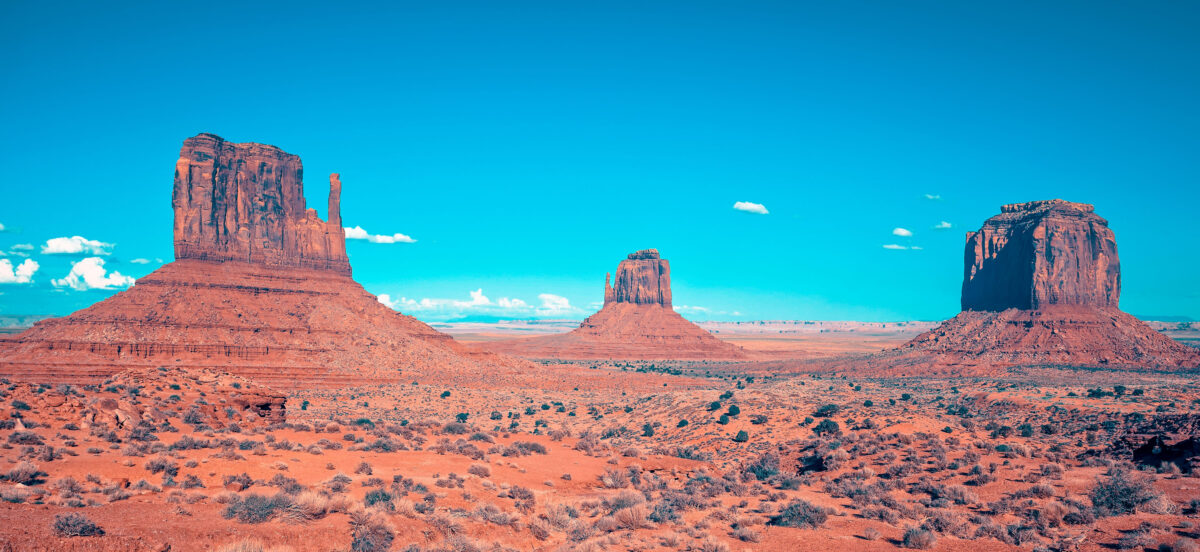
The Trump Utah national monument reductions represent a much larger national debate about the meaning of public lands. Across the West, communities continue to balance economic opportunity with environmental protection and cultural preservation.
For supporters, the decision represents a shift toward local decision-making and greater access to resources. They believe responsible development can coexist with the protection of important sites.
For opponents, the decision represents a loss of safeguards for landscapes that belong to all Americans. They argue that once cultural sites or fragile ecosystems are damaged, restoration may be impossible.
The future of Bears Ears and Grand Staircase-Escalante remains uncertain. Court battles, political changes, and public debate will continue shaping their fate.
Ultimately, the Trump administration’s decision on the Utah national monument forces the country to confront a fundamental question: Are America’s public lands primarily economic assets to be developed, or shared treasures that require careful protection for generations yet to come?