John F. Kennedy Center Ends Free Public Tours After 50 Years, Marking a Major Change for Visitors.
After half a century of welcoming visitors through its halls, the John F. Kennedy Center for the Performing Arts is ending its free public tours, marking a major shift in how Americans experience one of Washington’s most iconic cultural landmarks.
For generations, a visit to the Kennedy Center meant more than attending a concert or Broadway performance. Thousands of tourists, students, families, and history lovers walked through the building each year to learn about its architecture, explore its theaters, and discover the stories behind the national memorial dedicated to President John F. Kennedy.
Now, that tradition is ending, marking a clear break from the past.
The decision to discontinue free public tours represents a dramatic shift for an institution that has spent decades presenting itself as a cultural home open to all Americans. At a moment of leadership changes, public debate, and questions about its future direction, it also places the landmark under an intense spotlight.
The end of the tours is not simply a change to a visitor program. It reflects a larger transformation at a place that has long represented the connection between American culture, history, and public life, linking the change to a broader shift.
A Half-Century Tradition Comes to a Close
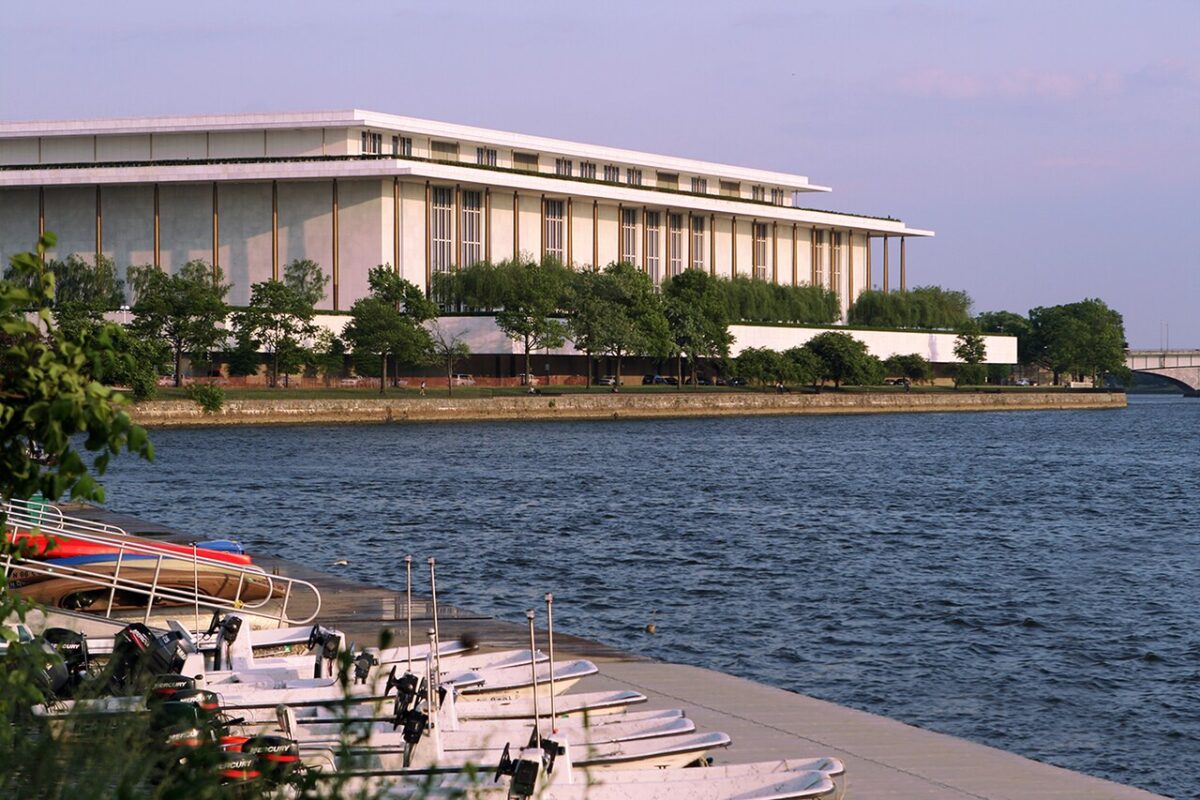
Since the Kennedy Center opened its doors in 1971, public tours have been one of the ways the institution connected everyday visitors with the history of the arts in America.
The center was created as a living memorial to President John F. Kennedy, who championed the importance of arts and culture during his presidency. Congress authorized the project in the 1950s, and after years of planning and construction, the building became the first major federal-supported performing arts center in the United States.
Located along the Potomac River in Washington, D.C., the Kennedy Center quickly became a national symbol. Its stages hosted presidents, international performers, world-class musicians, and some of the biggest names in theater and entertainment.
The free tours gave visitors a behind-the-scenes look at that history. Guests could explore public areas of the building, view artwork, learn about the center’s design, and hear stories about famous performances and important moments that took place inside its theaters.
For many visitors, especially school groups and tourists visiting the nation’s capital, the tours provided an affordable way to experience one of America’s most important cultural institutions.
Ending that tradition closes a chapter that lasted more than five decades.
Why the Change Matters for Visitors

The decision to end free public tours changes the relationship between the Kennedy Center and casual visitors who may never attend a performance, and it underscores how the center is redefining access.
The Kennedy Center has always been more than a concert venue. Unlike many theaters that primarily serve ticket holders, the center’s open public spaces allowed people to enter, explore, and experience the building without purchasing a ticket. That accessibility helped strengthen its role as a national gathering place.
Families visiting Washington could stop by after touring monuments. Students could learn about American arts history without paying admission. Tourists could experience a landmark even if they could not afford a Broadway show or orchestra performance.
The elimination of free tours removes one of the easiest ways for people to engage with the institution, underscoring how much access is changing.
For supporters of the decision, the change may represent a practical adjustment as the center reviews its operations and focuses resources elsewhere.
For critics, it raises concerns that a national cultural institution is becoming less accessible to the public.
The debate highlights a long-standing question surrounding major arts organizations: Should they primarily operate as performance venues, or should they serve as public educational spaces as well?
A Landmark Already Undergoing Major Changes
The timing of the tour decision is especially significant because the Kennedy Center is already undergoing a major transition.
The institution has faced intense attention following President Donald Trump’s involvement with its leadership and future plans. Changes to the center’s board and management structure sparked debate over whether the organization was entering a new era or moving away from its traditional identity.
Trump and his supporters argued that the Kennedy Center needed improvements, stronger leadership, and a renewed focus on attracting broader audiences.
Critics argued that increased political involvement threatened the institution’s independence and long-standing reputation as a place where the arts could exist outside partisan disputes.
The controversy placed the Kennedy Center at the center of a national conversation about culture, politics, and public institutions.
The end of free tours has added another layer to that discussion, deepening the sense of change around the center.
The Kennedy Center’s Role as a National Symbol
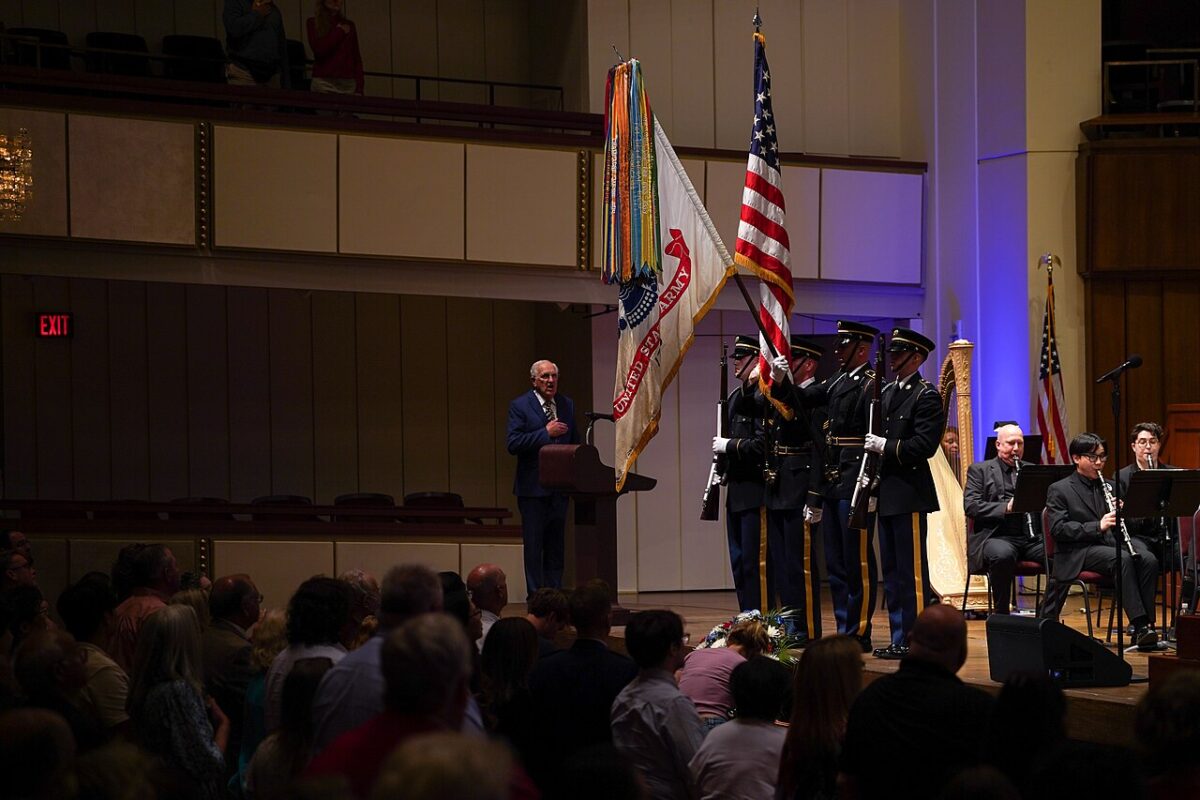
The Kennedy Center occupies a unique place in American history. Unlike many cultural institutions that developed through private donations or local communities, the Kennedy Center was created through federal action as a tribute to a president and as a national investment in the arts.
Its mission has always included making performances available to the public while supporting artists from across the world.
Over the years, the center has hosted everything from classical concerts and ballet performances to comedy shows, jazz events, and major theater productions.
It has also hosted important national moments, including presidential ceremonies and tributes honoring influential artists.
Because of its unique status, every major change at the Kennedy Center receives attention beyond Washington.
A decision about tours, programming, leadership, or renovations becomes a conversation about what Americans expect from their cultural institutions.
Artists and Visitors Watch the Center’s Next Chapter
The Kennedy Center’s future direction remains closely watched by artists, supporters, and visitors.
The arts community has historically valued the institution’s ability to bring different perspectives together. Performers from different backgrounds and artistic traditions have used its stages to reach national audiences.
Recent changes have caused some artists and supporters to question whether the center can maintain that reputation.
At the same time, supporters of the new direction argue that institutions must adapt to changing times and find ways to remain financially sustainable and relevant.
The debate over tours reflects that larger challenge, showing how one decision fits into a wider institutional question.
A free public tour may seem like a small part of a massive cultural institution, but it represents something important: an invitation for ordinary people to feel connected to a place often associated with famous performers and political leaders.
A Changing Relationship Between Americans and the Arts
The Kennedy Center’s decision comes at a time when many cultural institutions are reconsidering how they operate.
Museums, theaters, and performing arts centers across the country are facing challenges involving funding, attendance, technology, and changing audience habits.
Many organizations are searching for ways to attract younger generations while maintaining traditions that helped build their reputations.
The Kennedy Center’s decision shows the difficult choices facing institutions with decades of history and highlights the tension between preserving legacy and making change.
Preserving a legacy often requires change, but every change creates questions about what should remain untouched, making the tradeoffs harder to ignore.
For visitors who grew up touring the Kennedy Center, the end of free tours represents the loss of a familiar tradition.
For future visitors, it may represent a new chapter with a different approach.
The End of an Era, and the Start of a New One
The Kennedy Center has always reflected the country around it. When it opened more than 50 years ago, it represented optimism about the power of the arts to bring Americans together. Over the decades, it became a place where culture, history, and public life intersected.
The end of free public tours marks a major change in how people experience that legacy.
The decision may eventually be viewed as a necessary operational adjustment or as a moment when a national institution became less connected to the public it was created to serve.
Either way, the change closes a remarkable chapter and leaves the next one still unfolding.
For half a century, visitors walked through the Kennedy Center’s doors to discover stories behind the performances. Now, as the institution enters a new era, that familiar connection is changing, and the question is whether it can be preserved in a very different future.