Does Middle-Class Life Still Exist in America?
The idea of the middle class once promised stability, security, and a sense of upward mobility. Today, it feels more like a mirage. Even households earning six figures often struggle with rent, student loan payments, childcare, and skyrocketing healthcare costs. National averages tell one story, but the lived reality for millions is far more stressful, leaving many wondering if “middle class” still means anything at all.
The numbers give us a framework, but the reality is a complicated mix of location, household size, debt, and local cost of living. Here’s a breakdown of why earning “enough” to be middle class no longer guarantees comfort or security.
National Middle-Class Income Ranges Are Misleading
On paper, the national middle-class household earns roughly $56,000 to $167,000, using two-thirds to double the median income estimates. While this seems generous, the range masks major disparities. A family earning $70,000 in a small town may feel secure, but that same income in New York, San Francisco, or Los Angeles feels stretched thin. Numbers alone cannot reflect the stress of mounting bills and the costs of urban living.
Household Size Turns Comfort Into Stress
A single adult earning $60,000 enjoys breathing room, while a family of four making $95,000 may feel tight. More dependents mean more mouths to feed, higher rent or mortgage payments, higher insurance costs, and increased childcare costs. The middle-class label adjusts for household size, but in reality, what qualifies as middle class on paper often leaves families financially squeezed month after month.
Location Dictates Middle-Class Reality
The city you live in changes everything. A $90,000 household can live comfortably in a low-cost city but struggle in a high-cost metro. Housing, utilities, and everyday expenses can erode what appears to be a solid salary. Geography turns the concept of middle-class income from a national benchmark into a moving target that feels impossible to hit in some areas.
States Create Extreme Income Disparities
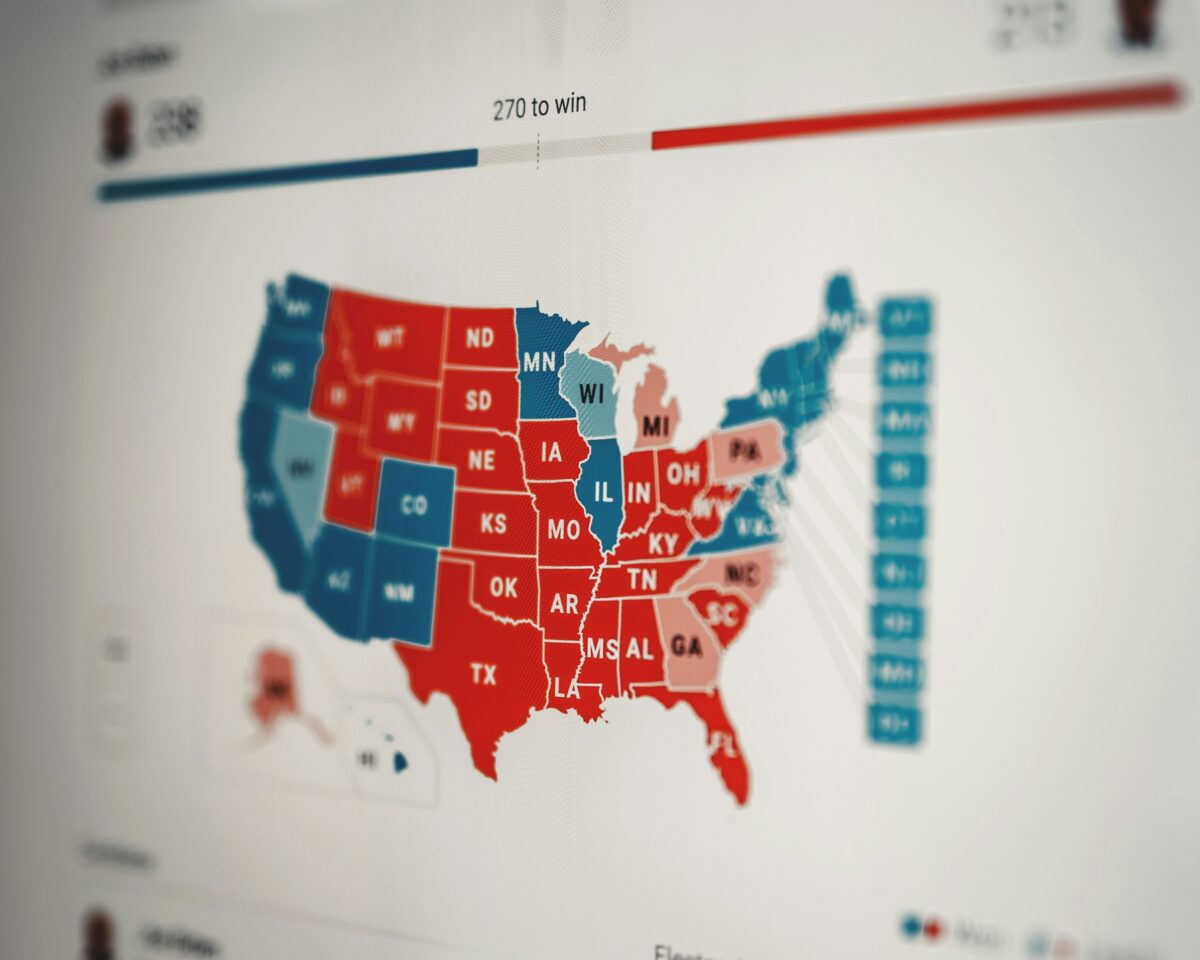
State-by-state differences highlight the uneven middle-class experience. Massachusetts, New Jersey, and California require six-figure salaries to maintain a middle-class standard of living, while Mississippi, West Virginia, and Kentucky have lower thresholds. High-income states make the “middle class” look like a professional salary, creating a distorted picture for Americans checking the national numbers.
Big Cities Inflate the Cost of Being Middle Class
In cities like San Jose, San Francisco, and Irvine, middle-class status starts near $100,000, with upper bounds approaching $300,000. Six figures may sound impressive, but once rent, commuting, and childcare are factored in, the paycheck barely keeps up. Urban living has redefined the middle class from stability to survival, forcing families to constantly balance comfort and financial reality.
Smaller Cities Show Lower Thresholds But Hidden Struggles

Cleveland, Toledo, Buffalo, and Memphis show low middle-class entry points, starting around $28,000–$35,000. The catch is that lower thresholds often reflect limited job opportunities and lower wages, which can make living expenses unexpectedly burdensome. Being middle-class on paper does not prevent late rent notices, medical debt, or the daily stress of stretching every dollar.
National Averages Hide Real Cost-of-Living Pressure
Using median income figures gives a broad picture but obscures real challenges. National stats ignore skyrocketing rents, local taxes, and medical expenses that swallow paychecks. A family earning $80,000 may appear comfortably middle class, yet the reality often feels closer to financial instability, highlighting the growing gap between statistics and lived experience.
Debt and Loans Erode Middle-Class Stability
Student loans, credit card debt, and car payments eat into take-home pay, turning a seemingly middle-class salary into tight living. Many households are technically middle-class but feel trapped by debt obligations that prevent them from saving, owning a home, or engaging in discretionary spending, creating a financial squeeze that is invisible in national surveys.
Lifestyle Expectations Make the Middle Class Harder to Sustain

Owning a home, contributing to retirement, paying for childcare, and saving for emergencies have become side projects rather than default milestones. A middle-class income is no longer synonymous with stability; it requires careful budgeting and sacrifices. What used to feel like security now often feels like juggling just enough to keep the lights on.
The Real Middle-Class Question Is Personal
Ultimately, the middle class is defined by more than numbers. Location, family size, debt, lifestyle, and unexpected costs shape whether someone feels middle-class. National thresholds provide context, but true middle-class comfort comes from what remains after bills, rent, and responsibilities are paid, not from where the paycheck lands on a spreadsheet.
The middle-class dream still exists in theory, but the reality is far harsher. Understanding income ranges, the cost of living, and personal obligations is critical to understanding why Americans feel the paycheck treadmill never ends.