13 Gas Station Mistakes That Are Quietly Draining Your Wallet
Gas prices already feel painful enough before we add our own bad habits to the bill. Yet many drivers lose money at the pump long before fuel even enters the tank. We rush, guess, tap the wrong payment card, buy extras, ignore rewards, and drive away in ways that make the next fill-up arrive sooner.
The worst part is that most gas station mistakes do not feel expensive in the moment. A few cents here, a snack there, a car wash we did not need, or a tank of premium fuel the engine never asked for can seem harmless. But repeated every week, those small choices can turn into a quiet budget leak.
Here are the gas station habits that may be costing us more than we realize.
Waiting Until the Fuel Light Comes On
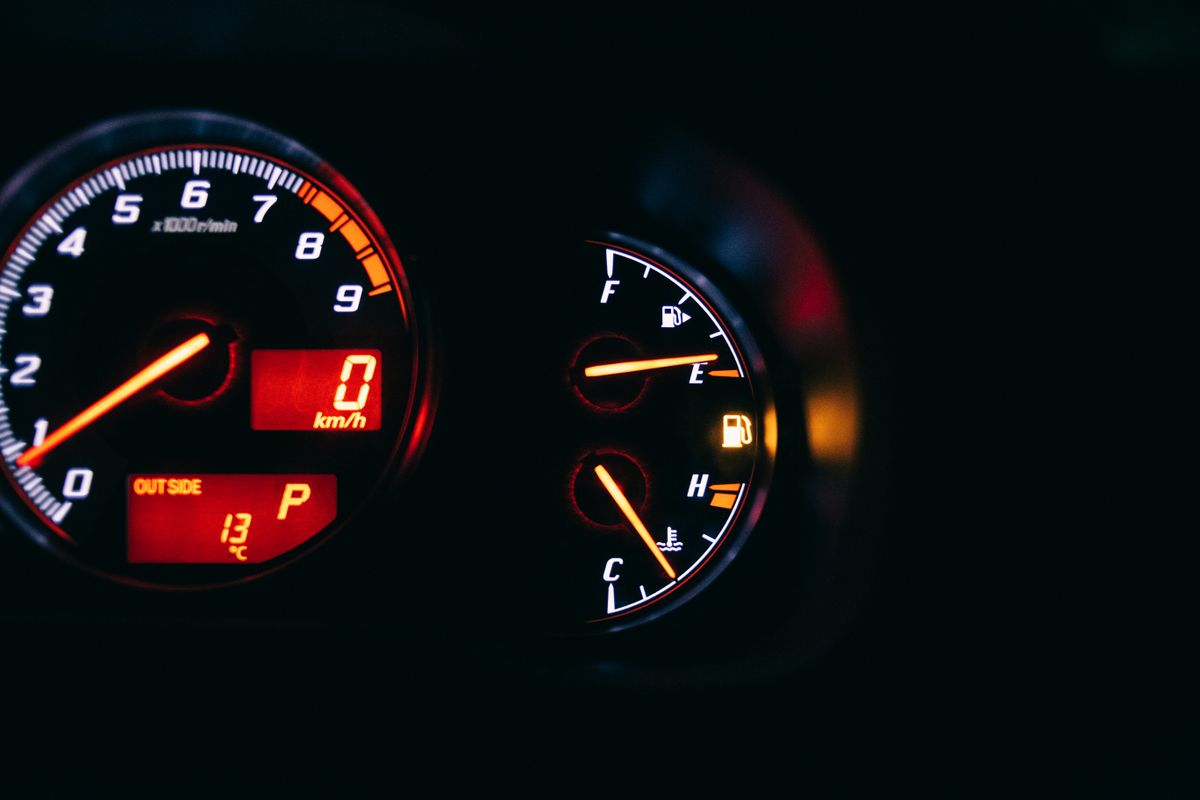
Running the tank close to empty removes our power to choose wisely. Once the warning light appears, we are no longer shopping for the best price. We are looking for the nearest pump, even if that pump is overpriced.
A smarter habit is to start looking when the tank reaches one-quarter full. That gives us time to use rewards, compare prices, avoid highway stations, and fill up along a route we were already taking.
Pulling into the first station we see
The closest gas station is often the most expensive because it prioritizes convenience over fuel. Stations near freeway exits, airports, busy intersections, and tourist-heavy areas know drivers are rushed, tired, or too low on gas to compare prices.
A price difference of 15 to 30 cents per gallon may not sound dramatic, but it adds up fast on a full tank. Checking nearby prices before we pull in can save real money without requiring a major detour.
Buying Premium Gas When Regular Works Fine
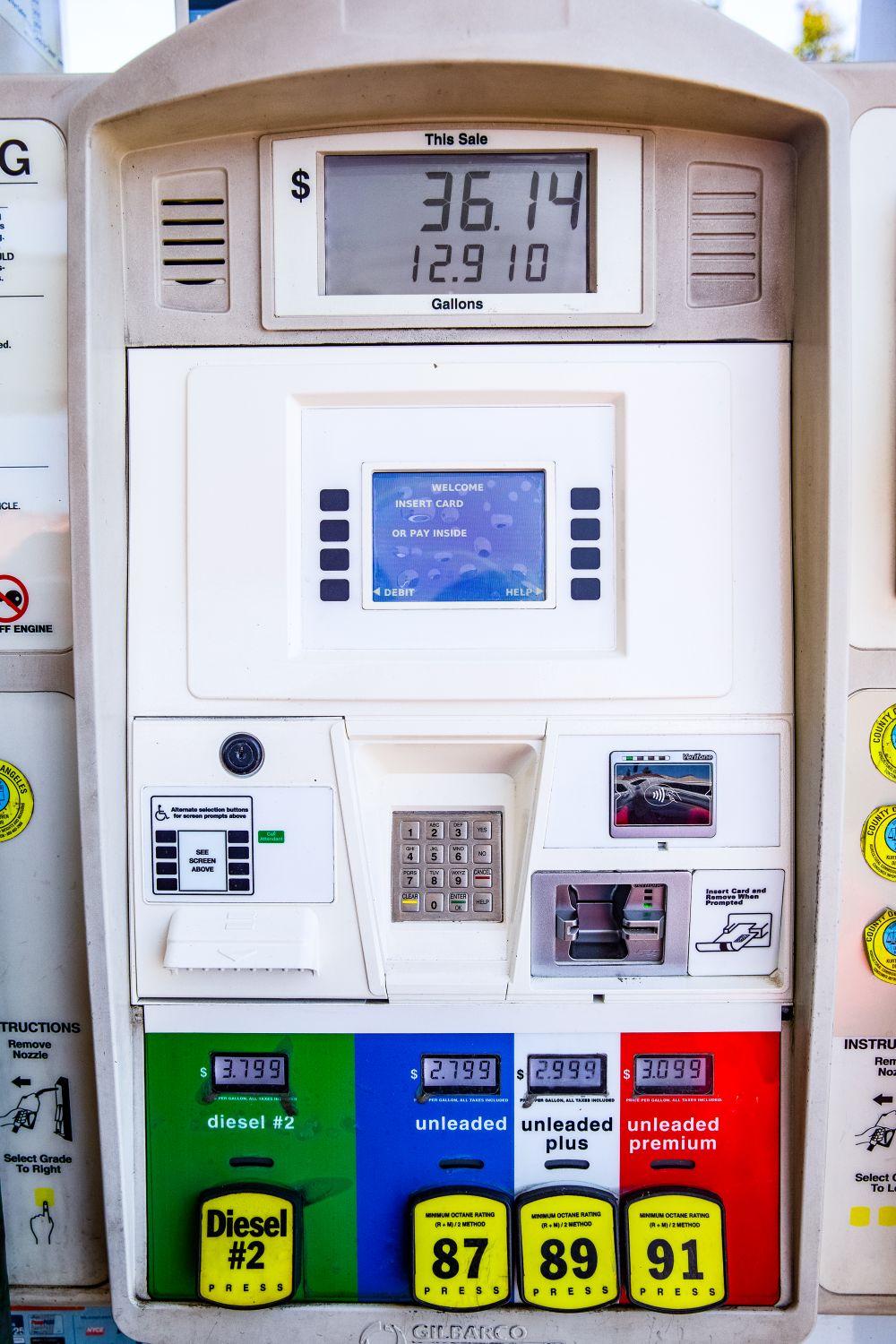
Premium fuel sounds like the responsible choice, but many vehicles do not need it. If the owner’s manual says regular gas is acceptable, paying more for premium usually does not deliver better mileage, cleaner performance, or a longer engine life.
This mistake is expensive because it feels like car care. In reality, we may simply be paying extra for a fuel grade the engine was not designed to require. The best move is to follow the vehicle manual, not the myth that higher octane is always better.
Ignoring Fuel Rewards Programs
Fuel rewards are easy to overlook because the savings often seem small on a single fill-up. But grocery points, station apps, warehouse memberships, and credit card fuel perks can add up to serious savings over time.
We do not need to join every program available. The smart play is to use rewards tied to places where we already shop. When the discount fits our normal routine, the savings become automatic instead of another chore.
Missing the Cash Versus Credit Price Difference
Some stations advertise one price on the big sign, but charge more when we pay by credit card. If we do not read the pump carefully, we may think we are getting the posted price when we are actually paying several cents more per gallon.
That does not mean cash is always better. Some credit cards offer cash back or fuel rewards that beat the cash price. The real mistake is not comparing the final cost before choosing how to pay.
Driving Miles Away to Save a Few Cents
Chasing cheaper gas can backfire when the detour burns more fuel than it saves. Driving 10 minutes out of the way to save 5 cents per gallon may feel smart, but the math often says otherwise.
The best fuel deal is usually one found along a route we already travel. We should look for cheaper stations near work, school, grocery stores, or regular errands. Saving money at the pump should not require wasting gas to get there.
Letting the Pump Upsell Us
Gas station screens are built to sell more than gas. Car washes, loyalty prompts, drink deals, snacks, and premium fuel upgrades all appear at the exact moment we already have our wallet open.
The most common trap is a discounted car wash. Saving 10 cents per gallon sounds good until we spend $12 on a wash we did not need. A deal is only a deal if it replaces something we already planned to buy.
Buying Snacks and Drinks Inside
The pump gets us to the station, but the store often gets the rest of our money. Bottled drinks, chips, candy, coffee, energy drinks, and lottery tickets can turn a routine fill-up into a much bigger receipt.
This is where gas station spending becomes sneaky. We may save $2 by choosing a cheaper station, then spend $9 inside on items that cost less at a grocery store. Keeping water, coffee, or snacks in the car can help prevent impulse purchases.
Topping Off After the Pump Clicks
Many drivers keep squeezing the handle after the pump shuts off automatically. It feels like we are getting a little more fuel, but topping off can waste gas and may cause problems with the vehicle’s vapor system.
The pump clicks for a reason. Once it stops, the tank has reached the safe fill level. That extra squeeze is not worth the mess, the smell, or the risk of a possible repair.
Forgetting to Check the Pump and Fuel Grade
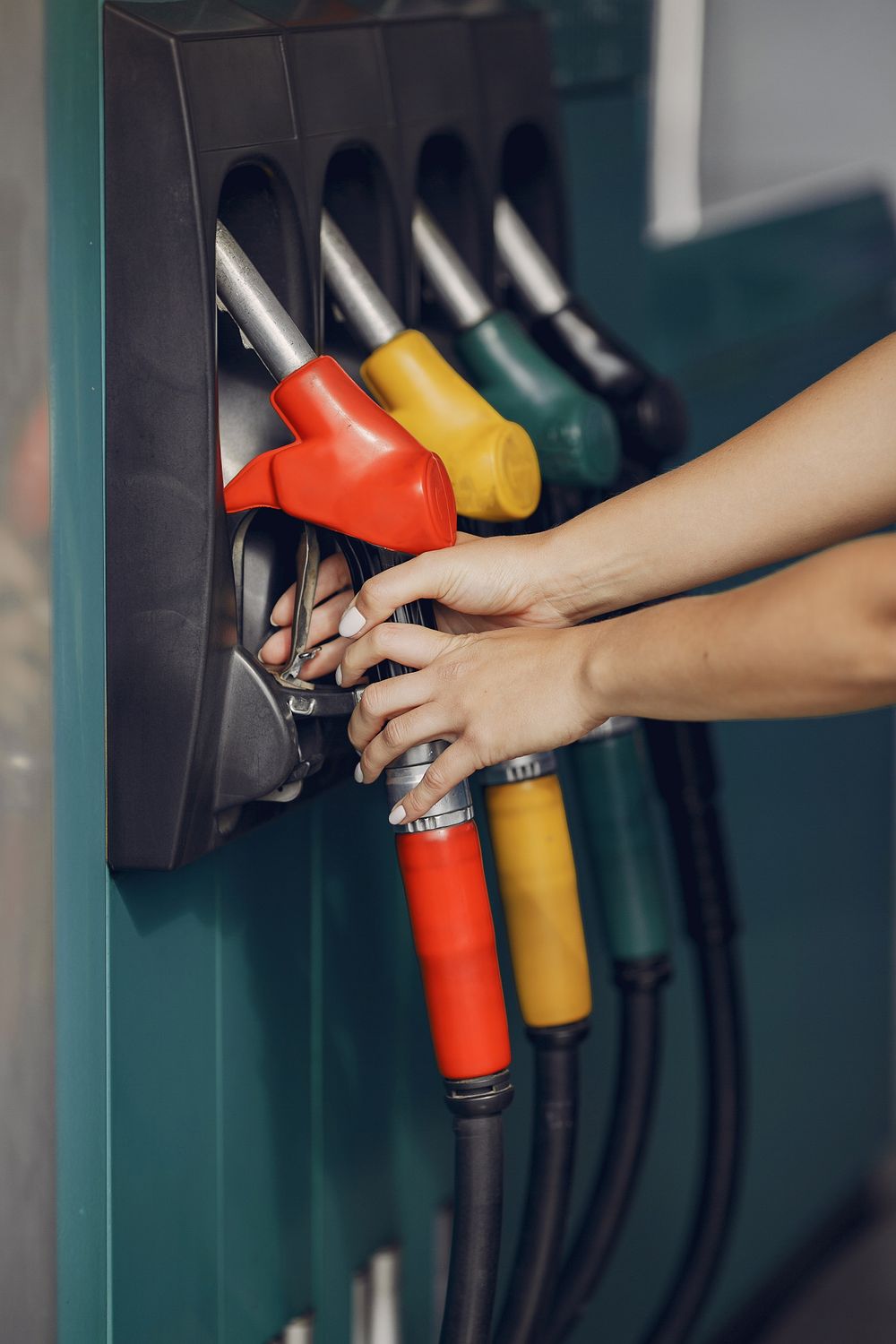
Before fueling, we should make sure the pump starts at zero, and the correct fuel grade is selected. It takes only a second, but it can prevent a costly mistake.
This matters most when we are distracted or in a hurry. Pressing the premium by accident, failing to notice the previous sale, or assuming the pump is ready can cost us money before we even start driving.
Idling Too Long After We Stop
Idling burns fuel while the car goes nowhere. We do it while waiting outside stores, sitting in drive-thru lines, warming the car too long, or scrolling in a parking lot after filling up.
Those minutes do not feel expensive, but they add up over the course of a week. If we expect to wait more than a short moment, turning the engine off can help protect the tank. Gas should move the car, not power a parking spot.
Driving Aggressively After Filling Up
The price at the pump is only half the story. Hard acceleration, sudden braking, speeding, and weaving through traffic burn fuel faster. That means we return to the gas station sooner, even if we found a reasonable price.
Smooth driving stretches every gallon. We do not have to crawl down the road to save money. We simply need steadier acceleration, better spacing, and fewer dramatic stops.
Ignoring Tires, Weight, and Maintenance
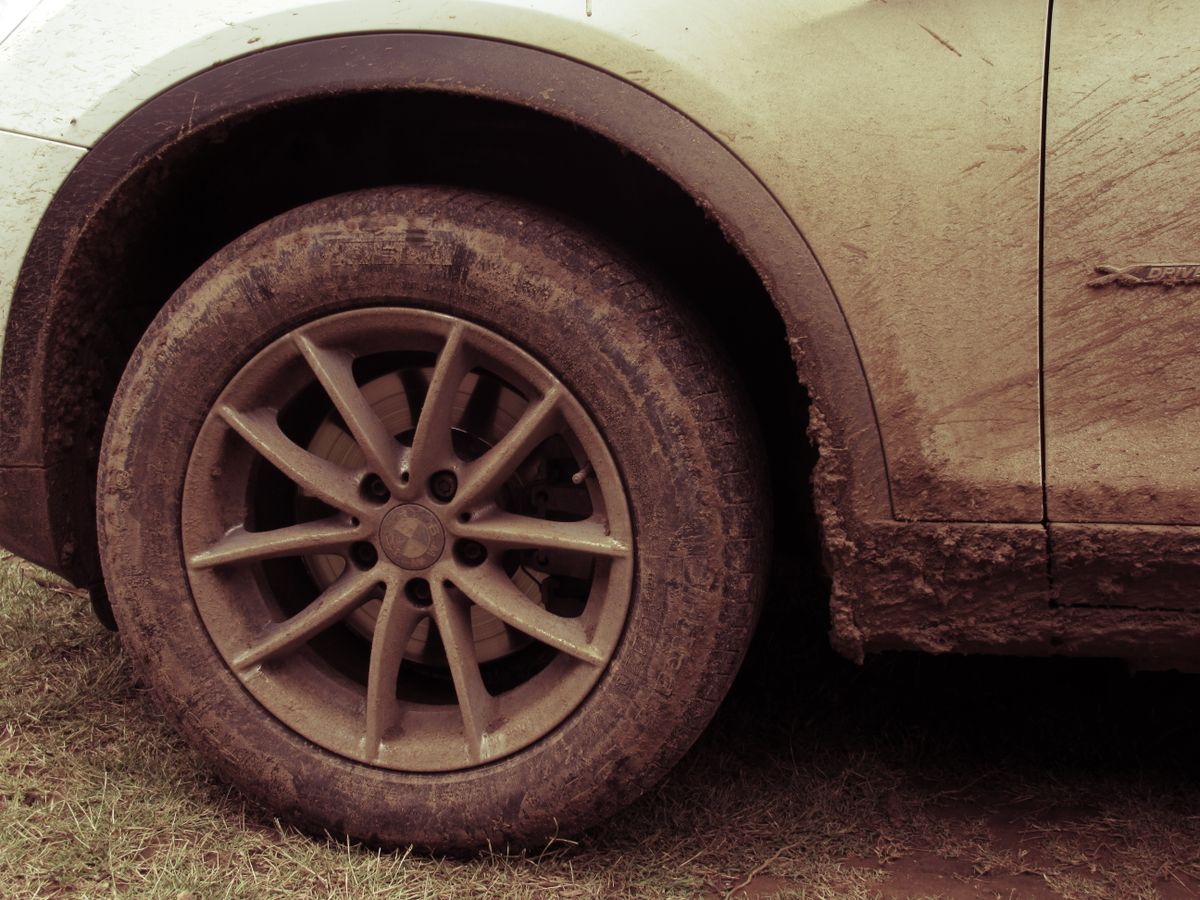
A poorly maintained car usually drinks more fuel. Underinflated tires, dirty filters, bad alignment, old spark plugs, and unnecessary weight in the trunk can all make the engine work harder.
Even roof racks and cargo boxes can hurt fuel economy when they stay attached after the trip. The cleaner, lighter, and better-maintained the vehicle is, the more value we get from every gallon. The pump may set the price, but our habits decide how long that fuel lasts.