Spencer Pratt Hits Back at Jimmy Kimmel’s U-Haul Joke With a Painful Reminder About His Burned L.A. Home
Jimmy Kimmel tried to turn Spencer Pratt’s failed mayoral run into a punchline. Spencer Pratt answered with ashes.
After Pratt lost his bid to move forward in the Los Angeles mayoral race, Kimmel used his late-night show to mock the former reality star’s earlier promise that he would leave L.A. if he failed to win. The joke came with a theatrical twist: Kimmel said he had rented Pratt a U-Haul to help him pack up and go.
But Pratt did not respond with a typical celebrity clapback. He posted a video of his destroyed home, reminding Kimmel and everyone watching that the joke landed on top of a very real loss.
A U-Haul Joke Turns Personal
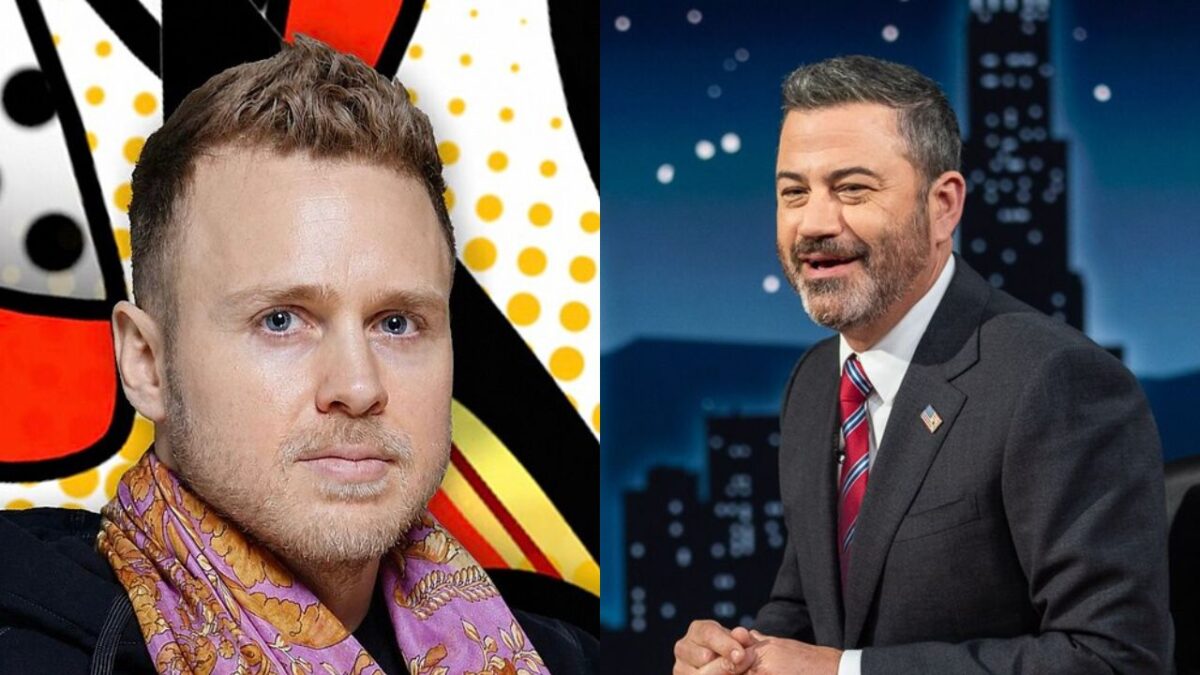
Kimmel’s bit was built around Pratt’s own campaign words. Pratt had said he would be done with Los Angeles if the city rejected him at the ballot box.
Once Pratt failed to advance, Kimmel pounced. He framed the U-Haul as a farewell gift, joking that Pratt could use it to leave the city after his mayoral dreams collapsed.
On its own, it was the kind of late-night joke audiences expect. A celebrity makes a dramatic public promise, loses, and the comedian pulls out the receipt.
But Pratt’s response changed the tone. He did not simply accuse Kimmel of being rude. He pointed to the part of the story that made the joke feel heavier: he had already lost his home in the 2025 Los Angeles wildfires.
Pratt’s Response Was Short, Sharp, and Hard to Ignore
Pratt answered by sharing footage of his destroyed property. The message was blunt: he did not need a moving truck because he had nothing left to pack.
That line cut through the noise because it shifted the story from politics to personal devastation. The U-Haul joke was about leaving L.A. Pratt’s reply was about having no home left to leave from.
It was an unusually effective response because it did not require a long explanation. The image of a destroyed home said more than a press statement could.
For some viewers, Kimmel’s joke still played as political comedy. For others, Pratt’s video felt cruel, especially because his campaign was partly fueled by anger over how Los Angeles handled the wildfire crisis.
The Election Loss Was Already Bitter
Pratt entered the L.A. mayoral race as an outsider with fame, frustration, and a loud online following. He was not a traditional politician, but he had one thing many candidates crave: attention.
His campaign leaned into anger over homelessness, public safety, the cost of living, wildfire recovery, and distrust in city leadership. Those issues were not invented for a campaign slogan. They are real pressures shaping life across Los Angeles.
Still, fame did not carry him into the runoff. Karen Bass and Nithya Raman advanced, while Pratt fell short.
That loss gave late-night television an easy target. A former reality star running for mayor, promising to leave if he lost, then failing to advance, was almost designed for a monologue.
But the emotional backdrop made the story messier than a simple celebrity roast.
Why the Joke Split People Online
The reaction to this moment depends on what people think the story is really about.
If it is just about politics, Kimmel’s joke seems straightforward. Pratt ran for office, made a bold promise, lost, and got mocked for it.
If it is about wildfire loss, the joke feels different. Pratt and his family were among residents whose homes were destroyed, and his frustration with Los Angeles leadership became part of his public identity.
That is why his response hit hard. It reminded people that political theater can sit right on top of personal trauma.
Some people will still argue that Pratt invited the ridicule by entering politics and making dramatic claims. Others will say Kimmel missed the human cost behind the campaign.
Both things can be true. Pratt made himself a public candidate. He also suffered a real private loss.
Celebrity Politics Comes With a Brutal Spotlight
Pratt’s mayoral run always sat somewhere between civic protest and celebrity spectacle.
He brought reality-TV instincts to a serious city race. He understood how to create clips, spark arguments, and dominate attention online. That made him impossible to ignore, even for people who never saw him as a serious contender.
But that same visibility comes with a cost. When celebrity candidates lose, they do not just get political analysis. They get jokes, memes, roasts, and viral takedowns.
Kimmel treated Pratt like a television character whose latest plot ended badly. Pratt answered like a displaced resident who believed the joke skipped the most painful chapter.
That clash is why the story traveled so quickly.
The Bigger L.A. Story Is Still There
Behind the Kimmel-Pratt exchange is a larger Los Angeles story that is not funny at all.
The city is still wrestling with wildfire recovery, housing strain, homelessness, public safety concerns, political distrust, and many residents’ sense that leadership is too slow to respond.
Pratt’s campaign may not have been enough to win, but it did tap into frustration. His supporters saw him as a blunt voice for people who felt ignored. His critics saw him as a celebrity outsider with more outrage than governing experience.
Kimmel’s joke focused on the defeat. Pratt’s response dragged the conversation back to why he ran in the first place.
That is what makes this more than a late-night feud. It reflects the anger, exhaustion, and emotional rawness surrounding L.A. politics right now.
Kimmel Got the Laugh, but Pratt Got the Last Image
Late-night comedy runs on timing. Kimmel had the timing, the stage, and the punchline.
But Pratt had the image people could not easily dismiss: the remains of a home destroyed by fire.
That does not erase his election loss. It does not make every part of his campaign above criticism. It does not mean comedians cannot joke about candidates.
But it does complicate the punchline.
A U-Haul joke works when someone has boxes to move. Pratt’s point was that fire had already taken that part of his life.
Final Thoughts
Jimmy Kimmel’s U-Haul jab was meant to be a clean political roast. Spencer Pratt’s response made it even more uncomfortable.
What began as a joke about a failed mayoral candidate became a reminder that public ridicule can collide with private disaster. Pratt lost the race, but his reply forced people to look beyond the easy laugh.
In a city still carrying the scars of wildfire damage and political frustration, the sharpest line may not have come from late-night television at all. It came from the man standing in the wreckage, saying there was nothing left to pack.