8 Restaurant Experiences Women Often Appreciate That Have Little to Do With the Food
Choosing a restaurant isn’t always about finding the most expensive menu or the most creative chef. Comfort, atmosphere, service, convenience, and the company you’re keeping can influence how enjoyable a meal feels.
Different women naturally have different preferences. Someone planning a birthday dinner may want a completely different experience from someone meeting a friend for a quiet lunch. These eight restaurant features are worth considering when choosing somewhere to eat, especially when the goal is to enjoy an occasion rather than simply purchase food.

1. Comfortable Seating
A restaurant can have excellent food and still provide an unpleasant experience if the seating is uncomfortable. Hard chairs, cramped tables, and limited legroom may become frustrating during a longer meal.
Comfort matters particularly for people who prefer relaxed conversations. A dining experience lasting two hours creates different needs from a quick lunch.
Restaurants vary in seating arrangements, so photographs and reviews can offer useful clues. Booths, padded chairs, and spacious tables may suit different preferences.
Customers with mobility requirements may also need accessible seating and sufficient space. These practical details can influence which restaurant is appropriate.
2. Lighting That Makes the Space Pleasant
Lighting can change how a restaurant feels. Bright lighting may suit a casual café, while softer lighting can create a different atmosphere for an evening meal.
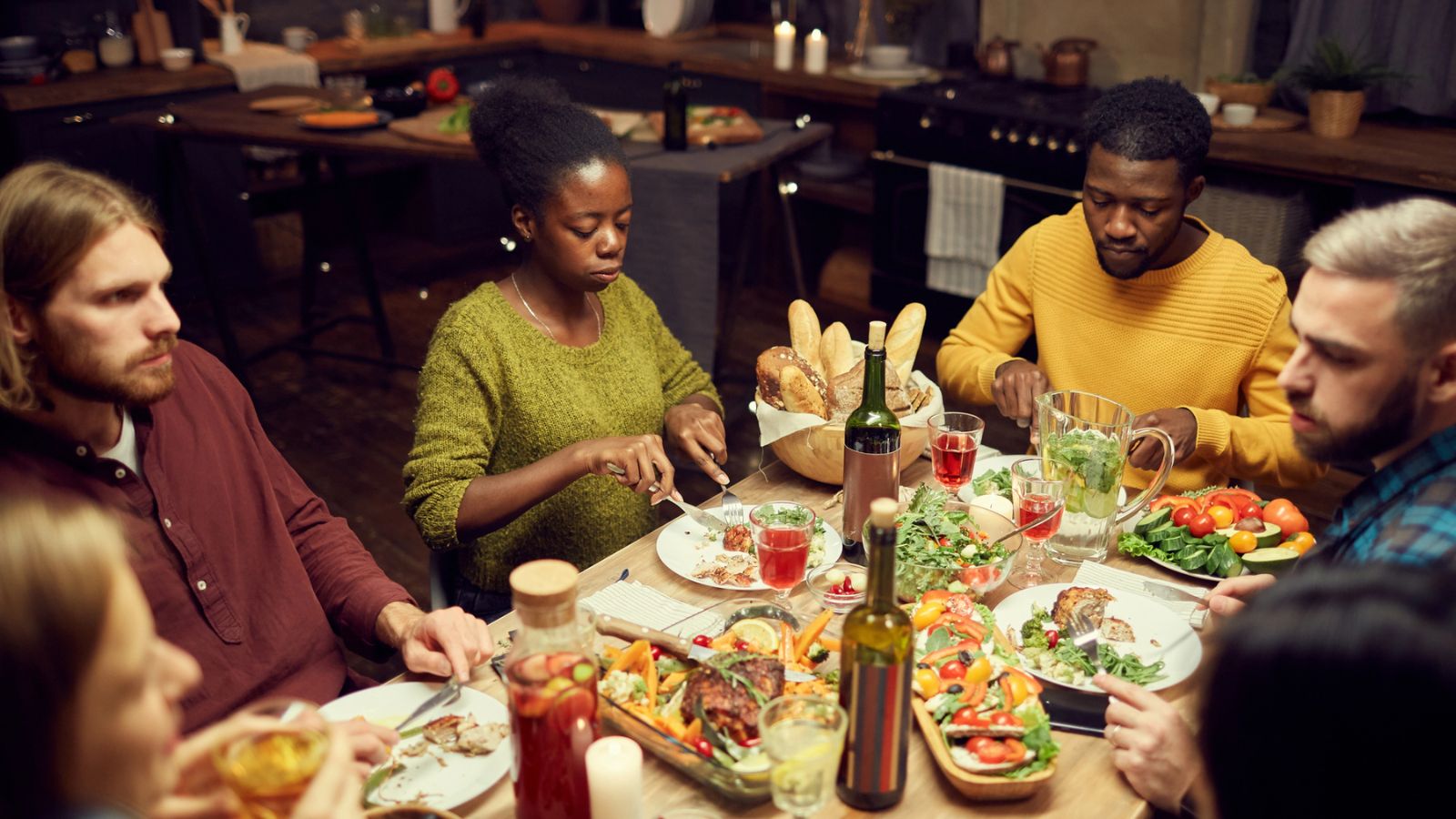
The ideal level depends on the occasion and individual preferences. Lighting should still allow customers to read menus and see their meals comfortably.
Some diners appreciate natural light, particularly during brunch or lunch. Others prefer quieter corners away from direct sunlight. Choosing the right atmosphere can make an ordinary meal feel more enjoyable.
3. Manageable Noise Levels
Music and conversation contribute to restaurant atmosphere, but excessive noise can make communication difficult. A place that works well for a lively party may be unsuitable for a personal conversation.
Reviews sometimes mention noise levels, although experiences can change depending on the time of day. A restaurant may be quiet at lunch and considerably louder during dinner.
People planning dates or catch-ups with friends may appreciate venues where they can speak without shouting. Comfortable conversation can be as important as the menu. Calling ahead about quieter seating options may also help.
4. Clean and Accessible Restrooms
Restroom conditions can influence the overall impression of a restaurant. Customers may notice cleanliness, working fixtures, available supplies, and whether the facilities are easy to reach.
These features matter for everyone, including parents, older adults, and people with accessibility requirements. A well-maintained restroom can reflect attention to the customer experience.
Restaurants should provide facilities that meet applicable health and accessibility requirements. Customers may also consider restroom reviews when selecting a location. The quality of the dining room alone doesn’t determine how comfortable a visit will feel.
5. Clear Menu Information
Customers increasingly want to understand what they’re ordering before food arrives. Clear descriptions, visible prices, and ingredient information help people make decisions.
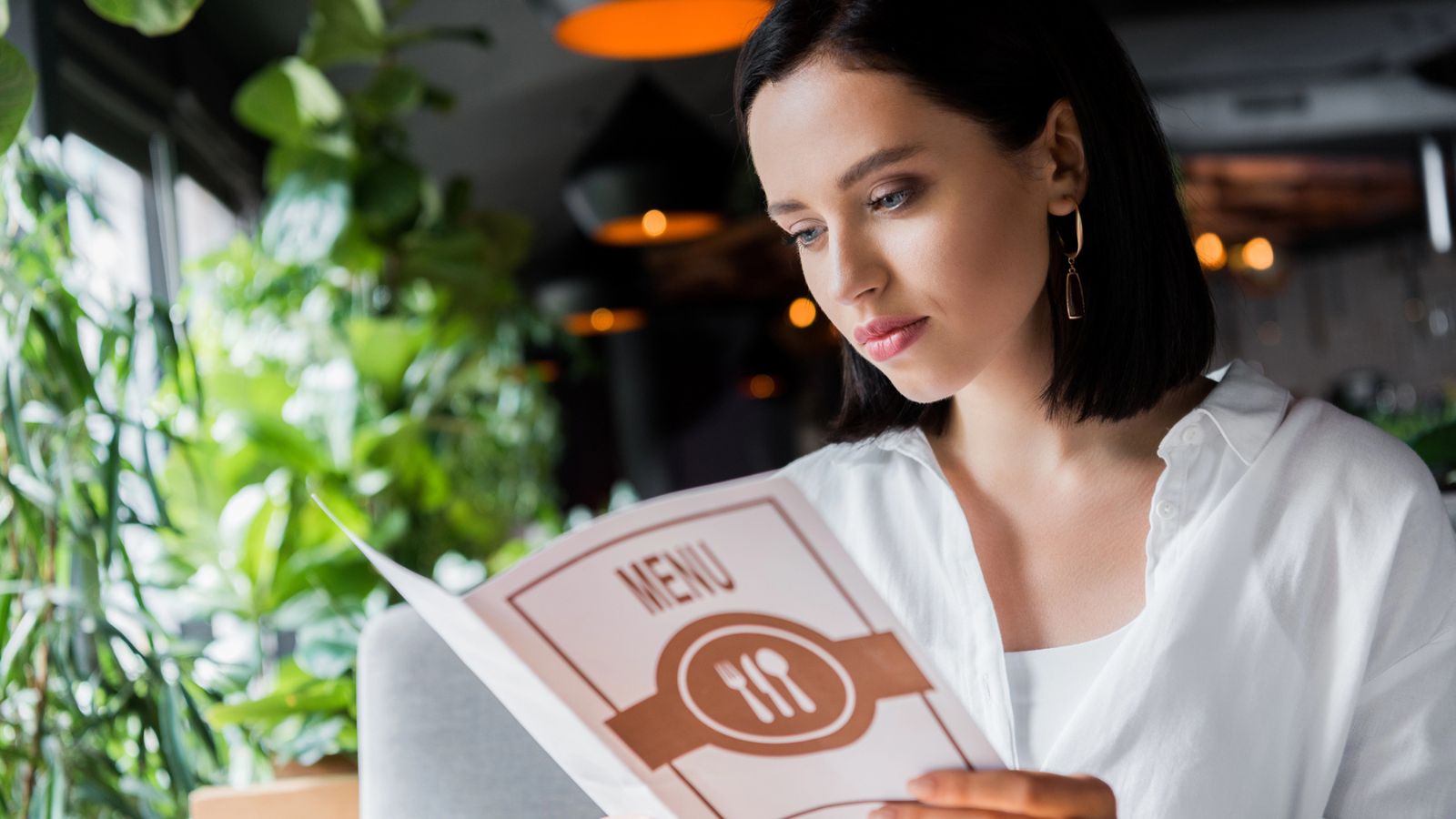
Some diners have allergies or dietary restrictions that require additional questions. Others simply want to know how a dish is prepared.
The FDA’s menu-labeling guidance explains requirements for certain chain restaurants. Smaller independent restaurants may operate under different rules. Clear communication benefits both customers and staff because it reduces avoidable misunderstandings.
6. Service That Doesn’t Feel Rushed
Attentive service can improve a meal without requiring constant interruptions. Customers often appreciate being greeted, receiving clear information, and having reasonable time to decide what they want.
A rushed experience can be frustrating during special occasions. A slow experience can also disappoint when diners have limited time.
Good service balances attention with respect for customers’ preferences. The appropriate pace may differ between a business lunch and a birthday dinner. Restaurants that communicate expected waiting times can help customers plan their visits.
7. Convenient Parking and Arrival
A restaurant may look appealing online but become frustrating before anyone reaches the table. Limited parking, confusing entrances, and difficult access can affect the experience.
Location matters particularly when traveling at night or visiting an unfamiliar area. Customers may want to understand transport options and walking distances.
For people arranging group dinners, clear directions help everyone arrive more easily. The venue should also accommodate any relevant mobility needs. Convenience is not always the deciding factor, but it deserves consideration alongside the menu.
8. An Atmosphere Suitable for the Occasion
A birthday dinner, casual brunch, romantic date, and business meeting require different environments. Restaurants rarely excel at every type of occasion.

Some people prefer lively spaces with music and activity. Others enjoy smaller venues where conversation is the main attraction.
A FrenzHub guide to dining etiquette highlights how restaurant behavior can affect shared experiences. Respectful service and considerate guests contribute to a pleasant atmosphere. Choosing a venue that matches the occasion is more useful than assuming the highest-rated restaurant will always be the best option.
What Makes a Restaurant Worth Returning To?
A memorable dining experience combines several factors. Food quality matters, but comfort, service, atmosphere, cleanliness, and convenience can influence the overall impression.
Preferences differ between individuals and occasions. A woman who enjoys an energetic restaurant with friends may prefer a quiet location for another event.
The most useful approach is to identify the features that matter for a particular outing. This helps narrow the choices without relying entirely on ratings or popularity.
Restaurants that consistently provide a comfortable experience often earn repeat customers. Sometimes, the reason people return isn’t one spectacular dish but the way they feel throughout the visit.