10 Risky Travel Mistakes That Put Women at Risk
The most dangerous part of a trip is not always the dark street, the crowded train, or the strange taxi ride after midnight. Sometimes the risk starts at home, while the suitcase is still open and the flight confirmation is sitting in your inbox. A rushed booking, a public itinerary post, or one careless hotel choice can create trouble before the trip even begins.
For American women, travel can be exciting, freeing, and unforgettable. It can also become stressful when small planning mistakes leave too much to chance. This is not about fear. It is about moving smarter, protecting your freedom, and making sure the adventure does not begin with a problem you could have avoided.
Forgetting to make backup copies of important documents

A lost passport is annoying at home. Abroad, it can become a full travel crisis. Many women pack the passport, visa, insurance card, and booking confirmations, then forget to create backup access in case a bag disappears or a phone dies.
Keep digital and printed copies of your passport, visa, emergency contacts, hotel address, insurance details, and flight information. Store copies somewhere separate from the originals. The State Department’s international travel checklist also encourages travelers to prepare documents and enroll in STEP for alerts and emergency contact support.
Assuming confidence replaces preparation
Confidence is powerful, but it is not a full safety plan. A woman can be smart, independent, experienced, and still run into trouble because the booking was sloppy, the route was unclear, or the emergency contact had no idea where she was. Preparation does not make travel less adventurous. It makes adventure less fragile.
Before leaving, share your basic itinerary with someone trusted, set check-in times, research emergency numbers, and know where the nearest embassy or consulate is for international trips. The State Department’s STEP program sends safety alerts and helps U.S. embassies contact travelers or others during a crisis.
Booking the cheapest room without checking the area

A cheap hotel can look like a victory until the address tells a different story. Some travelers focus so much on the nightly rate that they forget to check the neighborhood, nearby transit, lighting, reviews, and how easy it is to arrive safely after dark. A beautiful room means less when getting to the front door feels uncomfortable.
Women should look beyond star ratings and pretty photos. Check recent reviews for comments about safety, noise, staff response, locks, elevators, and street access. The U.S. State Department also advises travelers to book safe accommodations and pay attention to crime risks before traveling abroad.
Skipping the safety research because the place looks popular
A destination can be beautiful and still require caution. A city can be trending on TikTok and still have neighborhoods, transport routes, scams, or local laws that tourists do not understand. Popular does not always mean easy.
Before booking, check travel advisories, local customs, entry rules, transportation warnings, and common scams. The State Department tells travelers to review destination information and travel advisories before going abroad, because safety conditions can vary by location and can change.
Sharing the trip online too early

Posting a countdown to vacation can feel harmless. You are excited, the outfit planning has begun, and the airport selfie is already forming in your mind. The problem is that real-time travel posts can tell strangers when you are away, where you are going, and sometimes where you are staying.
It is safer to post after you leave a location or after the trip ends. Travel cybersecurity guidance recommends being careful with location sharing and thinking before posting vacation updates in real time. That simple delay can protect your home, your hotel, and your daily movements from people who do not need that information.
Trusting travel deals that feel too perfect
A luxury hotel at a shocking discount can make anyone click fast. Scammers count on that excitement. Fake rentals, vague vacation offers, pressure to pay quickly, and requests for wire transfers or payment apps can turn a dream trip into a financial mess.
The FTC warns that travel scammers often avoid providing specific details, advertise fake “free” vacations, and push payments via wire transfers, gift cards, payment apps, or cryptocurrency. A real deal can handle questions, clear addresses, secure payment, and verifiable reviews. A shady one rushes you before your instincts catch up.
Ignoring airport transportation until arrival
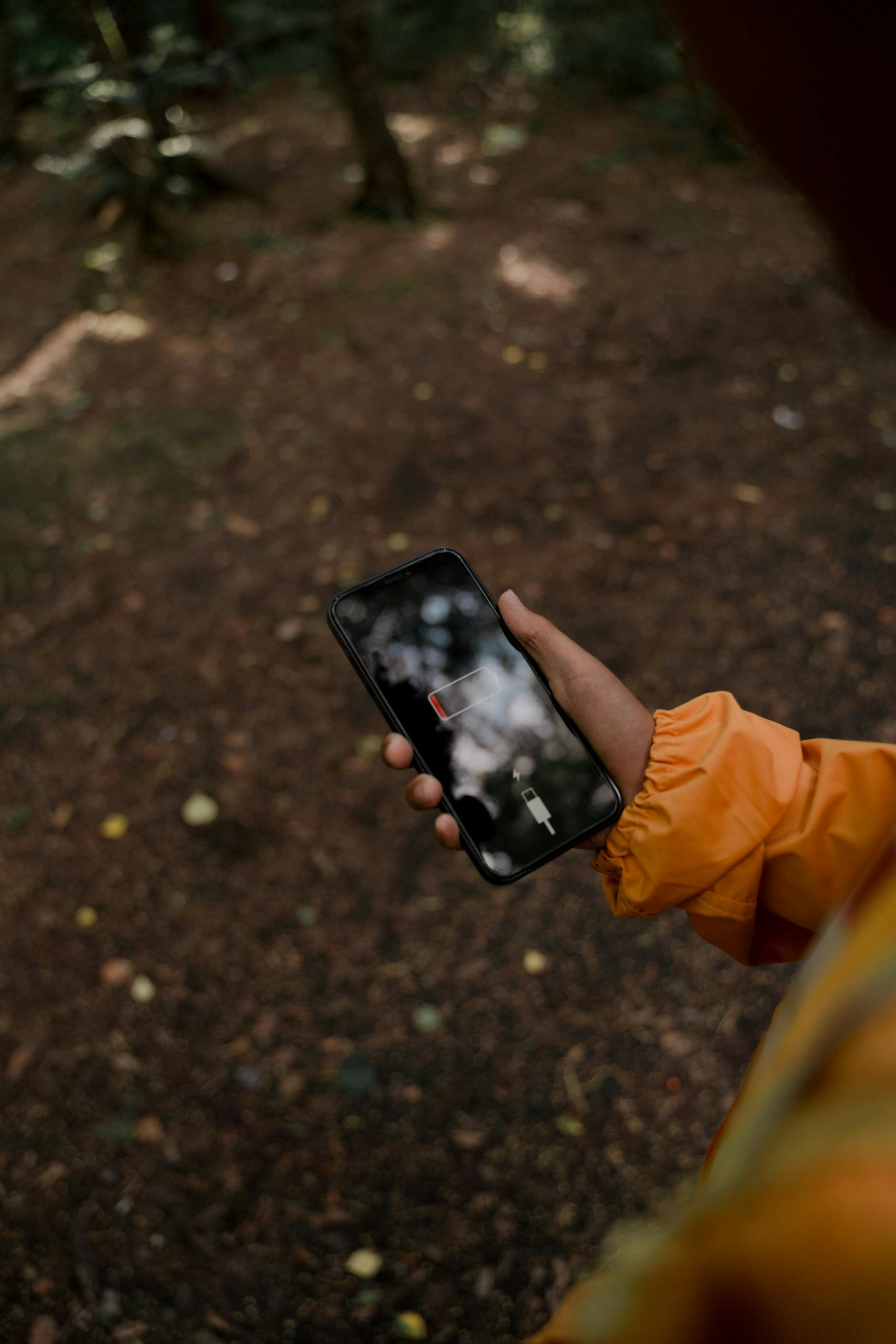
Landing in a new city without a transport plan can turn excitement into instant stress. You are tired, holding luggage, checking your phone battery, and trying to figure out which driver or taxi line is legitimate. That is exactly the wrong moment to start making safety decisions.
The smarter move is to arrange transportation before arrival, especially for night landings or solo trips. The State Department’s women traveler guidance recommends arranging airport transport in advance with a licensed, reputable company and researching taxis or rideshare services before the trip.
Using public Wi Fi without thinking
Airport Wi-Fi feels like a blessing when your data is weak, and your boarding gate keeps changing. Hotel Wi Fi feels even better when you need maps, banking apps, or booking details. Still, public networks require caution, especially when handling personal or financial information.
The FTC explains that most encrypted websites are safer now, but travelers should still look for the lock symbol or the HTTPS prefix before entering sensitive information. That matters when checking bank accounts, logging into email, or managing travel bookings from a public connection.
Packing like health problems cannot happen.

A trip can fall apart quickly when you need medicine and cannot find the right one nearby. Headaches, allergies, stomach trouble, cuts, motion sickness, and prescription needs do not wait politely until you return home. They show up in airports, hotels, buses, restaurants, and unfamiliar pharmacies.
The CDC recommends preparing a travel health kit with items that may be hard to find on the road, especially for travelers with specific medical needs. It also notes that some countries restrict certain medications, so checking rules before packing is important. A small health kit can save time, money, and panic.
Arriving late without a first-night plan
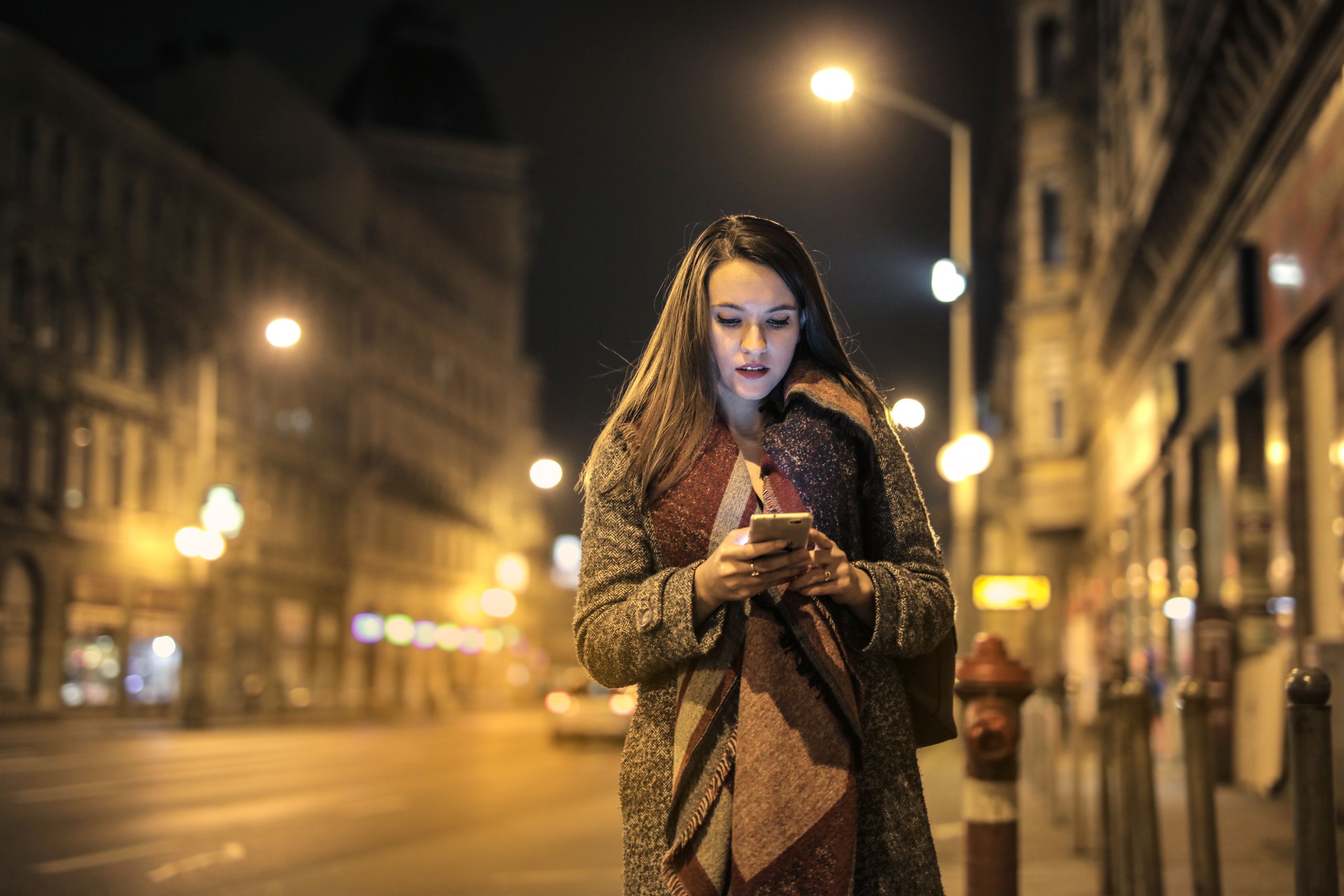
Some travelers love spontaneity, but arriving in a new place at night with no confirmed room is not the romantic adventure it sounds like. not the romantic adventure it sounds like. Fatigue makes people less alert. Darkness makes navigation harder. A dying phone can turn one bad plan into several.
At a minimum, book the first night before arrival and decide how you will get there. Save the address offline, take a screenshot of the reservation, and confirm that the front desk or host will be available when you arrive. The first night should feel boring, predictable, and safe, because that is exactly what tired travelers need.
Key takeaway
The safest trips often begin long before the suitcase closes. They begin with the boring decisions that do not look exciting on social media, such as checking the neighborhood, booking licensed transport, saving copies of documents, packing medicine, and refusing suspicious deals. Those choices may not feel glamorous, but they can protect the entire trip.
Women should not have to travel scared. They should travel prepared. The goal is not to shrink the adventure. The goal is to remove the easy risks before they get a chance to follow you out the door.