Supreme Court Refuses Trump Appeal in E. Jean Carroll Case, Locking In $5M Judgment as Legal Fallout Expands.
A decisive moment in one of the most closely watched legal battles involving a former U.S. president has landed at the Supreme Court, where justices declined to take up Donald Trump’s appeal in the E. Jean Carroll defamation case, effectively leaving in place a $5 million jury verdict tied to findings of sexual abuse and defamatory statements.
With a single procedural decision, the nation’s highest court ended Trump’s final federal avenue of appeal in this specific case, reinforcing earlier rulings from lower courts and preserving a jury verdict that has already withstood multiple layers of review.
Supreme Court Action Ends Appeal Path After 3 Levels of Review
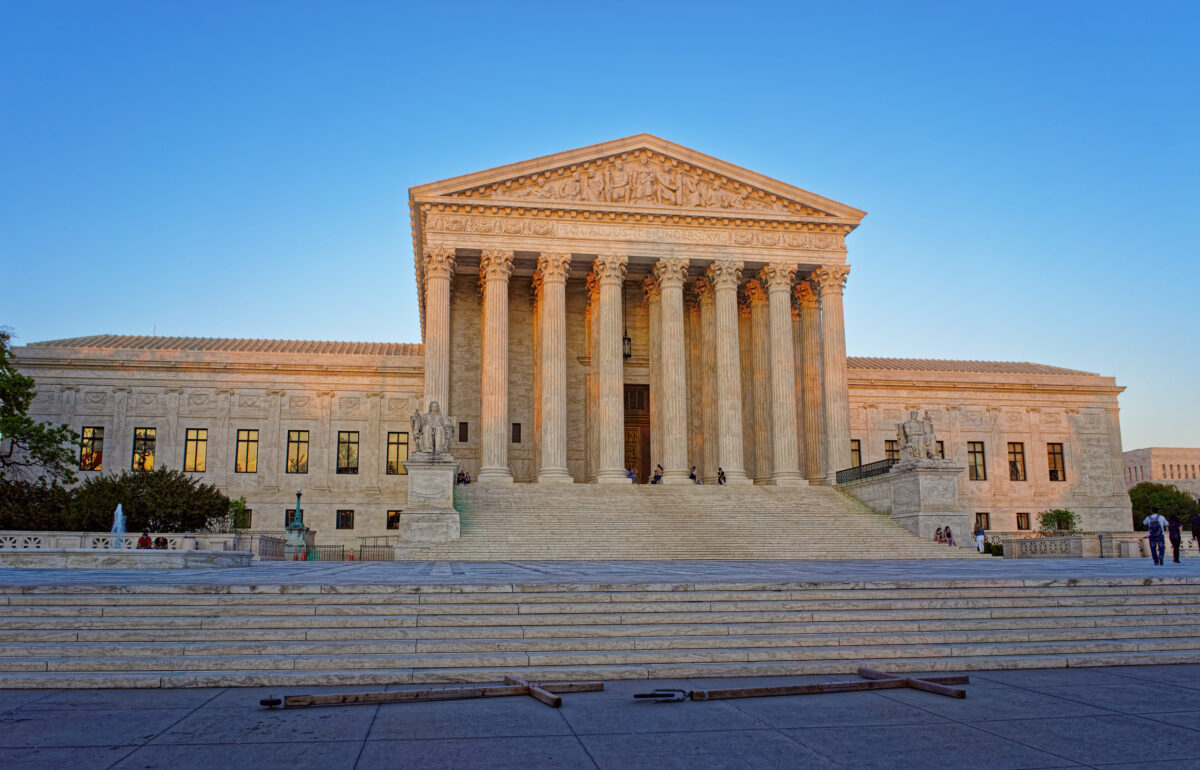
The Supreme Court’s refusal to hear the case came after three years of litigation (2022–2025), two federal court rulings, and a unanimous jury verdict that has remained intact through every challenge.
Trump’s legal team had asked the Court to review arguments focused on trial evidence and fairness, but the justices declined without comment, one of the most common yet consequential outcomes in the court’s docket, which receives 7,000+ petitions annually but hears fewer than 80 cases per term.
With this decision, the $5 million judgment is now fully enforceable, closing the appellate door on this particular verdict.
Jury Findings Still Stand: Abuse Determination + Defamation Liability.
The underlying case stems from a 2023 New York federal jury verdict that found Trump liable for sexually abusing writer E. Jean Carroll in the mid-1990s inside a Manhattan department store dressing room, as well as for later defaming her in public statements denying her allegations.
The jury awarded $5 million in combined damages, reflecting two core findings: a civil determination of sexual abuse under the applicable legal standard, and defamation tied to Trump’s 2022 remarks dismissing Carroll’s account as false and politically motivated.
Carroll testified that those public denials inflicted lasting reputational damage and fueled ongoing harassment, a claim the jury ultimately accepted, concluding that the statements met New York’s legal threshold for defamation. The ruling also underscored a key feature of civil litigation in the United States, where juries apply a “preponderance of evidence” standard, meaning liability can be established when claims are shown to be more likely than not true, rather than proven beyond a reasonable doubt as required in criminal courts.
Trump’s Appeal Focused on Evidence He Called “Prejudicial”
Trump’s legal challenge focused on claims that improper trial evidence unfairly influenced the jury’s verdict, with his attorneys arguing that the court allowed material that went beyond the scope of Carroll’s allegations.
Central to those objections was the inclusion of the 2005 “Access Hollywood” tape, in which Trump was recorded making comments about women, as well as testimony from two additional women who described separate allegations of misconduct. His legal team also contended that the trial judge permitted character evidence that skewed the jury’s assessment and should have been excluded under rules limiting “prior bad acts.”
However, the Second Circuit Court of Appeals rejected these arguments, concluding that even if any evidentiary errors occurred, they did not result in meaningful prejudice that would have altered the jury’s decision. That determination proved pivotal at the Supreme Court stage, where review is generally reserved for broader constitutional or legal conflicts rather than disputes rooted in case-specific evidentiary rulings.
Carroll’s Legal Team Declares “Finality” After Supreme Court Move
Carroll’s attorney, Roberta Kaplan, characterized the Supreme Court’s refusal as a decisive affirmation of the jury’s verdict, arguing that Trump’s efforts to overturn the judgment had now been fully exhausted across the federal court system.
The ruling brings to a close a legal process that has spanned a 2023 jury trial, two rounds of federal appellate review, a denial of a Supreme Court petition, and numerous pre-trial and post-trial motions that have shaped the case over time.
Throughout the proceedings, Carroll’s legal team has maintained that the lawsuit was fundamentally about accountability for public statements that denied her allegations and damaged her reputation, rather than about political status, public office, or broader partisan considerations.
The Case Exists Alongside a Separate $83.3M Verdict.
This Supreme Court action only applies to the $5 million defamation and abuse-related verdict.
A separate, larger legal case remains active in the background: an $83.3 million judgment from another jury tied to additional defamatory statements Trump made about Carroll in later years.
That second case has followed its own appellate trajectory and remains one of the largest civil defamation awards involving a public figure in modern U.S. legal history.
Together, the two verdicts place Trump under nearly $90 million in combined civil liability related to Carroll’s claims.
Why the Decision Matters Beyond One Case
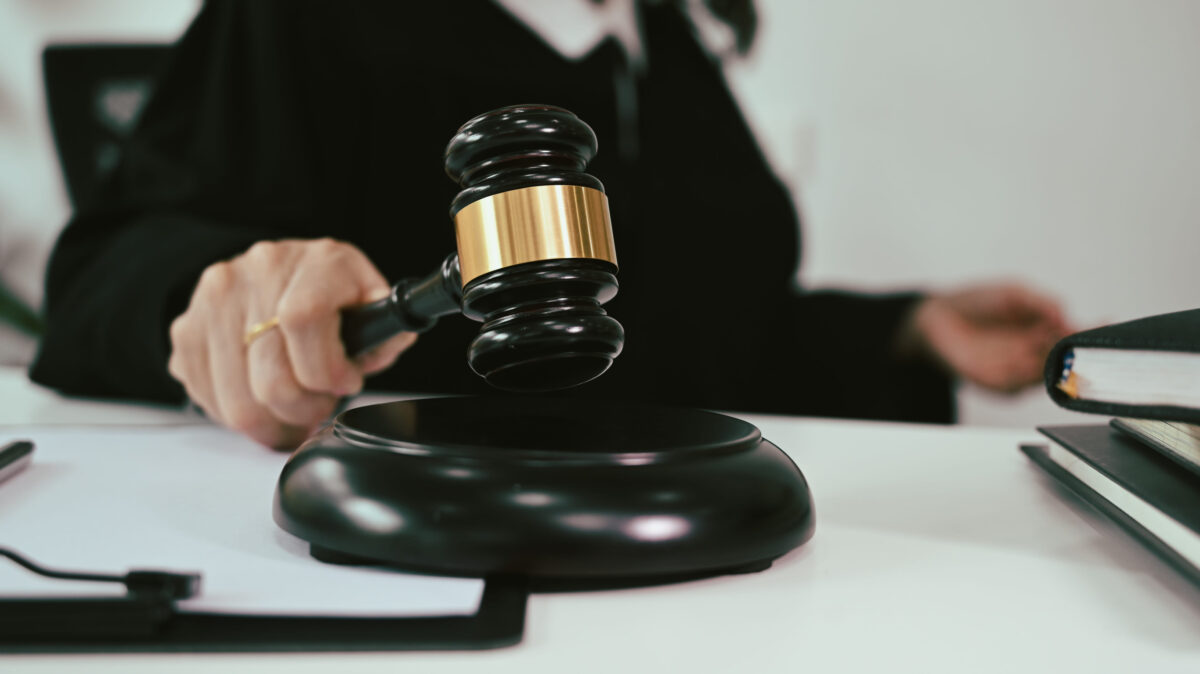
The Supreme Court’s refusal to intervene does not establish new legal precedent, but it underscores a broader reality in civil litigation involving public figures: jury verdicts carry substantial weight when they are consistently upheld by appellate courts, the Supreme Court rarely revisits fact-driven evidentiary disputes, and civil defamation law remains fully enforceable regardless of a defendant’s political status or public office.
The decision also highlights the layered structure of the U.S. judicial system, where a single case can move through multiple levels of review trial court, appellate court, and the Supreme Court before reaching final resolution, reinforcing how each stage serves as a checkpoint rather than a complete reset of the legal process.
Bottom Line: A Verdict That Survived Every Level of Review
After multiple years of litigation and appeals, the legal outcome is now fully set: the jury’s $5 million verdict stands without further federal review.
For Trump, the Supreme Court’s refusal marks the end of one legal pathway. For Carroll, it represents the completion of a courtroom process that began more than a decade after the alleged incident and has now been affirmed at every available judicial level.
The decision does not add new findings, but it ensures that the existing ones remain unchanged, enforceable, and final within the federal system.