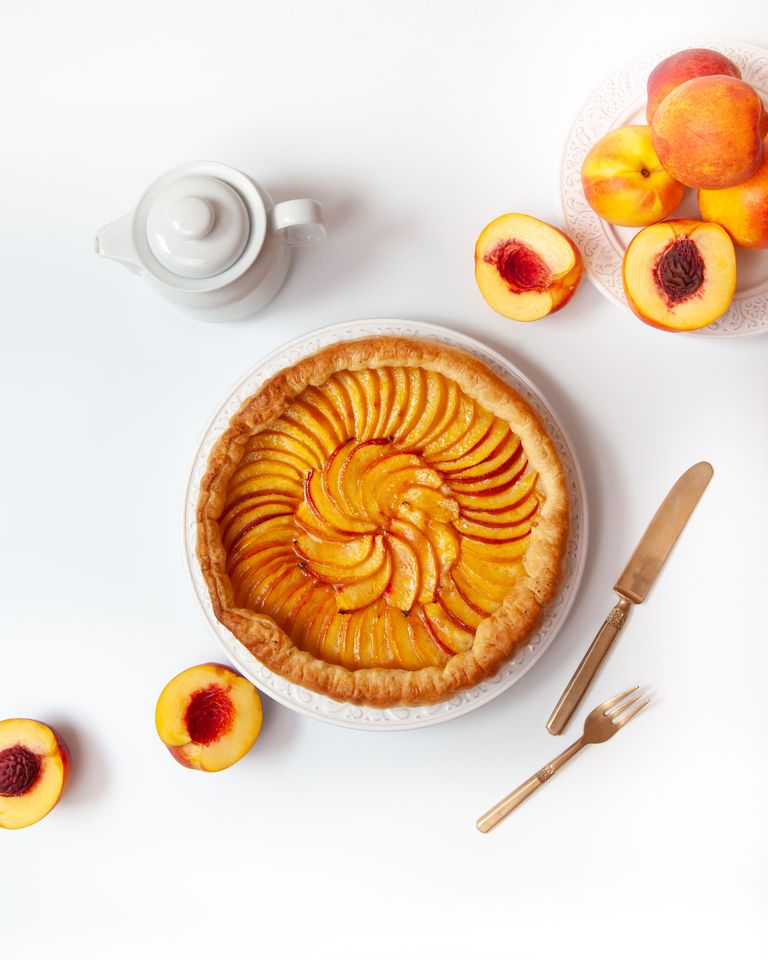
Dietitians Reveal the 8 Common Holiday Habits That Can Cause Unstable Blood Sugar
The holiday season, with its abundance of delicious foods and drinks, is a time of joy for many. But for people managing blood sugar levels, the festive indulgence can be a cause for concern. Among the various holiday habits that can disrupt a balanced blood sugar level, one stands out: overindulging in sugary, high-carb treats.
This is a common holiday habit that dietitians say can lead to unstable blood sugar levels, making it difficult for those with diabetes, prediabetes, or other metabolic conditions to maintain control over their health. While it’s important to enjoy the holidays, understanding the impact of these habits on your blood sugar is crucial for managing your health and preventing long-term consequences.
Here are eight dietitians’ insights into the common holiday habits that can throw your blood sugar off balance:
Overconsumption of Sugary Treats
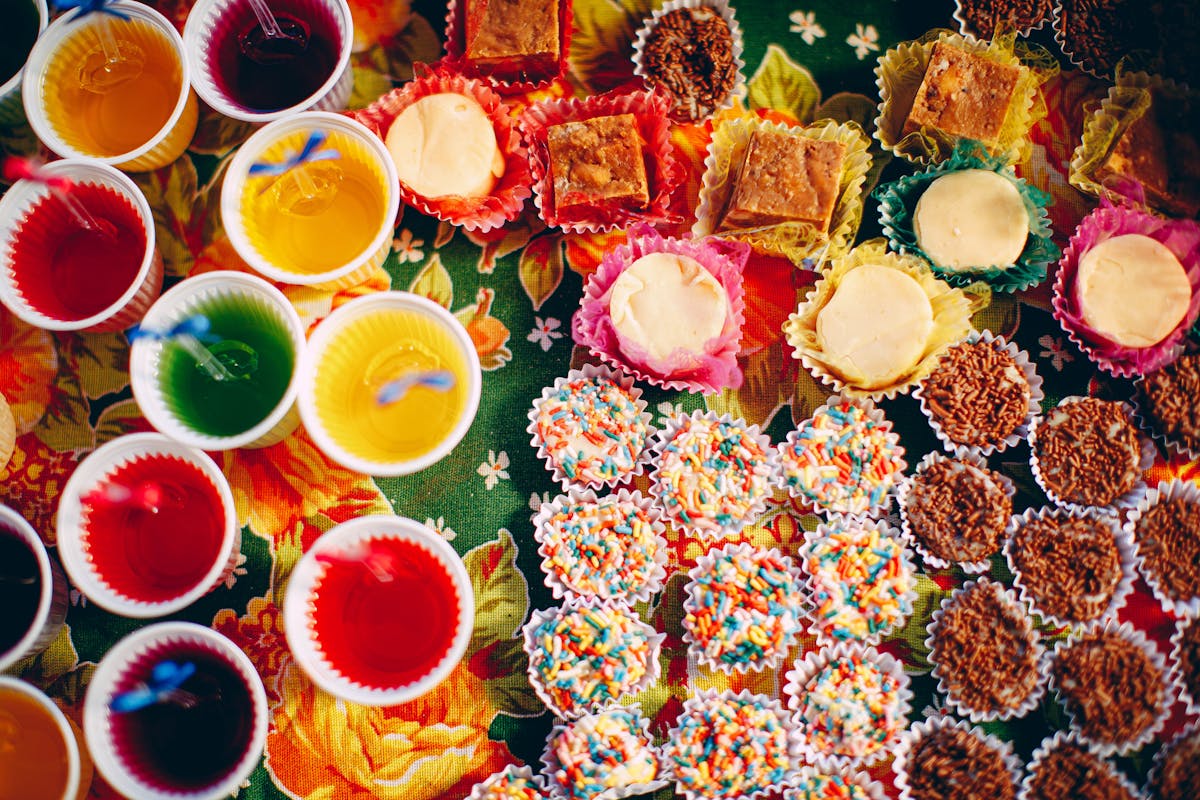
It’s no surprise that sugar-laden holiday treats like cookies, cakes, and candies are a major contributor to blood sugar spikes. While these indulgences are a staple at most holiday parties, they can quickly overwhelm your system.
Many holiday foods, especially those served at gatherings, are packed with refined sugars that provide a rapid source of glucose, causing blood sugar levels to surge. Dietitian Lisa Hark, Ph.D., explains that consuming large amounts of sugar can lead to insulin resistance, a condition where the body’s cells no longer respond effectively to insulin, making blood sugar harder to manage.
Key Tip: Moderation is key. Choose smaller portions of sugary foods and pair them with protein- and fiber-rich options to help stabilize blood sugar levels.
Large Portions of Carbohydrate-Rich Foods
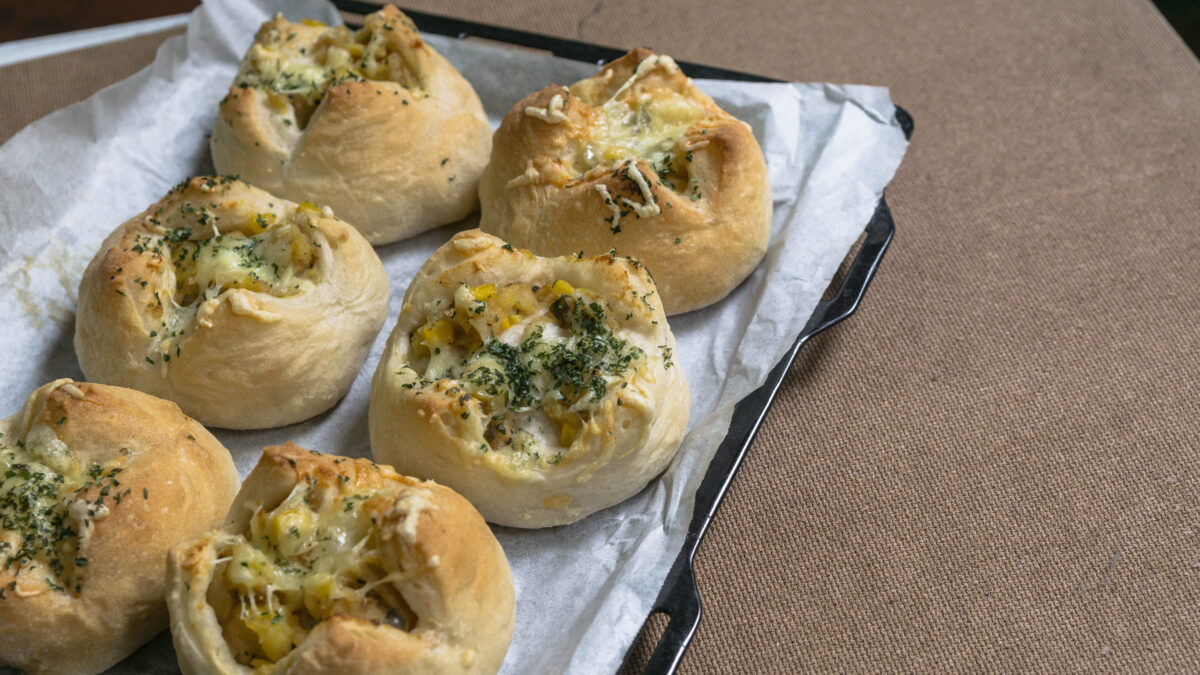
Carbs are another common culprit during the holidays. Traditional holiday meals often include mashed potatoes, stuffing, bread rolls, and sweet potato casseroles,foods that are high in simple carbohydrates. These foods break down quickly into glucose, resulting in spikes in blood sugar levels.
Dietitian Jessica Crandall, RDN, says that eating large portions of carbohydrate-rich foods without balancing them with other nutrients can lead to significant fluctuations in blood sugar. Additionally, large portions of carbs can overwhelm your body’s ability to produce insulin, especially when combined with the sugar found in holiday desserts.
Key Tip: Instead of filling up on bread and potatoes, fill half your plate with vegetables and lean proteins. This will help keep your blood sugar levels steady while still allowing you to enjoy the festive meal.
Skipping Meals to Save Room for Holiday Feasts
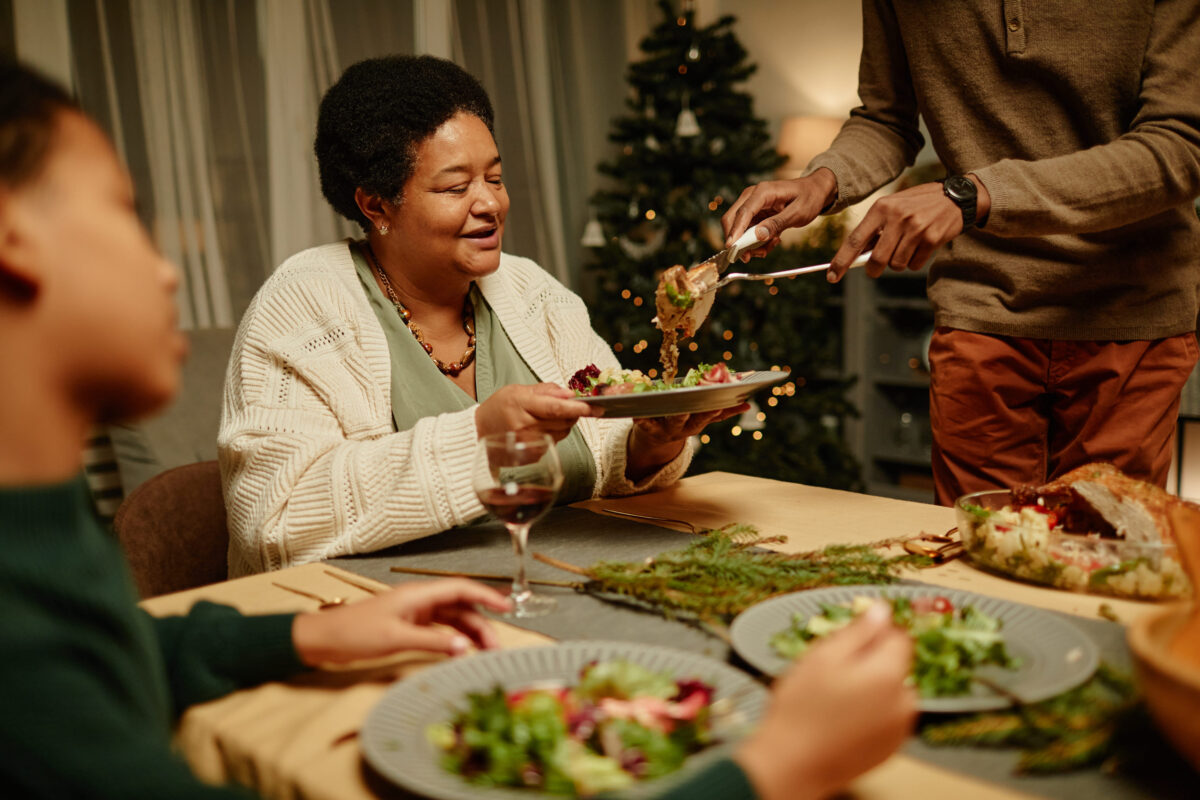
Many people skip meals earlier in the day to “save room” for big holiday dinners. While this might seem like a good strategy to avoid overeating, it can have unintended consequences for blood sugar control.
Dietitian Janelle R. Smith, RD, explains that when you skip meals, your blood sugar can drop too low, leading to a “blood sugar rebound” later in the day when you finally eat. This often results in overeating at dinner, as your body craves quick sources of glucose to restore normal blood sugar levels.
Key Tip: Eat regular, balanced meals throughout the day. If you’re planning a large dinner, have a small snack or light meal beforehand, focusing on proteins, healthy fats, and fiber to prevent drastic blood sugar swings.
Overindulgence in Alcohol
Alcohol is a common part of many holiday celebrations, but it can have a significant impact on blood sugar levels.
When consumed in excess, alcohol can cause blood sugar to spike initially, followed by a dramatic drop as your body metabolizes the alcohol. Dietitian Amy Keating, MS, RD, explains that drinking alcohol on an empty stomach or mixing it with sugary mixers can exacerbate blood sugar instability. While the occasional glass of wine or a low-sugar cocktail might not be problematic, binge drinking is a risky habit, especially for those with diabetes.
Key Tip: If you plan to drink, do so in moderation. Choose drinks that are lower in sugar, and always consume alcohol with food to help slow the absorption and minimize the blood sugar impact.
Indulging in Holiday Buffets and All-You-Can-Eat Feasts
Buffets and holiday dinners that offer an endless array of food can tempt even the most disciplined eaters. The abundance of options makes it easy to overeat, especially with high-carb and high-fat dishes.
Dietitian Megan Wong, MS, RD, notes that overeating,whether it’s sugary desserts or fatty meats, can result in blood sugar fluctuations that may take hours or even days to stabilize. Eating too much at once overwhelms the digestive system, causing insulin levels to spike in response to the influx of glucose.
Key Tip: Approach holiday buffets with a game plan. Opt for smaller portions and avoid going back for seconds. Focus on filling your plate with lean proteins and vegetables, leaving indulgent foods for special treats.
Lack of Physical Activity
Holiday schedules are often packed with social events and family gatherings, leaving little time for exercise. However, lack of physical activity can worsen blood sugar control.
Dietitian Emily Tills, RD, says that regular movement, even a walk after a meal, can help regulate blood sugar levels by increasing insulin sensitivity. Exercise also helps reduce stress, which can otherwise contribute to higher blood sugar levels, especially during a busy and emotionally charged time like the holidays.
Key Tip: Find small ways to incorporate physical activity into your holiday routine. Go for a walk after meals, dance to your favorite holiday songs, or schedule a workout session in between social events to help keep blood sugar stable.
Stress and Emotional Eating
For many, the holidays bring additional stress,from shopping, traveling, or family dynamics. Stress, combined with emotional eating, can be a perfect storm for unstable blood sugar levels.
According to dietitian Kim Yawitz, RD, stress hormones like cortisol can elevate blood sugar levels, while emotional eating often leads to overconsumption of high-sugar and high-fat comfort foods. This pattern creates a vicious cycle of poor blood sugar control, further exacerbating the effects of stress.
Key Tip: Practice stress-management techniques such as deep breathing, meditation, or yoga to calm your mind. Try mindful eating practices to ensure you’re not eating out of stress or emotion, but rather for nourishment.
Increased Consumption of Pre-Packaged Holiday Snacks
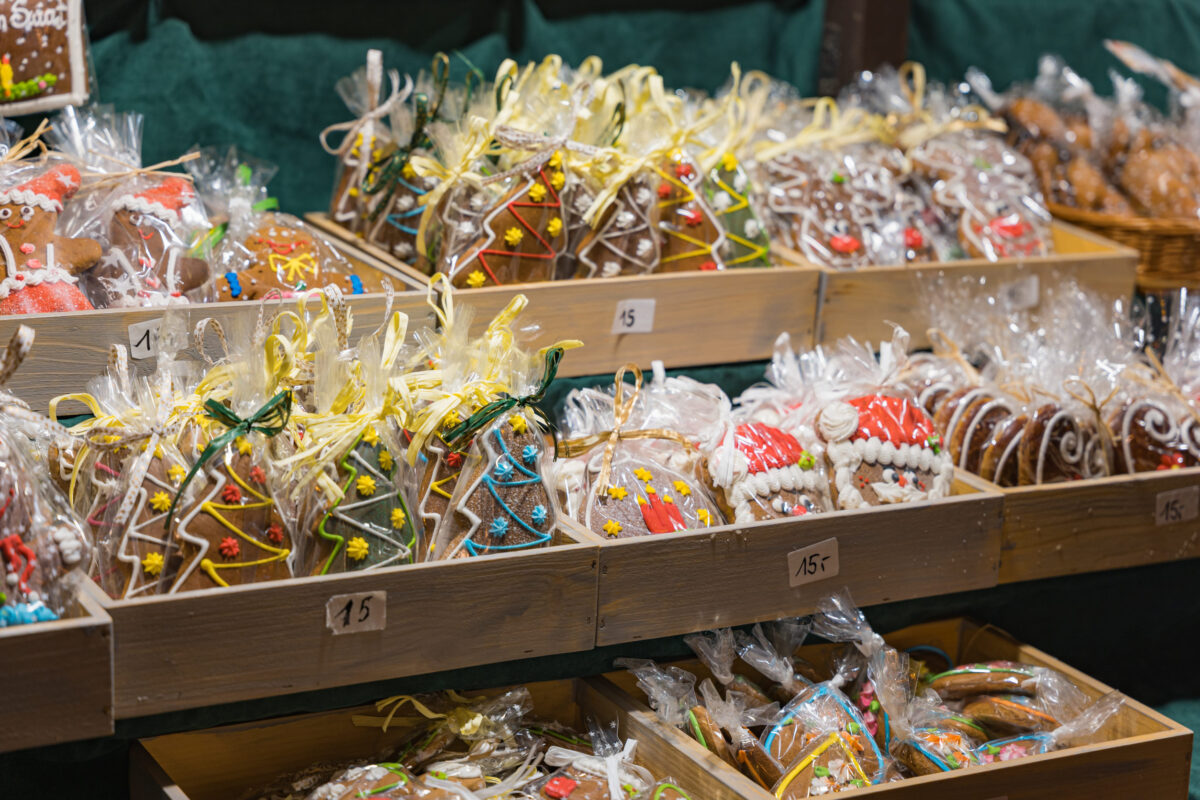
It’s easy to grab pre-packaged holiday snacks like candy canes, chocolates, and holiday-themed treats. While these might seem convenient and festive, they often contain hidden sugars, unhealthy fats, and preservatives that can wreak havoc on blood sugar.
Dietitian Sandra Arévalo, RD, explains that these processed snacks not only cause blood sugar spikes but can also contribute to weight gain, further impairing insulin sensitivity.
Key Tip: Choose whole, minimally processed foods for your snacks. Opt for fresh fruits, nuts, and homemade treats that are made with healthier ingredients. If you do indulge in a pre-packaged snack, check the nutrition label and avoid those high in added sugars and unhealthy fats.
Conclusion
The holidays are a time to indulge, celebrate, and enjoy special moments with loved ones. However, if you’re managing blood sugar levels, it’s essential to be mindful of your eating habits. By recognizing common holiday habits that can lead to unstable blood sugar,such as overindulging in sugar, skipping meals, and indulging in high-carb feasts, you can make healthier choices. Moderation, mindful eating, and regular physical activity can all play significant roles in maintaining blood sugar control throughout the holiday season.
Ultimately, the key to navigating the holidays while maintaining stable blood sugar levels is balance. You can enjoy the festivities and indulge in your favorite treats, but it’s essential to do so in a way that doesn’t overwhelm your body’s ability to regulate blood sugar. By making intentional choices and practicing moderation, you can enjoy a healthier, more balanced holiday season without sacrificing your well-being.