8 Reasons Why Washing Raw Chicken is a Dangerous Mistake You Need to Stop Making
When it comes to meal preparation, some habits may seem harmless but pose significant health risks. One of these habits is washing raw chicken before cooking it.
While many home cooks believe rinsing poultry helps eliminate bacteria or ensure better flavor, it actually does more harm than good. Despite the widespread practice, food safety experts, including the Centers for Disease Control and Prevention (CDC), strongly advise against washing raw chicken. In this article, we’ll delve into eight key reasons why you should avoid washing raw chicken and explore the potential dangers it can introduce into your kitchen.
Increased Risk of Cross-Contamination
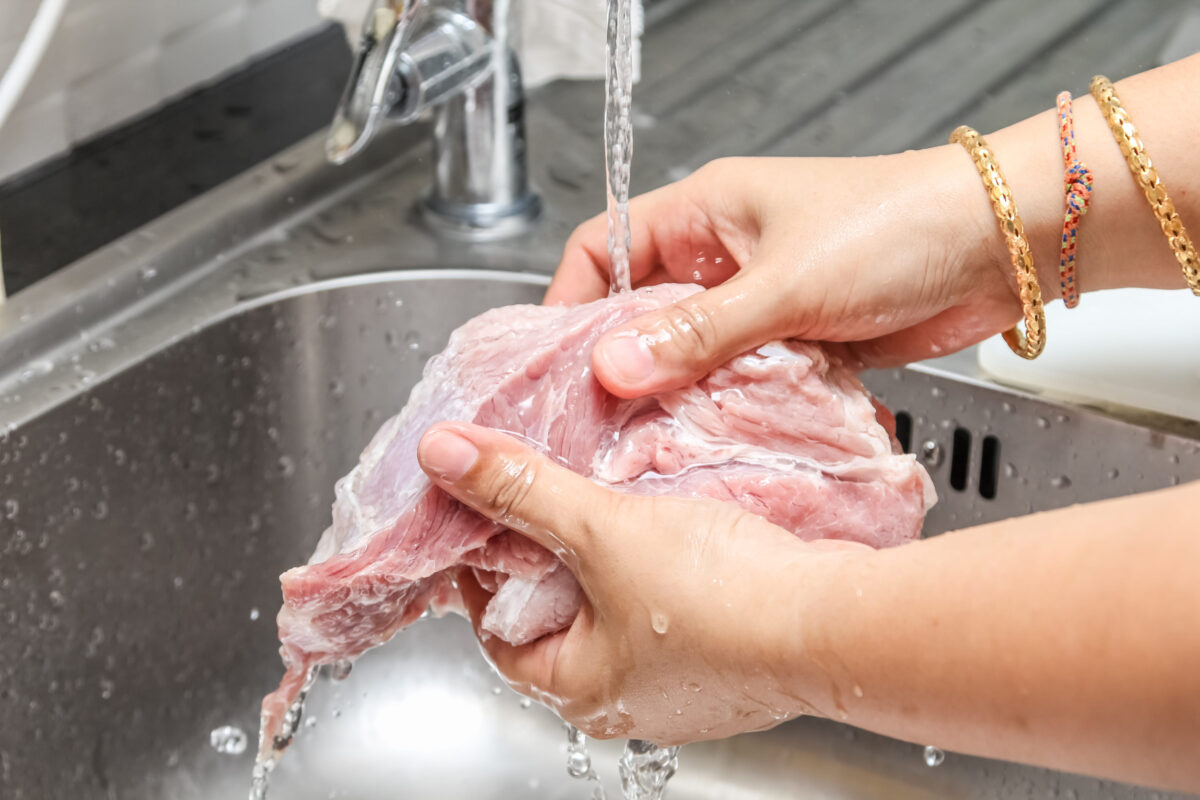
Washing raw chicken can spread bacteria beyond the sink, onto surfaces, utensils, and even other foods. When water splashes off the raw poultry, it can carry harmful bacteria such as Salmonella, Campylobacter, or E. coli to nearby items. This form of cross-contamination is one of the most common ways foodborne illnesses spread. By washing chicken, you’re essentially creating an opportunity for bacteria to contaminate other parts of your kitchen that would otherwise remain safe.
For example, water droplets from rinsing chicken can land on countertops, cutting boards, or even your clothing. These areas are likely to come into contact with fresh produce or ready-to-eat foods, increasing the risk of illness. The best way to prevent cross-contamination is simply not to wash raw chicken; instead, handle it carefully and cook it to the correct internal temperature.
Chicken Cooks to Safe Temperatures Without Washing
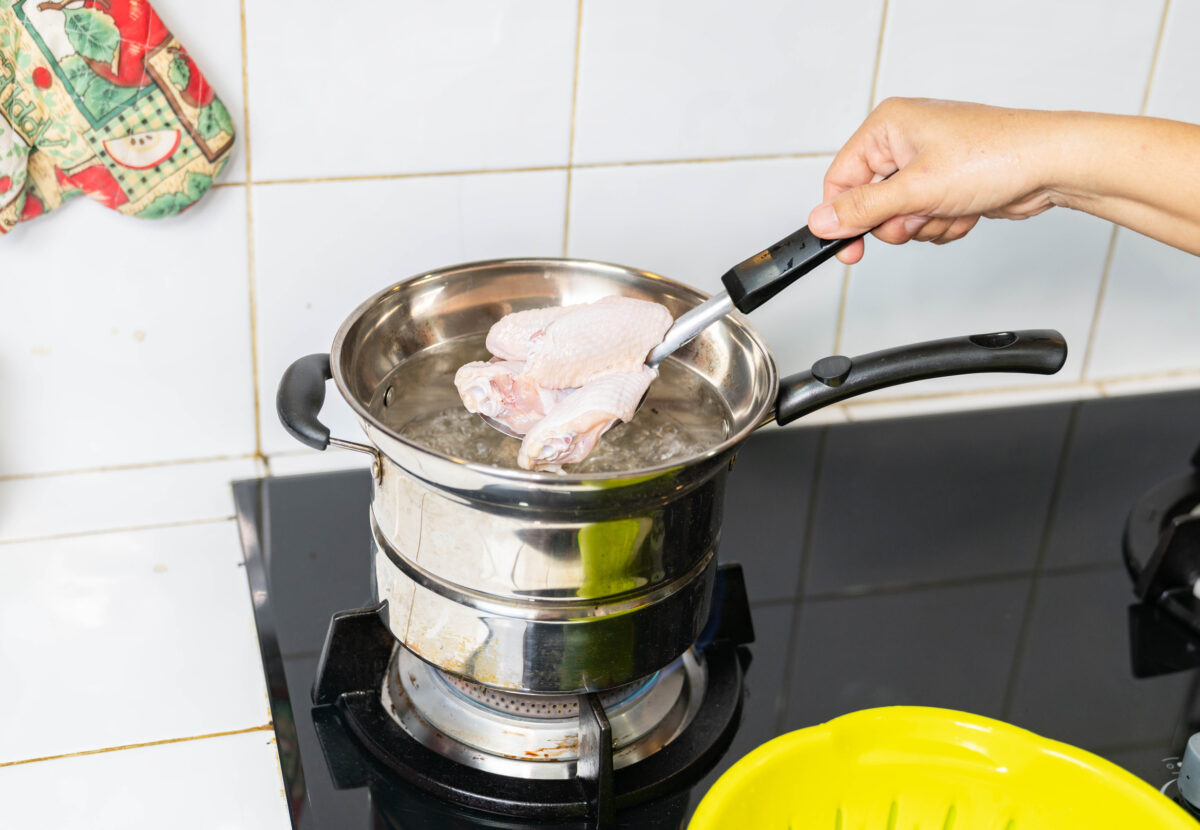
Cooking raw chicken properly is the most effective way to eliminate harmful bacteria. When you cook chicken to the recommended internal temperature of 165°F (75°C), you effectively kill any dangerous microorganisms present. This step eliminates the need for washing the poultry beforehand, as cooking itself is a much more reliable method for food safety.
The misconception that washing chicken removes bacteria stems from the idea that rinsing it will remove germs, but this isn’t the case. In fact, some bacteria are tightly adhered to the meat, and rinsing doesn’t remove them. Cooking is the only foolproof method to ensure chicken is safe to eat.
Washing Chicken Can Lead to Foodborne Illness
By rinsing raw chicken, you’re giving bacteria a chance to spread and proliferate. Even if you think you are washing away the germs, studies show that pathogens can cling to the meat and remain unaffected by washing. This is because water droplets don’t reach all areas of the chicken, or may not be powerful enough to remove bacteria that have adhered to the surface.
This is particularly dangerous when handling chicken at home, where improper food handling can increase the risk of foodborne illnesses. Salmonella and Campylobacter are commonly found in raw chicken, and washing it before cooking can inadvertently spread these bacteria, potentially causing serious stomach cramps, diarrhea, and vomiting. Therefore, keeping raw chicken out of contact with water is a simple way to minimize the risk of illness.
Kitchen Cleanliness Becomes Harder to Maintain
In addition to spreading bacteria, washing raw chicken can make cleaning your kitchen afterward more work. Raw chicken, when washed, can cause water droplets to splash on surrounding surfaces. These include your kitchen sink, countertops, and even your refrigerator handles. As a result, cleaning up becomes an additional challenge. Rinsing chicken requires extra steps to thoroughly disinfect these areas and often forces you to clean places you might not have otherwise thought to.
With bacteria from the chicken spreading across your kitchen, there’s a greater chance that other food-preparation tasks could be compromised. Not only will you need to sanitize surfaces, but you will also need to wash your hands carefully, which takes time and effort. The best solution is to skip washing altogether, maintaining a cleaner, safer kitchen environment.
Water Doesn’t Reach Hidden Areas of the Chicken
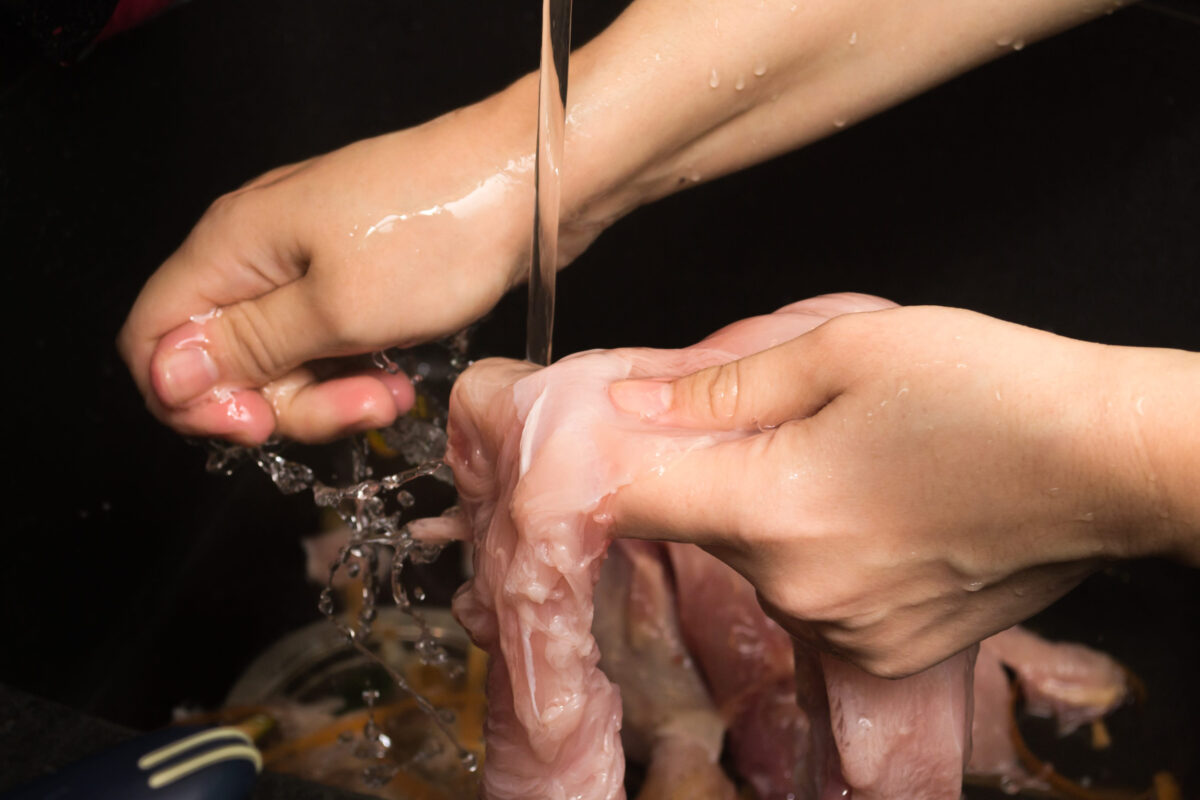
Washing chicken does not reach all parts of the bird. Even if the meat is submerged under running water, some parts, such as under the skin or in crevices, can remain untouched. Bacteria might still linger in these areas, and water alone won’t be sufficient to clean them. If you were hoping to remove all bacteria by washing, you’re more likely to spread germs than to get rid of them. Therefore, it’s far more effective to cook the chicken to the appropriate temperature to kill pathogens throughout the entire bird.
Since you cannot guarantee that bacteria will be fully removed by washing, the risk of eating contaminated food increases significantly. Instead of rinsing raw chicken, it is more prudent to focus on safe cooking practices to destroy any bacteria present.
Using Hot Water Doesn’t Help Either
Many people mistakenly believe that using hot water when washing raw chicken can help kill bacteria. However, this is not the case. The water temperature from a typical kitchen faucet isn’t nearly hot enough to kill bacteria on raw meat. The CDC recommends cooking meat to specific temperatures to ensure safety, and no amount of hot water will do the same job as cooking.
Furthermore, using hot water may cause some of the meat’s proteins to begin cooking, which can actually affect the texture and flavor of your chicken. In other words, it’s counterproductive. Cooking the chicken at the correct temperature is the only guaranteed way to ensure food safety.
It’s an Outdated Practice with No Health Benefit
Washing raw chicken is a habit passed down over generations, often as a precautionary measure to rid the meat of germs. However, food safety experts have long debunked this practice. The idea that rinsing poultry makes it safer is outdated and based on misconceptions about how bacteria work. Scientific evidence shows that washing does not significantly reduce bacterial load on chicken.
In fact, the trend toward washing raw meat is steadily decreasing, as more people become aware of the risks involved. Many cooking and food safety organizations are now actively promoting the message that washing raw chicken should be avoided entirely. The reality is that cooking at the right temperature is all that’s necessary.
Modern Kitchen Practices Focus on Safe Handling, Not Washing
Today, proper kitchen practices emphasize safe handling and hygiene over outdated techniques like washing raw chicken. Instead of washing, food safety experts recommend thoroughly cleaning your hands, surfaces, and utensils before and after handling raw chicken. This reduces the risk of bacteria transferring from one surface to another and enhances overall food safety.
Using separate cutting boards for raw poultry and other foods, such as vegetables, is another key practice to reduce cross-contamination. Using a food thermometer to check that chicken has reached 165°F ensures it’s cooked to a safe level. Adopting these modern techniques will drastically reduce the risk of foodborne illness without the need for washing.
Conclusion
Washing raw chicken is an outdated, risky practice that increases the chances of foodborne illness and cross-contamination. Despite common misconceptions, washing raw poultry does not eliminate harmful bacteria and can inadvertently spread pathogens around your kitchen. Instead of rinsing, the most effective way to ensure safe chicken consumption is by cooking the meat to the recommended internal temperature of 165°F.
By focusing on proper kitchen hygiene,cleaning surfaces, using separate cutting boards, and cooking chicken thoroughly, you can ensure that your meals are both delicious and safe. Let go of the habit of washing raw chicken, and embrace safer, more modern kitchen practices that prioritize food safety and cleanliness. Your health and well-b