8 Dog Diets Your Vet Wishes You Would Ignore
As pet owners, we all want what’s best for our furry friends, especially when it comes to their health and nutrition.
However, despite our best intentions, some popular dog diets could be harming your dog’s well-being. Veterinarians often find themselves at odds with pet owners who follow fad diets or trends lacking scientific evidence. Here are eight dog diets that your vet wishes you’d ignore,and why.
Raw Food Diet
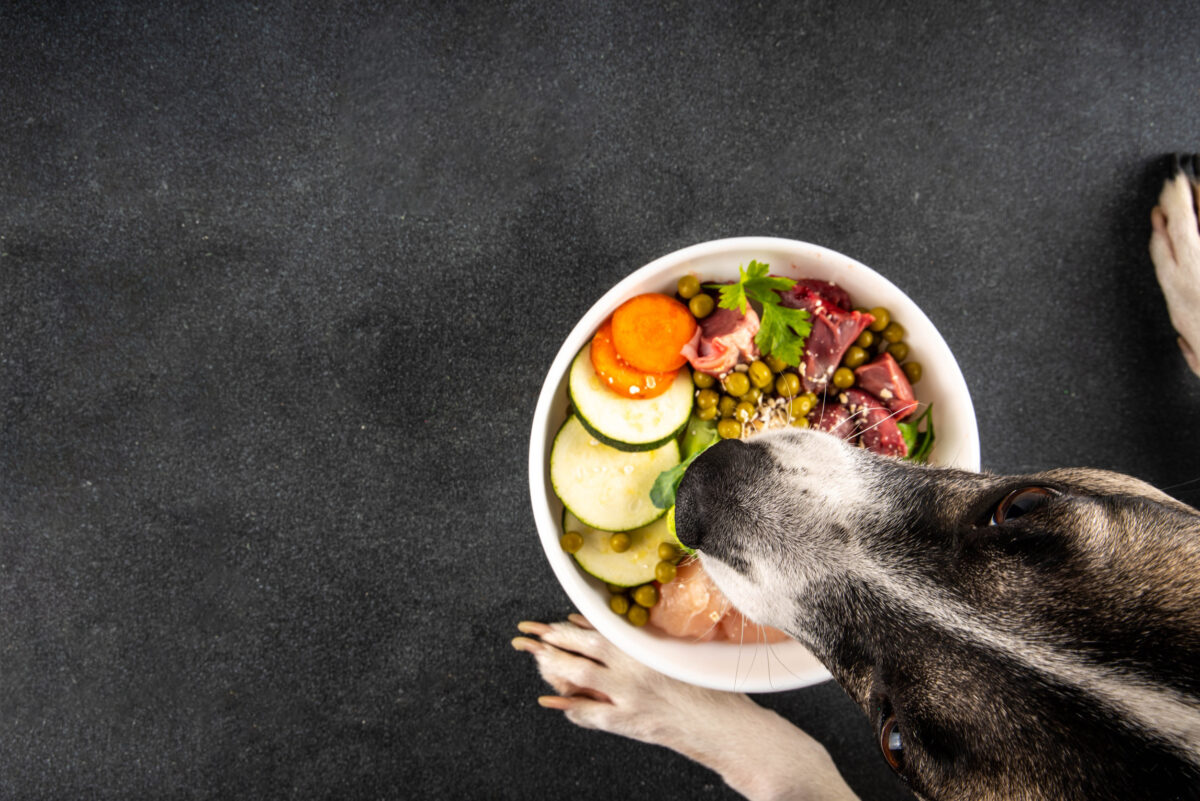
The raw food diet, often called the BARF (Biologically Appropriate Raw Food) diet, involves feeding dogs raw meat, bones, and organs. While proponents of this diet argue it mirrors the diet of wild dogs, veterinarians frequently caution against it.
Raw food can be contaminated with harmful bacteria such as Salmonella and E. coli, which pose significant health risks not only to your dog but also to you and your family. Furthermore, raw diets are often poorly balanced, lacking essential nutrients like calcium, phosphorus, and vitamins. A poorly formulated raw diet can lead to nutritional deficiencies or excesses, putting your dog at risk of bone deformities or organ damage.
Grain-Free Diets
Grain-free diets became a popular choice among pet owners seeking to reduce allergens in their dog’s food. However, recent research has raised concerns about the potential risks of these diets. The U.S. Food and Drug Administration (FDA) has been investigating a possible link between grain-free diets and dilated cardiomyopathy (DCM), a heart condition that can be fatal.
Many grain-free dog foods contain high levels of peas, lentils, and other legumes, which could be contributing to the issue. If your dog is consuming a grain-free diet, especially if they are of certain breeds, it’s important to consult your vet for guidance on proper nutrition and potential risks.
Homemade Diets
Homemade dog food can be a tempting option, as it allows you to control the quality of ingredients your dog is eating. However, creating a balanced homemade diet for your dog requires a deep understanding of canine nutrition.
Many owners unknowingly feed their dogs incomplete diets, lacking essential nutrients like calcium, omega-3 fatty acids, and certain vitamins. The risk of imbalance is high if you don’t follow a vet-recommended recipe or guidance from a canine nutritionist. Without expert oversight, a homemade diet can result in long-term health issues like malnutrition or obesity.
High-Protein Diets
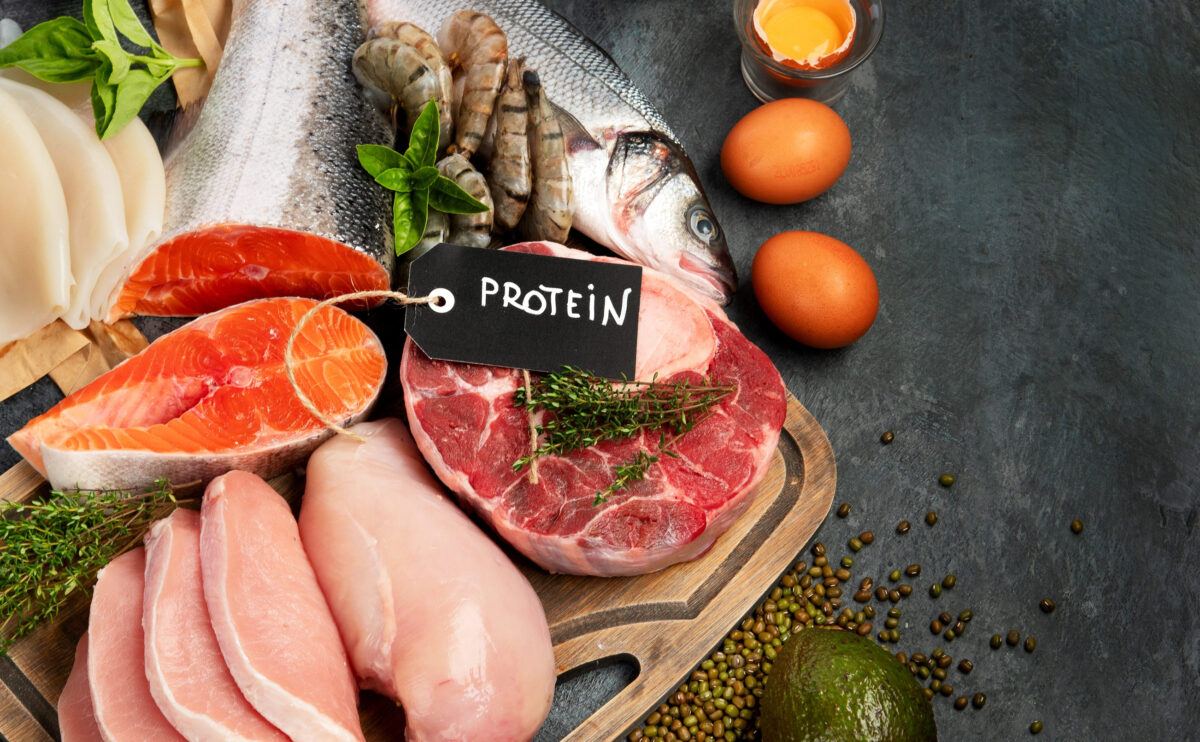
While protein is essential for your dog’s muscle development, some high-protein diets go too far. Overloading your dog with protein can lead to kidney stress and damage, especially in breeds predisposed to kidney issues.
Dogs do not need as much protein as some pet food brands suggest. Additionally, many high-protein diets are marketed as a one-size-fits-all solution, but not every dog has the same dietary needs. Working closely with your vet to determine the right protein levels for your dog’s age, size, and health status is key to maintaining a balanced diet.
Vegetarian Diets
A vegetarian or vegan diet for dogs may sound like a healthy choice, but it’s not without risks. Dogs are omnivores, and while they can consume plant-based foods, they still require animal-derived proteins to meet their nutritional needs.
Plant proteins do not provide the complete amino acid profile that animal proteins do, which can lead to nutritional deficiencies over time. Furthermore, dogs may struggle to digest certain plant-based ingredients, which can lead to gastrointestinal upset. If you’re considering a vegetarian diet for ethical reasons, it’s essential to consult your vet to ensure it’s appropriately balanced and meets all nutritional requirements.
Superfoods Overload
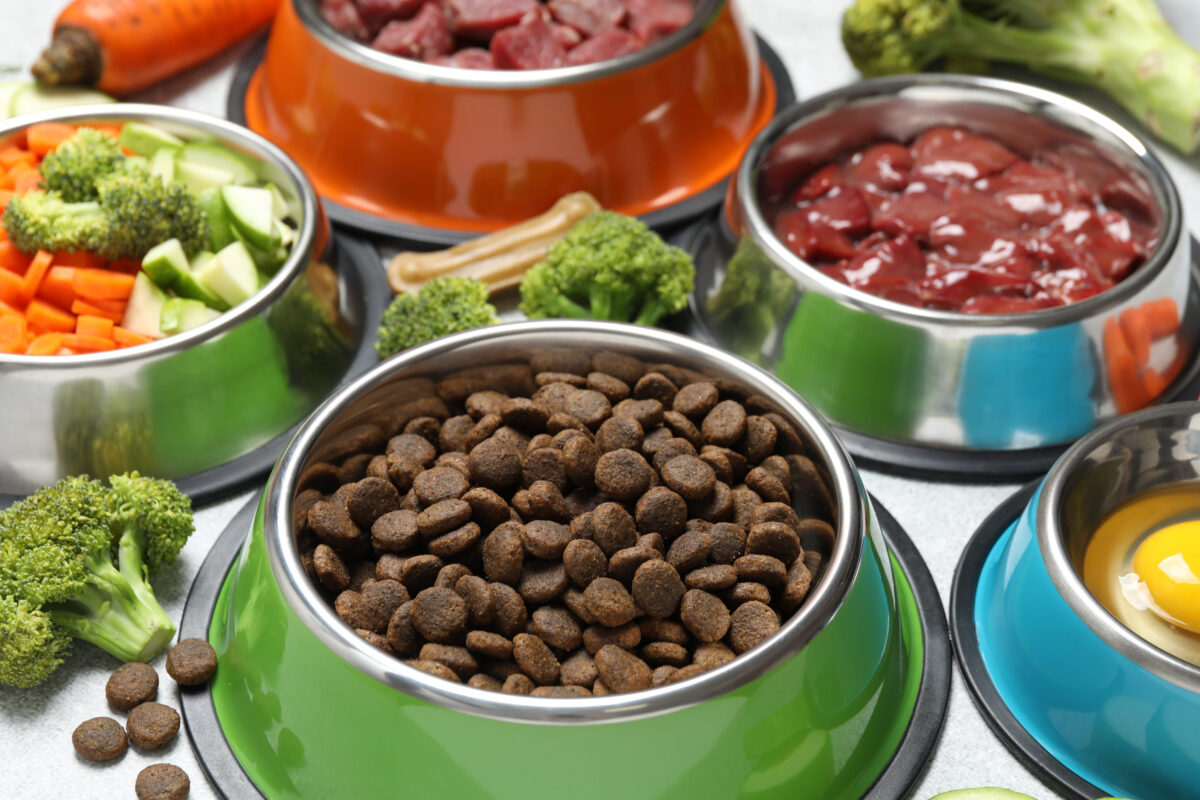
In recent years, “superfoods” have become the buzzword in human nutrition, and now they’ve made their way into the dog food industry. While foods like blueberries, kale, and chia seeds are packed with antioxidants and vitamins, overloading your dog’s diet with too many superfoods can do more harm than good.
Many of these foods, when consumed in excess, can lead to digestive issues, upset stomachs, or even toxicity. For example, large quantities of kale can cause thyroid issues in some dogs. Moderation is key, and it’s important to provide a balanced diet rather than focusing on trendy, nutrient-dense foods.
Canned Food

Canned dog food is convenient and often more palatable for dogs, but it’s important to be cautious about the sodium content. Some canned foods contain high levels of sodium, which can lead to hypertension (high blood pressure), kidney disease, and heart problems in dogs.
While high-quality canned foods are available, it’s essential to choose products that are low in sodium and offer a balanced nutrient profile. Talk to your vet about the best options for your dog’s age, weight, and health condition, especially if they have a history of heart disease or kidney issues.
Meal and Meat-by-Products
Many mass-produced dog foods contain meals and meat by-products that sound unappetizing, such as “poultry meal” or “beef by-products.” While these ingredients are technically safe, they may be low-quality and fail to provide the nutrients your dog needs for good health.
Meat-by-products, in particular, are the parts of the animal that are not typically consumed by humans and may include less desirable cuts, organs, or even body parts. Choosing a high-quality dog food with named protein sources (like “chicken” instead of “chicken meal”) and whole meats ensures that your dog gets the best nutrition possible.
Conclusion
Choosing the right diet for your dog can be overwhelming, especially with the many options and trendy diets available today. However, it’s crucial to consult with your vet before making any changes to your dog’s diet. While raw and homemade diets may sound appealing, they can present serious health risks. Grain-free and high-protein diets may not be suitable for all dogs, and vegetarian diets lack the full spectrum of nutrients that dogs require. Instead of jumping on the latest diet fad, focus on providing a balanced, scientifically formulated diet that meets your dog’s individual needs.
Remember that your vet is your best resource for nutritional guidance and will help you navigate the complex world of pet food. Ultimately, ensuring your dog’s health starts with the right diet,one that supports their specific health needs and provides them with the essential nutrients they need to thrive. Before you follow the latest diet trend, take a step back and talk with your vet. Your dog will thank you for it!