How These 6 “Age Defying” Foods Could Be Harming Your Skin
The beauty world loves a haloed food. One week, it is a glowing smoothie bowl; the next, a glass of red wine praised for its antioxidants; and before long, half the internet is acting like a grocery list can replace sunscreen, sleep, and common sense.
The truth is a lot less glamorous. Some foods that look fresh, clean, and youth-friendly on paper can still leave your skin looking irritated, puffy, dry, or breakout-prone when the sugar, sodium, or alcohol content starts doing its quiet damage. The American Academy of Dermatology says low-glycemic eating patterns may help some people have fewer breakouts, and the Cleveland Clinic notes that sugar, salt, and alcohol can worsen dehydration, which matters because dehydrated skin tends to look duller and feel rougher.
Smoothie Bowls That Turn Into Sugar Bombs
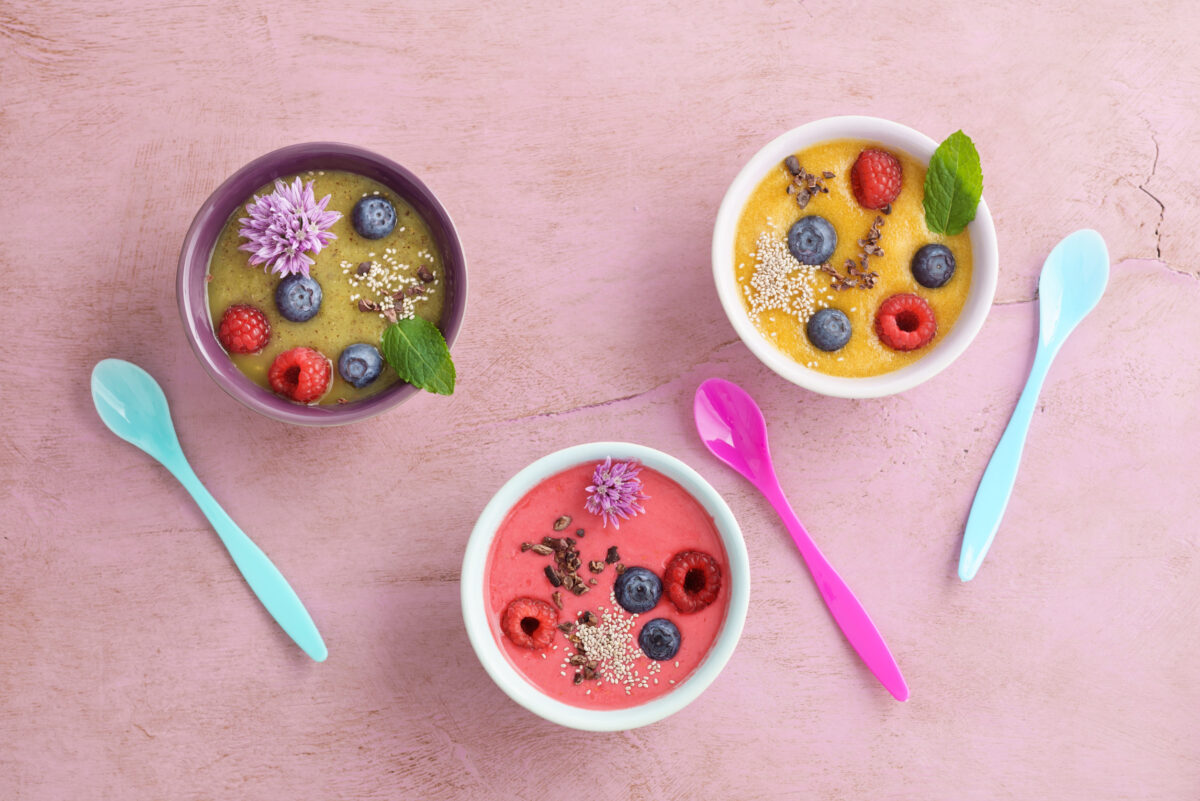
Smoothie bowls have built a glowing reputation for a reason. They are colorful, loaded with fruit, and usually sold as if they are one spoonful away from eternal radiance. The trouble starts when that innocent bowl turns into a sugar stack with fruit purée, sweetened yogurt, granola, honey, nut butter, and dried fruit all fighting for space on top.
That high glycemic load can push blood sugar up quickly, and the AAD notes that spikes in blood sugar may increase inflammation and sebum production, two factors that can make skin act out. Add the fact that too much sugar contributes to glycation, a process that weakens collagen and makes skin less resilient, and that pretty bowl starts looking less like skincare and more like dessert in activewear.
Dried Fruit That Looks Cleaner Than Candy

Dried mango, dates, raisins, and apricots are often marketed like polished cousins of candy. They sound natural, wholesome, and vaguely luxurious, which makes it easy to forget how concentrated they are. Once water is removed, the sugar becomes far easier to overeat, and that matters for skin because repeated excess sugar intake is tied to glycation, the process that damages collagen and elastin over time. Cleveland Clinic explains that sugar binds to proteins, forming advanced glycation end products that can weaken, dry, and make collagen brittle.
That does not mean dried fruit is evil. It means a handful can become three without much effort, and your skin may not care that the sugar came wrapped in wellness language.
Dark Chocolate Treats Wearing a Health Halo
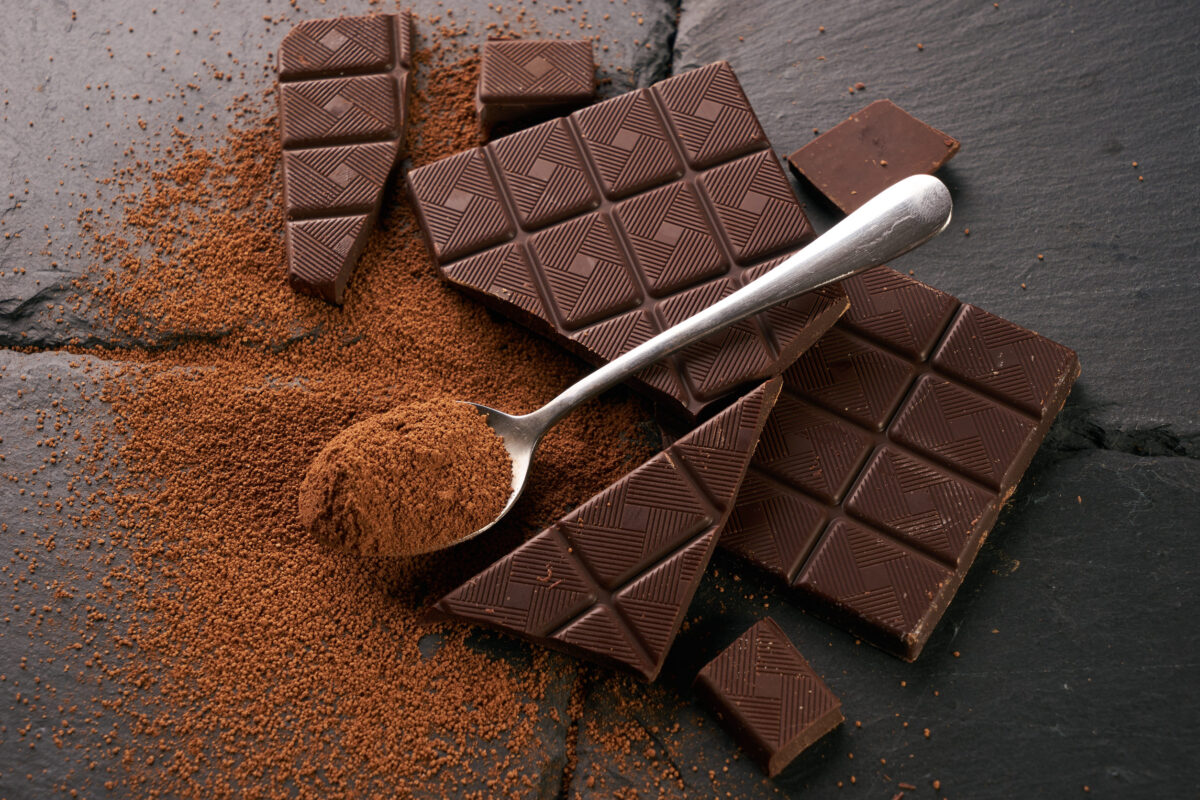
Dark chocolate has one of the best publicists in the food world. It gets linked to antioxidants, mood support, and that seductive little phrase about being a “better for you” indulgence. But people rarely stop at plain cacao.
They buy sugar-loaded bars, chocolate clusters, chocolate granola, and brownie bites, dressed up as smart choices because the label says ‘dark chocolate’. The AAD highlighted a review of acne research that found chocolate among the factors linked to acne promotion, alongside high-glycemic foods and dairy, even though diet and skin are complex and more research is still needed. In plain English, chocolate is not automatically the villain, but the sugary, ultra snackable versions sold as self-care can push your skin in the wrong direction, especially if you are already acne-prone.
Milk-Based Wellness Drinks That Fight Your Face
Protein shakes, matcha lattes, iced collagen drinks, and post-gym smoothies often look like the responsible choice. They are branded as disciplined, polished, and somehow more adult than a pastry. Yet when cow’s milk is the base, some people may notice their skin pushing back.
The AAD says some studies suggest that cow’s milk is linked to more acne breakouts, with all types of cow’s milk appearing in the research, though the exact mechanism is still not fully understood, and more research is needed. Importantly, the same AAD page notes there is no evidence that yogurt or cheese increases acne breakouts, so this is not a dramatic reason to fear all dairy. It is a reminder that if your “healthy” daily drink keeps showing up on your chin, jawline, or cheeks, your skin may be handing you a clue you should stop ignoring.
Smoked Salmon and Other Salty “Clean” Foods
Salmon has earned its glow food status honestly in many ways, but the version matters. Fresh salmon is one thing. Smoked salmon, cured fish, pickled snacks, and soy-drenched grain bowls are another story entirely when sodium starts climbing. Cleveland Clinic notes that salty foods can make you feel thirsty, and its dry skin guidance warns that salt can contribute to dehydration.
That matters because skin that lacks water does not usually look luminous. It looks tired, tight, and sometimes puffy, especially around the eyes. This is where people get fooled by the health label. They see omega-3s, protein, and minimalist packaging, then miss the fact that their lunch may be delivering a salt load that leaves their face looking swollen by morning and flat by afternoon.
Red Wine and “Antioxidant” Cocktails
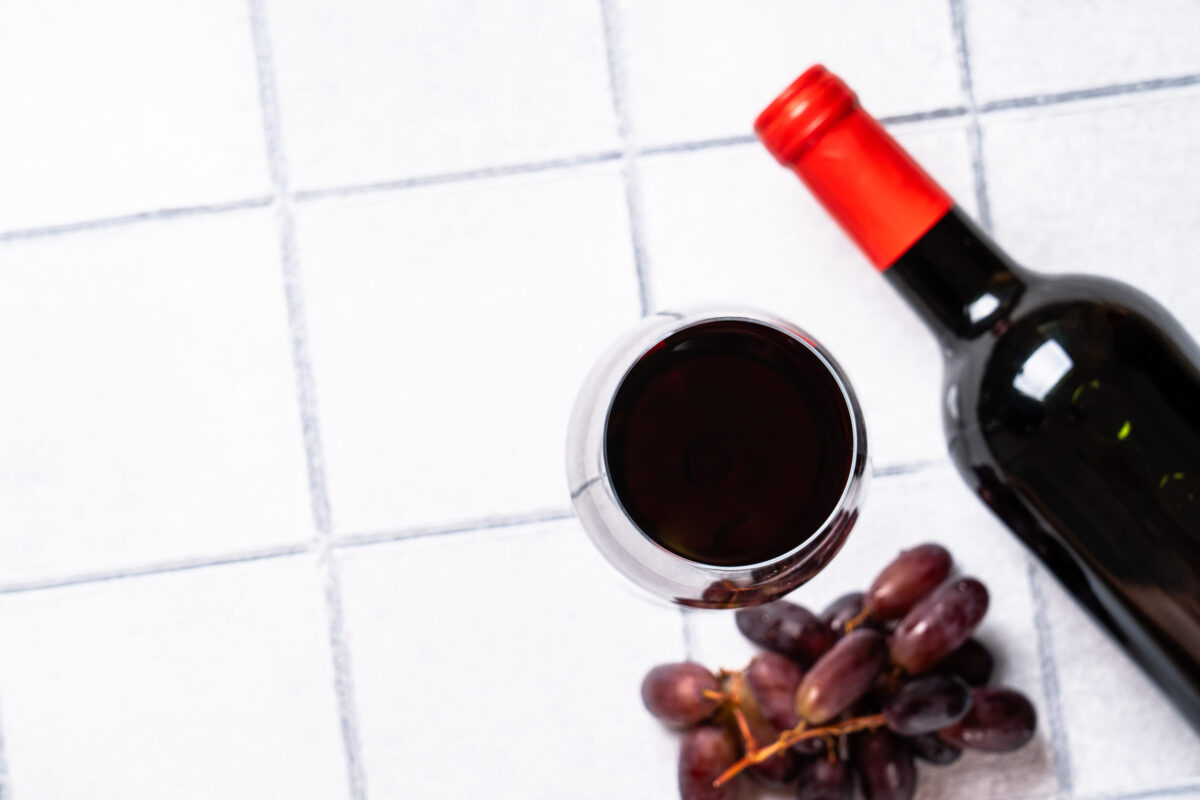
Few drinks have benefited more from the anti-aging myth machine than red wine. For years, it has been framed as the chic choice, the sophisticated pour, the adult version of doing something good for yourself without trying too hard. But alcohol does not become a skincare ingredient just because it’s in the conversation about antioxidants.
Cleveland Clinic says alcohol contributes to dehydration, and it specifically notes that stopping alcohol can lead to smoother skin with less facial puffiness and bloating. That makes sense because dehydrated skin tends to look less plump and more textured, and alcohol can also worsen redness in some people. Once sugary mixers enter the picture, the problem doubles back on itself. Now you are dealing with dehydration from the alcohol and extra sugar that may work against collagen and breakout control. That is a rough trade for a drink sold as elegant wellness.
Conclusion
The real lesson here is not that “age-defying” foods are fake or that every glowing ingredient belongs on a blacklist. It is that marketing is not the same thing as skin compatibility. A smoothie bowl can be nourishing, but not when it becomes a sugar avalanche. Salmon can be smart, but not when it comes wrapped in enough sodium to make your face look puffy the next day.
Dark chocolate, dried fruit, milk-based wellness drinks, and red wine all sit in that same complicated space where the health story sounds cleaner than the actual result on your skin. If your complexion has been looking dull, dry, irritated, or suddenly breakout-prone, stop chasing beauty buzzwords and start watching patterns. Your skin is usually much more honest than the label.