7 Unusual Fast-Food Scandals and Lawsuits That Shook the Industry
Scandals and lawsuits are almost a badge of honor in the fast-food world, but a few incidents have been so bizarre that they left jaws dropping.
From chili garnished with a human finger to beef that ignited national debates, these seven wild controversies show that reality in the fast-food industry can outdo even the wildest fiction.
Wendy’s Finger in Chili Scandal
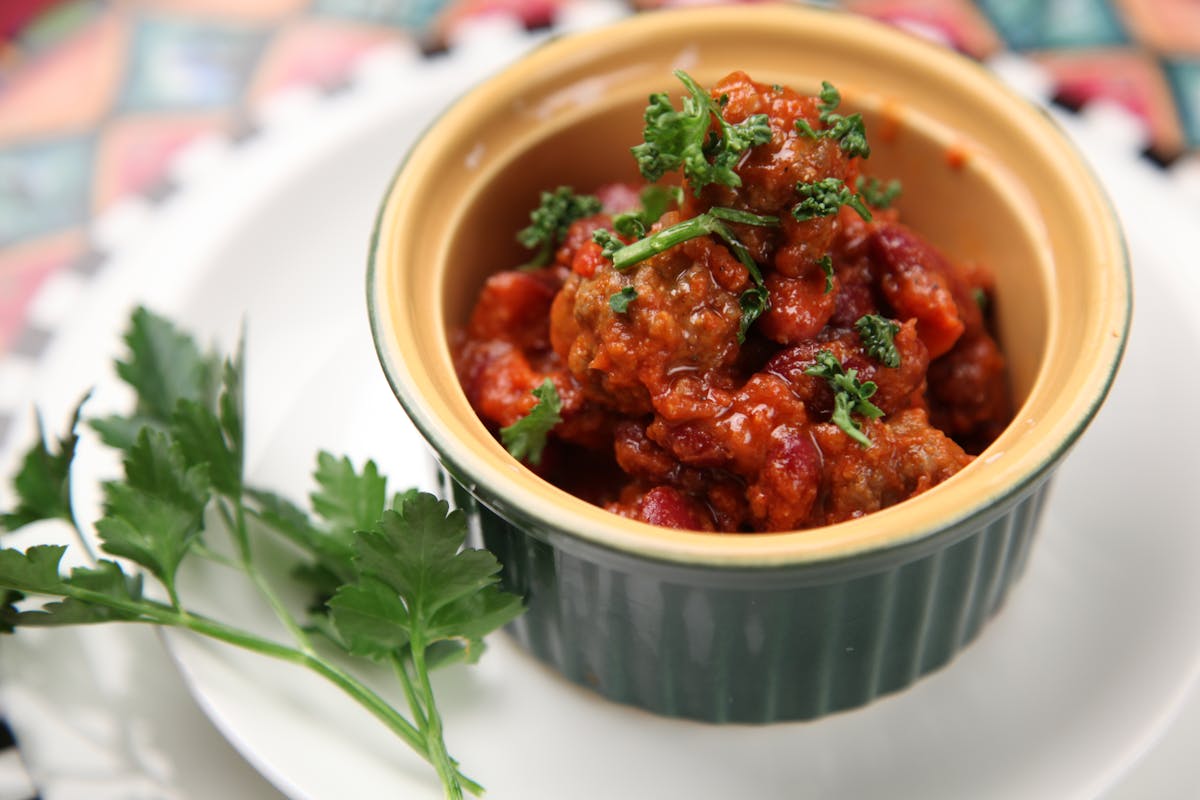
In 2005, Wendy’s was thrust into a scandal so surreal it could have been a crime thriller. A woman claimed to have found a human finger in her chili, sending shockwaves through the media and horrifying diners everywhere.
The real twist? The finger was planted by the woman herself, Anna Ayala, who conspired with her husband’s coworker, the true owner of the severed digit, to stage the hoax.
After a dramatic investigation, Ayala ended up behind bars for four years. This jaw-dropping saga exposed the extreme lengths some will go to exploit a beloved brand.
Taco Bell’s Beef Allegations
In 2011, Taco Bell faced a class-action lawsuit alleging its tacos contained only 35% beef and the rest additives. Taco Bell responded, claiming that it uses 88% pure beef.
The lawsuit was dismissed, but the uproar forced Taco Bell to explain its ingredients and promote transparency.
Subway’s Tuna Controversy
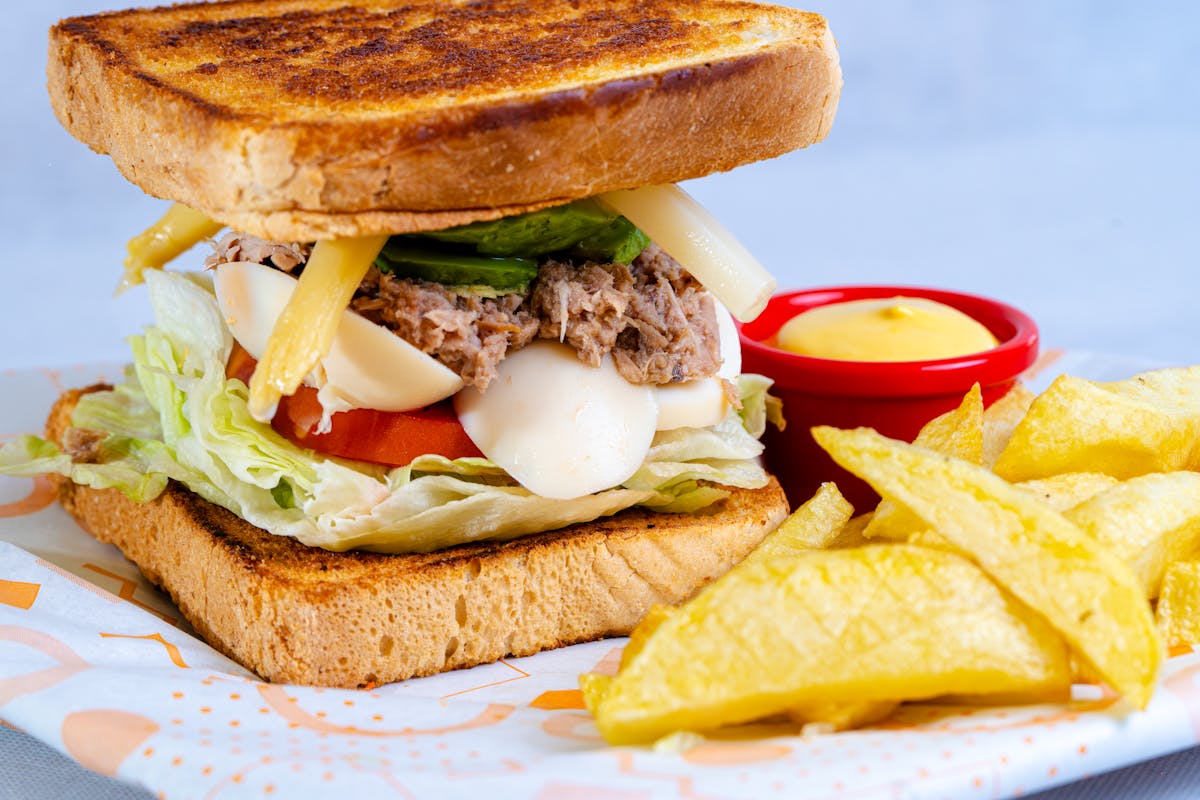
In 2021, Subway’s image suffered when a lawsuit claimed its tuna wasn’t real. A California woman alleged that the tuna contained an unknown mixture of substances. Subway insisted its tuna was “100% real, wild-caught tuna,” and the case was dismissed. Still, the controversy reignited concerns over food transparency.
The McDonald’s Hot Coffee Lawsuit
One of the most famous fast-food lawsuits in history is the McDonald’s hot coffee case. Few lawsuits have captured the public’s imagination like the 1992 McDonald’s hot coffee case.
Stella Liebeck, then 79, suffered severe burns after spilling scalding coffee on her lap. While the story is often oversimplified, McDonald’s had already received hundreds of warnings about the dangers of hot coffee.
Liebeck asked for $20,000 to cover her medical bills, but McDonald’s offered just $800, forcing the case to trial. The jury’s initial $3 million verdict sent shockwaves through the industry and forced restaurants everywhere to rethink how they serve hot drinks.
Starbucks Ice Lawsuit

A man sued Starbucks, claiming its iced drinks had too much ice and too little beverage. A judge quickly dismissed the case, noting customers expect ice and can request more or less. This lawsuit shows how minor complaints can escalate into legal battles.
Carl’s Jr. vs. Jack in the Box
In a notable battle, Jack in the Box and Carl’s Jr. clashed over a commercial. The ad mocked Carl’s Jr.’s “Angus” beef. Carl’s Jr.’s parent company, CKE, sued for corrective ads. The judge sided with Jack in the Box and dismissed the case; the companies later settled. This shows how bold marketing can lead to court.
Papa John’s Controversies
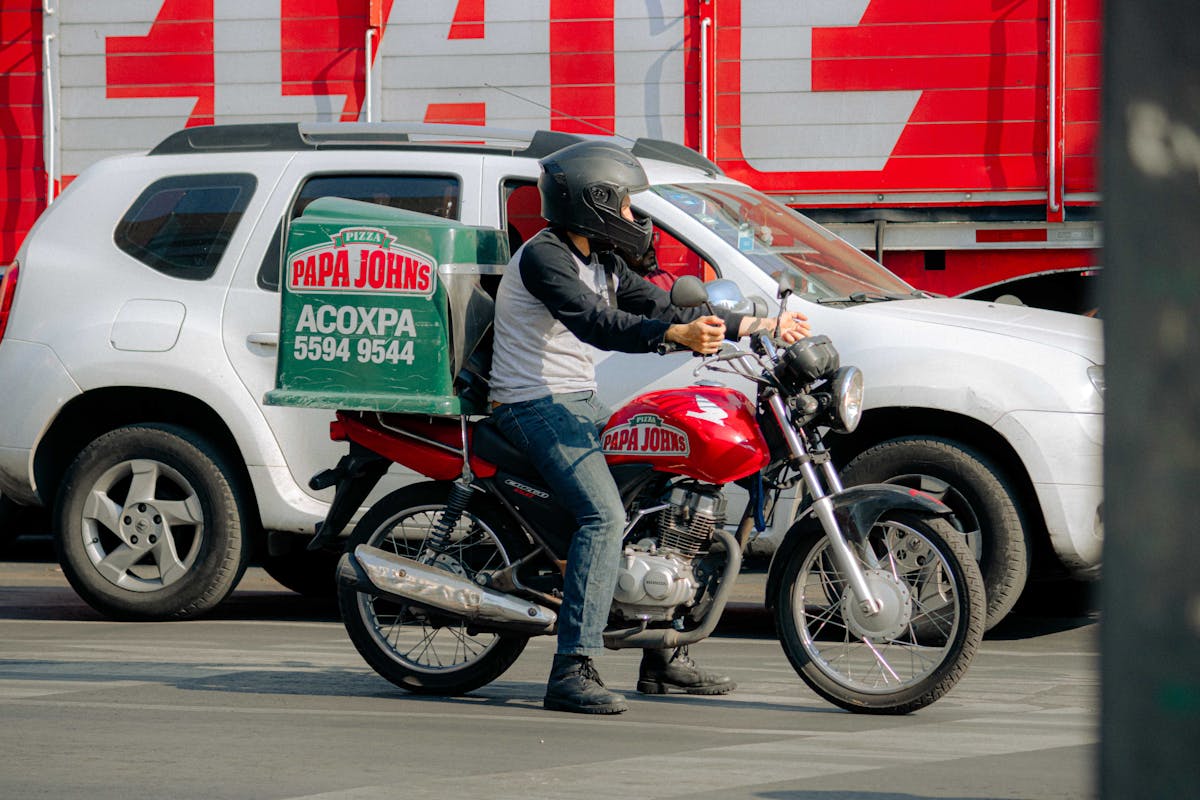
Papa John’s founder, John Schnatter, became infamous for a string of scandals that battered the brand’s reputation. After he was accused of using a racial slur during a conference call, public outrage erupted, and sponsors fled. Further allegations of stalking and sexual harassment only deepened the crisis. Schnatter was ultimately ousted as CEO, with Todd Penegor taking the reins. While Papa John’s has worked to restore its image, Schnatter’s dramatic fall from grace remains a cautionary tale in the fast-food world.
Key Takeaways
Fast-food brands are often subject to public scrutiny, and controversies like these can lead to major legal battles and lasting damage to a company’s reputation.
From fast-food brands under a magnifying glass to scandals like these, which can spark fierce legal battles and leave lasting scars on a company’s reputation. From wild accusations to marketing blunders, these stories reveal how even industry giants are vulnerable to legal storms.
As calls for transparency grow louder, expect even more brands to find themselves in the spotlight.