10 Once-Popular Foods People Stopped Eating and Why They Fell Out of Favor
Throughout history, food trends have come and gone, often for reasons ranging from changing tastes to evolving health trends. Some foods, once cherished by families and featured prominently in school cafeterias and dinner tables, have faded into obscurity.
Today, many of these dishes are a thing of the past, and their decline can be attributed to several factors, including shifts in dietary preferences, convenience, and even societal perceptions of what is considered “modern” food. Here, we explore 10 foods that were once staples but are rarely seen on today’s menus.
Franks and Beans
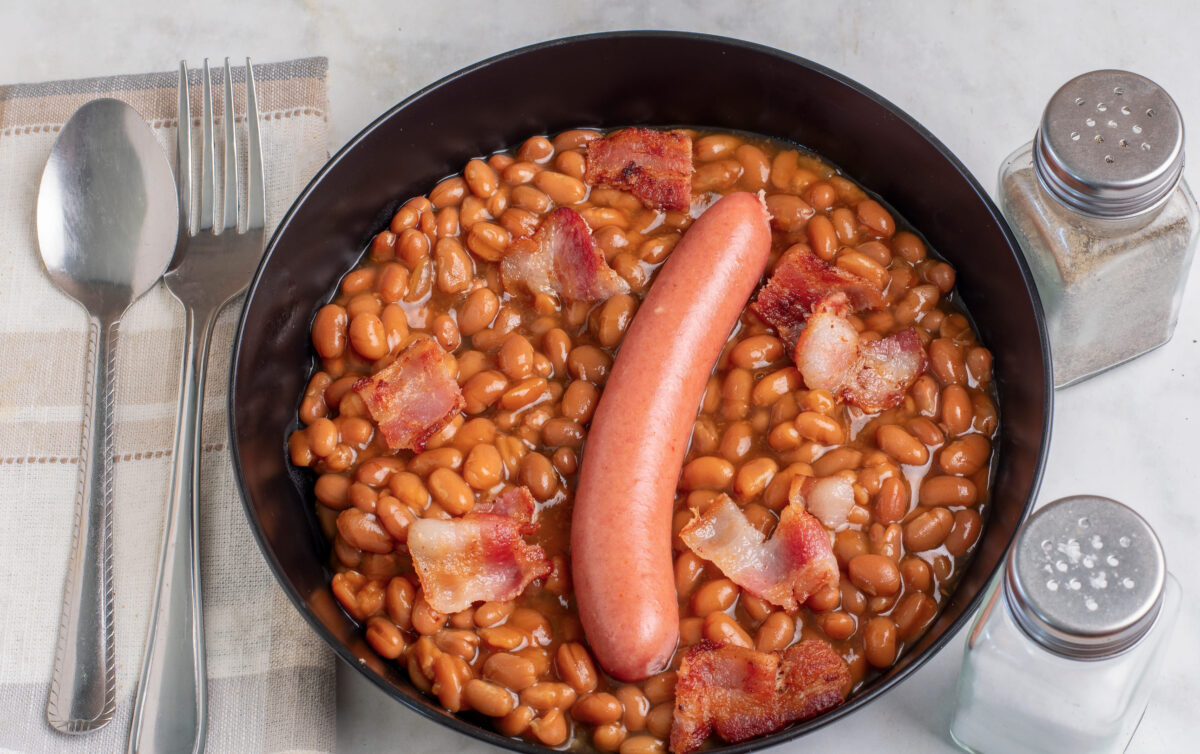
Once a quick, hearty meal enjoyed by working-class families, franks and beans were particularly popular during the 1960s and 1970s. Often associated with convenience and affordability, this dish was a go-to for busy households.
However, health trends and rising awareness of the dangers of processed meats and high sodium content led many to abandon it in favor of healthier alternatives. While still a nostalgic comfort food for some, it has largely fallen out of favor in today’s health-conscious world.
TV Dinners
TV dinners revolutionized the way Americans ate when Swanson introduced them in 1953. The idea of having a full meal, such as turkey with mashed potatoes and peas, conveniently packaged in an aluminum tray, was a groundbreaking innovation for the post-WWII era.
By the 1980s, frozen dinner brands like Banquet and Stouffer’s were household names. However, the rise of microwave meals, fast food, and delivery services like Uber Eats has rendered the traditional TV dinner nearly obsolete, as modern lifestyles demand quicker and more varied dining options.
Savory Aspic (Gelatin Molds)

In mid-20th century America, savory gelatin molds were a popular dish for parties and family gatherings. These gelatin salads, often filled with vegetables, meat, or even fish, were a quirky centerpiece at dinner tables.
Popular during the 1940s to the 1960s, aspics fell out of favor in the 1980s as tastes evolved and nutrition concerns rose. While they still make occasional appearances in retro cookbooks and potluck dinners, these jiggly concoctions are far from the go-to dish they once were.
Olive Loaf
A peculiar variant of bologna, olive loaf was a cold cut infused with green olives and was popular in mid-century America. Often found in lunchboxes and deli counters, it was a somewhat divisive meat, beloved by some but disregarded by many.
As Americans became more discerning about the contents of their processed meats and deli offerings, olive loaf lost its place in mainstream culture. Today, it remains mostly a novelty and is rarely seen outside nostalgic discussions about bygone lunch choices.
Chicken à la King
Chicken à la King was once a staple of mid-20th-century American cuisine, known for its creamy sauce made with chicken, mushrooms, and vegetables. It was often served over rice, toast, or noodles, and became popular as a quick, comforting dish.
Despite its widespread popularity, Chicken à la King gradually fell out of favor due to its heavy use of cream and butter, as well as the rise of lighter, healthier alternatives. Though still occasionally found in retro diners or family recipes, it is no longer a common choice for contemporary meals.
Jello Salad
Jello salad, a colorful mix of fruit, marshmallows, and gelatin, was once a popular dish at family gatherings and church potlucks. The appeal of this sweet and wobbly dessert was irresistible to children, and it became a go-to treat for various occasions.
However, as taste preferences shifted and people became more aware of the health concerns associated with sugary, artificially colored foods, jello salad faded into obscurity. Though it still holds a place in some nostalgic recipe books, it is largely ignored in modern culinary trends.
Green Bean Casserole
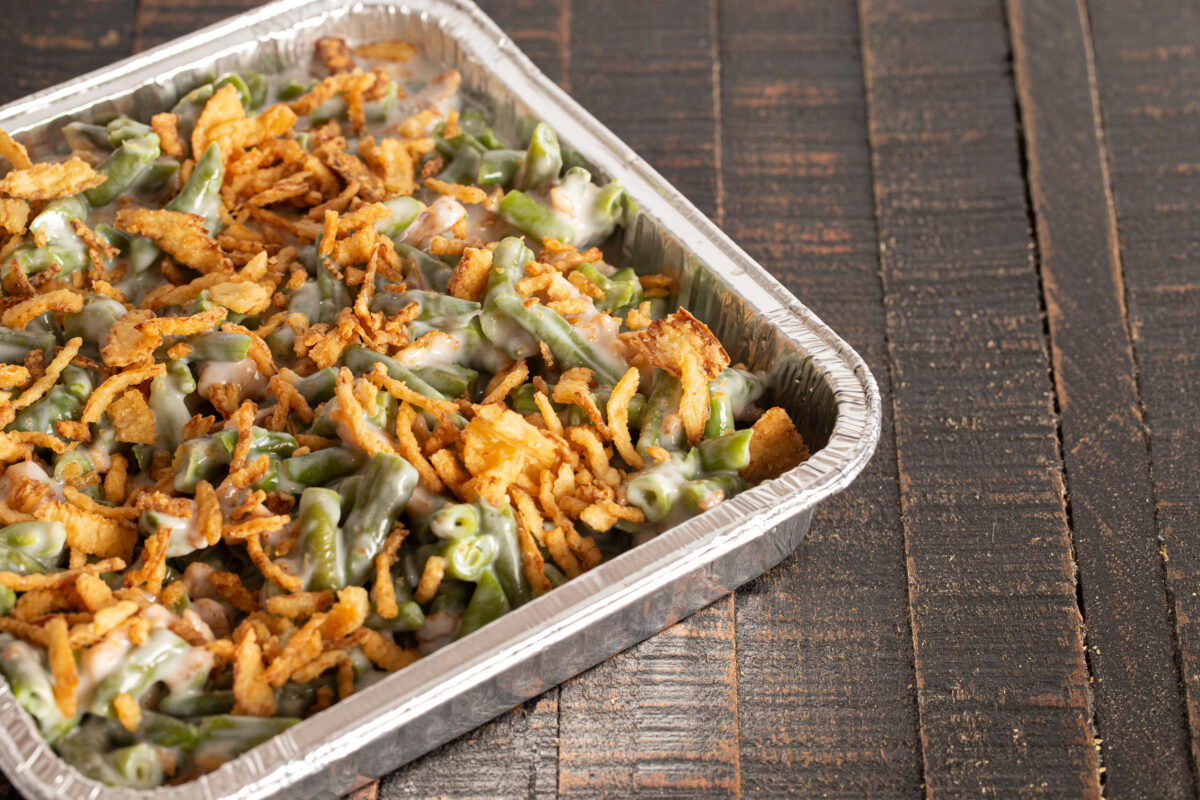
Green bean casserole became a beloved Thanksgiving dish in the 1950s, thanks to the introduction of cream of mushroom soup as the key ingredient. It was simple, quick, and easy to make, which made it an attractive option for busy families.
However, as more people shifted toward fresher, less processed ingredients, green bean casserole became less popular. While it still holds a place on many holiday tables, it has lost much of its everyday appeal, especially in favor of lighter, healthier vegetable side dishes.
Tang
This powdered orange drink mix, marketed as a space-age beverage in the 1960s, was once a favorite among children and adults alike.
Advertised as a quick and easy way to get a burst of vitamin C, Tang gained popularity after being included in NASA’s space missions. Despite its initial success, it fell out of favor as people began to prioritize natural fruit juices and healthier drink options. Though it still has a niche following, Tang is largely a relic of a past era when convenience often trumped nutritional value.
Fondue
Fondue, the Swiss dish of melted cheese or chocolate served with bread, fruit, or other dippables, was the height of sophistication and dinner party culture in the 1970s. It was an interactive and fun way to eat, often enjoyed by groups of friends or family.
However, as dining preferences shifted and people moved away from communal dining, fondue began to fall out of favor. While it has made occasional comebacks as a trendy retro food, it no longer commands the same cultural significance it once held.
Pudding Pops

Pudding pops, once a beloved frozen treat popularized by Bill Cosby in the 1980s, were the go-to dessert for kids and adults alike.
These creamy, chocolatey popsicles were marketed as both indulgent and somewhat nutritious. However, as food trends changed and concerns about sugar content grew, many brands eventually discontinued pudding pops. Today, they exist mostly in the realm of nostalgia, remembered fondly by those who grew up with them but rarely found on store shelves.
Conclusion
As our tastes evolve and our understanding of nutrition deepens, many once-popular foods fade into obscurity.
Whether it’s due to health concerns, the rise of more convenient options, or changing cultural preferences, many dishes that were once staples of American dining are no longer in regular rotation. While it’s fun to reminisce about these nostalgic foods, they serve as a reminder of how quickly food trends can shift, and how the changing culinary landscape reflects the evolving values and priorities of society.